Some of America’s most beloved restaurant dishes weren’t created to impress anyone. They started with a simple problem: hungry customers, expensive ingredients, awkward lunches, or food that might otherwise go to waste.
What happened next is the delicious part. Clever cooks turned everyday challenges into meals people loved, and some of those humble creations became symbols of their cities. From barbecue scraps in Kansas City to an onion-packed burger in Oklahoma, these 10 dishes show how a little kitchen ingenuity can become a lasting tradition.
Kansas City Burnt Ends: From Free Scraps to Barbecue Gold
Kansas City, Missouri
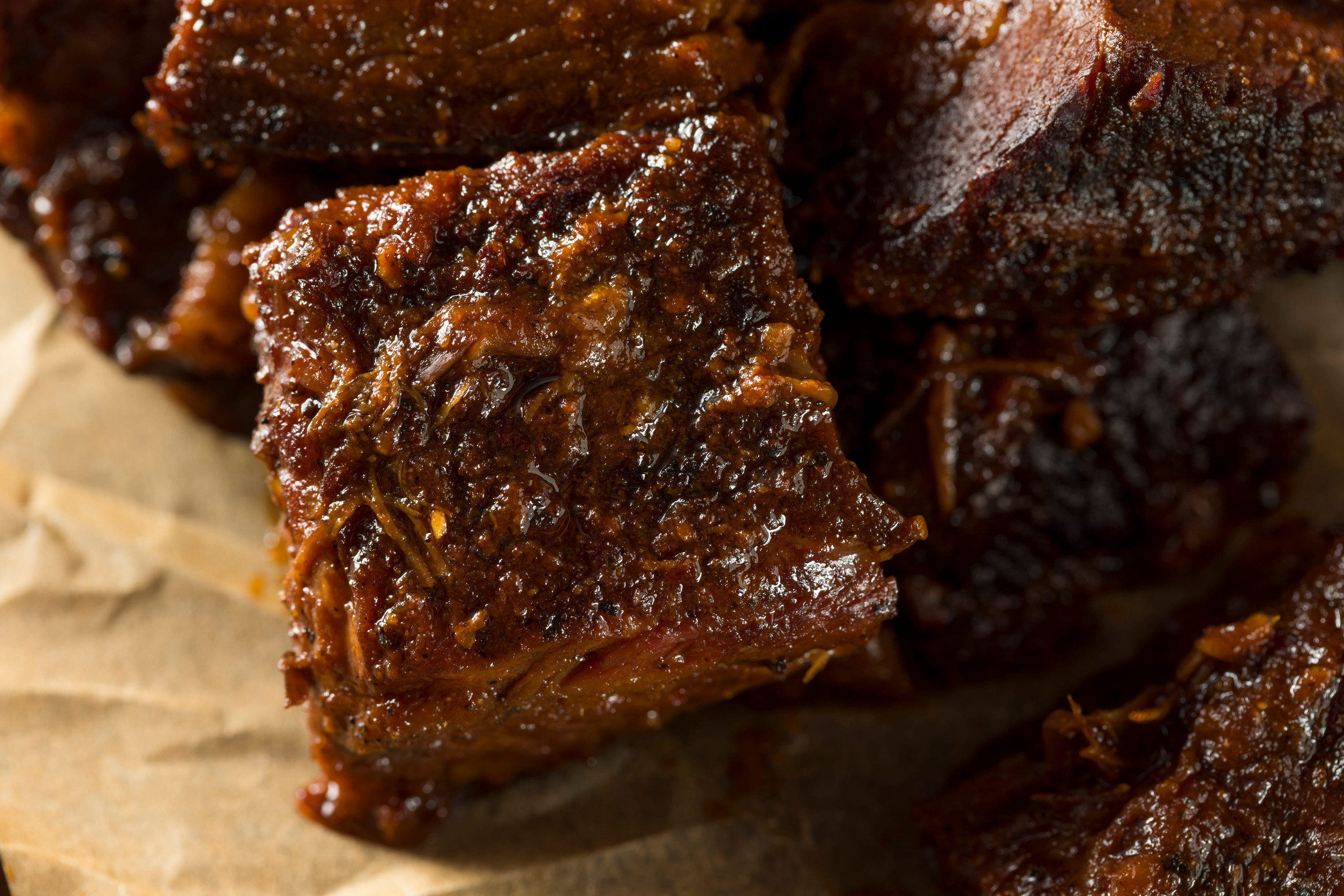
Today, burnt ends are among Kansas City’s most recognizable barbecue specialties. But once, customers at Arthur Bryant’s could enjoy those smoky, crispy pieces without paying an extra cent.
The pieces came from the irregular edges of smoked beef brisket, which weren’t ideal for neatly sliced sandwiches. Instead of letting them go to waste, the restaurant offered them to customers waiting for their orders.
Food writer Calvin Trillin helped bring attention to the specialty in 1972. Eventually, demand grew so much that barbecue restaurants began deliberately preparing burnt ends rather than relying on leftover edges.
Something once given away became a reason to visit Kansas City.
Related: Chicago Stole New York’s Steakhouse Crown And Meat Lovers Are Booking Flights to the Windy City
Oklahoma Fried Onion Burger: Making Less Beef Go Further
El Reno, Oklahoma
What do you do when beef is expensive but customers still want a satisfying hamburger? In El Reno, the answer was simple: add more onions.
The fried onion burger is traditionally associated with Ross Davis and the Hamburger Inn. Its clever preparation involves pressing generous amounts of thinly sliced onions directly into a small beef patty as it cooks on the griddle.
The onions helped stretch the meat while adding sweetness and those irresistible browned edges.
Although accounts differ on exactly when the burger first appeared, its money-saving purpose is well established. What began as an economical solution eventually became one of Oklahoma’s signature foods.
Mississippi Slugburger: The Nickel Burger That Stuck Around
Corinth, Mississippi
First things first: slugburgers have no slugs.
The unusual name comes from an old slang term for a nickel, reflecting the burger’s inexpensive beginnings. According to oral-history research by the Southern Foodways Alliance, John Weeks and his family were selling an early version around 1917.
To cut costs, they mixed ground beef with potato flakes. Other regional versions later incorporated different inexpensive fillers.
Frying produced a crisp patty that appealed to farmers, factory workers, and anyone seeking an affordable lunch.
Corinth eventually embraced the humble burger so enthusiastically that it became the centerpiece of an annual Slugburger Festival.
Hawaiian Loco Moco: A Filling Meal for Hungry Teenagers
Hilo, Hawaii
Teenagers with big appetites and small budgets have inspired plenty of kitchen creativity. Hawaii’s loco moco is a particularly delicious example.
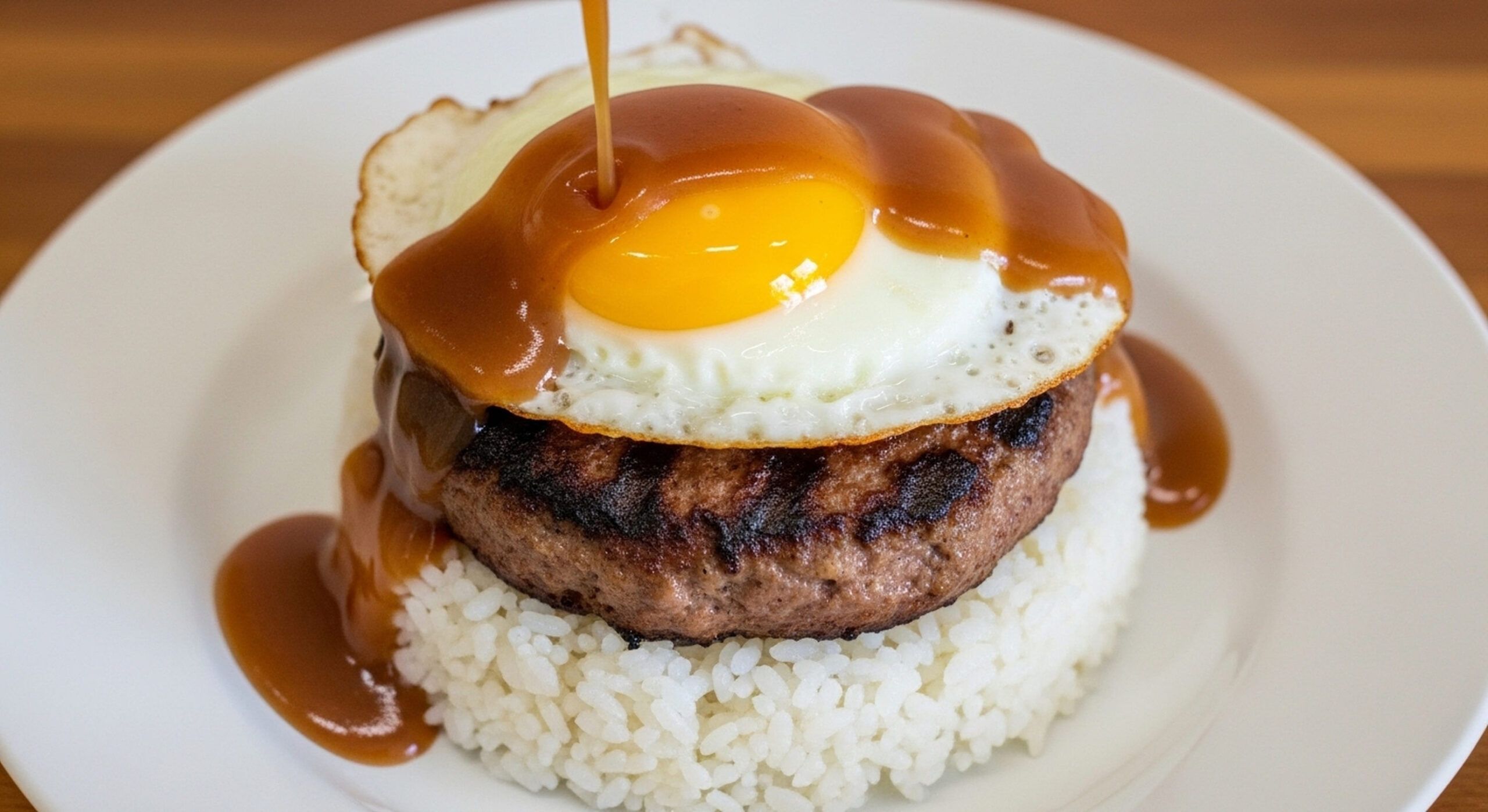
The dish is generally traced to Hilo’s Lincoln Grill in 1949, where Richard and Nancy Inouye reportedly responded to a group of hungry teenagers seeking an inexpensive, substantial meal.
The solution combined rice, a hamburger patty, and brown gravy. A fried egg eventually became another familiar component, although accounts differ on whether it appeared in the earliest version.
The meal spread across Hawaii, with Hilo’s Cafe 100 helping popularize it.
For anyone who has stared at a restaurant menu while counting their dollars, its original appeal is easy to understand.
Louisville Hot Brown: The Answer to Late-Night Menu Boredom
Louisville, Kentucky
Even fancy hotel guests can get tired of eating the same thing.
At Louisville’s Brown Hotel, dinner-dance patrons needed something more exciting than the usual late-night ham-and-egg offerings. Chef Fred Schmidt is traditionally credited with creating the Hot Brown in 1926.
The result was an indulgent open-faced turkey sandwich with Mornay sauce, a rich cheese sauce, and bacon.
Unlike dishes invented to stretch limited ingredients, this one solved a different problem: how to make a hotel menu more appealing.
The sandwich became so closely associated with Louisville that other restaurants kept serving it even during the Brown Hotel’s closure. Its birthplace still offers the specialty today.
New Orleans Muffuletta: Making Market Lunch Easier
New Orleans, Louisiana
Sometimes, the best food inventions happen because eating lunch is unnecessarily complicated.
The muffuletta is traditionally credited to Salvatore Lupo, who founded Central Grocery in New Orleans in 1906. According to family accounts, Sicilian market customers often bought bread, meats, cheese, and olive salad separately.
Juggling everything while eating wasn’t especially convenient.
Lupo’s practical solution was to put those ingredients together inside a round loaf. The result became one of New Orleans’ most famous sandwiches.
Although the exact date of the first serving remains uncertain, the idea has endured. Different restaurants now offer their own versions, including warmed sandwiches, while Central Grocery remains associated with the traditional cold preparation.
Fall River Chow Mein Sandwich: Making Chinese Food Familiar
Fall River, Massachusetts
A sandwich filled with crispy noodles and gravy might sound unusual, but in Fall River, it became a beloved local tradition.
In the early 20th century, Chinese American restaurant operators served a community of textile mill workers, many from European immigrant families.
Their challenge was introducing unfamiliar food to customers who wanted affordable, familiar meals.
The solution combined crispy chow mein noodles and brown gravy with a familiar hamburger bun. The result was hearty, inexpensive, and approachable.
NPR research highlights how the sandwich helped connect immigrant food traditions.
And here’s the funny part: despite its name, the messy sandwich is often easier to eat with a fork.
Pittsburgh Primanti Sandwich: Putting the Sides Inside
Pittsburgh, Pennsylvania
Why serve French fries beside a sandwich when you can stuff them right inside?
That’s the delicious logic behind Pittsburgh’s famous Primanti Bros. sandwich.
The business began in 1933 in the Strip District, where produce workers and truck drivers needed substantial meals.
According to the restaurant’s family history, a customer request involving potatoes helped inspire the addition of fries. Coleslaw eventually became another signature filling.
The modern sandwich typically piles meat, cheese, fries, slaw, and tomato between thick slices of bread.
Although stories about workers eating while driving remain difficult to verify, the practical appeal is obvious. You get your sandwich and sides in one generous serving.
Cincinnati Chili: Giving Immigrant Flavors an American Twist
Cincinnati, Ohio
Order chili in Cincinnati, and you might find it poured over spaghetti instead of served in a bowl.
That unusual combination traces its roots to immigrant brothers Tom and John Kiradjieff, who opened Empress Chili in 1922.
Their approach brought Mediterranean-influenced seasonings into familiar American restaurant formats, including spaghetti and hot dogs.
It was a clever way to introduce distinctive flavors while serving foods customers already recognized.
The combination proved popular enough to inspire generations of Cincinnati chili parlors.
Today, cheese, onions, and beans help define different serving styles. What started as an immigrant restaurant adaptation became an unmistakable part of the city’s food identity.
Chicago Italian Beef: Stretching a Roast for More Guests
Chicago, Illinois
A big family gathering can make even a decent-sized roast seem too small.
One traditional account of Chicago’s Italian beef sandwich begins with that exact problem. According to the family behind Al’s Beef, Anthony Ferreri learned that slicing beef extremely thin could help serve more guests at inexpensive Italian American wedding celebrations.
They served the meat on bread with seasoned cooking juices, creating a generous sandwich without requiring thick portions of beef.
Al opened its restaurant stand in 1938, though the sandwich’s earlier history and exact inventor remain disputed.
Over time, Italian beef became a Chicago favorite, often served with sweet peppers or spicy giardiniera.
The original motivation was economy. The lasting attraction was flavor.
Related:Dishes That Aren’t From the Place They’re Named After
Great Food Often Starts With a Simple Fix
These dishes prove that restaurant creativity doesn’t always require expensive ingredients or elaborate techniques. Sometimes it takes a little resourcefulness, an understanding of what customers need, and the willingness to try something different.
Whether it’s making meat stretch further or finding a better way to serve lunch, yesterday’s practical fixes can become tomorrow’s hometown favorites.
Other Posts You May Like
- These 10 Restaurants Were Top Picks for Baby Boomers in the 1980s, and Millennials Have Never Heard of Them
- 7 Restaurant Habits That Reveal Your Dining Experience and Social Confidence