Some dangerous places don’t look dangerous. A quiet beach, a familiar driveway, or even a shady tree can become a serious hazard under the wrong circumstances.
According to the National Highway Traffic Safety Administration (NHTSA), historical estimates used in its 2014 rear-visibility rule put backover crashes at approximately 267 deaths and 15,000 injuries annually. Meanwhile, the National Weather Service recorded 119 flash-flood fatalities in 2024. Those figures show why recognizing everyday hazards matters.
Here are 10 places where standing in the wrong spot could put you at risk, along with practical ways to stay safer.
Directly behind a reversing vehicle
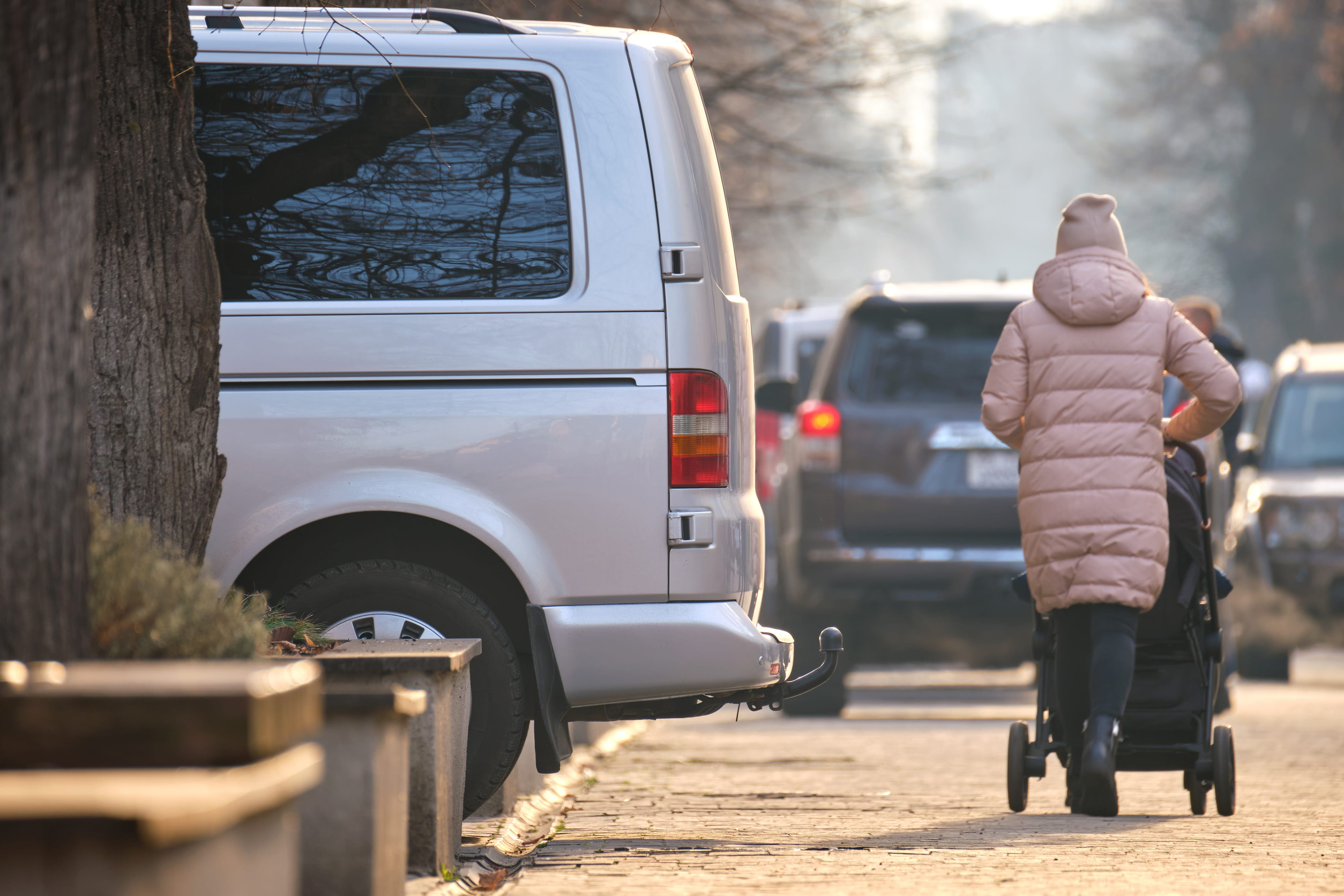
That parking lot shortcut might save a few steps, but walking behind a vehicle preparing to reverse is a gamble you should avoid. Drivers cannot always see everything behind them, especially when pedestrians approach from the side.
Backup cameras help, but they have limitations. NHTSA specifically warns that drivers should never rely entirely on cameras or detection systems when reversing.
The safer choice? Wait until the vehicle has finished backing up before crossing behind it. Drivers should also check their surroundings before reversing and continue watching for movement.
Under a tree during a thunderstorm
When rain starts pouring, a big leafy tree can look like the perfect shelter. Unfortunately, it protects from rain, not lightning.
The National Weather Service warns against sheltering beneath isolated trees during thunderstorms. In August 2022, a lightning strike near a tree in Washington, D.C.’s Lafayette Square critically injured four people. Three later died.
Instead of hiding beneath branches, head into a substantial building or an enclosed, hard-topped vehicle with the windows closed. If you can hear thunder, it’s time to seek proper shelter.
Right at the edge of a train platform
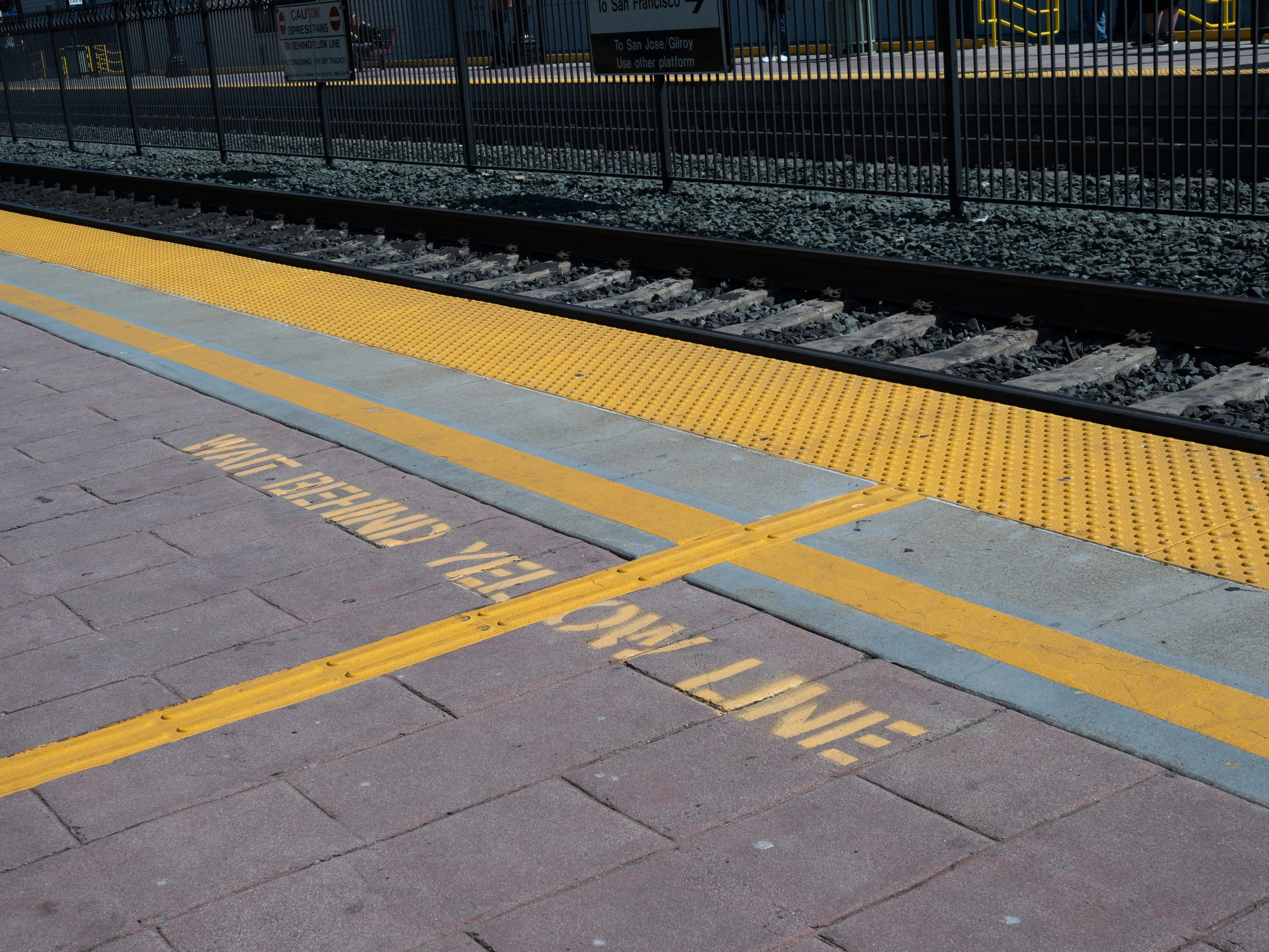
Standing close to the tracks might seem like an easy way to check whether your train is coming. However, the closer you get to the edge, the less room you have if you lose your balance.
New York’s Metropolitan Transportation Authority reported that it had installed platform barriers at 158 stations by the end of June 2026. The agency also reported an 11% decline in accidental or unintentional track intrusions at stations with barriers, although that does not establish the barriers as the sole cause.
Stay behind the marked safety line or installed barriers, and never enter the tracks to retrieve something you’ve dropped.
On the traffic-facing side of a broken-down car
A flat tire is frustrating enough without putting yourself in the path of moving traffic. Standing beside the traffic-facing doors or wheels leaves you exposed to passing vehicles.
Research from the AAA Foundation for Traffic Safety identified 123 roadside-assistance providers who were fatally struck while working between 2015 and 2021. These were occupational fatalities, not stranded motorists.
If your vehicle is safely away from traffic and conditions permit, remaining buckled inside may be safer. If you must exit and can do so safely, use the side away from traffic and move to a protected location. Contact emergency assistance when necessary.
Near a fallen power line
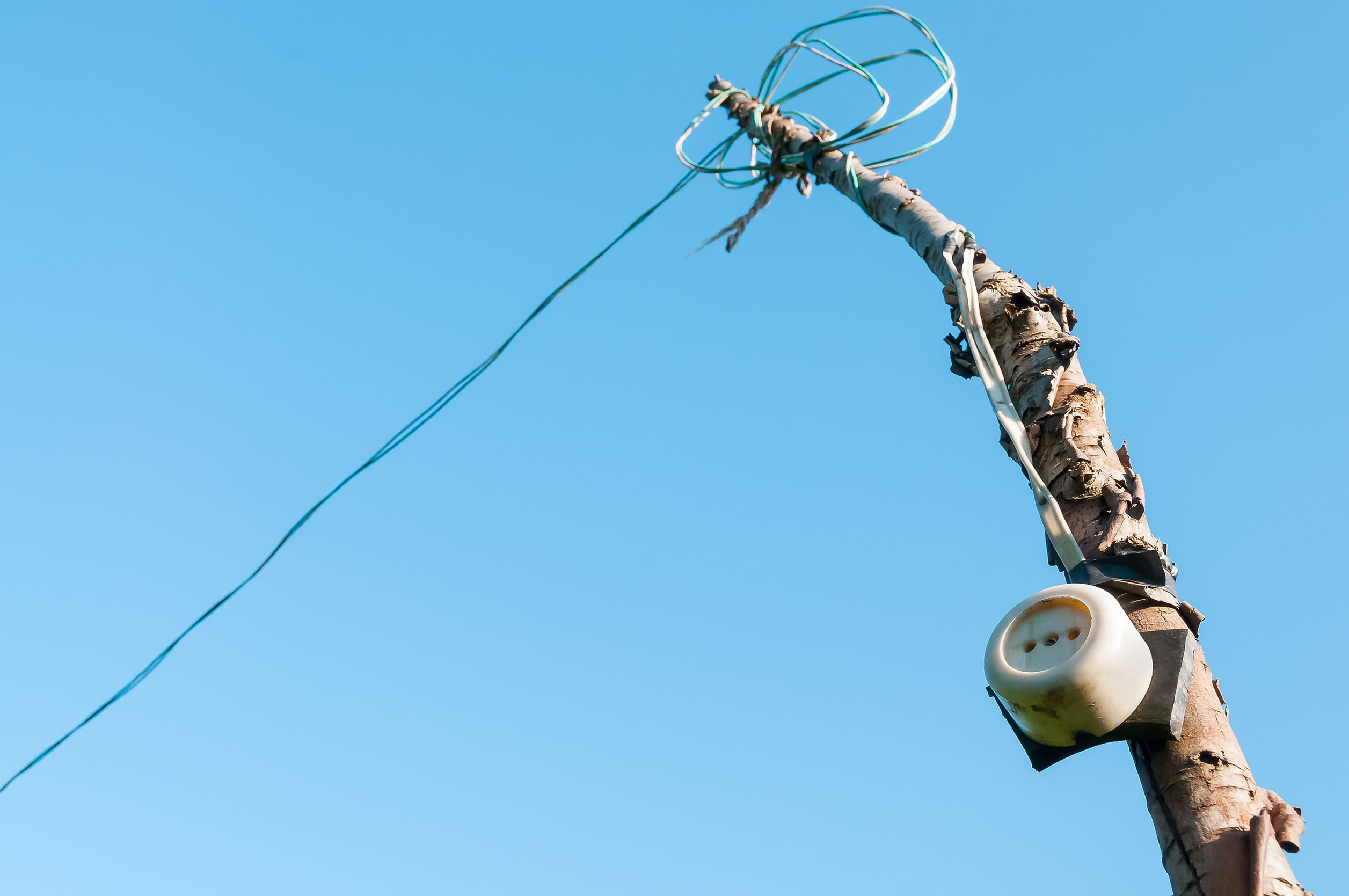
A downed power line doesn’t need to spark or crackle to be dangerous. Even the ground surrounding it could be energized.
The Electrical Safety Foundation International recommends staying at least 35 feet away from fallen power lines. Wet conditions can extend the danger farther.
Never approach a fallen wire to investigate, and don’t try moving it with a stick. Keep others away and call 911 and the utility company.
If you’re already dangerously close, the foundation recommends moving away using small shuffling steps while keeping your feet together. Anyone inside a vehicle touching a fallen line should generally remain inside unless an immediate danger, such as fire, requires escape.
Related: Trump Administration Moves to Roll Back Power-Plant Climate Rules: What Could It Mean for Americans?
Directly beneath an unstable coastal cliff
Finding a quiet spot against a towering seaside bluff might sound like a great beach-day plan. But that cliff can pose a danger even when you’re standing on the sand below it.
On August 2, 2019, a coastal bluff collapsed in Encinitas, California, killing three beachgoers. The tragedy occurred on a sunny day, showing that a storm isn’t required for a collapse.
The City of Encinitas advises beach visitors not to stand or sit directly beneath unstable bluffs.
Follow posted warnings, respect beach closures, and choose a spot away from unstable cliff faces. Don’t assume a cliff is stable simply because it looks solid.
Related:7 of the World’s Most Dangerous Beaches That Look Like Paradise
On a massive driftwood log near the ocean

A huge driftwood log can look like a convenient beach bench or the perfect photo spot. However, ocean waves can turn that heavy piece of wood into a moving hazard.
The National Weather Service warns that powerful sneaker waves can move waterlogged logs weighing hundreds of pounds.
In March 2017, a 14-year-old girl died at an Oregon beach after a wave moved the log she was standing on, causing it to roll onto her.
Avoid sitting, standing, or playing on driftwood in the surf or wet sand. Watch the ocean and stay clear of large debris within the waves’ reach.
In moving floodwater on a road or sidewalk
That flooded sidewalk might look shallow enough to cross, especially if you’ve walked the same route countless times.
But moving water can be far stronger than it appears. According to the National Weather Service, just six inches of fast-moving water can knock an adult off their feet and carry them away.
Floodwater can also conceal damaged pavement or washed-out ground. What looks like an ordinary flooded crossing might have a missing section underneath.
Skip the shortcut, follow road closures, and move to higher ground when flooding threatens. A familiar route isn’t necessarily a safe route once water starts flowing across it.
Beneath an unsafe building façade or restricted construction area
Walking through a busy downtown area often means passing buildings undergoing repairs. Most authorized, protected walkways are designed to keep pedestrians safe, but barricaded overhead-work zones are different.
In December 2019, falling façade material killed architect Erica Tishman in Manhattan. Following the incident, New York City’s Department of Buildings inspected 1,331 previously flagged façades and found 220 without proper pedestrian protection.
Loose construction materials and deteriorating exterior building components can fall onto people below.
Respect barricades and use designated pedestrian walkways. Never slip into a restricted area just because it looks like a convenient shortcut.
Under raised forklift forks or a suspended load
Forklifts are common in warehouses, loading areas, and some large retail environments. You might assume walking beneath raised forks is harmless when they aren’t carrying anything.
However, the Occupational Safety and Health Administration (OSHA) prohibits standing or passing beneath elevated forklift forks or lifting mechanisms, even when they’re empty.
The equipment and any elevated cargo create hazards for people underneath.
Use designated pedestrian paths, stay outside active loading areas, and wait until equipment operations have stopped and the route is safe.
The bottom line: Staying safe isn’t about fearing ordinary places. It’s about recognizing when everyday surroundings become dangerous and knowing when to move somewhere safer.