Christian life is often described from the outside as a neat, polished, perfectly controlled way to live. Some people imagine it as a quiet road where every problem disappears, every answer arrives on time, and every believer walks around glowing with calm certainty. That picture may sound comforting, but it leaves out the real heart of faith.
The truth is much more human. Christian living involves joy, struggle, growth, doubt, wisdom, community, and personal responsibility. It is not an escape hatch from pain or a costume people wear to look spiritually impressive.
Many of the loudest misunderstandings about Christianity come from half-truths. They take one piece of faith and stretch it until it becomes unrealistic, harsh, or misleading. These are the Christian life myths that still confuse people, and they deserve a closer look.
Faith Means Your Problems Disappear
One of the biggest myths about Christian life is the idea that once someone becomes a believer, life suddenly becomes easy. Some people assume faith works like a shield against bills, grief, sickness, family drama, disappointment, and personal failure. That belief sounds comforting at first, but it can hurt people when real life still shows up at the door.
Christian faith does not promise a life without storms. It offers strength, direction, hope, and endurance inside those storms. A believer may still cry, struggle, lose, rebuild, and ask hard questions, but faith gives that pain a deeper place to land.
Christianity Is Just a Joyless List of Rules
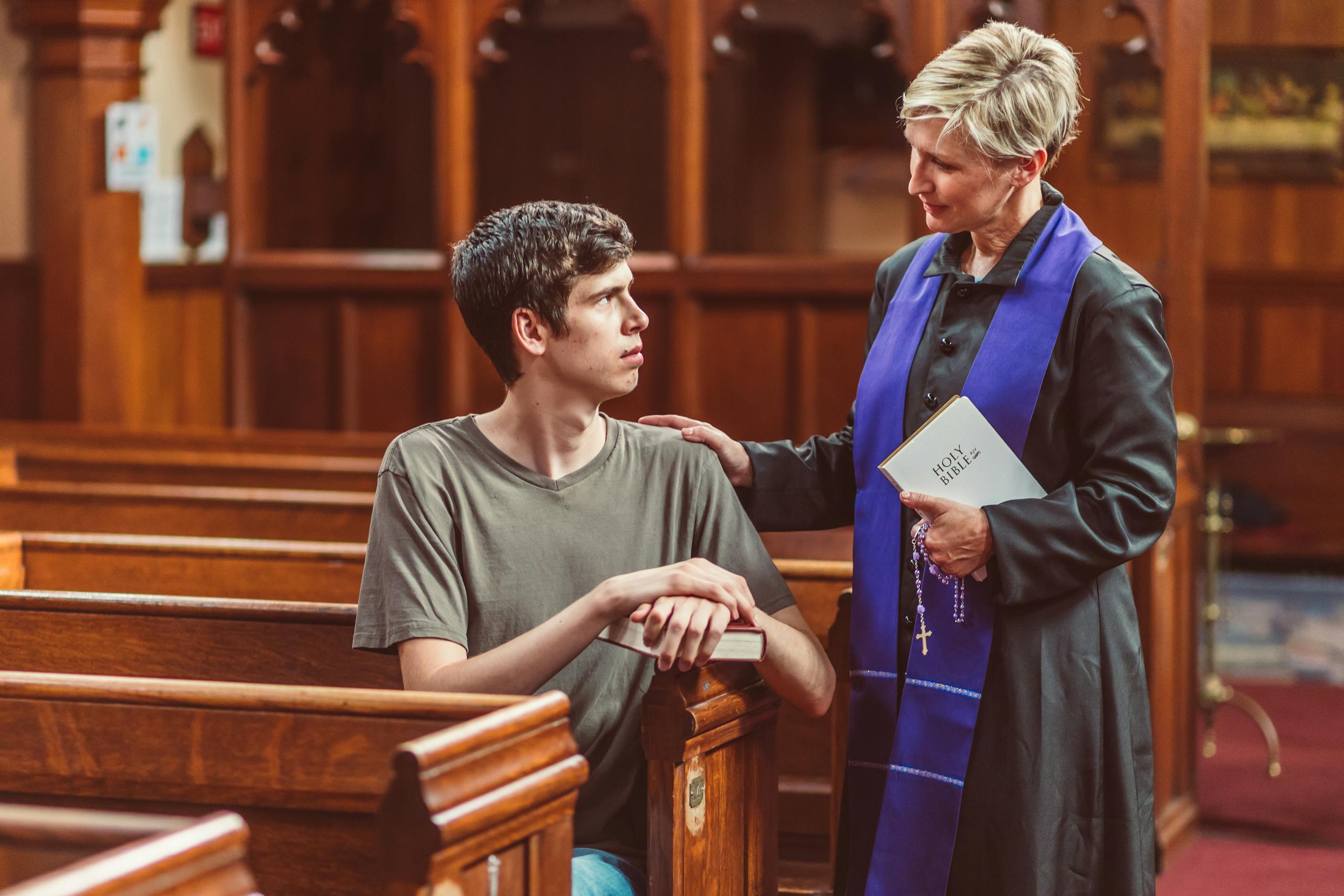
Many people picture Christian life as cold, strict, and full of endless restrictions. They imagine believers walking around, afraid to laugh too loudly, to enjoy beauty, to rest, to celebrate, to have fun. This myth turns faith into a locked room instead of a living relationship.
At its best, Christianity is not built around joyless rule-keeping. It points people toward peace, gratitude, purpose, love, and spiritual freedom. Discipline matters, but discipline without joy becomes dry, heavy, and exhausting.

Christians Are Supposed to Be Perfect
Some people think Christians must be flawless to be real believers. They expect every Christian to speak gently, make wise choices, forgive quickly, stay patient, and never fall into bad habits. That expectation creates a pressure no human being can bear.
Christian life is about growth, not performance. Believers are still human, which means they still make mistakes, wrestle with pride, act out of fear, and need correction. The difference is not perfection, but the willingness to keep returning to grace and becoming better.
Good Christians Never Suffer
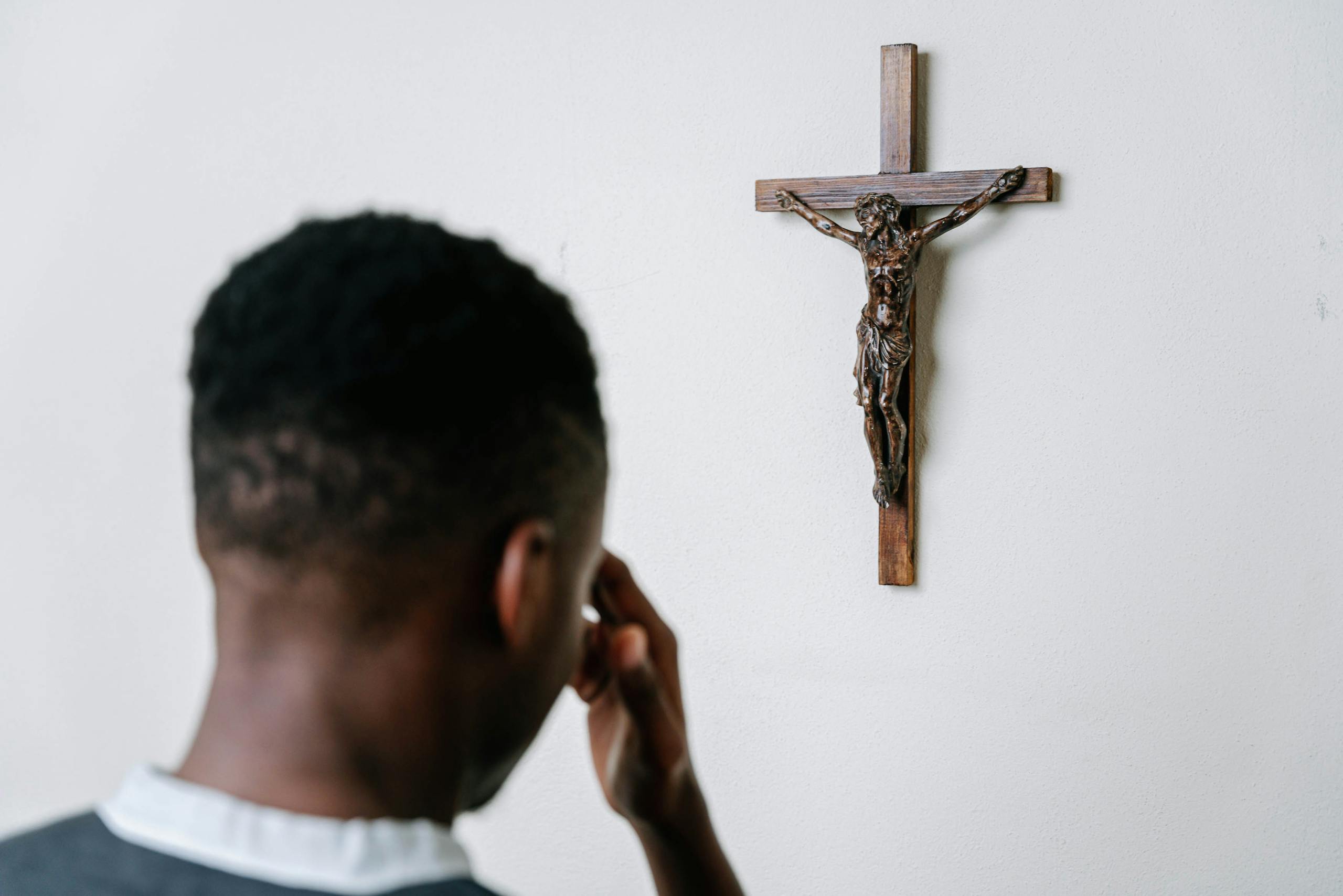
Another harmful myth says that strong faith protects people from pain. Some believe that if a Christian suffers deeply, they must have done something wrong or lacked enough faith. That idea can make people feel judged rather than supported.
Suffering is part of human life, and Christians are not removed from humanity. Faith can bring comfort, wisdom, and courage, but it does not erase every hard season. Sometimes the deepest spiritual growth happens in places people never wanted to walk through.
Church Leaders Are Always More Spiritual
Many people assume pastors, ministers, missionaries, and church workers are automatically closer to God than everyone else. Their role may be public, respected, and important, but visibility does not always equal spiritual maturity. A title can describe responsibility, but it cannot prove the condition of the heart.
Christian teaching places value on every believer, not just those standing on a stage or leading a congregation. Spiritual growth can happen in a pulpit, a kitchen, a classroom, a hospital room, or a quiet office. Leadership matters, but humility matters more.
Every Church Is Automatically Safe
Church should be a place of care, honesty, worship, and belonging. Still, it is dangerous to assume every person inside a church building is trustworthy simply because they use religious language. People can misuse spiritual spaces just as they can misuse any other place of influence.
This does not mean Christians should live in fear. It means wisdom still matters. Healthy faith communities need accountability, boundaries, transparency, and courage to confront harm when it appears.
Christians Must Never Say Anything Difficult
Some people believe Christian love means never making anyone uncomfortable. They think a believer should avoid hard conversations, soften every truth, and remain agreeable in every situation. That sounds peaceful, but it can become dishonest.
Christian communication should be marked by kindness, patience, and respect. Still, love sometimes requires honesty, correction, and courage. The goal is not to wound people with truth, but to speak truth in a way that seeks healing rather than control.
Christians Should Avoid Nonbelievers
Another common misunderstanding is that Christians should isolate themselves from people who do not share their faith. This creates a narrow view of holiness, as if distance from others automatically proves devotion to God. In reality, isolation can make faith smaller, colder, and less compassionate.
Christian life calls believers to love neighbors, serve others, build relationships, and show kindness in real situations. That cannot happen from behind a wall. A mature believer can stay grounded in faith without treating others as threats.

Enjoying Life Is Sinful
Some people think Christian living means rejecting every earthly pleasure. They assume food, music, art, rest, success, beauty, travel, laughter, and celebration are somehow suspicious. This view makes life feel like a test where happiness is always dangerous.
Christianity does warn against greed, excess, lust, pride, and selfish living. That is different from rejecting joy itself. Enjoyment becomes healthier when it is shaped by gratitude, self-control, and a clear conscience.
You Should Always Feel Close to God
Many believers quietly struggle because they think faith should always feel warm and powerful. When prayer feels dry or worship feels distant, they assume something is wrong with them. This myth can turn normal spiritual seasons into private shame.
Faith is deeper than emotion. Feelings can rise and fall because of stress, grief, exhaustion, disappointment, or ordinary human weakness. A quiet season does not always mean faith has died, and distance does not always mean God has disappeared.
Wealth and Health Prove God Is Pleased
One of the most damaging myths says that rich, healthy, successful people must be more blessed by God. This idea can make poor, sick, grieving, or struggling Christians feel spiritually inferior. It also confuses material comfort with spiritual depth.
Christian faith does not measure godliness by bank accounts, perfect health, or public success. A person can have money and still be spiritually empty, just as a person can suffer and still carry deep faith. True richness begins with the soul, not the spotlight.
Real Christians Never Doubt
Doubt is often treated like a spiritual scandal, but many believers experience questions at some point. They wonder why pain exists, why prayers seem unanswered, why good people suffer, or why faith feels complicated. Pretending those questions do not exist rarely makes faith stronger.
Honest questions can become a doorway to deeper understanding. Doubt does not always mean rebellion. Sometimes it means a person is thinking seriously, searching honestly, and refusing to settle for shallow answers.

Every Christian Life Looks the Same
Some people expect all Christians to look, speak, worship, dress, vote, serve, and express faith in exactly the same way. That expectation ignores the wide range of cultures, personalities, histories, churches, and life experiences within Christianity. Faith may share central beliefs, but its expression can look different across communities.
A Christian in Lagos, Manila, Nairobi, London, New York, or a small rural town may live out faith through different rhythms and traditions. That diversity does not automatically weaken Christianity. It often reveals how wide and living the faith truly is.
Conclusion
Christian life is not as flat or simple as many people imagine. It is not a shortcut around pain, a stage for perfection, a prison of rules, or a guarantee of wealth and comfort. It is a daily walk that asks for courage, honesty, humility, love, and trust.
The most harmful Christian life myths usually come from unrealistic expectations. They make people feel like faith must be effortless, emotions must always be high, and believers must never struggle. Real faith is stronger than that because it has room for growth, questions, weakness, joy, wisdom, and renewal.
A more honest picture of Christian living helps both believers and outsiders see the faith with clearer eyes. It reminds us that Christianity is not about pretending to be untouched by life. It is about learning how to live with hope, even when life feels heavy.