A tidy home can feel like a deep breath, but the organizing aisle has become a trap dressed in bamboo, acrylic, labels, and soft neutral colors. We walk in looking for peace and come out with another cart full of things that need organizing.
The U.S. home organization products industry was valued at about $14.2 billion, underscoring how much money now flows through the promise of cleaner closets, smarter kitchens, and calmer homes.
The real problem is that many storage products do not reduce clutter. They hide it, decorate it, or move it into a prettier box. Self-storage use has also climbed in the U.S., with the share of households renting at least one storage unit rising from 11.1% in 2022 to 13.4% in 2024, a reminder that Americans are often buying more space instead of owning less stuff.
Expensive decorative baskets that only disguise the mess

Pricey baskets are one of the easiest home organization products to justify because they look calm before anything goes inside them. A woven basket near the sofa, a seagrass bin under the console, or a fabric cube in the closet can make a room feel designed. The trouble starts when we use beautiful baskets as clutter caves for mail, chargers, toys, scarves, receipts, pet supplies, and random objects we do not want to sort.
A basket is useful only when it has a defined job. One basket for throw blankets makes sense. Six expensive baskets labeled “miscellaneous” do not. We should skip the designer versions unless the basket will sit in plain view, hold one clear category, and be used every day.
Bananas stand that waste counter space.
A banana stand is a classic example of a product that solves one very narrow problem. It holds bananas. That is it. The moment we buy apples, oranges, avocados, lemons, or a mixed fruit haul, the stand becomes less useful, and the counter becomes more crowded.
A simple fruit bowl, colander-style basket, or breathable produce bin gives us more flexibility. We can store bananas for one week and citrus for the next without needing a separate object for each snack habit. Counter space is prime real estate, so single-use organizers should earn their place every day.
Divided laundry hampers that do not match real laundry habits
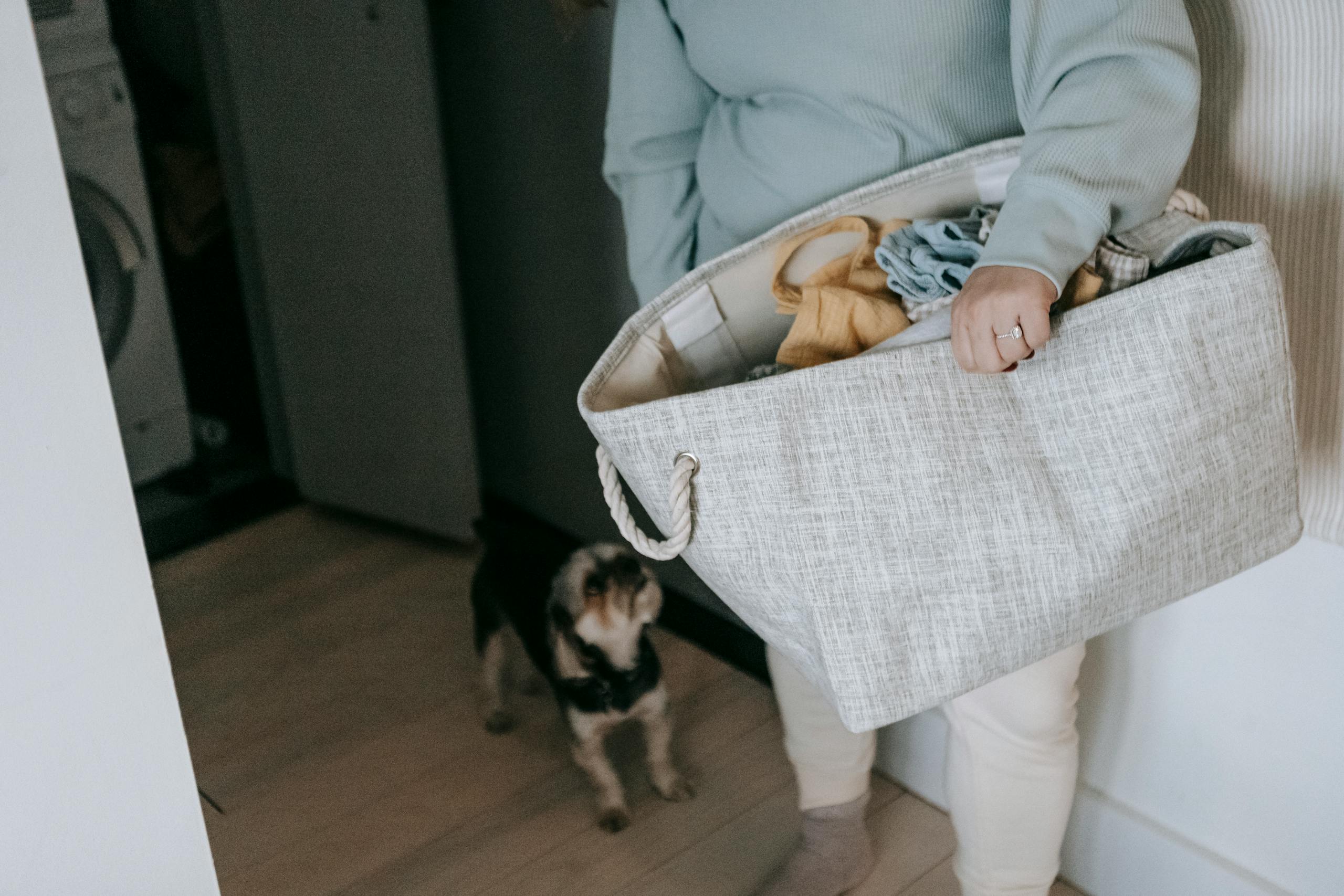
Divided laundry hampers promise a perfect sorting system for whites, colors, towels, delicates, and workout clothes. The problem is that laundry piles rarely grow evenly. One section fills too fast, another stays empty, and bulky items spill over the sides. Then we are left with a hamper that takes up more space but still fails to hold a typical week’s worth of clothes.
A better system is usually simpler. We can use one sturdy hamper for regular laundry and one smaller bag or basket for delicates, dry-clean-only pieces, or items that need special washing. That setup is easier to maintain and less likely to collapse under real household use.
Open shelving that turns storage into a display labor
Open shelving can look beautiful in a staged kitchen or perfectly lit laundry room. The issue is maintenance. Open shelves collect dust, grease, pet hair, and visual clutter. Every plate, jar, mug, and basket becomes part of the room’s design, turning ordinary storage into a display obligation.
Closed cabinets, lidded bins, and adjustable shelving usually work better for busy homes. Open shelves can still make sense for a few attractive, frequently used items, but they should not replace functional storage. If we do not want to style a shelf every week, we should avoid buying storage that requires constant styling.
Label makers that make organizing feel more complicated
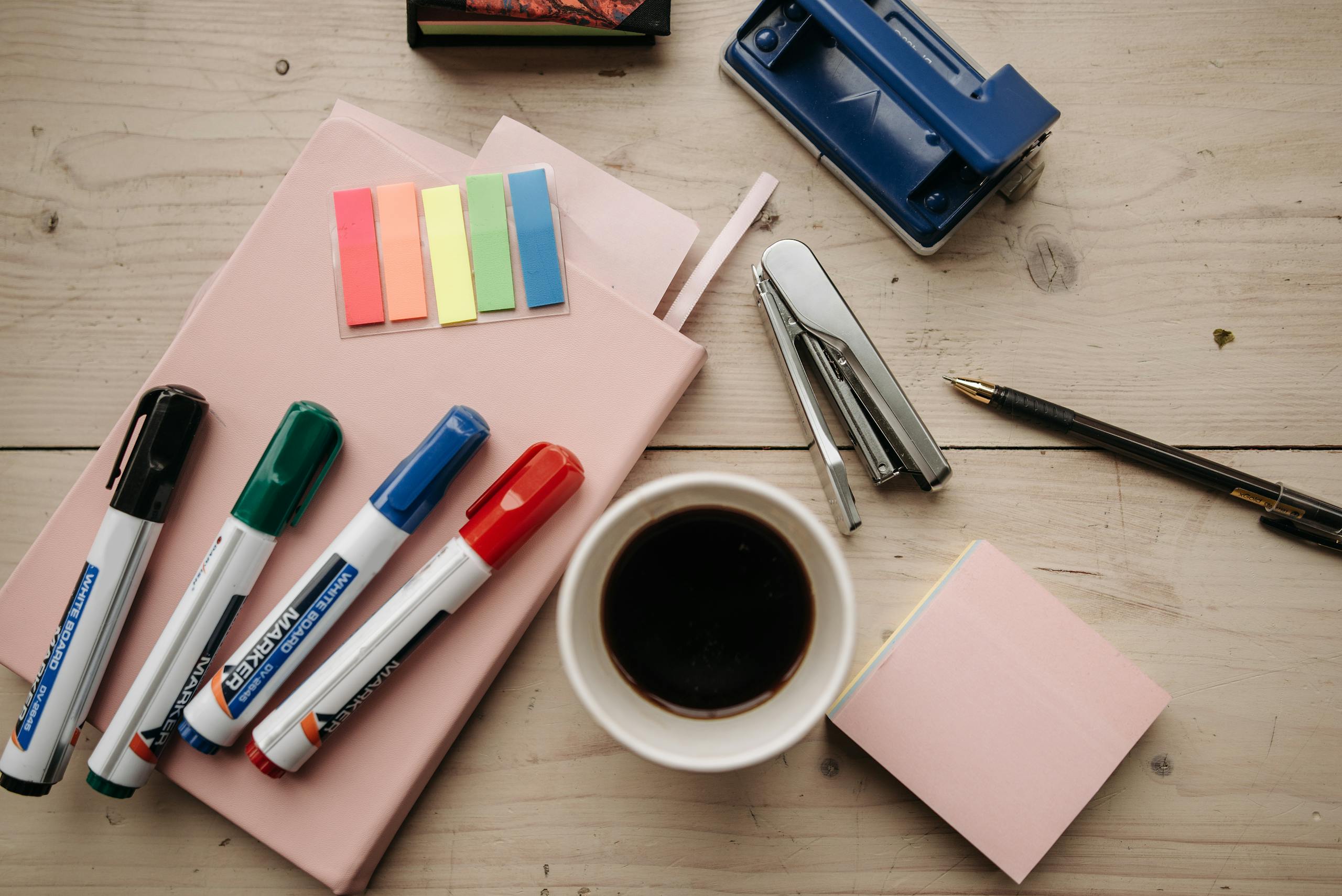
Label makers can be fun, but most homes do not need one. A label is meant to quickly identify a category. A handwritten sticker, masking tape label, chalk marker, or printable sheet can do the same job for far less money and less setup.
The risk with label makers is that they can turn organizing into a performance. We spend more time making the label system look perfect than fixing the messy drawer, closet, or shelf. Labels help only when the categories are clear, simple, and easy to maintain.
Clear shoe boxes that cost more than they save
Clear shoe boxes can make a closet look like a boutique, but they are not always worth the money. Buying individual boxes for every pair can become expensive fast, especially when the original shoe boxes are already available for free. The clear versions also take up more space if they do not match the closet dimensions.
For everyday shoes, open shelves, a simple rack, or an over-the-door organizer can be more practical. For occasional shoes, the original boxes work well if we label them or tape a small photo to the front. We should spend money only when the shoe system improves access, not just aesthetics.
Flimsy shelving that risks damage and danger
Cheap shelving can become expensive if it bows, cracks, tips, or collapses. This is especially true in garages, storage rooms, kids’ rooms, and home offices where shelves may hold books, tools, bins, appliances, or heavy supplies.
The CPSC’s Anchor It campaign focuses on the dangers of furniture and TV tip-overs, a useful reminder that tall storage should be sturdy, properly installed, and secured when needed.
We should check weight limits before buying shelves and avoid relying on weak units for heavy items. Sturdy shelving, proper anchors, and realistic load planning matter more than a low price. A shelf should protect belongings, not turn storage into a safety risk.
Toothbrush dividers that add another bathroom item to clean
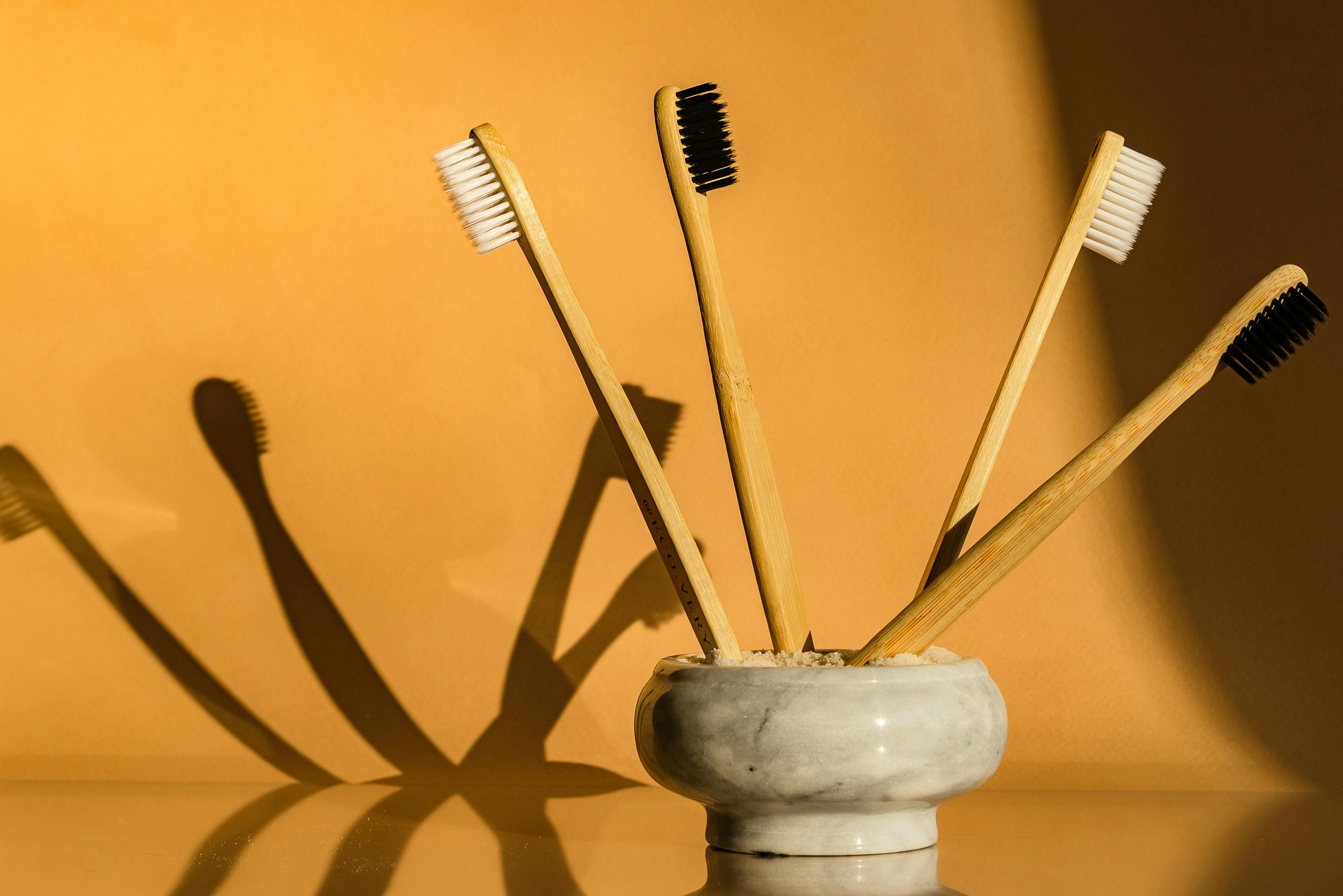
Toothbrush dividers seem hygienic, but many are awkward to clean. They collect toothpaste residue, water spots, hair, dust, and grime around tiny slots. If the holder does not fit electric toothbrushes, kids’ brushes, tongue scrapers, or replacement heads, it becomes more annoying than useful.
A simple, washable cup, a ceramic holder, or a wall-mounted option can work better. The key is airflow and easy cleaning. Bathroom organizers should not create hidden corners where moisture and residue collect.
Conclusion
Home organization products are a waste of money when they ask us to buy more rather than helping us make better decisions. A bin cannot fix overbuying. A basket cannot fix a habit of dropping things anywhere. A label cannot fix categories that make no sense.
We get the biggest return when we declutter first, measure second, and buy last. The smartest home organization product is the one that makes daily life easier without demanding constant attention. Before adding another basket to the cart, we should make sure we are not just buying a prettier place to hide the same old mess.