A package of smoked fish might look like a delicious addition to breakfast, a quick lunch, or a party platter. But a recent recall of cold-smoked sprats is raising serious food safety concerns after federal investigators found the product was made without required controls to prevent a potentially deadly toxin.
On October 27, 2026, Haifa Smoked Fish of Queens, New York, announced a recall of about 560 pounds of cold-smoked sprats because they may have been contaminated with Clostridium botulinum, the bacterium that causes botulism. The recall followed a warning from the U.S. Food and Drug Administration, which had urged consumers and businesses not to eat, sell, or serve the fish.
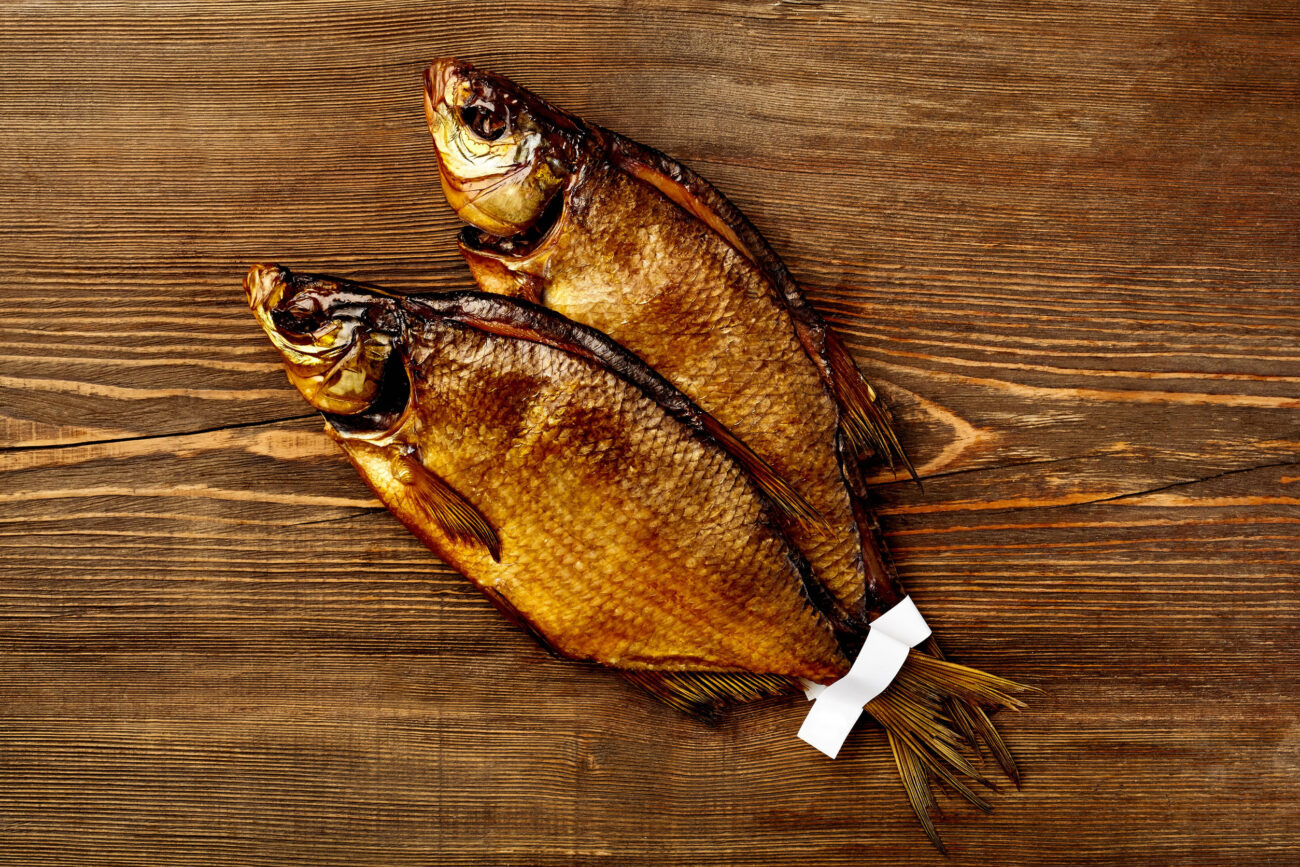
Which Smoked Fish Is Being Recalled?
The recall covers all lots of the company’s cold-smoked sprats, not just one specific batch.
The fish was sold in bulk cardboard boxes and shipped refrigerated. It may also have been frozen for up to a year, so some customers could still have it stored in a freezer.
The product was distributed to retailers, restaurants, wholesalers, and food service customers in New York, New Jersey, and Pennsylvania. The FDA also warned that it may have reached additional states.
Because the fish was sold in bulk, retailers may have offered it at seafood counters or served it in restaurants without a recognizable retail label. That makes it especially important for shoppers who recently purchased smoked sprats to check with the store or supplier. The FDA’s official recall announcement provides product details and instructions for consumers.
Why Is Botulism Such a Serious Concern?
The frightening part is that contaminated food may look, smell, and taste completely normal.
Botulism is a rare but potentially life-threatening illness caused by a powerful toxin that affects the nervous system. It can interfere with the body’s ability to control muscles and, in severe cases, cause paralysis and difficulty breathing.
The FDA’s inspection found that the company had been producing cold-smoked sprats without required food-safety controls to prevent bacteria from growing and producing toxin.
Cold smoking does not cook fish the way heat-based cooking does. Without appropriate processing and storage controls, the conditions can allow dangerous bacteria to grow. The Centers for Disease Control and Prevention explains that botulism is a medical emergency requiring prompt medical attention.
What Should You Do If You Have Smoked Sprats at Home?
If you suspect your fish came from Haifa Smoked Fish, do not eat it.
The FDA advises consumers who cannot determine whether their smoked sprats came from the company to avoid eating them and either discard the product or contact the place of purchase.
Restaurants, seafood counters, wholesalers, and food service businesses should not sell or serve the affected fish. Carefully clean and sanitize any surfaces or containers that came into contact with it.
If you recently bought smoked sprats from a seafood counter, ask the retailer where they came from. The Food Poison Journal’s report provides further information about the distribution and why the product may be difficult to identify.
Related: How To Avoid Food Poisoning From Rice
What Are the Symptoms of Botulism?
Recognizing the warning signs quickly can make a critical difference.
Symptoms may include blurred or double vision, drooping eyelids, difficulty speaking, difficulty swallowing, muscle weakness, and trouble breathing. Some people may also experience nausea, vomiting, fatigue, or constipation.
Symptoms can begin within hours or take several days to appear. Anyone who has eaten potentially affected fish and develops symptoms associated with botulism should seek immediate medical care.
Botulism can become life-threatening because the toxin can affect the muscles needed for breathing. Early medical treatment is essential.
Why Smoked Fish Recalls Deserve Extra Attention
Smoked fish is popular, but how it is processed matters.
Cold-smoked fish is often enjoyed because of its delicate texture and distinctive flavor. People can serve it with bagels, crackers, salads, or breakfast dishes, making it a convenient option for many households.
However, unlike fish that has been thoroughly cooked, cold-smoked products depend on carefully controlled processing and storage conditions to remain safe.
This recall reminds us that consumers can’t always tell food safety by looking at a product. A fish package may appear fresh and still pose a serious risk.
For anyone who enjoys keeping smoked fish in the refrigerator or freezer, checking recall notices and asking retailers about product origins can help prevent a dangerous mistake.
A Reminder to Check Before You Eat
A quick check could help protect you and your family.
The Haifa Smoked Fish recall highlights the importance of paying attention to food safety alerts, especially when products are sold in bulk or stored for long periods.
If you have cold-smoked sprats in your freezer, check where they came from before serving them. If the supplier is unknown, don’t take the risk.
And remember, this recall does not mean all smoked fish is unsafe. It applies to the specific product sold by Haifa Smoked Fish.
Have you ever checked your freezer or pantry after hearing about a food recall, or do you usually assume a product is safe if it looks and smells normal?