Something special about walking into an American home in the 1990s. The television was enormous, the family phone rang loud enough for everyone to hear, and somewhere in the living room sat a collection of VHS tapes that had probably been watched a hundred times.
It was a decade when technology was changing quickly, but everyday life still felt wonderfully simple. There were no smartphones constantly buzzing, no streaming subscriptions to manage, and no smart speakers answering questions. Instead, homes were filled with gadgets, decorations, and familiar objects that made the decade unforgettable.
Not every household owned all of them, but these eight things were so common in ’90s homes that seeing them today can instantly bring back childhood memories.
A Giant Television That Took Two People to Move
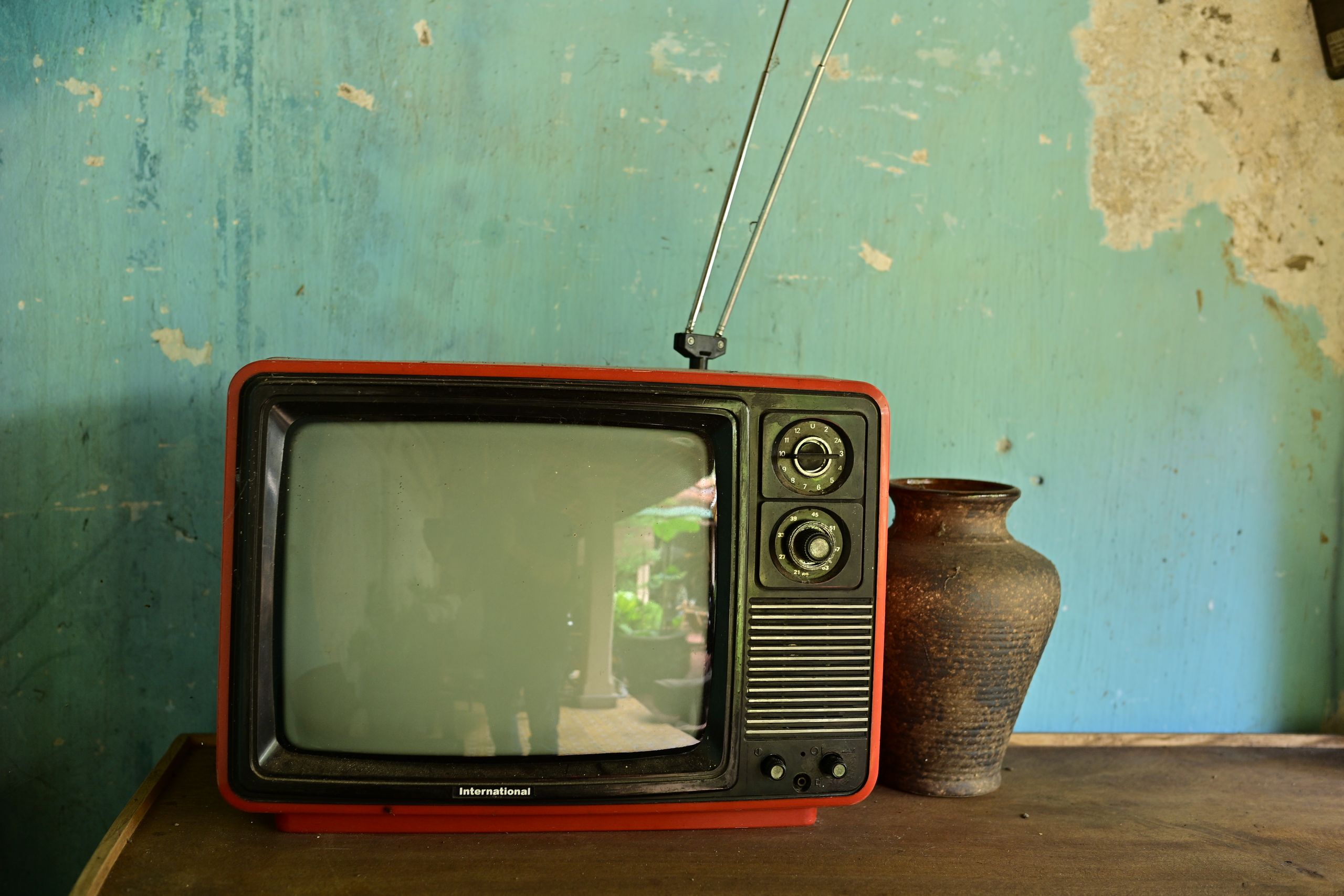
Before flat-screen televisions became popular, the family TV was practically a piece of furniture. These bulky, box-shaped televisions took up entire corners of living rooms and sometimes required two adults to move.
Many families kept their televisions inside large wooden entertainment centers, surrounded by shelves filled with VHS tapes, family photographs, and decorative figurines.
The remote control was another important part of the experience. Losing it meant searching between couch cushions or asking someone to get up and change the channel manually.
And who could forget adjusting the antenna or watching a fuzzy picture suddenly become clear?
According to Oxford University Press’s A Nation Transformed by Information, about 98% of American households owned at least one television by 1995.
Whether families were watching Full House, Family Matters, or Saturday morning cartoons, the television was often the center of household entertainment.
A VCR and a Tower of VHS Tapes
If you grew up in the ’90s, you probably remember the satisfying sound of pushing a VHS tape into a VCR.
Movie nights required a little more effort back then. Families would visit Blockbuster or another neighborhood video rental store, carefully browse the shelves, and hope their favorite movie was available.
Returning rented movies on time was another responsibility, especially when late fees were involved.
At home, VHS tapes often filled cabinets, drawers, and plastic storage cases. Some were professionally labeled movies, while others contained television shows recorded directly from broadcasts.
The biggest frustration was discovering that someone had forgotten to rewind the tape.
By 1995, approximately 81% of U.S. households owned a VCR, showing how central this technology had become to home entertainment.
Today, streaming services provide thousands of movies instantly. But there’s something nostalgic about remembering when choosing a movie meant physically picking up a tape and pressing play.
Related:14 Boomer Habits That Are Making a Comeback
A Landline Telephone With a Long, Tangled Cord
Before everyone carried a phone in their pocket, the household telephone was shared by the entire family.
It usually sat on a kitchen counter, hallway table, or small living room stand. Some households had colorful cordless phones, while others still relied on traditional models with long, curly cords.
Those cords could stretch surprisingly far, allowing someone to walk into another room for a little privacy.
Of course, privacy wasn’t always guaranteed.
Parents could overhear conversations, siblings might interrupt calls, and anyone expecting an important call had to make sure no one else was using the line.
According to the U.S. Census Bureau, 94.8% of American homes had a telephone in 1990.
For teenagers, the telephone was a lifeline to friends. Hours could disappear as they talked about school, crushes, and weekend plans.
And when someone shouted, “Get off the phone!” everyone knew exactly what was happening.
Related:20 Items in Your Parent’s House That Could Be Worth a Lot of Money Today
An Answering Machine With a Blinking Red Light
Long before voicemail became a standard feature on cell phones, answering machines were the household solution for missed calls.
These devices often sat beside the landline telephone, waiting to record messages from relatives, friends, and occasionally telemarketers.
Older machines used small cassette tapes to store recordings, while later models introduced digital technology.
The blinking message light created instant curiosity.
Who called? Was it something important? Did someone leave a funny message?
Families sometimes gathered around to listen to recordings, especially when a distant relative had called while everyone was away.
Recording the outgoing greeting was another memorable experience. Some families kept things professional, while others created elaborate or humorous messages.
The funniest part was hearing someone start talking before realizing the answering machine had picked up.
Today, most people can read a text message whenever they want. Back then, returning home to find a message waiting felt like a small event.
A Stereo System With a Massive CD Collection
Music was a major part of ’90s home life, and no setup felt complete without a stereo system.
Some households had large component systems with separate speakers, cassette decks, CD players, and radio tuners. Others preferred portable boomboxes that could move from the bedroom to the backyard.
People proudly displayed CD collections on shelves or stored them in tall plastic towers.
Buying an album was an experience. You visited a music store, searched through the racks, and carefully selected something worth spending your allowance or paycheck on.
Then came the excitement of opening the case, reading the booklet, and listening to the entire album.
And if your favorite song was on a cassette tape, sometimes you had to rewind repeatedly to hear it again.
Portable CD players were also popular, though they could skip if you moved them too quickly.
Unlike today’s endless digital playlists, ’90s music collections felt personal. Every album had a story, and scratched discs were treated like household emergencies.
A Huge Stack of Magazines and Catalogs
In the 1990s, magazines and shopping catalogs were practically everywhere.
Coffee tables often held stacks of People, Better Homes & Gardens, TV Guide, or whatever publication family members enjoyed.
Catalogs from retailers such as Sears and JCPenney were especially exciting around the holidays.
Children could spend hours flipping through toy sections, circling favorite items, and creating Christmas wish lists.
Adults used catalogs to browse furniture, clothing, appliances, and home decorations without leaving the couch.
Turning actual pages, folding down corners, and discovering products you didn’t know existed felt satisfying.
Magazines also offered decorating inspiration, recipes, celebrity news, and practical household advice.
Unlike today’s online shopping experience, browsing catalogs wasn’t always about buying something immediately. Sometimes it was simply entertainment.
And when a fresh holiday catalog arrived in the mailbox, it could keep the whole family occupied for an afternoon.
Artificial Plants and Decorative Silk Flowers
Home decorating trends in the 1990s had their own personality.
Artificial plants, particularly silk flower arrangements and imitation ficus trees, were popular decorative choices for living rooms, hallways, and dining areas.
They appeared on coffee tables, fireplace mantels, and above kitchen cabinets.
Many arrangements featured oversized flowers, thick greenery, and decorative baskets that matched the room’s color scheme.
Some homes embraced pastel colors, floral wallpaper, and coordinated curtains, while others favored darker wood furniture and brass accents.
The advantage of artificial greenery was simple: it required no watering or sunlight.
Of course, keeping the leaves dust-free was another story.
Looking back, these decorations might seem old-fashioned compared with today’s minimalist interiors. But they helped give many ’90s homes their warm, comfortable, lived-in feeling.
If you remember a fake plant sitting beside the television or collecting dust above the kitchen cabinets, you’re definitely not alone.
A Family Photo Album Filled With Printed Pictures
Perhaps nothing captures the spirit of a ’90s home better than an old-fashioned family photo album.
Before smartphones made photography effortless, families relied on film cameras and disposable cameras to capture special moments.
Taking photographs required patience because you couldn’t immediately see whether the picture turned out well.
After finishing a roll of film, someone had to take it to a photo-processing counter and wait for the pictures to be developed.
The resulting photographs were placed into albums, envelopes, or shoeboxes.
Many families had albums dedicated to birthdays, vacations, school events, holidays, and ordinary afternoons.
Some photos featured red eyes, blurry faces, or someone’s thumb accidentally covering part of the picture.
But those imperfections made the memories even more meaningful.
Sitting together and flipping through printed photographs was a shared experience. Parents told stories, children laughed at old hairstyles, and everyone remembered moments they had nearly forgotten.
Today, thousands of pictures can live inside a single phone, but there’s still something special about holding a printed photograph.
Why ’90s Homes Still Feel So Special
The 1990s weren’t necessarily better or easier than today, but they represented a different relationship with everyday technology.
Entertainment required physical objects, conversations often happened through a shared household telephone, and memories were preserved in albums rather than cloud storage.
Even ordinary activities, such as renting a movie, buying a CD, or browsing a holiday catalog, became experiences people looked forward to.
These familiar household items remind us that nostalgia isn’t always about expensive possessions or major historical events. Sometimes it’s about the small details that made a house feel like home.
A bulky television, a tangled phone cord, or an old photo album can bring back an entire chapter of someone’s life.
And while modern technology has made many things more convenient, those everyday ’90s experiences remain unforgettable for the people who lived through them.
Other Posts You Might Like:
10 Everyday Items Boomers Refused to Replace Until They Wore Out
8 Household Items Baby Boomers Keep That Gen Z Would Never Purchase