A person can live as if nothing is wrong while something dangerous is already developing inside the body. They can go to work, cook dinner, answer messages, laugh with family, and ignore the small warning signs that feel too inconvenient to investigate. Cancer can be terrifying because it does not always enter life loudly. Sometimes it grows quietly while people keep calling their symptoms stress, age, or bad luck.
The hard truth is that there are many ways you could get cancer and die from it. Some involve habits people repeat for years, like smoking, drinking heavily, or tanning without protection. Others involve infections, family history, chemical exposure, obesity, skipped screenings, or symptoms that get ignored until the disease has already spread. The danger often sits in the delay between risk and action.
This article is not meant to diagnose anyone or make every ache feel like a disaster. Cancer can happen even to people who made careful choices, and many people survive cancer because of early detection and better treatment. Still, denial is not a health plan. If something feels wrong, keeps coming back, or changes suddenly, it deserves medical attention.
The numbers are serious enough to demand respect. More than 2.1 million new cancer cases and over 626,000 cancer deaths are projected in the United States in 2026, based on annual cancer statistics. That does not mean people should live scared. It means people should stop treating known cancer pathways like distant stories that only happen to someone else.
Smoking Until Lung Cancer Takes Over
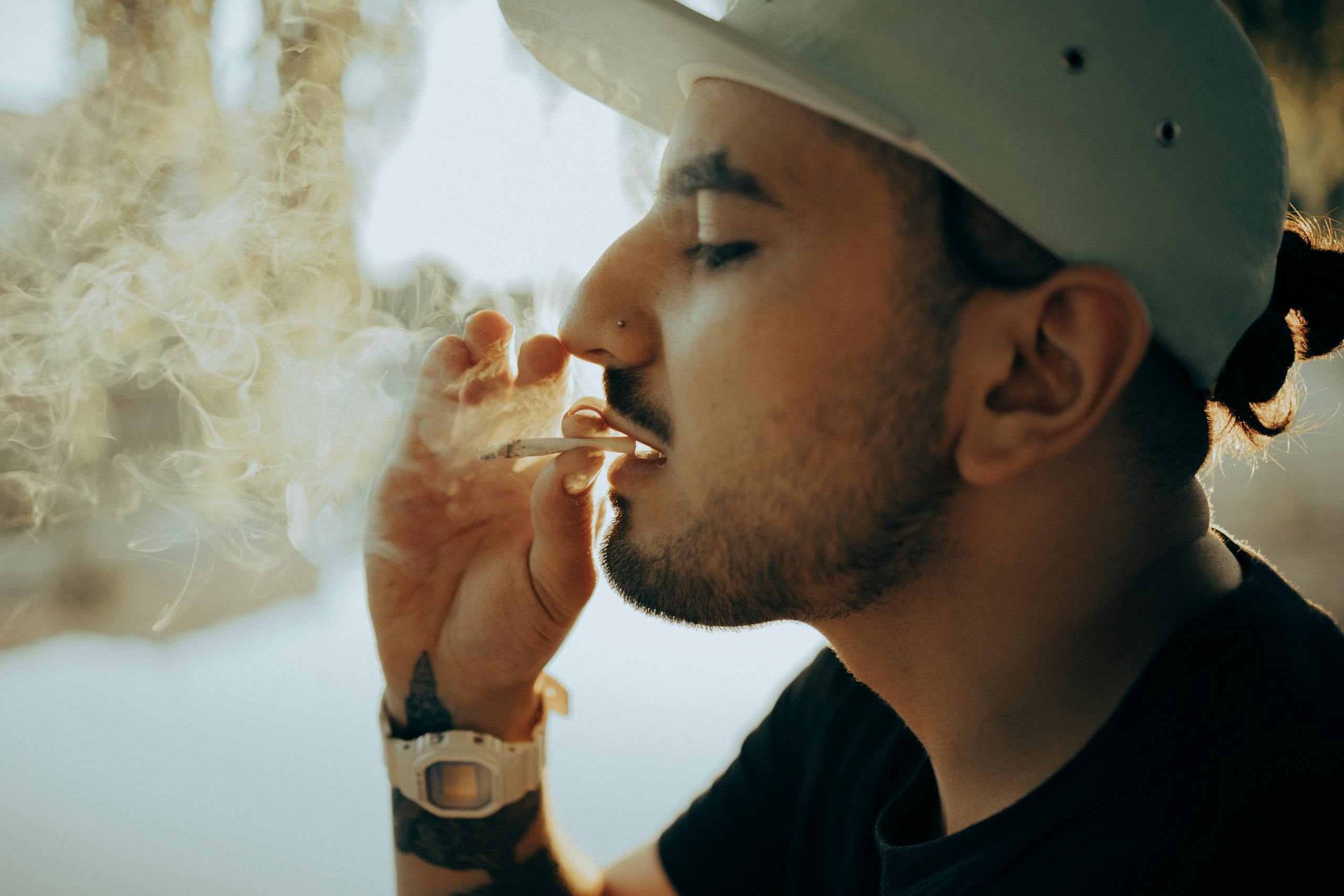
Smoking is one of the most direct ways a person can get cancer and die from it. Cigarettes expose the body to toxic chemicals that can damage cells again and again until some of those cells begin growing out of control. Lung cancer is the most obvious fear, but tobacco is also linked to cancers of the mouth, throat, bladder, pancreas, kidney, cervix, and other parts of the body. The habit may feel familiar, but the damage is not imaginary.
The deadly part is how long smoking can seem manageable before the bill arrives. A cough gets dismissed, breathing gets harder, weight drops, or chest pain appears after years of warning signs being ignored. Cigarette smoking is linked to about 80 percent to 90 percent of lung cancer deaths in the United States, according to the Centers for Disease Control and Prevention. By the time many people take the danger seriously, cancer may already be advanced.
Drinking Heavily Until Cancer Becomes the Hidden Cost
Alcohol is often treated like a normal part of adult life. People drink to celebrate, relax, socialize, cope, flirt, grieve, or take the edge off a stressful week. That familiarity can make the link to cancer easier to ignore. Alcohol is associated with several cancers, including cancers of the mouth, throat, voice box, esophagus, liver, colon, rectum, and breast.
This is one of the ways you could get cancer because the habit hides behind culture. A drink at dinner, a weekend binge, or a nightly routine may not feel dangerous in the moment. The body does not judge the reason for drinking; it responds to the exposure over time. What feels socially acceptable can still become biologically costly.
Letting HPV Go Unchecked Until It Leads to Cancer
Human papillomavirus is common, and many infections clear without causing serious problems. The danger is that some high-risk types can linger and lead to cancer years later. HPV is linked to cervical cancer and can also cause cancers of the throat, anus, penis, vagina, and vulva. That makes it one of the most misunderstood cancer pathways because people often think of it only as a temporary infection.
The fatal risk can grow when vaccination, testing, follow-up care, or treatment for abnormal results is delayed. Health agencies list HPV among important cancer risk factors, along with tobacco, alcohol, obesity, and family history. The problem is not that every HPV infection becomes cancer. The problem is that ignoring prevention and screening can give dangerous changes time to develop.
Burning Your Skin Year After Year

Sun damage can look harmless when it fades into a tan, a peel, or a forgotten beach memory. But ultraviolet radiation can damage skin cells, and repeated exposure can raise the risk of skin cancer. The danger often starts with small changes: a mole darkens, a patch bleeds, a spot grows, or a sore refuses to heal. Too many people wait because the skin change does not feel urgent enough.
Skin cancer can become deadly when aggressive forms spread beyond the skin. Melanoma is especially serious because it can move to the lymph nodes or other organs if not found early. Tanning beds can also pose a risk, especially for younger people who see a darker glow as beauty rather than damage. A changing spot should never have to become frightening before someone takes it seriously.
Breathing Radon or Toxic Air Without Knowing It
Not every cancer pathway comes from an obvious habit. Some risks hide in the places people live and work. Radon gas can build up inside homes, especially in basements or other lower levels, and people may breathe it for years without noticing. Long-term exposure can raise lung cancer risk, especially for smokers.
Workplaces can also expose people to asbestos, diesel exhaust, industrial chemicals, silica dust, or other cancer-linked substances. The dark part is that these risks can feel invisible until years later. A person may think they are simply doing their job or living in a normal house. Then the exposure becomes part of a diagnosis that feels like it came from nowhere.
Ignoring Family History Until the Pattern Repeats
Family history does not mean someone is doomed to get cancer, but it can raise the stakes. If close relatives had breast, ovarian, colon, prostate, pancreatic, or other cancers, especially at younger ages, that history may matter. Some people avoid the conversation because it feels scary or because older relatives never talked openly about diagnoses. Silence can leave the next generation unprepared.
This becomes dangerous when people ignore patterns that could affect screening, genetic counseling, or prevention choices. A family history may mean someone needs earlier or different testing than the general population. The problem is not having relatives who have had cancer. The problem is pretending that information has no value until a doctor asks about it during a crisis.
Carrying Excess Weight Until the Body Starts Paying for It

Weight is often discussed in cruel or shallow ways, which makes people defensive or ashamed. But the cancer conversation is not about appearance. Excess body weight is linked to a higher risk of several cancers, including cancers of the breast after menopause, colon and rectum, uterus, kidney, liver, pancreas, and others. The issue is biology, not vanity.
The danger is that weight-related cancer risk does not feel immediate. A person may be busy with work, children, caregiving, bills, and exhaustion while the body carries long-term stress. Obesity can affect hormones, inflammation, insulin, and other processes that may help cancer develop. Nobody should be shamed, but nobody should be told the risk is meaningless either.
Skipping Screenings Until Cancer Is Found Too Late
Screenings exist because some cancers can be found before they cause symptoms. Mammograms, colonoscopies, Pap tests, HPV tests, lung cancer screenings, and skin checks can catch problems earlier when treatment may work better. The trouble is that many people delay them because they are busy, afraid, uninsured, embarrassed, or tired of dealing with medical bills. Waiting feels easier until the waiting becomes the problem.
This is one of the most tragic ways cancer can turn deadly. A person may feel perfectly fine while abnormal cells are already growing. Screening recommendations depend on age, sex, risk factors, family history, and medical advice, but the principle is simple. Finding cancer late can shrink the options, while finding it early can sometimes change the outcome.
Brushing Off Warning Signs Until Cancer Spreads
Many people do notice symptoms, then explain them away. Blood in stool becomes “probably hemorrhoids.” A lump becomes “probably nothing.” A cough becomes “allergies.” Weight loss becomes “stress.” Fatigue becomes “getting older.” Sometimes those explanations are correct, but at other times they are dangerously wrong.
Cancer can become harder to treat when warning signs are ignored until the disease spreads. Possible warning signs can include unusual bleeding, persistent cough, unexplained weight loss, skin changes, trouble swallowing, ongoing pain, bowel changes, bladder changes, a lump, or severe fatigue. The National Cancer Institute lists possible cancer symptoms that deserve attention when they persist. Fear may delay the appointment, but delay can make the fear come true.
Letting Cancer Spread Before Treatment Begins
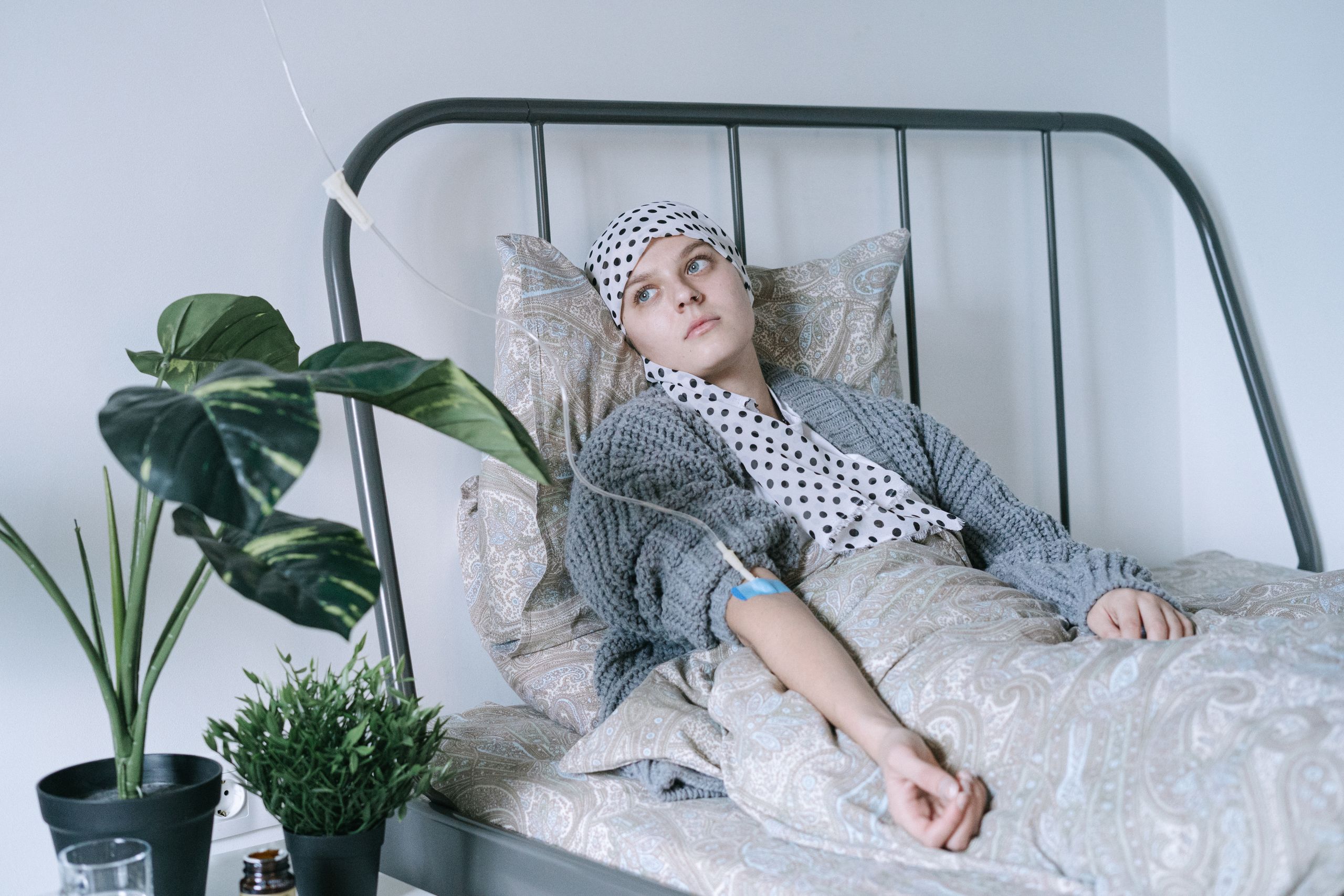
Cancer becomes much more dangerous when it spreads from its original location to other parts of the body. This is called metastasis, and it can affect places like the bones, liver, lungs, brain, or lymph nodes, depending on the cancer type. Once cancer spreads, treatment often becomes harder, longer, and less certain. The focus may shift from curing the disease to controlling it and extending life.
Metastatic cancer can cause different symptoms depending on where it travels, such as bone pain, breathing problems, seizures, dizziness, jaundice, or swelling. Information on metastatic cancer signs explains how cancer can move through the body and create new tumors. This is why early action matters. Cancer is easier to fight before it has had time to claim more territory.
Conclusion
There are many ways you could get cancer and die from it, and that is exactly why the topic should not be softened into vague wellness advice. Smoking, alcohol, HPV, sun damage, toxic exposure, family history, excess weight, missed screenings, ignored symptoms, and delayed treatment can all become part of a deadly chain. None of them guarantees cancer, but each one can raise the danger or make the disease harder to catch in time.
The point is not to blame every cancer patient. Cancer can strike people who did everything right, and nobody deserves shame for becoming sick. But it is also dangerous to pretend risk does not matter. Some habits can be changed, some exposures reduced, some tests scheduled, and some symptoms checked before they become emergencies.
Cancer is frightening because it can be quiet, patient, and ruthless when given time. The smartest response is not panic. It is attention, action, and the courage to stop explaining away the warning signs. Which of these cancer pathways do you think people ignore the longest?