Americans still love candy, but something is changing at the checkout aisle, and chocolate makers are starting to feel the pressure.
Remember when grabbing a chocolate bar at the grocery store was an easy little treat that barely required a second thought? These days, shoppers are paying closer attention to prices, package sizes, and what goes into their favorite sweets. That familiar chocolate bar might cost more than it used to, and the smaller package in your hand may no longer feel like a bargain.
Here is where things get interesting. Candy sales are not necessarily falling across the board. In the United States, confectionery sales have continued to grow in dollar terms, but consumers are buying fewer individual units and less candy by weight. According to industry data FoodNavigator reported in May 2026, chocolate sales volumes have declined even as prices push overall sales revenue higher. So, what is making shoppers rethink their sweet tooth?
Chocolate Is Becoming a More Expensive Little Luxury
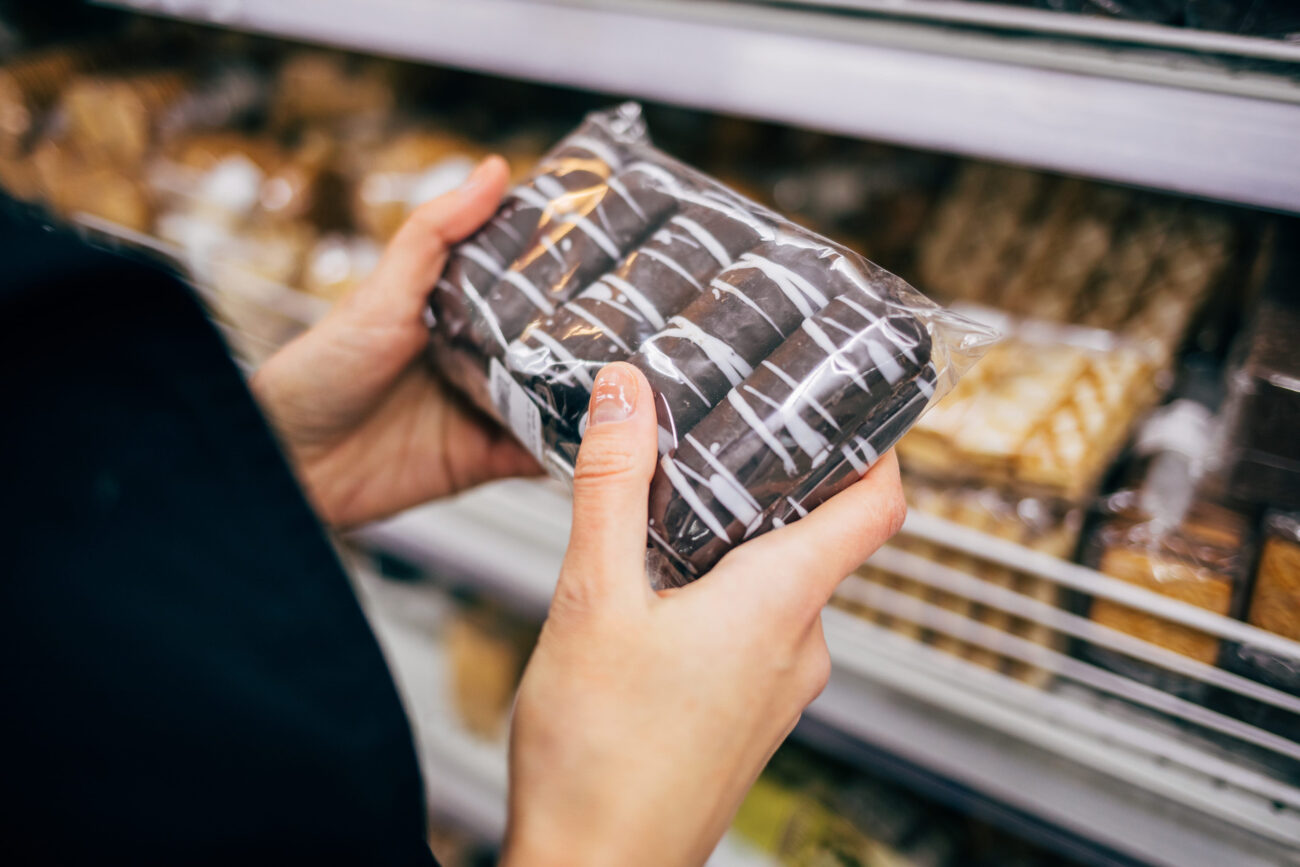
That familiar chocolate bar is competing with more than just other candy brands.
Chocolate has traditionally occupied a special place in the grocery basket because it feels like an affordable indulgence. You might skip an expensive restaurant meal but still treat yourself to a favorite candy bar after a long day.
However, higher cocoa costs have pressured chocolate manufacturers, driving up retail prices and changing product sizes. Even when shoppers can still afford their favorite brands, they may decide that buying them as frequently no longer makes sense.
Industry figures reported in 2026 show just how significant the change has been. Chocolate unit sales declined 12.4% between 2021 and 2025, while sales volume by weight dropped 11.4%, according to data cited by FoodNavigator.
That does not mean everyone has stopped buying chocolate. Instead, some shoppers may be buying fewer bars, choosing smaller packages, or waiting for promotions before stocking up.
Shoppers Are Discovering Alternatives to Chocolate
When chocolate gets expensive, other sweets suddenly look much more tempting.
Walk down the candy aisle, and you will find plenty of alternatives competing for attention. Gummies, sour candies, hard candies, chewy sweets, and novelty treats offer different flavors and textures without relying on cocoa.
These alternatives are gaining ground. According to the same industry report, non-chocolate candy accounted for 40.9% of confectionery dollar sales in 2025, up from 32.6% in 2011.
Younger shoppers are also helping drive interest in unusual textures, sour flavors, and products that deliver a playful experience. Sometimes, the appeal is less about buying a traditional sweet and more about trying something new.
That shift is creating opportunities for candy makers willing to experiment with unexpected flavors and eye-catching products. Chocolate remains popular, but it no longer holds the same unquestioned position across the entire candy aisle.
Smaller Packages Do Not Always Mean Better Value
A candy bar can look affordable until you realize how little chocolate you are getting for your money.
Manufacturers sometimes respond to rising production costs by adjusting package sizes rather than increasing prices dramatically. This practice, commonly called shrinkflation, can leave consumers paying a similar amount for less product.
For shoppers, the difference becomes clearer when comparing prices by weight rather than simply looking at the price tag. A smaller package might fit a tight budget today, but it may offer less value per ounce.
Chocolate makers face their own challenges in balancing product sizes, prices, and customer expectations. Raise prices too much, and shoppers may switch brands. Reduce package sizes too noticeably, and loyal customers may feel disappointed.
The result is a delicate balancing act between maintaining profits and keeping products attractive to increasingly price-conscious consumers.
Health-Conscious Habits Are Changing the Candy Conversation
Some shoppers are not just watching their wallets; they are also reconsidering how often they reach for sweets.
Consumers have become more interested in ingredient lists, sugar content, portion sizes, and products that fit their personal eating habits. That doesn’t mean everyone is abandoning candy, but it can influence what people choose and how often they buy it.
For some, the answer is smaller portions. Others may choose sugar-free alternatives or enjoy candy mainly during holidays and special occasions.
The National Confectioners Association continues to emphasize chocolate and candy’s role in celebrations and everyday enjoyment. Its October 2026 report found that more than nine in ten consumers purchase seasonal chocolate or candy at least once a year.
Candy Companies Must Give Shoppers a Reason to Buy
When people become choosier, familiar brands cannot rely on nostalgia alone.
Candy manufacturers are responding with new flavors, limited-edition products, seasonal packaging, and treats designed to create excitement. Halloween remains particularly important because candy plays a central role in trick-or-treating, parties, and family traditions.
Recent reporting from the Associated Press indicates that US holiday retail spending is still expected to grow in 2026, although inflation accounts for a significant portion of the projected increase. That broader retail picture suggests consumers are still spending, but higher prices can make the growth look stronger than the actual increase in the number of products purchased.
For candy makers, the challenge is balancing innovation with affordability. A new flavor might attract curious shoppers, but the product still needs to deliver enough value to encourage repeat purchases.
Related: 10 Candy Bars From the ’70s That Disappeared but Never Left Americans’ Memories
The Sweet Bottom Line
Americans are not necessarily falling out of love with candy; they may simply be changing how they buy it.
Higher prices, smaller packages, shifting tastes, and greater attention to ingredients are reshaping the confectionery market. Chocolate still has a loyal following, while gummies, sour sweets, and novelty products are finding new fans.
For consumers, the smartest approach is to compare package sizes, watch for promotions, and choose treats that fit both their preferences and their budgets. For manufacturers, the message is equally clear: to keep customers interested, offer products that feel worth the money.
After all, a little sweetness can still brighten an ordinary day. The question is whether shoppers believe their favorite treat is worth the price.
Now tell us: have you been buying less chocolate because of rising prices, or have you switched to gummies, sour candy, or another sweet instead?