Beach days in the 1980s had their own rhythm. Nobody arrived with a phone, a ring light, a Bluetooth speaker, or a portable charger the size of a sandwich. We packed for comfort, food, music, games, sun, and memory making, then trusted the day to unfold on its own.
The 1980s beach bag was practical, colorful, and slightly chaotic. It carried towels with loud patterns, sandwiches wrapped in foil, sunscreen that smelled like coconut, paperback novels with bent corners, and toys that could keep children busy for hours.
Looking back, the magic was not just in the items themselves. It was in the way those items forced people to talk, play, wait, share, and live fully inside one sunny afternoon.
Cassette Tapes Were the Original Custom Summer Playlist
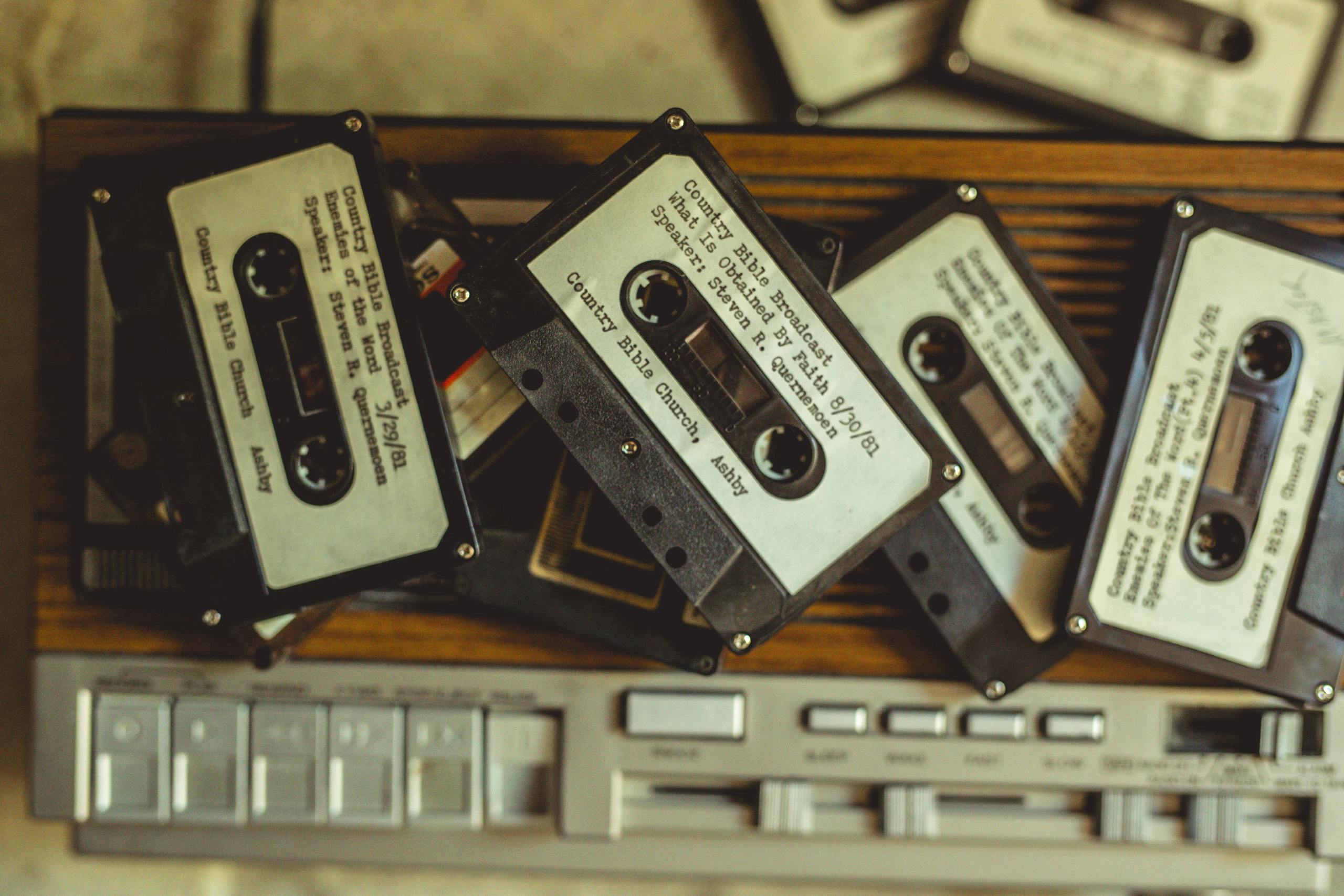
Cassette tapes were precious cargo in the 1980s beach bag. A carefully chosen tape could shape the mood of the whole outing, especially if someone had made a mixtape at home. These tapes usually carried pop hits, rock favorites, dance tracks, or radio recorded songs with imperfect timing and a bit of DJ chatter at the beginning. That made them personal in a way modern playlists rarely feel.
The best part was the ceremony of choosing what to play next. People flipped through plastic cases, argued over favorite artists, and rewound songs with the kind of patience that now feels almost heroic. A cassette could melt in the heat, get swallowed by the player, or run out right when the best part of the day began. Still, that risk gave the music character. Every beach soundtrack felt handmade.
The Family Cooler Was the Center of the Whole Operation
No 1980s beach day felt complete without a packed cooler. It was usually heavy, awkward to carry, and deeply important.
Inside were sandwiches, soda cans, juice boxes, fruit, boiled eggs, chips, cookies, and maybe something wrapped in foil that tasted better after hours in the sun than it had any right to taste. The cooler was not just a storage box. It was the lunch counter, refreshment stand, and family gathering point.
Opening the cooler had its own drama. Children hovered nearby. Adults warned everyone not to leave the lid open. Someone always dug through the ice looking for the coldest soda. Unlike today’s beach trips, where food trucks, delivery apps, and nearby restaurants are easy options, families often planned the meal before leaving home. That preparation made the beach day feel like an event, not a casual stop
Soda Cans and Juice Boxes Felt Like Small Vacation Luxuries
A cold can of soda from the cooler was a major beach day reward in the 1980s. After hours of swimming, running, and digging in the sand, that fizzy first sip felt almost ceremonial. Children often got juice boxes or small drink cartons, and adults guarded the best drinks from being taken too early. The cooler had a hierarchy, and everyone knew it.
These drinks also captured the decade’s flavor. Bright packaging, sugary choices, and simple branding made them feel fun before anyone worried much about wellness trends. Nobody was tracking hydration with an app. Parents simply told children to drink something before going back into the water. The beach day ran on instinct, appetite, and whatever had been packed before the family left the house.
Beach Balls Added Instant Chaos to the Water
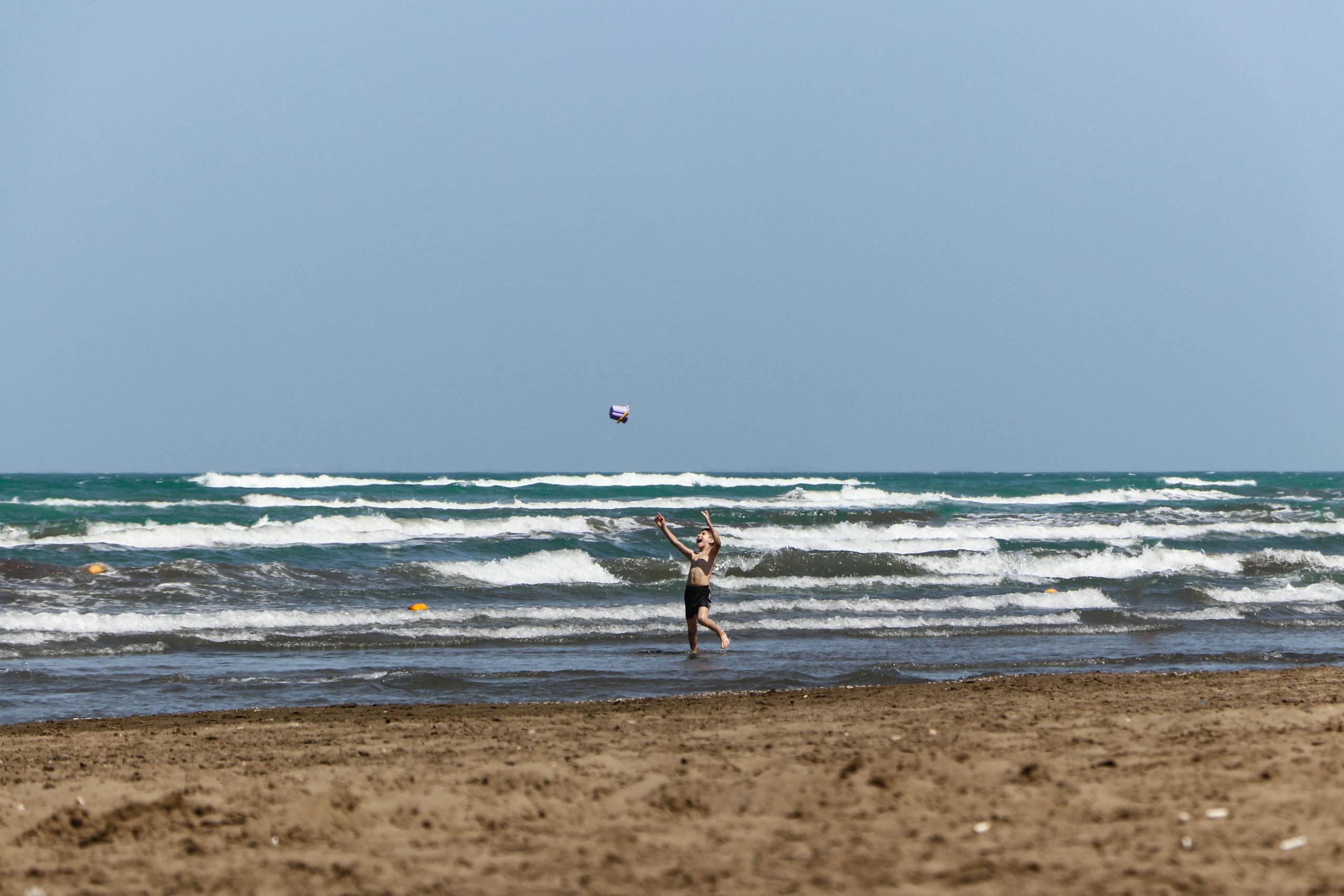
The inflatable beach ball was bright, cheap, and impossible to control in the wind. That was part of its appeal. Children batted it across the water, adults joined in for a few minutes, and someone always had to retrieve it after a wave or gust sent it drifting away. It was the kind of toy that made a game happen without rules, teams, or planning.
Beach balls also photographed beautifully, which mattered even before social media. Their bright colors gave family albums that unmistakable summer look. They floated beside children in shallow water, bounced across crowded sand, and created playful interruptions throughout the day. In the 1980s, a beach ball did not need to be clever or high-tech. It only needed air, sun, and people willing to play.
Sunscreen Had a Coconut Scent Everyone Still Remembers
Sunscreen was part of the 1980s beach ritual, though the culture around sun protection was very different from today. Parents smeared it onto their children’s noses, shoulders, cheeks, and backs before the children ran impatiently toward the water. The scent often leaned tropical, sweet, and coconut heavy, making it one of the most powerful smell memories of summer.
At the same time, tanning culture was huge. Many people wanted a deep bronze glow, and some treated sun exposure as part of the beach experience. Baby oil appeared in beach bags too, especially among those chasing a darker tan. Looking back, that contrast says a lot about the decade. People were becoming more aware of sun care, but the golden tan ideal still had a strong grip on summer style.
Baby Oil Represented the Risky Side of 1980s Tanning Culture.
Baby oil was one of the most recognizable but questionable beach items of the era. For many teens and adults, it was not packed for skin care in the gentle sense. It was used to intensify tanning, creating that glossy, sunbaked look associated with old beach movies, magazine spreads, and poolside glamour. The smell, shine, and ritual became part of 1980s summer identity.
Today, the baby oil tanning habit looks like a warning sign from another time. It reminds us how much beach culture has changed, especially around skin health and long-term sun damage. Still, nostalgia does not erase reality. The item belongs on the list because it captures the decade’s look and attitude perfectly. The 1980s beach day was carefree, colorful, and sometimes dangerously confident.
Paperback Books Made the Beach Feel Slower

Before readers and endless scrolling, paperback books were common beach companions. A good beach book could be a romance novel, mystery, celebrity biography, thriller, or whatever paperback had been passed around the family. Sand got into the spine. Pages bent in the breeze. Covers faded in the sun. Nobody expected the book to stay perfect.
Reading on the beach created a slower kind of pleasure. People paused between swims, stretched out on towels, and disappeared into a story while waves moved in the background. Unlike phones, books did not drag readers into constant notifications. They offered escape without interruption. That made them perfect for the 1980s beach mood, where long afternoons were allowed to feel long.
Disposable Cameras Made Every Photo Count
Disposable cameras brought a special kind of excitement to beach memories in the 1980s and early 1990s. Unlike phones, they offered a limited number of shots. That meant every photo had to matter. Families posed near the water, children held up sandcastles, teenagers tried to look effortless, and parents snapped pictures without knowing if anyone had blinked.
The best part came later. The film had to be developed, so the beach day lived as a mystery for days or weeks. When the photos finally came back, they were imperfect in the most lovable ways. A thumb might cover the corner. The horizon might lean. Someone might be mid-sneeze. Those flaws made the pictures feel alive. Disposable cameras captured memories without turning the entire day into a performance.
Folding Chairs Gave Adults Their Beach Headquarters
Folding beach chairs were practical, colorful, and sometimes uncomfortable in a very specific way. They sat low to the ground, collected sand in every joint, and required a certain technique to exit gracefully. Still, they gave adults a place to watch the water, drink from the cooler, read magazines, and talk with other grown ups while children played nearby.
The chair was also a status item of comfort. Some families brought basic aluminum-frame chairs with woven straps. Others had loungers that reclined, cup holders before cup holders became standard, or matching sets that made the beach setup look organized. Once the chairs were arranged around the cooler and umbrella, the family’s base camp was officially open.
Beach Umbrellas Created the Family Command Center
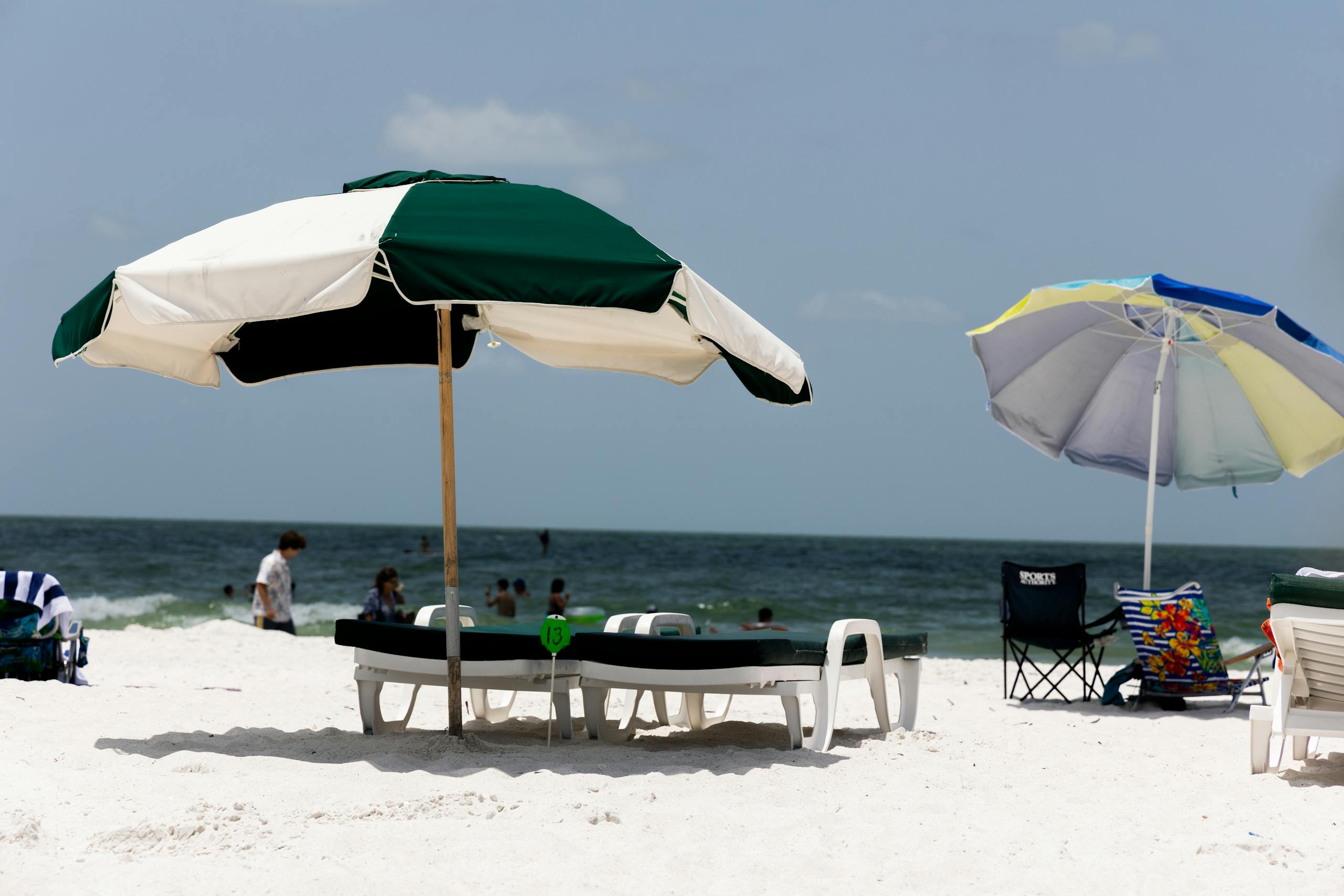
The beach umbrella was one of the most important items in the 1980s beach setup. It provided shade, marked the family’s spot, protected food from direct sun, and gave everyone a place to return after swimming. Setting it up could become a full production. Someone dug the hole. Someone twisted the pole. Someone warned that it was leaning. Everyone hoped a strong gust would not send it flying.
Once secured, the umbrella became the center of the day. Towels are spread around it. Chairs faced the water. The cooler sat close enough to reach. Children checked in, then ran back out. The umbrella gave structure to an otherwise loose and lazy afternoon. It made a patch of public sand feel like a temporary home.
Conclusion
The classic 1980s beach packing list tells a bigger story about summer before digital life took over. We brought radios instead of streaming apps, disposable cameras instead of phone galleries, paperback books instead of endless feeds, and coolers full of homemade food instead of delivery orders. The items were simple, but they made the day feel full.
That is why the old beach bag still matters. It reminds us that a great beach day does not need constant technology, perfect photos, or expensive gear. Sometimes it only needs music in the air, cold drinks in the cooler, a towel in the sand, a few people willing to play, and enough sunlight to make the whole day feel larger than life.