Picture walking into an American home in 1961. The television has a pair of metal antennas sticking out of the top, the telephone hangs on the kitchen wall, and a coffee pot makes a familiar bubbling sound on the stove.
No smartphones, streaming services, or voice-controlled appliances. Instead, everyday life revolves around objects that require turning handles, pushing buttons, pulling levers, and sometimes a little patience.
For people who grew up around 1961, many of these household essentials bring back memories of Saturday chores, family dinners, and evenings gathered around the television. Younger generations might recognize a few, but others could leave them scratching their heads.
Ready for a little nostalgia? See how many of these ten household objects you remember, and whether you can explain what they were used for.
The Rotary Dial Telephone
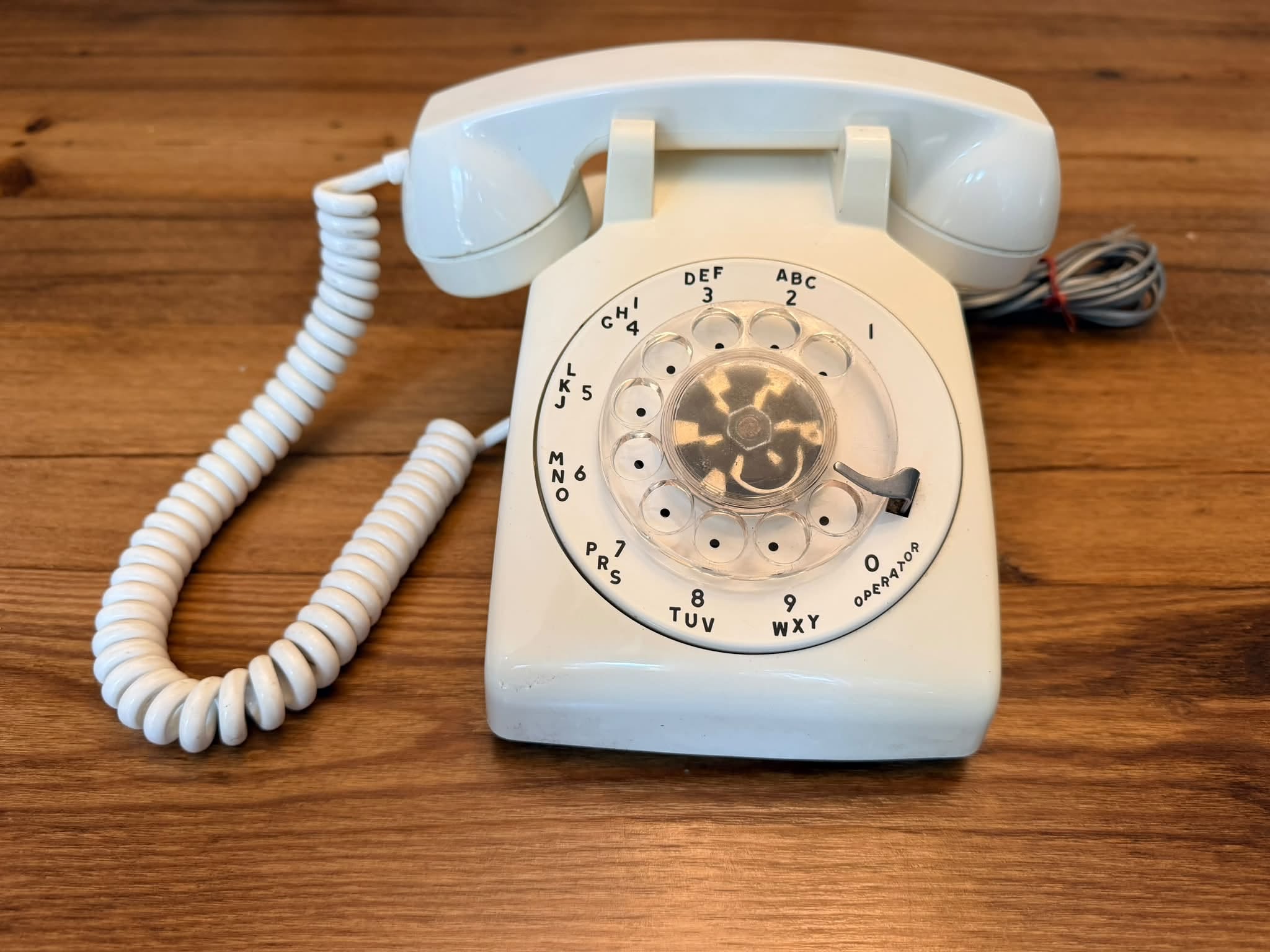
Remember when calling someone required using your entire finger instead of tapping a screen?
The rotary telephone was a familiar sight in American homes during the early 1960s. It featured a circular dial with numbered holes, a heavy handset, and a cord that always seemed to get tangled.
To make a call, you placed your finger in the correct hole, rotated the dial to the metal stop, and released it. Then you repeated the process for every remaining digit.
Dialing a long number took patience, especially when you made a mistake near the end.
Some families also shared party lines with neighboring households, meaning another family might be using the telephone when you wanted to make a call.
Today, rotary phones are mostly collectibles, but their distinctive ringing sound remains unforgettable.
The Rabbit Ear Television Antenna
If you remember someone shouting, “Don’t move! The picture is perfect!” you probably know this household object.
Rabbit ears were indoor television antennas consisting of two adjustable metal rods.
They usually sat on top of the television, although their position could vary.
Getting a clear picture sometimes required stretching the rods, changing their angles, or moving the entire antenna.
One person would adjust the equipment while another watched the screen and reported whether the picture improved.
Those rabbit ears were part of the viewing experience for many families before cable and digital television changed everything.
The Stove-Top Coffee Percolator
Long before coffee pods and programmable machines became common, many Americans started their mornings with a percolator.
This distinctive coffee pot often featured a small glass knob on its lid.
As water heated, it traveled upward through a tube and flowed over coffee grounds before returning to the pot.
The process repeated as the coffee brewed.
That gentle bubbling sound became part of the morning routine in countless kitchens.
Some people believed they could judge the strength of their coffee by watching the liquid bubble through the glass knob.
Unlike modern automatic machines, traditional stove-top percolators required someone to monitor the brewing process.
And if the coffee stayed on too long, it could develop a particularly strong, bitter taste.
The Metal Ice Cube Tray With a Lever
Today’s refrigerators often make ice automatically, but that wasn’t always the case.
Older metal ice cube trays were surprisingly hands-on.
These trays typically featured aluminum compartments and a mechanical lever that helped release frozen cubes.
Once the water froze, you pulled the lever to loosen the ice from the metal dividers.
Sometimes the cubes released easily. Other times, you had to wrestle with the tray.
The metal could also feel unpleasantly cold against your fingers.
Still, there was something satisfying about hearing the cubes crack loose.
Modern plastic and silicone trays have largely replaced these lever-operated versions, while automatic ice makers eliminate the need for trays in some kitchens.
The Wringer Washing Machine
Imagine doing laundry without a modern washing machine that automatically handles everything from washing to spinning.
That’s where the wringer washer comes in.
These machines featured a washing tub and two large rollers mounted above or beside it.
After washing the clothes, someone fed them between the rollers to squeeze out excess water.
The process required attention because fingers, loose clothing, or fabric could become caught in the moving rollers.
Wringer washers remained familiar to many households during the early 1960s, although automatic washing machines were becoming increasingly popular.
For anyone who remembers helping with laundry, the sight of those two rollers might bring back some vivid memories.
The S&H Green Stamps Book
Here’s one that might bring back memories of grocery shopping with your parents.
Before supermarket apps and digital reward points, many American families collected S&H Green Stamps.
Participating grocery stores, gas stations, and other businesses handed out stamps based on purchases.
Families saved them in special booklets, carefully attaching each stamp to the pages.
Once enough books were filled, they could be exchanged for merchandise such as kitchenware, household goods, and other prizes.
For children, licking and sticking the stamps could become a household chore.
For parents, those little green squares represented the chance to bring home something useful without paying for it directly.
The Folding Metal TV Tray
Dinner in front of the television might seem completely ordinary today, but TV trays once felt like an exciting household convenience.
These lightweight tables featured removable or attached metal tops supported by folding legs.
Many came decorated with flowers, colorful patterns, or cheerful designs.
Families could unfold them in the living room, enjoy dinner while watching their favorite programs, and store them afterward.
The museum connects their popularity with the rise of television and frozen TV dinners.
Some families kept matching sets of four on a special storage rack.
And if you remember balancing a plate of food while trying not to knock over your drink, you probably know these trays very well.
The Family Slide Projector
Before vacation photos appeared instantly on phones, sharing family pictures could become an entire evening’s entertainment.
A slide projector was a popular way to display photographs on a wall or portable screen.
Families loaded small photographic transparencies into a projector, dimmed the room, and gathered to watch.
Pictures of birthdays, weddings, holidays, and road trips appeared one after another.
Some projectors used circular slide trays, while others required different loading systems.
Usually, one person operated the machine while another explained when and where each photograph was taken.
Occasionally, a slide appeared upside down or backward, creating an unexpected laugh.
Today, digital photo albums make sharing pictures much easier, but they rarely recreate the atmosphere of a family slide-show night.
The Manual Carpet Sweeper
Not every home-cleaning tool needed electricity.
The manual carpet sweeper was a simple device featuring a long handle, a low rolling body, and rotating brushes underneath.
As someone pushed it across the carpet, the movement swept crumbs, dust, and small debris into a collection compartment.
Unlike a vacuum cleaner, it didn’t require an electrical outlet.
It was especially convenient for quick cleanups when someone didn’t want to bring out a heavier machine.
The quiet operation was another advantage.
Although manual carpet sweepers are still available, powerful upright and cordless vacuum cleaners have become more familiar choices in many modern homes.
If you remember the gentle rattling sound of a carpet sweeper rolling across the living room floor, this one probably takes you straight back.
The Tupperware Bowl That Needed Burping
Here’s a household object that came with its own unusual instructions.
Early Tupperware bowls became famous for their flexible plastic construction and tightly fitting lids.
However, to seal the lid properly, you needed a special technique known as burping.
Users pressed the lid into position and released excess air to create a secure seal.
Neighbors and friends gathered to watch demonstrations, examine colorful containers, and place orders.
For many American households, these bowls became familiar refrigerator companions.
Their bright colors, distinctive lids, and unusual sealing method made them memorable kitchen essentials.
How Many Did You Recognize?
These ten objects tell a story about everyday American life around 1961, when household tasks often involved more hands-on effort and family entertainment looked very different.
Some items, like Tupperware bowls and carpet sweepers, are still around. Others have become nostalgic collectibles or museum pieces.
Recognizing all ten doesn’t necessarily mean you grew up in 1961. But if you remember using most of them, you’ve experienced a chapter of American household history that younger generations may know only from old movies and family stories.
So, how many did you recognize? And which forgotten household object would you love to see make a comeback?