A federal judge has temporarily stopped New York’s attempt to restrict how immigration agents operate, reigniting a national debate over government transparency, officer safety, and the limits of state power over federal enforcement.
A federal judge has issued a preliminary injunction blocking key parts of a New York law that sought to prevent federal immigration agents from wearing masks during enforcement operations and required them to display identification. The ruling represents a major setback for state officials who argued the restrictions were necessary to protect residents’ rights and increase accountability during immigration actions.
The decision also highlights a deeper conflict between state governments and federal authorities over immigration enforcement. While New York officials said the law was designed to ensure people could identify federal agents during encounters, opponents argued that the state was interfering with federal responsibilities and potentially placing immigration officers at risk.
The New York law targeted masked federal immigration operations
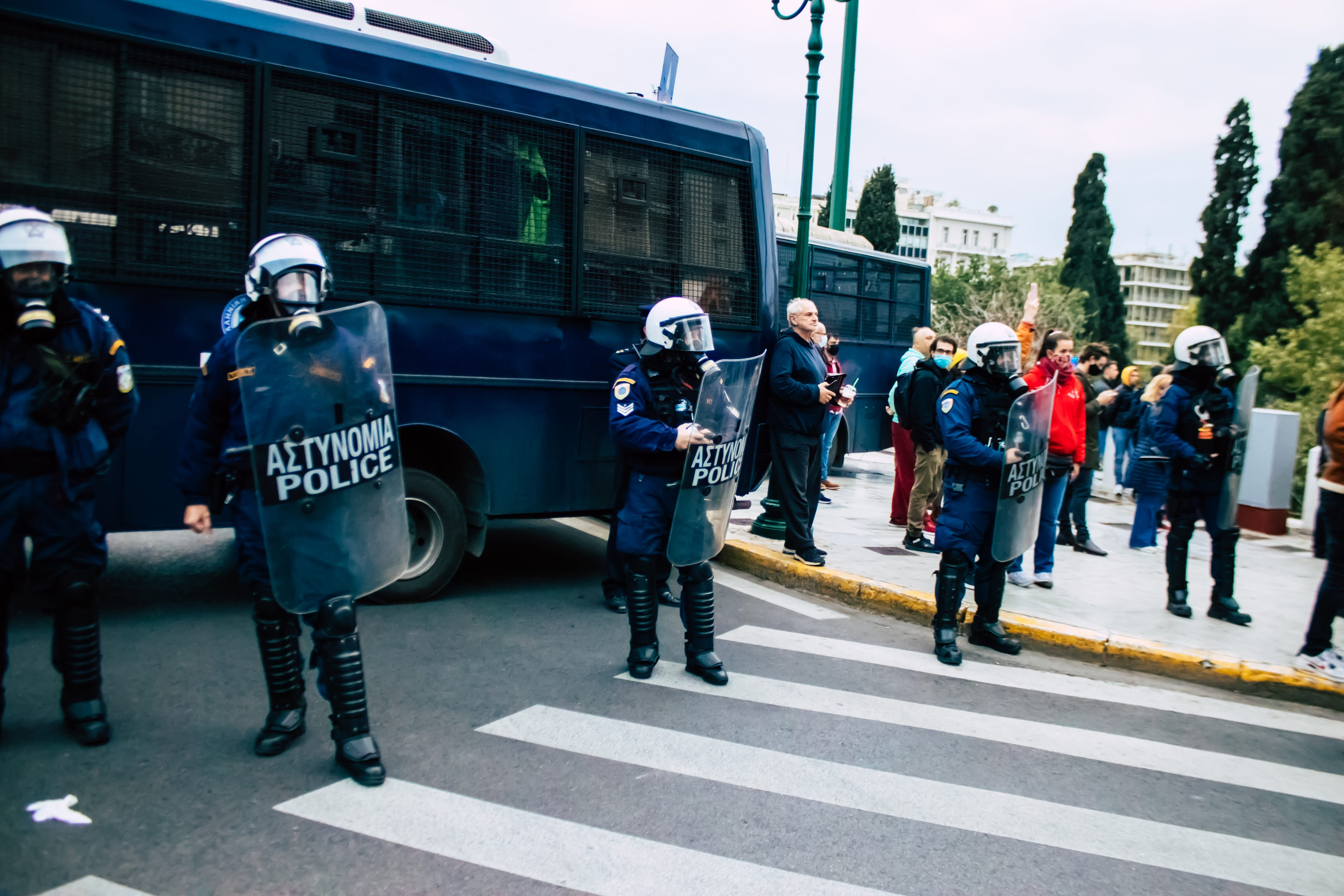
The New York legislation was passed amid growing concerns about immigration enforcement tactics, particularly operations involving agents whose identities were concealed. Supporters of the law argued that requiring visible identification would help residents distinguish legitimate federal officers from individuals impersonating law enforcement.
The measure also addressed the use of face coverings by federal immigration agents. Lawmakers supporting the restrictions said masks could make it difficult for individuals and communities to hold officers accountable when disputes or allegations of misconduct arise.
However, federal officials challenged the law, arguing that New York could not impose additional requirements on federal immigration personnel carrying out their duties. The legal challenge claimed the state restrictions interfered with federal authority over immigration enforcement.
The judge’s preliminary injunction means the law cannot be fully enforced while the broader legal case continues. A preliminary injunction does not represent a final ruling on the law’s constitutionality, but it signals that the court found significant legal concerns that warranted temporarily blocking enforcement.
Judge raises questions about state interference with federal authority

At the center of the legal dispute is the balance between state power and federal authority. Immigration enforcement has traditionally been handled by the federal government, with agencies such as Immigration and Customs Enforcement (ICE) responsible for carrying out federal immigration laws.
The judge’s ruling reflects concerns that states may face constitutional limits when attempting to regulate federal officers performing official duties. Federal officials argued that restrictions on masks and identification could affect agents’ ability to safely conduct operations.
Law enforcement agencies often cite security concerns when officers conceal their identities during certain operations. Officials argue that immigration agents can face threats, harassment, or retaliation because of their work, making protective measures important.
Critics of masked operations, however, argue that transparency is essential when government agents interact with the public. They say residents should be able to identify officers and verify their authority, especially during high-stakes immigration encounters.
The case now moves forward as courts examine whether New York crossed the line between protecting residents and interfering with federal responsibilities.
Supporters defend transparency while critics warn about officer safety
The debate surrounding the law reflects a broader national disagreement over immigration enforcement. Supporters of New York’s position argue that government accountability should remain a priority, especially during operations that can dramatically affect people’s lives.
They point to concerns about confusion during immigration raids and encounters, saying identification requirements could help prevent abuse and improve public trust. For immigrant communities, encounters with federal agents can create fear and uncertainty, making transparency a major issue.
Opponents counter that immigration agents require operational flexibility. They argue that forcing officers to remove masks or display identifying information could expose them to unnecessary risks, especially during sensitive investigations.
Federal authorities have maintained that agents already operate under internal rules and oversight systems designed to regulate their conduct. They argue that additional state-level restrictions create complications for federal agencies working across different jurisdictions.
The disagreement has become part of a larger political battle over immigration policy, with states taking different approaches depending on their priorities and political leadership.
The ruling could have national implications
Although the decision directly affects New York’s law, the outcome could influence similar debates across the country. Other states and local governments have also considered policies aimed at increasing transparency in federal immigration enforcement.
The case raises important questions about how far states can go when attempting to regulate federal officers. If courts ultimately side with federal officials, it could limit states’ ability to impose their own rules on immigration operations.
If New York eventually succeeds, it could encourage other states to pursue similar measures aimed at increasing oversight of federal enforcement activities.
The issue also comes at a time when immigration remains one of the most politically sensitive topics in the United States. Questions about border security, deportation policies, and federal enforcement practices continue to shape elections and public debate.
For now, the judge’s injunction pauses New York’s restrictions while the courts consider the larger constitutional questions. The final outcome could determine not only the future of this law but also the broader relationship between states and federal immigration authorities.
The battle over masks and identification is ultimately about more than appearance. It represents a clash between two competing ideas: the demand for greater government transparency and the need to protect federal officers carrying out difficult and often controversial duties. As the legal fight continues, the decision could become a significant chapter in the ongoing national debate over immigration enforcement and government accountability.