The hardest part of eating in New Orleans is leaving room for the next meal.
A sandwich can become the afternoon’s main event. A bowl of gumbo can persuade you to sit down when you intended to keep walking. Dessert deserves its own opening in the schedule.
These eight foods offer a starting point, not a complete definition of the city’s cooking. New Orleans has more to explore than any short list can hold, and familiar dishes can differ from one kitchen to another.
Spread the choices across your visit. Enjoy each dish on its own terms rather than treating the city like a checklist to finish before your flight.
Beignets
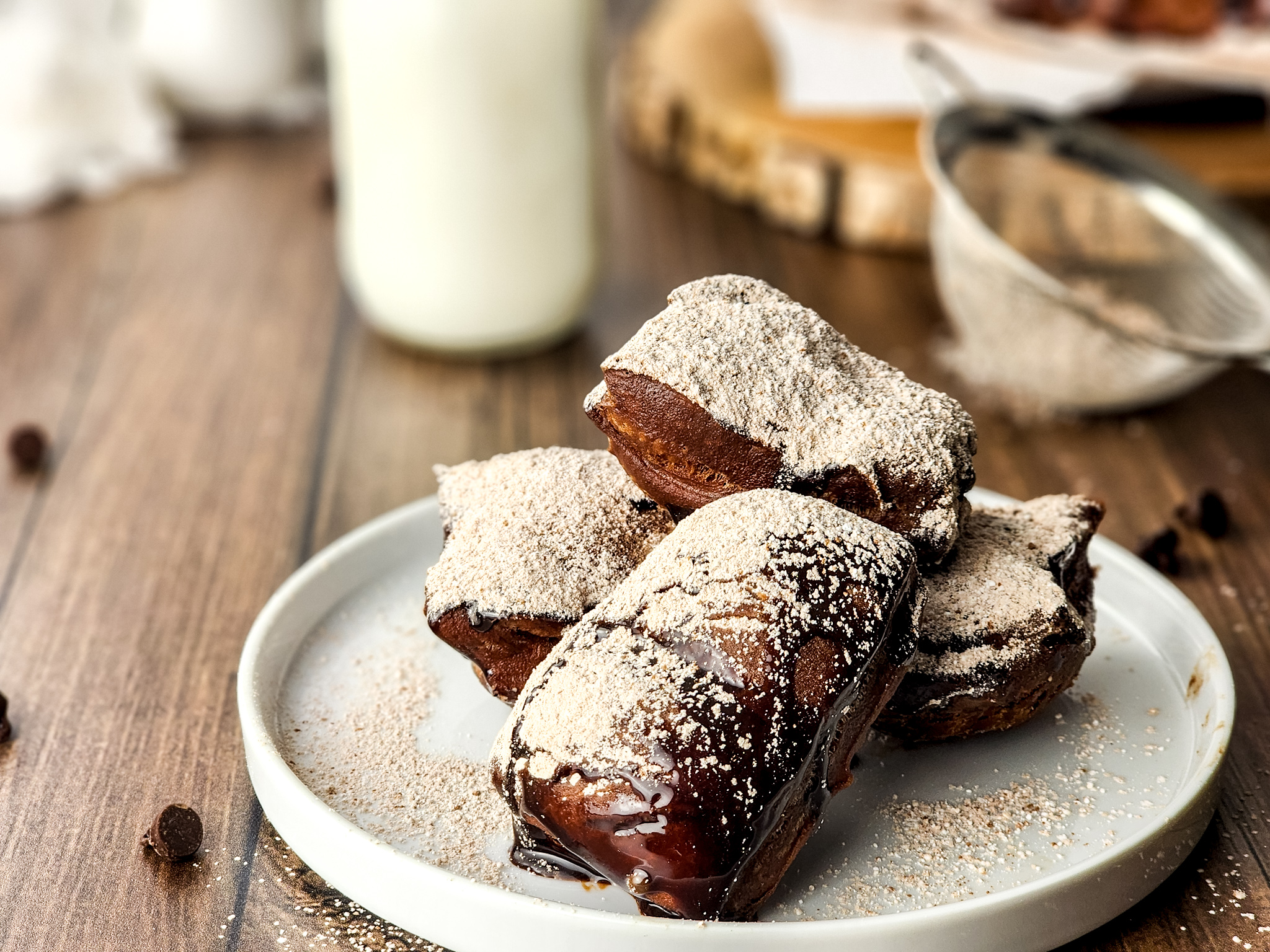
Begin with something that makes neat eating a questionable ambition.
Beignets are fried squares of dough covered with powdered sugar. At Café du Monde, they arrive three to an order, as the pastry description confirms.
The appeal is direct: a simple shape, a fried exterior and a generous snowy finish. That version has no elaborate filling to decode.
Give them an unhurried stop rather than squeezing them between appointments. A plate of beignets is a good reason to sit down and let the trip begin, whether it is your first morning or your last afternoon.
Gumbo
Gumbo is a useful reminder that a dish’s name doesn’t tell you everything about the bowl in front of you.
New Orleans restaurants serve different versions, so read the description instead of assuming every gumbo has the same ingredients. The kitchen you choose matters as much as the decision to order it.
For a first encounter, focus on the bowl instead of immediately turning it into a contest over the city’s definitive version.
Gumbo appears throughout local dining coverage because it belongs to the city’s established food vocabulary. Trying it gives you a starting point for noticing differences, not a final answer about how it must taste.
Po’ Boys
A po’ boy provides another kind of introduction: New Orleans in sandwich form.
The city’s tourism guide describes po’ boys as filled and sauced sandwiches served on French bread. Local dining coverage highlights versions with fried shrimp, fried oysters, and roast beef.
Choose the filling that interests you, then pay attention to how the bread, filling, and sauce work together.
You may be asked whether you want the sandwich “dressed.” Ask what that means at the counter rather than guessing. A brief conversation is more useful than ordering out of habit and discovering you missed a choice you would have enjoyed.
Muffulettas
The muffuletta takes the sandwich in a different direction.
Cured meats, cheese, and olive dressing make up the combination described in the city’s guide to traditional New Orleans foods. That olive component is part of the sandwich’s identity, not an incidental garnish.
It clearly contrasts with a po’ boy, making both worth considering during a visit.
Related: 7 Restaurant Chains Americans Love the Most
Check the portion size before ordering, especially when your day includes another food stop. The point is to enjoy the combination, not to prove that one person can finish every sandwich on the itinerary.
Red Beans and Rice
Red beans and rice belongs on this list because it doesn’t need to feel like a special-occasion order.
New Orleans recognizes it as a Monday tradition. That connection gives the dish a place in the city’s weekly rhythm, not just on a visitor’s list of famous foods.
If your trip includes a Monday, check the day’s offerings; if it doesn’t, check the regular menu instead.
Let this be an opportunity to notice a less theatrical part of the meal. A straightforward plate can be memorable without a dramatic presentation or an origin story.
Jambalaya
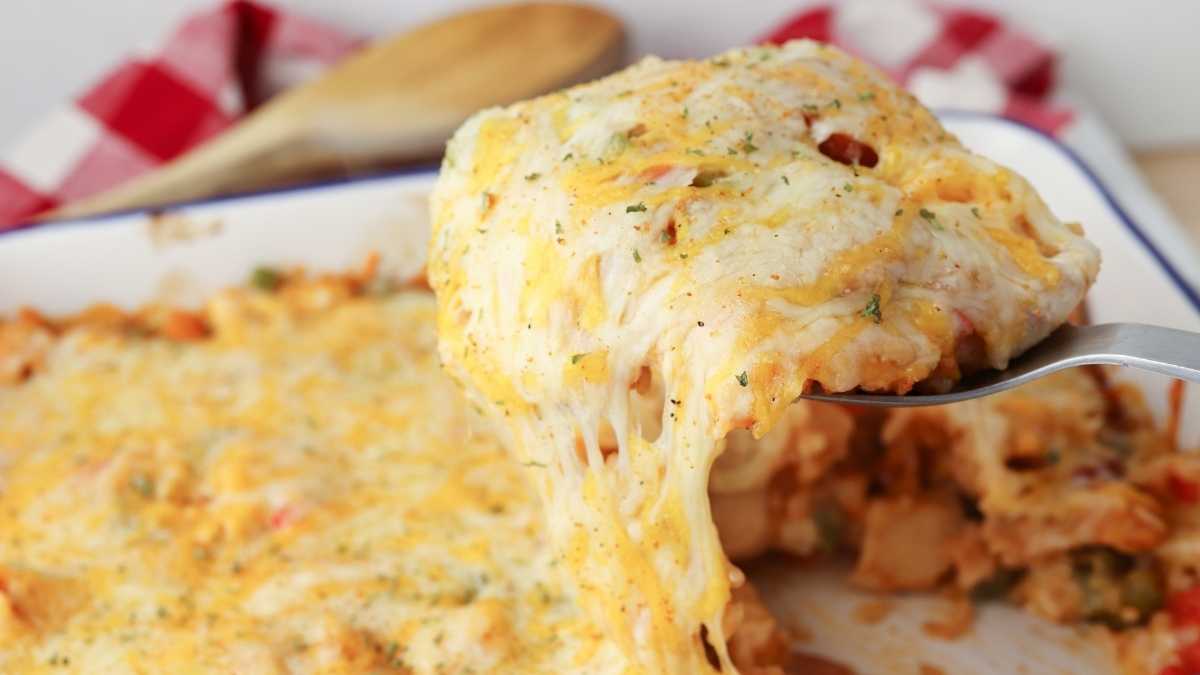
Jambalaya deserves its own order rather than being treated as another name for gumbo.
The city’s tourism guide identifies it as a traditional rice dish. When choosing between them, read the preparation and ingredient descriptions so the decision reflects what you actually want to eat.
Different menus offer different combinations. Ask questions if the listing is brief, and leave room in your plans to encounter another version later.
Trying jambalaya alongside the other savory dishes broadens the visit. It adds another format to the table instead of making every meal a sandwich or a bowl of gumbo.
Oysters
Oysters offer several ways to explore New Orleans dining, from fried preparations to chargrilled oysters on the half shell. The city’s guide to local oyster dishes outlines those options. Look closely at the preparation and accompaniments before deciding what to order.
Choose a preparation deliberately. An oyster inside a po’ boy and an oyster ordered as its own dish create different experiences.
Look beyond the word “oysters” to the menu’s actual description. The preparation, accompaniments, and serving format tell you more about the order than the ingredient’s reputation alone.
Bananas Foster
Leave one opening for a dessert with a New Orleans restaurant connection.
Bananas Foster is associated with Brennan’s, where local dining coverage describes a flambéed tableside presentation. That makes it a distinct finish after the powdered-sugar simplicity of beignets.
If the presentation matters to you, confirm how the restaurant currently serves it. A familiar dish name doesn’t guarantee the same experience everywhere.
Treat dessert as a planned stop, not something you consider only after an already ambitious meal. Give it room to become part of the visit rather than an opportunity you keep postponing.
Leave With a Favorite, Not Just a Completed List
Check current menus and hours, make reservations where needed, and let your plans change when something catches your attention.
These eight foods offer a way into the city, not a rulebook for enjoying it. Which would you try first, and which might become the dish you find yourself talking about long after you leave?