Kidney damage rarely arrives like a siren in the street. It often moves quietly, tucked inside ordinary routines like salty takeout, skipped water, late nights, extra painkillers, and “just one more” energy drink. That quietness is exactly what makes kidney health so easy to ignore until the body starts sending stronger signals.
The kidneys filter about half a cup of blood every minute, removing waste and extra fluid through urine. Chronic kidney disease also remains widely underdiagnosed, with CDC estimates showing that 14% of U.S. adults have CKD, and about 87% of adults with CKD do not know they have it. That makes kidney protection less about fear and more about small daily decisions that keep pressure, blood sugar, fluid balance, and waste removal under control.
Taking Painkillers Too Often Without Medical Guidance
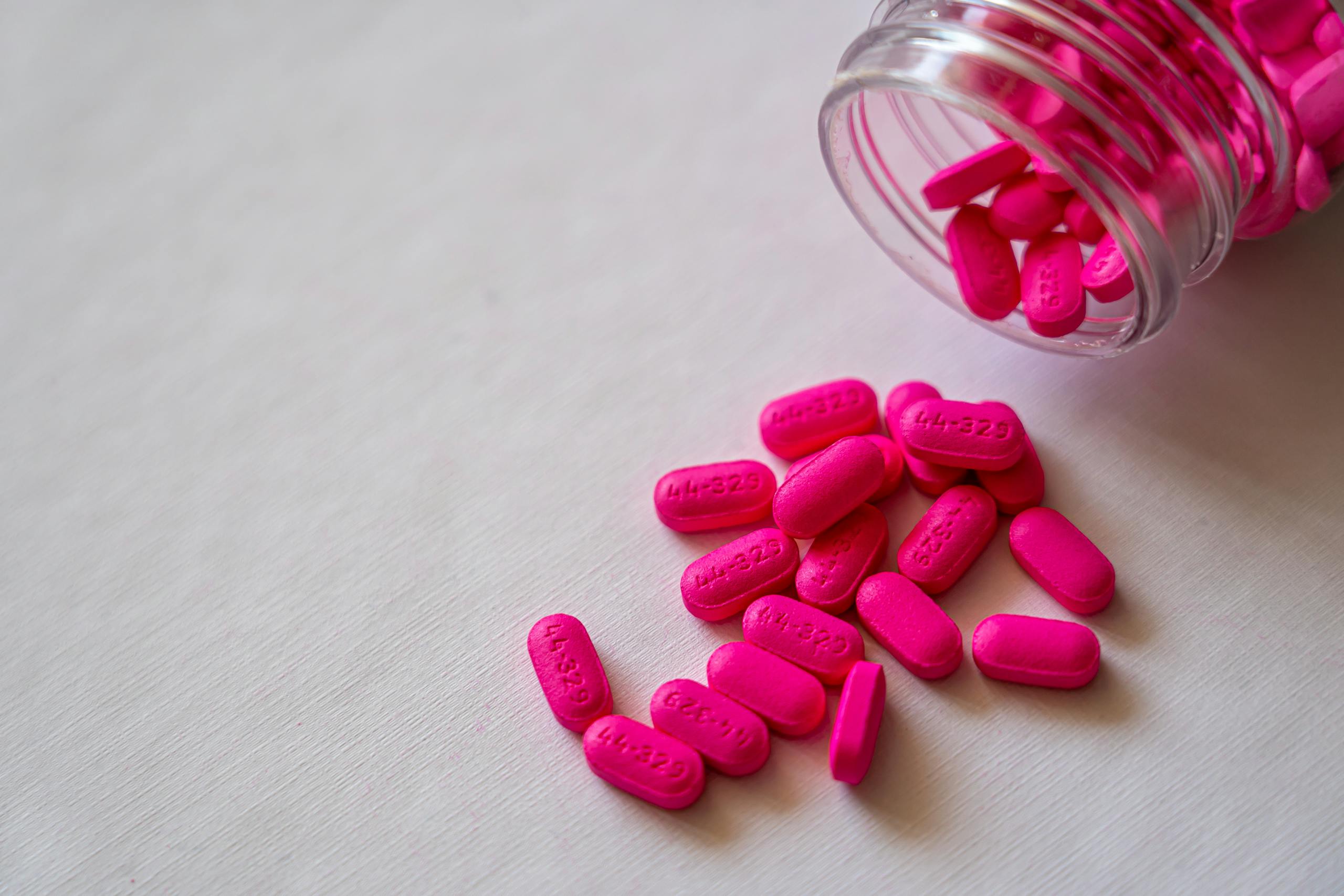
Over-the-counter painkillers can feel harmless because they sit on pharmacy shelves beside toothpaste and cough drops. The kidney risk comes mostly from frequent or heavy use of NSAIDs such as ibuprofen and naproxen, especially in people who are older, dehydrated, living with high blood pressure, using diuretics, or already dealing with kidney disease. Relief matters, but repeated self-medication can quietly stress kidney blood flow.
The FDA warns that NSAIDs are widely used and can significantly disrupt blood flow to the kidneys in high-risk patients, potentially triggering community-acquired acute kidney injury. That risk becomes more concerning when someone takes NSAIDs during illness, vomiting, diarrhea, heavy sweating, or poor fluid intake.
We should treat recurring pain as a signal, not just a nuisance to silence. Headaches, back pain, joint pain, and menstrual pain may need safer long-term strategies, especially if painkillers are becoming a weekly habit. Anyone with kidney disease, high blood pressure, diabetes, heart disease, or regular prescription medication use should ask a clinician before relying on NSAIDs.
Eating Too Much Salt From Packaged and Restaurant Foods

Salt does not only come from the shaker. It hides in soups, deli meats, chips, frozen meals, sauces, fast food, pizza, canned foods, and restaurant portions that taste normal because the American palate has been trained to expect sodium. The kidneys help balance sodium and fluid, so a high-salt routine can increase fluid retention and raise blood pressure.
The American Heart Association recommends no more than 2,300 milligrams of sodium per day, with an ideal limit of no more than 1,500 milligrams for most adults. It also notes that more than 70% of sodium in the American diet comes from packaged, prepared, and restaurant foods rather than the salt shaker. www.heart.org
High blood pressure and kidney disease feed each other in a dangerous loop. NIDDK explains that high blood pressure can narrow and damage blood vessels in the kidneys, reducing their ability to remove waste and extra fluid. Extra fluid can then raise blood pressure even more, creating a cycle that pushes kidney function in the wrong direction.
Ignoring High Blood Pressure Because It Feels Normal
High blood pressure is one of the most damaging kidney threats because it can feel like nothing. We can be working, driving, cooking, and scrolling through the phone with blood pressure running high in the background. By the time symptoms appear, damage may already be advanced.
NIDDK lists high blood pressure as the second leading cause of kidney failure in the United States after diabetes. It also notes that early chronic kidney disease may have no symptoms, making testing and blood pressure monitoring important for people at risk.
The kidney-friendly move is regular monitoring, especially for adults with family history, diabetes, obesity, smoking history, or high-salt diets. A home blood pressure cuff can make patterns visible, but repeated high readings should lead to medical follow-up. We protect kidneys by treating blood pressure as a number worth knowing, not a problem reserved for older people.
Holding Urine for Long Periods
Holding urine once during a traffic jam is not the issue. Turning it into a routine can create trouble. When we keep delaying bathroom breaks, the bladder holds urine longer, and bacteria get more time to multiply. That can raise the risk of bladder infection, and untreated bladder infections can spread upward.
NIDDK states that bladder infections are commonly caused by bacteria that enter the bladder and multiply. If untreated, a bladder infection can develop into a kidney infection.
The better habit is boring but protective. We should use the bathroom when the body gives the signal, drink enough fluids to keep urine moving, and take burning, urgency, pelvic pain, cloudy urine, fever, or back pain seriously. Kidney infections need prompt care because they can become serious if ignored.
Sleeping Too Little and Calling It Discipline
Modern life often rewards the person who sleeps last and wakes first. That mindset may look productive on the outside, but the kidneys do not run on motivational quotes. Poor sleep can worsen blood pressure, glucose control, inflammation, appetite, and stress hormones, all of which matter for long-term kidney health.
Research on sleep and kidney outcomes is still developing, but evidence links poor sleep quality with higher CKD risk in some adult populations. A Frontiers in Public Health study found that participants reporting poor sleep quality several days per week had higher odds of developing CKD, and the authors connected sleep disruption with metabolic and blood pressure pathways that can affect kidney function. Frontiers
We should stop treating sleep as leftover time. A kidney-friendly routine means consistent sleep hours, reduced late caffeine, darker rooms, fewer bedtime screens, and medical evaluation for loud snoring or possible sleep apnea. Sleep is not a luxury habit. It is maintenance work for blood vessels, hormones, and organs.
Drinking Sugary Beverages Every Day
Sugary drinks are easy to underestimate because they go down quickly. Soda, sweet tea, sports drinks, energy drinks, flavored coffees, fruit drinks, and sweetened waters can add large amounts of sugar without making us feel full. The kidney concern is partly indirect but serious because sugary drinks are linked with weight gain, type 2 diabetes, heart disease, and gout.
The CDC identifies sugar-sweetened beverages as leading sources of added sugars in the American diet and links frequent intake with weight gain, obesity, type 2 diabetes, heart disease, non-alcoholic liver disease, tooth decay, and gout. Diabetes and high blood pressure are the most common causes of CKD in adults, so daily sugar-drink habits can push kidney risk through the metabolic back door.
A 2024 UK Biobank analysis also linked higher intake of sugar-sweetened beverages and artificially sweetened beverages with elevated CKD risk, with part of the association mediated through metabolic syndrome. That does not mean one soda ruins the kidneys, but it does make daily sweet drinks a poor default.
Overdoing Caffeine and Energy Drinks

Coffee is not the villain many old health myths made it out to be. Moderate coffee can fit into a healthy lifestyle, and some research even suggests coffee and caffeine may reduce kidney stone risk. The problem begins when caffeine becomes excessive, especially through energy drinks, oversized coffees, pre-workout powders, and late-day stimulants that also wreck sleep.
The FDA cites 400 milligrams of caffeine per day as an amount not generally associated with negative effects for most adults, though sensitivity varies. It also lists high blood pressure, insomnia, anxiety, palpitations, and dehydration among problems that can occur with too much caffeine, especially in children and teens.
For kidney health, caffeine is best treated like a tool, not a personality trait. We can keep coffee moderate, avoid stacking it with energy drinks, drink water alongside it, and stop using caffeine to cover up chronic sleep deprivation. People with high blood pressure, heart rhythm issues, pregnancy, anxiety disorders, or kidney disease should be more cautious.
Eating Too Much Animal Protein Without Balance
Protein is essential, but more is not always better. High-protein eating patterns can be useful for some goals, yet constant large portions of meat, eggs, seafood, and protein supplements may create extra waste products that the kidneys must filter. For people with kidney disease or a history of kidney disease, protein choices often need more careful planning.
NIDDK notes that eating animal protein may increase the chance of developing kidney stones, and people with certain stone types may be told to limit animal protein. It also advises people with kidney disease that a health professional may recommend moderate or reduced protein because protein breaks down into waste products filtered by the kidneys.
A safer plate is not protein-free. It is balanced. We can rotate in beans, lentils, tofu, nuts in sensible portions, vegetables, whole grains, and lean proteins instead of building every meal around oversized meat servings. Anyone with CKD should get individualized protein guidance, since too little protein can also cause problems.
Smoking and Vaping Nicotine

Smoking is usually discussed as a lung and heart problem, but the kidneys are part of the same blood-vessel network. Nicotine and tobacco chemicals can narrow vessels, increase blood pressure, reduce oxygen delivery, and damage the body’s filtering systems. Kidneys depend on steady blood flow, so vessel damage is kidney damage by another name.
The National Kidney Foundation states that smoking damages blood vessels, raises blood pressure, reduces blood flow to the kidneys, and increases the risk of CKD, kidney cancer, and kidney failure. It also notes that smoking can make existing kidney disease progress faster. National Kidney Foundation
Vaping is not a clean escape hatch for kidney health, especially when nicotine dependence remains. The kidney-protective move is to stop nicotine exposure with support, not shame. Counseling, medication, nicotine replacement when appropriate, and structured quit plans can reduce relapse and protect blood vessels over time.
Skipping Kidney Tests When Risk Is Already High
One of the riskiest kidney habits is assuming no symptoms means no problem. Early CKD can be silent. A person can feel fine, go to work, exercise, eat normally, and still have early kidney damage showing up in blood or urine tests.
NIDDK explains that kidney disease is checked with a blood test for GFR and a urine test for albumin. It also says early kidney disease may not have symptoms, so testing may be the only way to know whether the kidneys are healthy.
Testing matters most for people with diabetes, high blood pressure, family history of kidney failure, heart disease, obesity, repeated UTIs, kidney stones, long-term NSAID use, or smoking history. We do not need to guess about kidney function when simple lab tests can reveal warning signs early. Early action gives the kidneys a better chance.
Conclusion
The daily habits that harm your kidneys are rarely shocking. They are the ordinary choices that become automatic: too much salt, too little water, repeated painkiller use, poor sleep, ignored blood pressure, sugary drinks, and skipped testing. Once we see the pattern, kidney protection becomes much easier.
Healthy kidneys do not need perfection. They need consistency, early testing, and fewer daily insults. That is where prevention begins.