President Donald Trump’s push for an Iran deal has suddenly become much bigger than Iran. What started as a high-stakes effort to end the U.S. war with Tehran has now turned into a sweeping demand for several Muslim-majority countries to normalize relations with Israel through the Abraham Accords.
That is not a small diplomatic side note. It is the kind of request that can turn a tense phone call into political silence, especially for leaders who must weigh Washington’s pressure against public anger, regional rivalry, and the unresolved Palestinian question. Reports say Trump raised the demand during a call with leaders from Saudi Arabia, the United Arab Emirates, Qatar, Pakistan, Turkey, Egypt, Jordan, and Bahrain.
Trump’s Big Ask Came at a Fragile Moment
Trump’s reported request landed during one of the most delicate points in the Iran talks. The region is already tense, the U.S. is trying to lower the temperature with Tehran, and several governments are watching closely to see what kind of deal Washington may accept.
Then Trump expanded the conversation. Instead of keeping the focus only on Iran, he pushed for a wider diplomatic prize: more countries joining the Abraham Accords, the Trump-era agreements that normalized relations between Israel and several Arab states. TIME reported that Trump said he wanted countries, including Saudi Arabia, Qatar, Pakistan, Turkey, Egypt, Jordan, Bahrain, and the UAE, to sign onto the accords as part of the broader peace push.
That move gives Trump a bigger headline if it works. It also gives every country on the call a bigger reason to hesitate.
The Silence on the Call Said Plenty
The reported silence after Trump’s demand may be the most revealing part of the story. Leaders who had joined a conversation about Iran suddenly faced a politically loaded request involving Israel.
That matters because not every country on the call has the same relationship with Israel. The UAE and Bahrain already joined the Abraham Accords in 2020. Egypt and Jordan already had peace treaties with Israel before the Accords existed. Saudi Arabia, Qatar, and Pakistan, however, do not have formal diplomatic relations with Israel, making the demand far more sensitive for them.
In plain terms, Trump was not asking everyone to do the same thing. For some leaders, he was asking for a symbolic endorsement. For others, he was asking for a historic political shift.
Saudi Arabia Is the Prize Trump Wants Most
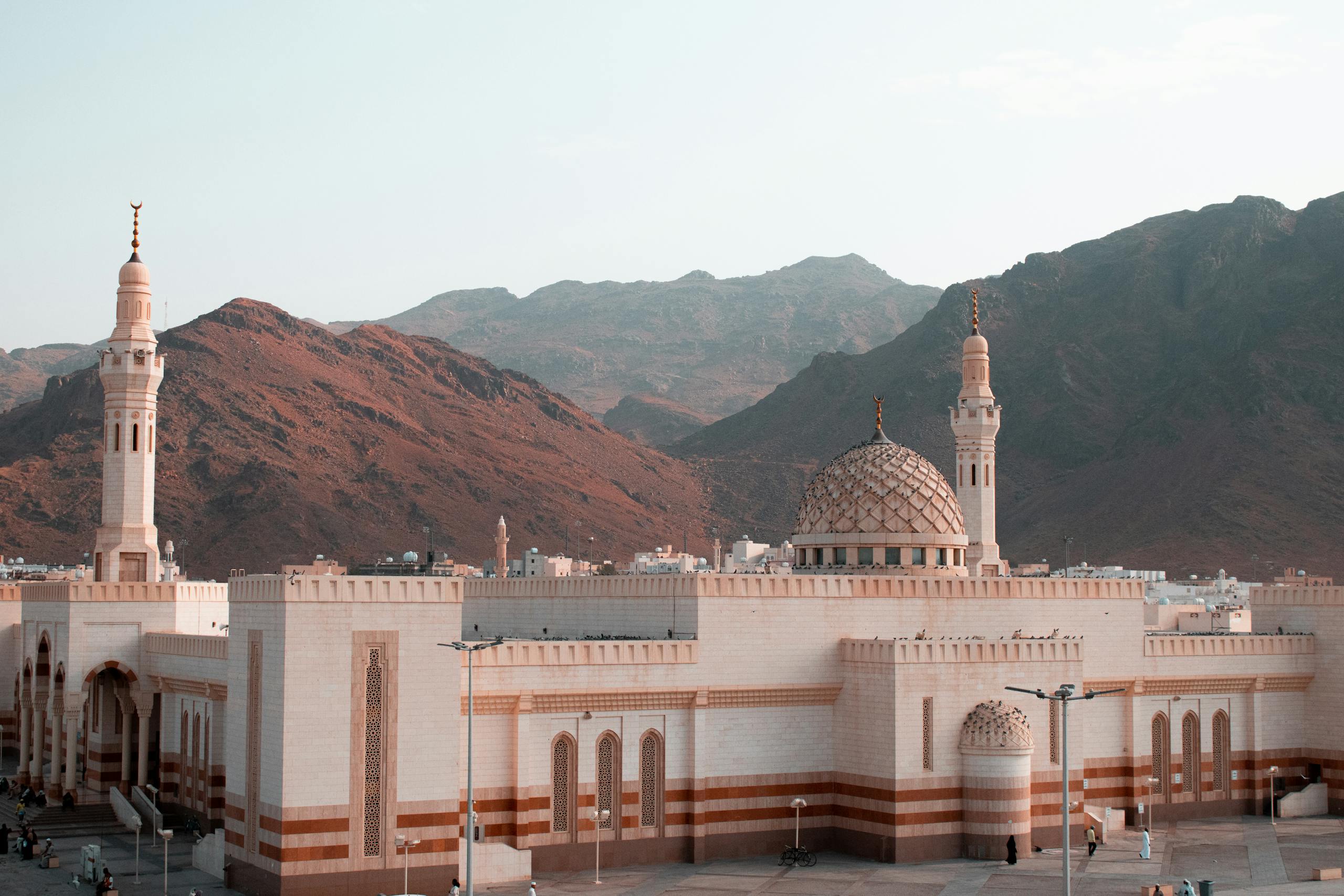
Saudi Arabia is the biggest name in this diplomatic puzzle. If Riyadh joined the Abraham Accords, it would change the political map of the Middle East. It would give Israel a major normalization victory and hand Trump a legacy-defining foreign policy win.
The problem is that Saudi Arabia has made clear that normalization cannot move forward as a casual signature ceremony. The kingdom has taken any major step toward Israel to progress on Palestinian statehood, a condition that remains deeply difficult under Israel’s current political leadership. The Times reported that Saudi Arabia remains in no rush to join the accords, especially as the Palestinian issue continues to weigh heavily on regional politics.
Saudi leaders also carry a unique burden. As guardians of Islam’s two holiest sites, they cannot treat recognition of Israel like a routine diplomatic favor. Any move that looks like it abandons Palestinians could spark backlash across the Arab and Muslim world.
Pakistan’s Pushback Shows the Danger of Overreach
Pakistan may be the clearest sign that Trump’s demand is running into hard limits. Islamabad has no formal ties with Israel, and support for Palestinians has long been a central part of its public position.
Pakistan’s defense minister rejected the idea of joining any normalization agreement with Israel, saying such a move was not acceptable if it conflicted with the country’s fundamental position.
That response matters because Pakistan is not just another name on a diplomatic list. It is a nuclear-armed Muslim-majority country with its own domestic pressures, religious politics, and regional concerns. Asking Pakistan to join the Abraham Accords during an Iran crisis may be far more than its leaders are willing to consider.
Qatar Has a Different Problem

Qatar’s situation is more complicated. Doha often acts as a mediator in Middle East conflicts, maintaining channels with different sides that do not always speak directly to one another.
That role gives Qatar influence. It also makes sudden public normalization with Israel risky. If Qatar moves too sharply toward the Abraham Accords, it could weaken the very balancing act that makes it useful in regional diplomacy.
Trump may see Qatar as a country that can help build a broader peace architecture. Qatar may see the demand as something that could cost it leverage, credibility, and flexibility.
The Palestinian Question Still Blocks the Road
The Palestinian issue is the obstacle that refuses to disappear. The original Abraham Accords succeeded partly because they allowed some countries to normalize relations with Israel without waiting for a final Israeli-Palestinian settlement.
That formula is harder to sell now. Regional anger over Gaza, distrust of Israeli leadership, and pressure from domestic audiences have changed the political mood. For many Muslim-majority governments, joining the Abraham Accords without a credible Palestinian pathway would look less like diplomacy and more like surrender.
This is why Trump’s demand may be bold, but also brittle. He is trying to use the urgency of an Iran deal to unlock a bigger regional settlement. Yet the issue he added may be the very thing that slows the deal down.
The Iran Deal Was Already Difficult Enough
Even before the Abraham Accords demand, the Iran talks were not simple. The Guardian reported that Iran had downplayed claims that a deal with the U.S. was imminent, saying progress had been made, but no final agreement was close.
That leaves Trump with a tricky problem. If there is no firm Iran deal, regional leaders have less reason to make painful concessions on Israel. If he insists on normalization as part of the package, he could make the Iran track harder to complete.
A narrow deal with Iran would already involve sanctions, nuclear concerns, security guarantees, and regional de-escalation. Adding Israel normalization turns it into a much larger diplomatic maze.
Trump’s Supporters See a Bigger Strategy
Trump’s allies may argue that this is exactly the point. They see the Abraham Accords as more than a peace branding exercise. To them, expanding the accords could isolate Iran, strengthen Israel’s regional position, deepen U.S. influence, and create stronger commercial and security ties across the Middle East.
That is the most ambitious version of Trump’s strategy. He does not just want to stop one war. He wants to rearrange the region around Israel’s acceptance and Iran’s containment.
If it worked, it would be a major foreign policy breakthrough. It would also give Trump a powerful campaign-style victory to sell at home.
Critics See a Deal Becoming Too Heavy to Lift
The danger is that Trump may be putting too much weight on one negotiation. A deal that tries to solve Iran, Israel, Saudi normalization, Pakistan’s recognition policy, Qatar’s mediator role, and the Palestinian question all at once may collapse under its own ambition.
Each country has its own red line. Saudi Arabia wants movement on Palestinian statehood. Pakistan has publicly rejected normalization. Qatar has to protect its mediator role. Egypt and Jordan already have relations with Israel, but their publics remain deeply sensitive to Palestinian suffering.
That is why the reported silence on the call matters. It was not just awkward. It was the sound of leaders calculating the political cost in real time.
Trump’s Middle East Gamble Is Now Bigger Than One Deal
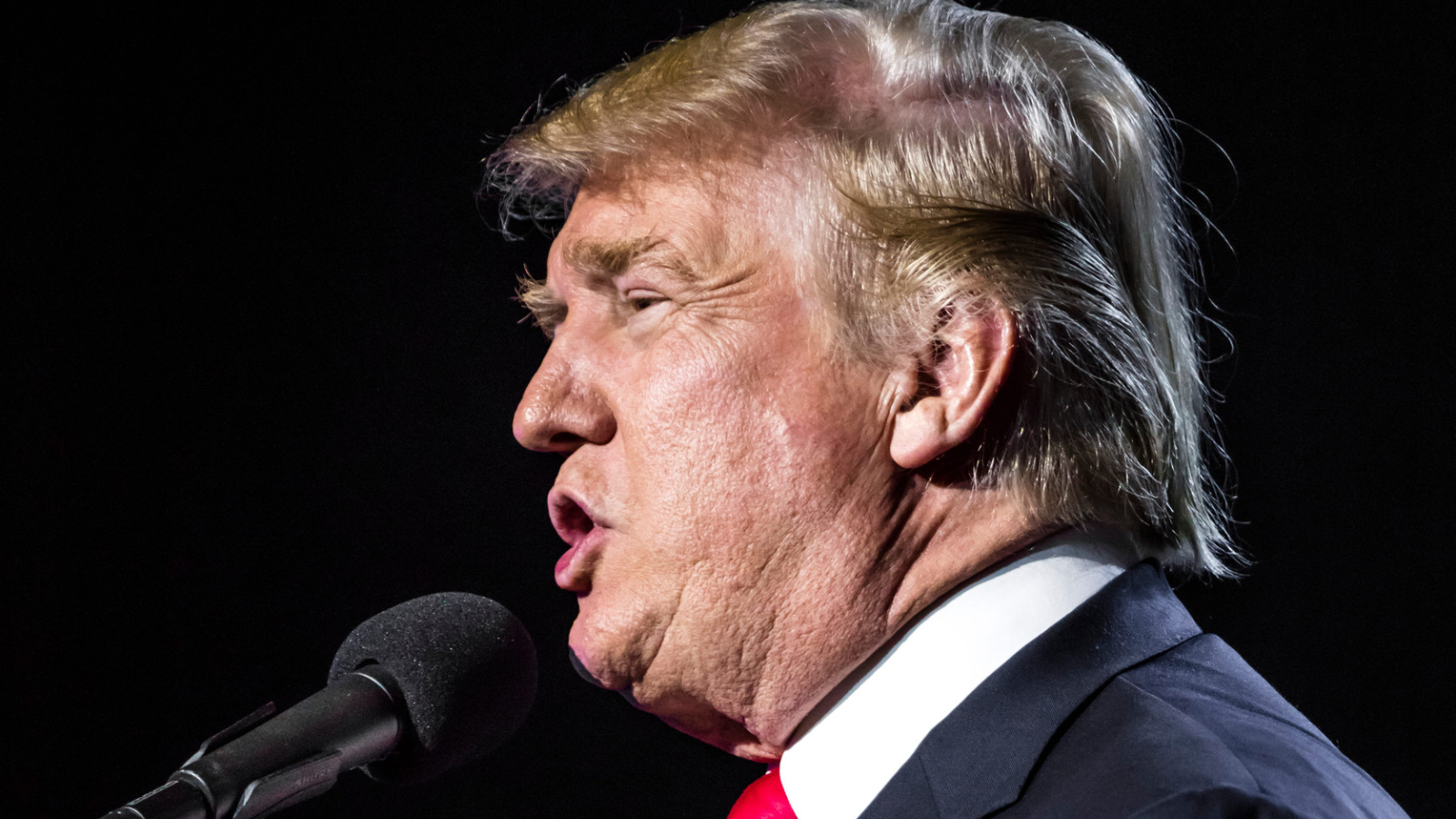
Trump has turned the Iran negotiation into a test of his broader Middle East vision. He wants a deal with Tehran, a stronger Abraham Accords framework, and a region where Israel has wider formal acceptance.
That is a huge prize. It is also a huge risk.
The more Trump links these issues together, the more chances there are for one disagreement to poison the whole package. Iran may resist. Saudi Arabia may hold firm. Pakistan may refuse. Qatar may delay. Israel may reject the Palestinian concessions needed to unlock Saudi support.
Trump’s demand may have stunned leaders because it was bold. It may also have stunned them because everyone on the call understood the same thing: ending a war is hard enough, but rewriting the Middle East in the same breath is a much heavier lift.