Ariana Grande’s “Bye” Becomes a Political Flashpoint
Ariana Grande did not release Bye to soundtrack federal immigration enforcement, yet that is exactly how the song entered the national conversation this week. The White House used the track in a TikTok video highlighting Immigration and Customs Enforcement (ICE) activity, turning a polished pop record into the center of a confrontation between one of the world’s most visible performers and the Trump administration.
The controversy escalated quickly after Grande publicly objected, arguing her music should not accompany imagery she described as cruel. The White House responded by defending the video’s message, framing it as a public safety discussion. This clash illustrates the modern collision of celebrity culture, political messaging, and social media virality.
What Happened in the White House ICE Video
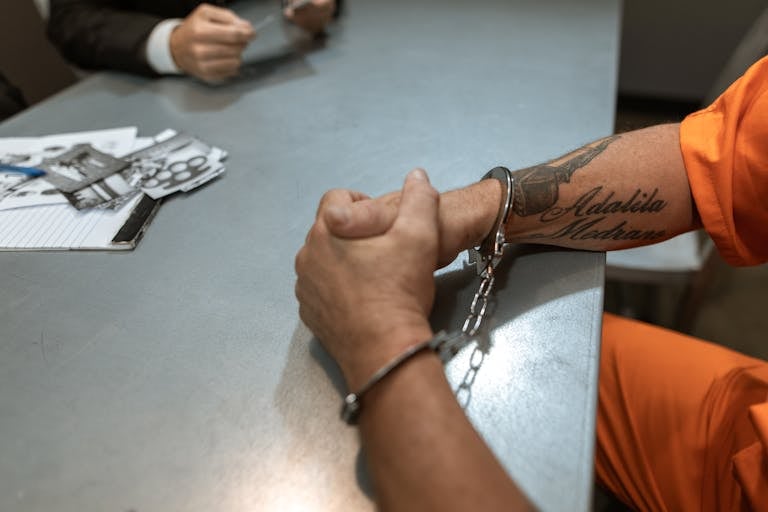
The TikTok video posted by the White House paired Grande’s Bye with scenes of ICE operations. The caption celebrated border security achievements under the Trump administration. Using a pop breakup anthem against enforcement imagery was a deliberate choice, meant to make the video more shareable and emotionally impactful.
The effect was immediate: fans recognized the song, critics debated the morality of the post, and Grande herself entered the discussion with a direct rejection. By the time the audio was reportedly removed, the clip had already sparked widespread debate and media coverage, proving the viral potential of music in political content.
Why Ariana Grande Objected
Grande’s objection was clear, public, and uncompromising. She argued her song should never be associated with what she called “barbaric, inhumane, heinous nonsense.” Beyond copyright concerns, her objection reflected a broader issue: association. A song paired with government imagery can imply endorsement, potentially misrepresenting an artist’s values.
Grande’s history of activism amplified the controversy. She has previously protested family separation policies, opposed transgender bans, and participated in women’s marches, positioning her as a vocal critic of Trump-era policies. Her objection was consistent with her public persona and underscored the tension between her brand and the administration’s messaging.
The White House Response and Escalation
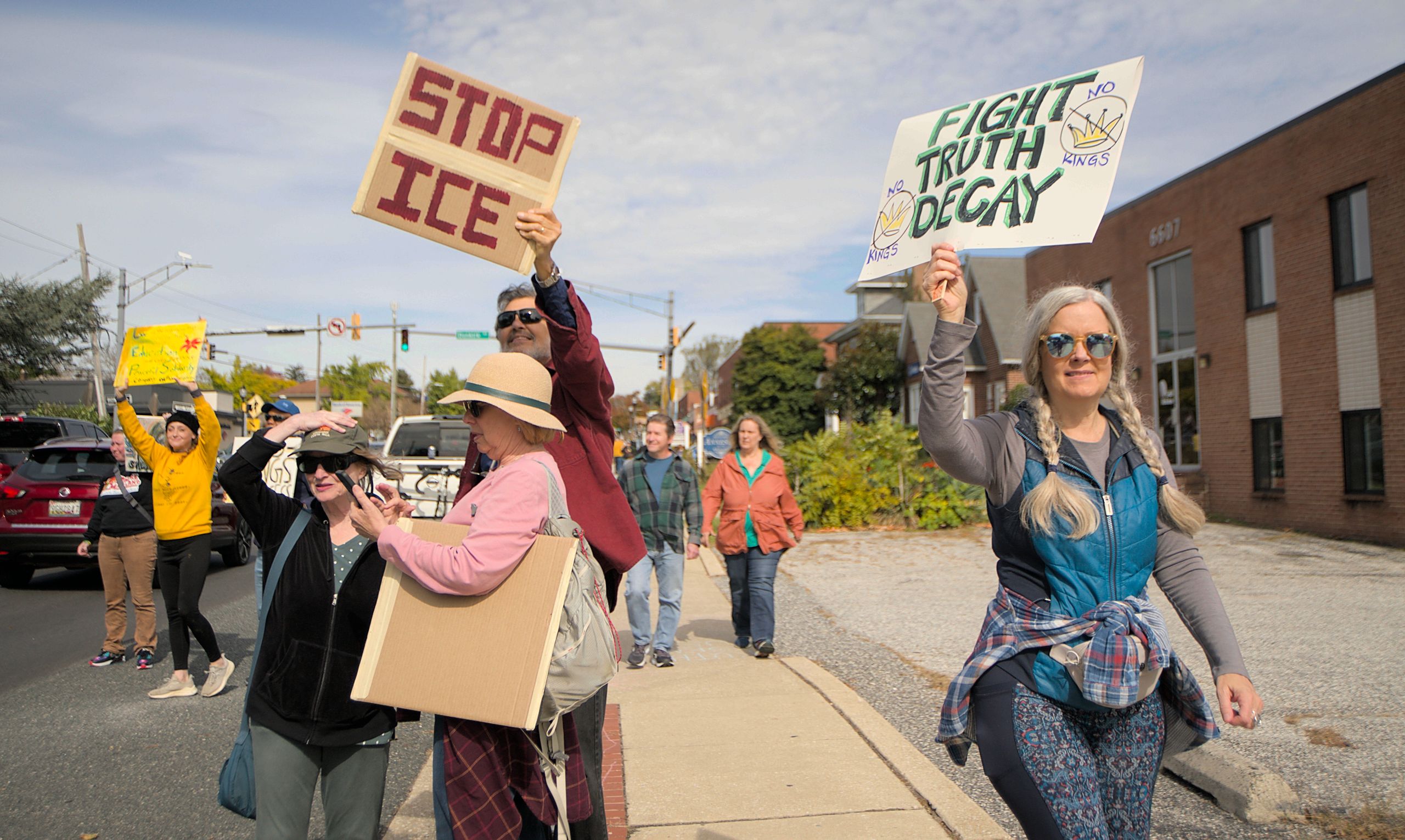
Rather than removing the video immediately, the White House defended its use of the song. A spokesperson argued the real outrage should target individuals accused of crimes after entering the country unlawfully, reframing the issue from artistic consent to public safety.
This response intensified the narrative. Grande’s fans focused on ethics and consent, while supporters of the administration highlighted enforcement and national security. The same video thus became two competing stories: one of celebrity rights and the other of government messaging.

Broader Implications: Music, Consent, and Social Media
This incident is part of a growing pattern where artists assert control over how their work is used in political contexts. Songs carry cultural, emotional, and symbolic weight, and misalignment can create public backlash. Social media platforms like TikTok amplify this effect, allowing content to reach millions before consent disputes can be addressed.
The Grande–White House clash also demonstrates the evolving stakes of political communication. Visual and audio pairing can turn a policy message into a cultural debate. While the administration may gain attention, artists like Grande can redirect public focus to consent, tone, and ethical considerations rather than policy points.

Audience Dynamics and Political Risk
Grande’s fan base skews young, socially engaged, and politically aware, while the White House targets both traditional supporters and broader social media audiences. Misalignment between these groups magnifies controversy. Political accounts leveraging pop culture risk unintended reputational fallout when the artist’s values contradict the intended message.
Timing matters too. Grande’s history of activism and prior public statements against Trump-era policies gave the objection additional symbolic weight. It positioned the video not merely as a government post but as a broader cultural flashpoint, prompting discussion across politics, entertainment, and ethics.
Legal and Licensing Considerations
While the controversy is largely public and cultural, it also touches on legal and licensing issues. Platforms like TikTok provide access to licensed tracks for official accounts, but disputes arise when the artist perceives misuse. This case highlights the gap between legal rights and public perception, demonstrating that even permitted use can provoke reputational consequences if ethical or moral expectations are violated.
Why the Audio Removal Matters
The reported removal of the song from the video signals that Grande’s objection had an effect. For artists, public pushback can influence platforms, rights holders, and account managers. For government communicators, it underscores the risks of borrowing popular music without considering consent or brand alignment.
Removing the audio did not erase the story; it shifted attention from the original ICE message to the debate over artistic consent and ethics, showing how cultural narratives can overshadow policy points.
Immigration Enforcement as the Core Issue
At its heart, this story is about immigration. The White House video was designed to promote border security and ICE operations. Grande’s objection reframed the debate around tone, ethics, and the human impact of enforcement. Her public stance emphasizes how tone and cultural symbolism can shape political discourse as much as policy content.
Lessons for Political Communication in the Social Media Era
The Grande–White House clash illustrates that using pop culture to communicate policy carries both opportunity and risk. Viral content can expand reach, but misalignment between artistic intent and messaging can trigger backlash that dominates the conversation. For communicators, it’s a cautionary tale: tone, consent, and audience perception are critical components of digital political messaging.