A good paycheck used to mean breathing room. In many American cities today, it only means surviving another month without falling behind.
Rent is higher. Groceries cost more. Insurance feels heavier. A modest home now looks like a luxury purchase. Families that once believed hard work would keep them stable are discovering something uncomfortable: in some cities, the cost of living is moving faster than their income.
These cities are not just expensive for millionaires chasing skyline views. They are painful for teachers, nurses, restaurant workers, young professionals, retirees, parents, and middle class families trying to live normal lives. Here are seven U.S. cities where Americans are starting to feel priced out of the life they worked for.
New York City, New York
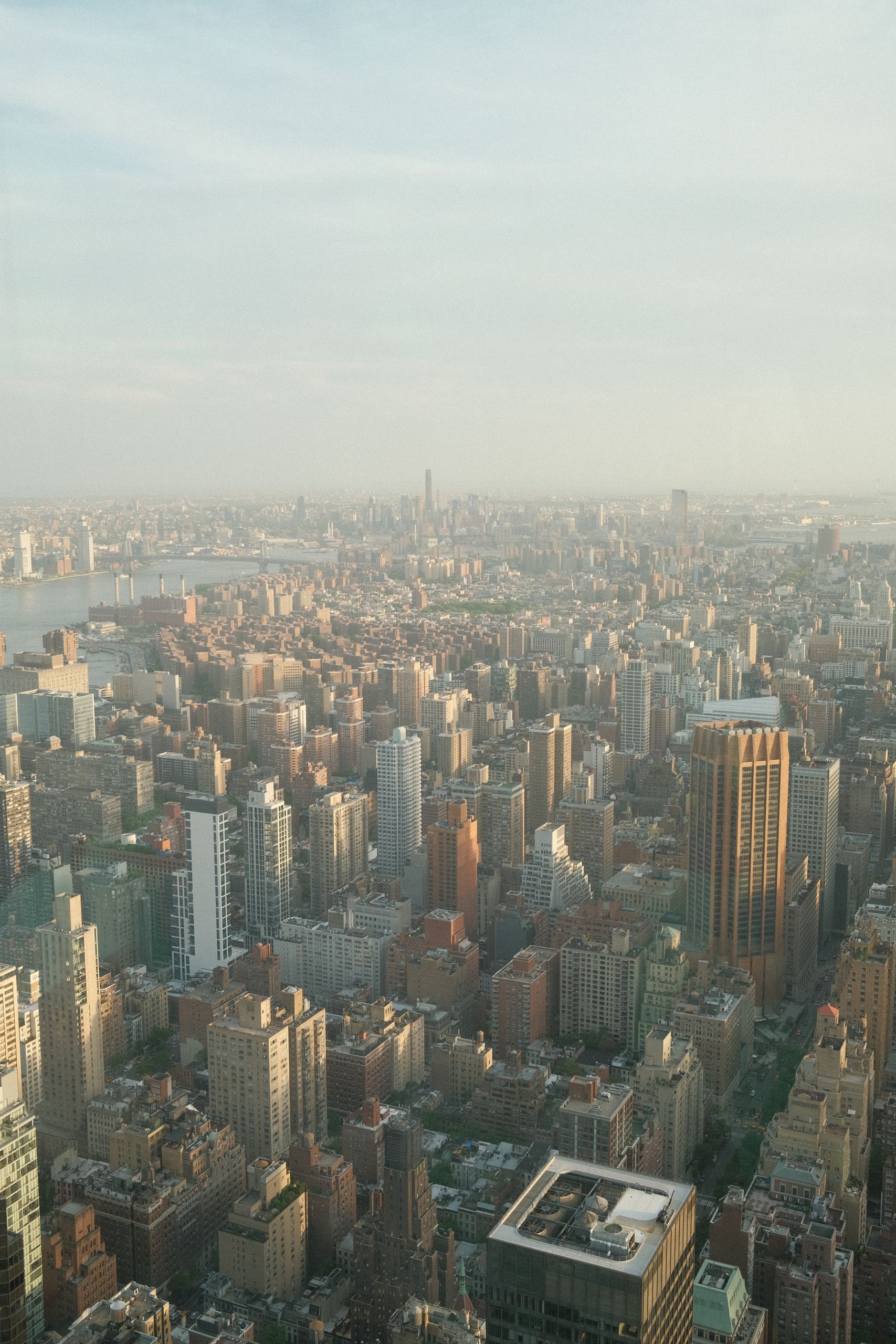
New York City still sells the dream better than almost anywhere else in America, but that dream now comes with a punishing monthly bill. Rent can swallow a paycheck before groceries, utilities, transportation, or child care even enter the conversation. For many residents, living in the city feels less like success and more like a financial obstacle course.
The biggest problem is housing. A small apartment can cost more than a full mortgage in many other states. Families often squeeze into tight spaces, young workers take on roommates longer than expected, and older residents worry about being pushed out of neighborhoods they helped build.
Daily life adds another layer of pressure. Food, laundry, child care, parking, services, and entertainment all carry city prices. Even people who earn respectable salaries can feel broke after paying for the basics.
What makes New York especially difficult is that leaving can feel like giving up access to opportunity. The jobs, culture, schools, hospitals, restaurants, and energy are still powerful. But the question many residents now ask is simple: how much should a person sacrifice just to stay?
San Francisco, California
San Francisco has become one of America’s clearest examples of a city where strong salaries do not always create comfort. Tech money, limited housing, and intense demand have pushed prices into territory that feels unreal to ordinary households. Even people with good jobs can feel like they are chasing a moving target.
Homeownership is the biggest heartbreak. A basic house can carry a price tag that would look extreme in most American cities. Renters do not have it much easier. Monthly rent can consume a massive share of income, leaving little room for savings, family planning, or emergencies.
The city’s beauty and job market keep people coming, but that demand keeps the pressure high. Teachers, service workers, artists, nonprofit employees, and public workers often struggle to live near the communities they serve. That creates a city where the people who keep daily life moving may not be able to afford daily life there.
San Francisco still has talent, culture, weather, and economic power. But for many Americans, it now feels like a place where wealth is not just an advantage. It feels like the entry fee.
Los Angeles, California
Los Angeles looks glamorous from the outside, but many residents know the harder truth. The sunshine is free, but almost everything else feels expensive. Rent, gas, insurance, parking, groceries, and commute costs can turn everyday life into a constant financial calculation.
Housing is the first problem. Buying a home in Los Angeles is out of reach for many working families, even when they earn a steady income. Renting is not easy either, especially in neighborhoods close to jobs, schools, beaches, or safer streets.
Transportation makes the squeeze worse. Many residents need a car because the city is spread out. That means gas, insurance, repairs, registration, parking tickets, and long hours in traffic. A cheaper apartment far from work may save money on rent but cost more in time and transportation.
Los Angeles still attracts dreamers, creatives, entrepreneurs, and families chasing opportunity. But the city now forces many people into an uncomfortable trade. They can live closer to the life they want, or they can live somewhere they can actually afford.
San Diego, California
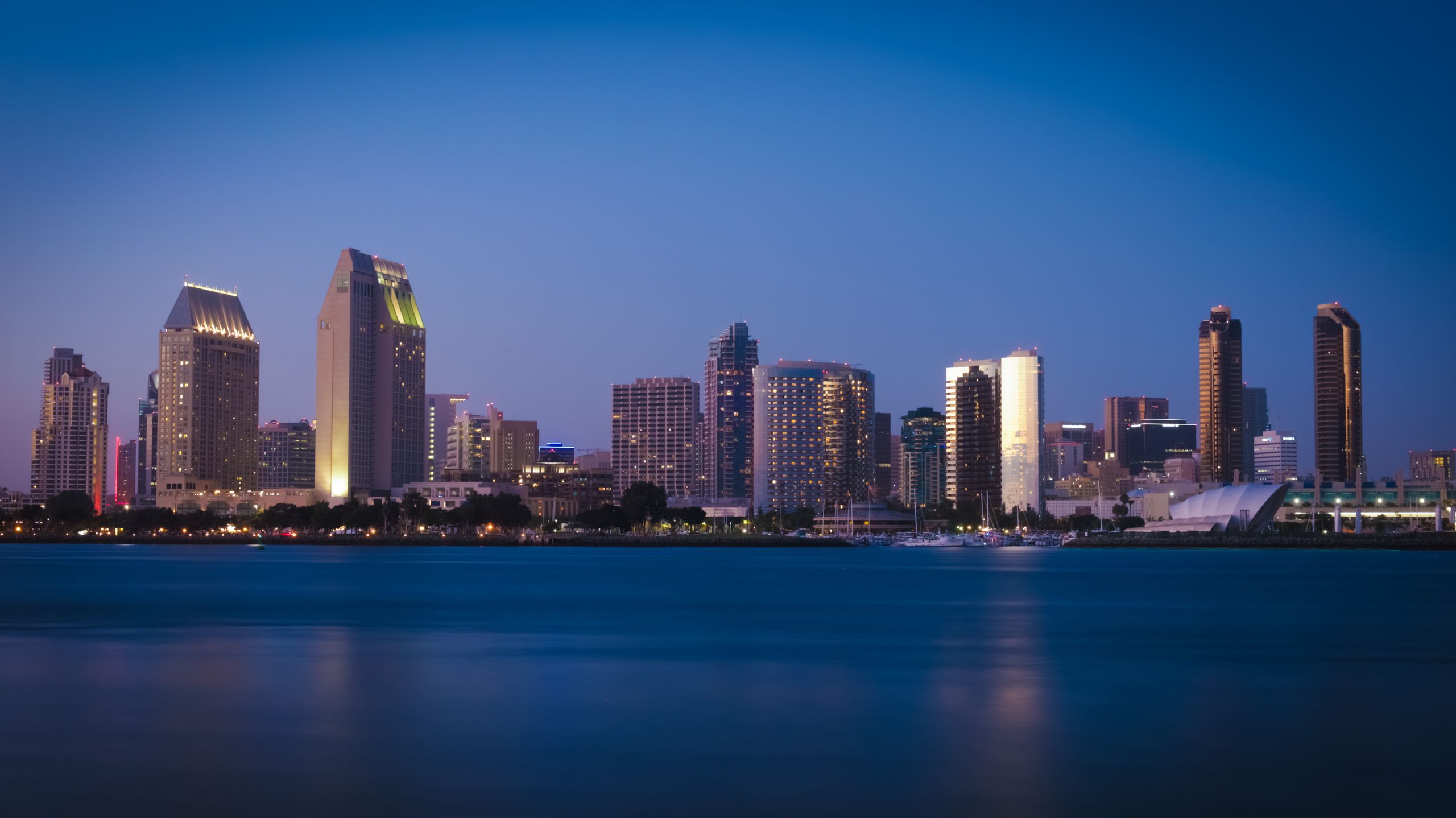
San Diego has the kind of beauty people dream about: beaches, mild weather, ocean air, and a slower pace than Los Angeles. But that lifestyle has become painfully expensive. For many residents, paradise now comes with rent that feels anything but relaxed.
The housing market is the main reason San Diego feels so difficult. Coastal demand keeps prices high, and even inland neighborhoods are no longer cheap. Families looking for more space often find that the price of a normal home has moved far beyond a normal budget.
Renters face the same pressure. A one bedroom apartment can take a large share of monthly income, especially for workers in hospitality, education, military support, health care, and public service. These are the people the city depends on, yet many of them are being pushed farther from the neighborhoods where they work.
San Diego’s problem is painful because the city still feels livable in so many ways. It has good weather, outdoor life, jobs, and family appeal. But when the cost of staying keeps rising, even a beautiful city can start to feel like a financial trap.
Washington, D.C.
Washington, D.C., is expensive in a different way. It is not just about lifestyle or beach access. It is about power, government, law, policy, consulting, education, and professional competition. The city attracts ambitious workers, and that demand keeps housing costs high.
Rent near desirable areas can be brutal. Living close to Metro lines, offices, restaurants, schools, and safer neighborhoods often means paying a premium. Moving farther away may lower rent, but then commuting costs and lost time become part of the bill.
The pressure is especially frustrating for workers who thought a stable career would bring stability. Government workers, nonprofit staff, junior lawyers, teachers, policy employees, and young professionals may earn decent salaries but still feel stretched thin. Student loans, child care, taxes, and rent can erase the comfort that income should provide.
Washington remains important, influential, and full of opportunity. But many Americans now see the capital as a place where being employed is not enough. You need a strong income, careful budgeting, and often a second income just to feel secure.
Portland, Oregon
Portland used to feel like the smart alternative. It had culture, food, coffee, music, green spaces, and personality without the extreme prices of California or New York. That reputation is fading as the city becomes more expensive for the very people who made it attractive.
Housing costs have changed the mood. What once felt like a creative, affordable city now feels tighter and more selective. Longtime residents have watched prices rise while wages have not always kept up. New arrivals with larger budgets have added pressure in popular neighborhoods.
The everyday cost of living also feels heavier. Groceries, utilities, taxes, transportation, and services all add up. Portland may still look cheaper than San Francisco or Los Angeles, but that comparison does not help a family struggling with local bills.
The hardest part is that Portland was supposed to be the escape. When the escape becomes expensive too, Americans begin to wonder where the affordable version of city life went. Portland is not the most expensive city on this list, but its loss of affordability feels deeply personal.
Chicago, Illinois

Chicago is still more affordable than many coastal cities, but that does not mean it is easy. The city’s reputation as a big city bargain is under pressure. Rent, property taxes, utilities, insurance, groceries, and child care are making life harder for middle class residents.
The danger in Chicago is slow erosion. It may not shock people with San Francisco prices, but the monthly squeeze is real. A family can find a lower home price than in New York or Los Angeles and still feel trapped by taxes, repairs, winter heating bills, parking, and rising neighborhood costs.
Some neighborhoods remain affordable, while others have become much harder to access. That creates a city where comfort depends heavily on location. A resident may save money by moving farther out, but then commute time, safety concerns, school access, and transportation costs may increase.
Chicago still offers culture, jobs, food, sports, universities, hospitals, and lakefront beauty. But its affordability advantage is no longer guaranteed. For many Americans, that is the warning sign. Even cities once seen as reasonable are starting to feel financially unforgiving.
Why Americans Feel Trapped in These Expensive Cities
The hardest part about living in an expensive city is that leaving is not always simple. People have jobs, families, schools, doctors, friendships, businesses, and community ties. A city may be unaffordable, but it may also be home.
That creates a painful choice. Stay and keep fighting the rising cost of living, or leave and start over somewhere cheaper. Neither option is easy. Staying can drain savings. Leaving can mean losing opportunity, identity, and support systems.
The pressure is especially hard on middle class families. They often make too much to qualify for help but not enough to feel secure. They pay full price for rent, groceries, insurance, child care, and taxes, yet still feel like they are falling behind.
This is why the phrase “too expensive to live in” hits so many Americans. It is not about luxury complaints. It is about ordinary people realizing that a normal life now costs more than a normal paycheck can handle.
These seven U.S. cities are not failing because people no longer want to live there. They are struggling because too many people want in while too few can afford to stay.
New York, San Francisco, Los Angeles, San Diego, Washington, D.C., Portland, and Chicago still offer opportunity, culture, jobs, and identity. But the cost of living has changed the deal. For many Americans, these cities no longer ask for ambition alone. They ask for sacrifice.
The bigger warning is not just that these places are expensive. It is that the pressure is spreading. If rent, home prices, taxes, insurance, and basic bills keep rising faster than wages, more Americans will face the same difficult question: Is the city they love still worth the price of staying?