Pennsylvania’s debate over driver’s licenses has become another example of how quickly everyday government issues turn into national political warfare. What should be a clear conversation about road safety, identification, immigration rules, and state responsibility has become another loud fight that leaves regular Americans wondering who is actually solving anything.
House Bill 927 proposes a constitutional amendment that would prohibit Pennsylvania from issuing driver’s licenses to people who are not lawfully present in the United States. That sounds simple on the surface, but the deeper issue is more complicated.
We are looking at a fight over state power, public safety, immigration enforcement, bureaucracy, and whether voters should permanently lock this kind of rule into the Pennsylvania Constitution.
It turns the DMV into another immigration battlefield.
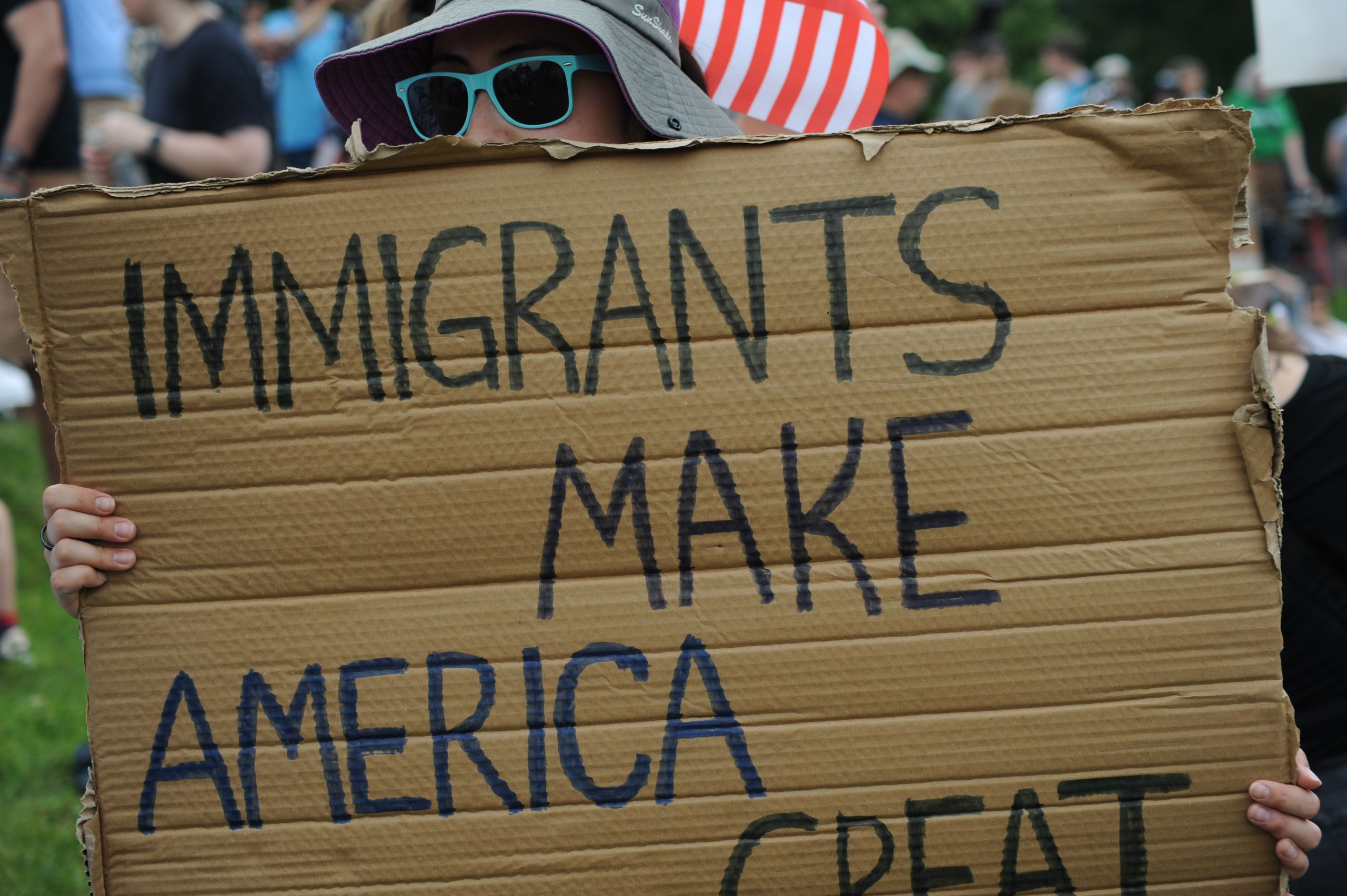
Most Americans already see the DMV as a place of long lines, paperwork, fees, and frustration. Now, Pennsylvania’s driver’s license debate adds immigration politics to the pile. For many working families, that makes government feel even more exhausting.
The question is not just who gets a license. The bigger issue is whether a state agency built to test drivers, issue IDs, and keep roads organized should become one more front in the immigration fight. That is the kind of political shift many Americans recognize too well. A basic public service becomes another ideological showdown.
It makes a practical road safety issue feel like a culture war.
Driver’s licenses are supposed to prove that a person has passed the required tests and can legally operate a vehicle. They help states track drivers, enforce insurance rules, and keep roads safer. When the debate becomes only about political identity, the practical safety question gets buried.
Supporters of the restriction argue that people without lawful immigration status should not receive a state issued driving privilege. Critics argue that unlicensed drivers may still drive anyway, which can create problems with testing, insurance, and accountability. That is where the fight gets messy. Both sides talk about safety, but they mean different things.
It risks confusing legal immigrants with undocumented immigrants.
One of the most dangerous parts of this debate is sloppy language. Some people call the proposal a “citizens only” rule, but the official language focuses on people who are not lawfully present in the United States. That difference matters.
Many noncitizens live in Pennsylvania legally. They may be permanent residents, international students, workers, refugees, asylees, or people with other valid immigration documents. When politicians and commentators blur those categories, legal immigrants can end up feeling unfairly targeted. Americans know how fast bad wording can turn a policy debate into public confusion.
It asks voters to make a permanent decision on a changing problem.
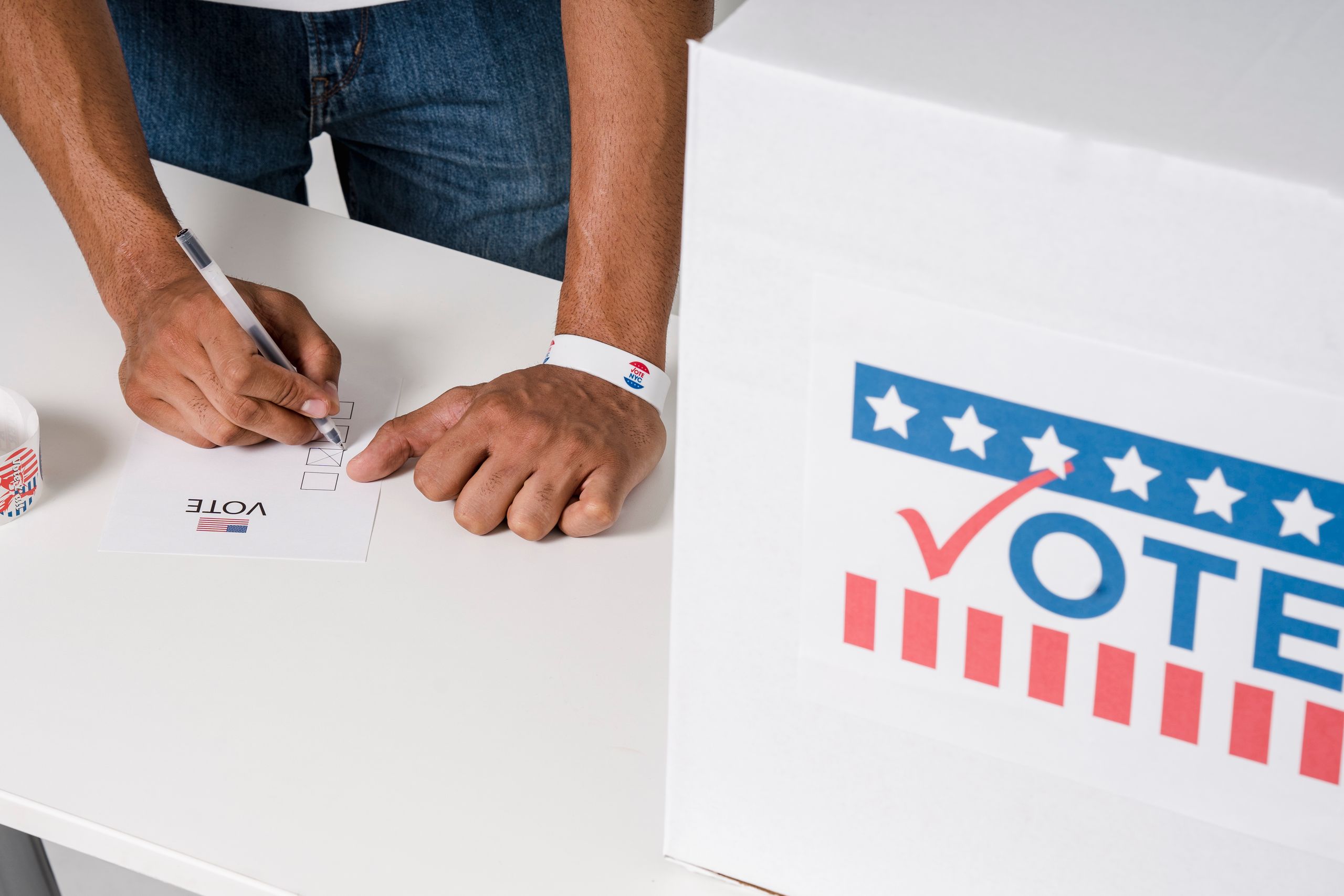
The proposal is not just a normal bill. It is a constitutional amendment. That means supporters want the rule placed into Pennsylvania’s highest legal framework, making it harder for future lawmakers to change.
That permanence should make voters pause. Immigration patterns change. Labor markets change. Transportation needs change. Federal policies change. A rule that feels politically satisfying today may become harder to manage later. Americans already know what happens when lawmakers make rigid decisions for problems that keep shifting. Ordinary people get stuck with the consequences.
It gives politicians another easy headline instead of harder solutions.
A driver’s license amendment is simple to campaign on. It gives politicians a sharp message, a clear enemy, and a strong soundbite. That does not mean it solves the deeper problems people face every day.
Pennsylvania families are dealing with high bills, housing pressure, insurance costs, school concerns, wage stress, and healthcare frustrations. Many voters may support tough immigration rules and still wonder why lawmakers spend so much energy on symbolic constitutional fights. The anger is not hard to understand. Americans want order, but they also want results that touch their daily lives.
It could make the state government feel even more complicated.
Government paperwork is already a headache. Adding constitutional rules around license eligibility may satisfy voters who want stronger restrictions, but it can also create more pressure on state agencies to verify, document, and defend every decision.
PennDOT already requires documentation for many licensing and identification products. If the state constitution adds another layer, the process may become even more sensitive. Every rejected application, every disputed status, and every document question could become more politically charged. For regular Americans, that means the same old problem: more rules, more confusion, and less trust.
It shows how immigration fights now reach every corner of daily life.
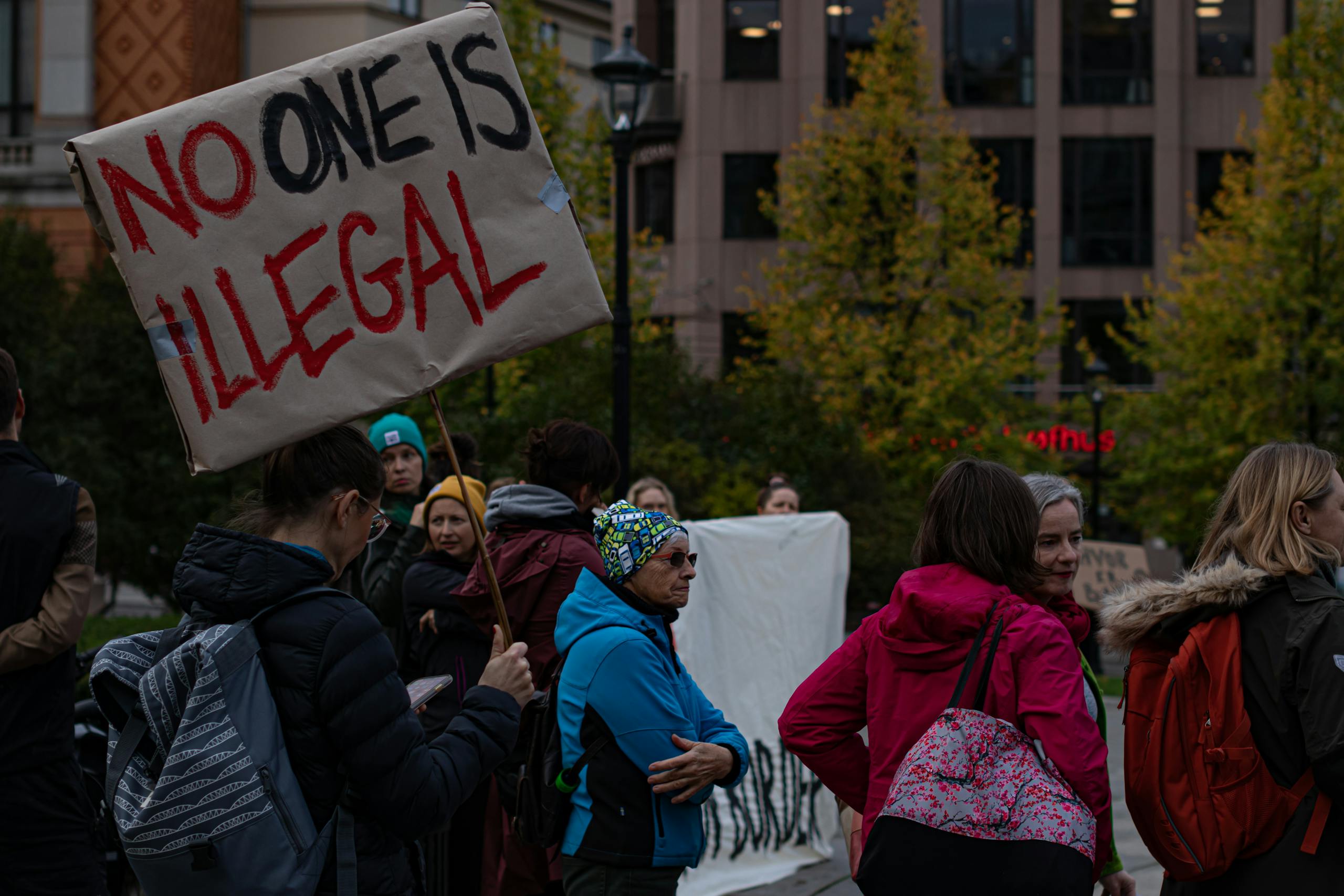
Immigration policy used to sound like something handled mostly at the border, in federal courts, or in Washington. Now it shows up in schools, hospitals, workplaces, housing debates, local policing, and driver’s license offices.
That is why this Pennsylvania fight feels familiar beyond Pennsylvania. Americans across the country have seen local issues become national identity battles. A license policy becomes a statement about border security. A state ID becomes a symbol of belonging. A DMV rule becomes a referendum on immigration. The emotional load becomes much heavier than the policy itself.
It may deepen distrust between communities and the government.
Supporters of HB 927 may see the proposal as a necessary line in the sand. They want the state to make clear that unlawful presence should not come with state issued privileges. That position is politically powerful, especially among voters who feel immigration laws have been ignored for too long.
Still, there is another side to the trust problem. In immigrant-heavy communities, even lawful residents may fear that routine government offices are becoming hostile spaces. If people avoid public systems because they fear confusion, exposure, or discrimination, the state may lose visibility into the very communities it needs to regulate. Trust is hard to build and easy to break.
It forces voters to choose between enforcement and flexibility.
The real choice is not as simple as “licenses or no licenses.” Pennsylvania voters may eventually be asked whether this rule belongs in the constitution. That is a much bigger decision.
Enforcement matters. A state has the right to set standards for identification and licensing. But flexibility also matters. Once something enters the constitution, changing it becomes difficult. Voters must decide whether this issue is so settled that future lawmakers should have limited room to adjust it. That is a serious choice, not a slogan.
It proves Americans are stuck in another fight with no easy winner
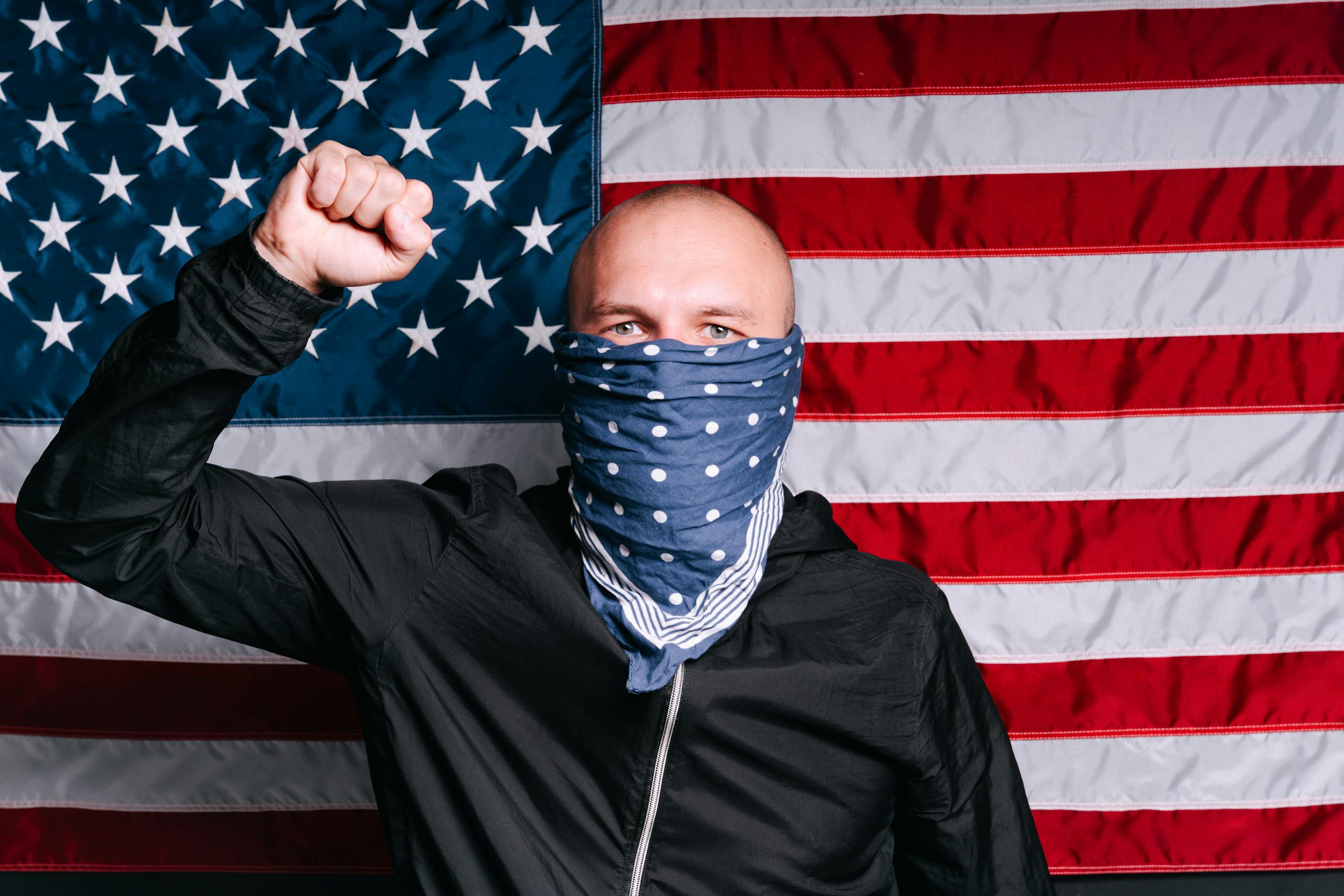
No matter where someone stands on immigration, this debate is frustrating because it does not offer a clean ending. Supporters may win a tougher rule and still feel the federal government has failed at the border. Opponents may defeat the amendment and still face hard questions about unlicensed driving, insurance, and public safety.
That is the part many Americans can relate to. The public gets handed another angry debate, while the deeper systems remain broken. Immigration enforcement remains inconsistent. State agencies remain overloaded. Roads still need safe drivers. Families still need stable communities. Nobody leaves fully satisfied because the fight is bigger than one license rule.
Pennsylvania’s driver’s license amendment debate is negative because it captures something Americans are tired of seeing: a practical public issue swallowed by political warfare. Driver’s licenses should be about identity, safety, testing, responsibility, and lawful eligibility. Instead, the issue has become another emotional battle over immigration, trust, and who gets recognized by the state.
We can understand why many voters want firm rules. We can also understand why others worry about turning the Constitution into a weapon for every heated political dispute. The real question is whether Pennsylvania is solving a problem or freezing a political message into law.
That is what voters should weigh carefully, because once a state turns a DMV rule into a constitutional fight, the road back to common sense gets much harder.