The flashing lights hit your rearview mirror, and suddenly, your stomach drops. Maybe you are late for work, worried about a bill, driving home after a long shift, or already stressed because one ticket could wreck your budget for the month.
A traffic stop can turn an ordinary day into a tense roadside moment. Your hands feel awkward, your passenger goes quiet, and every movement suddenly feels like it matters more than it should.
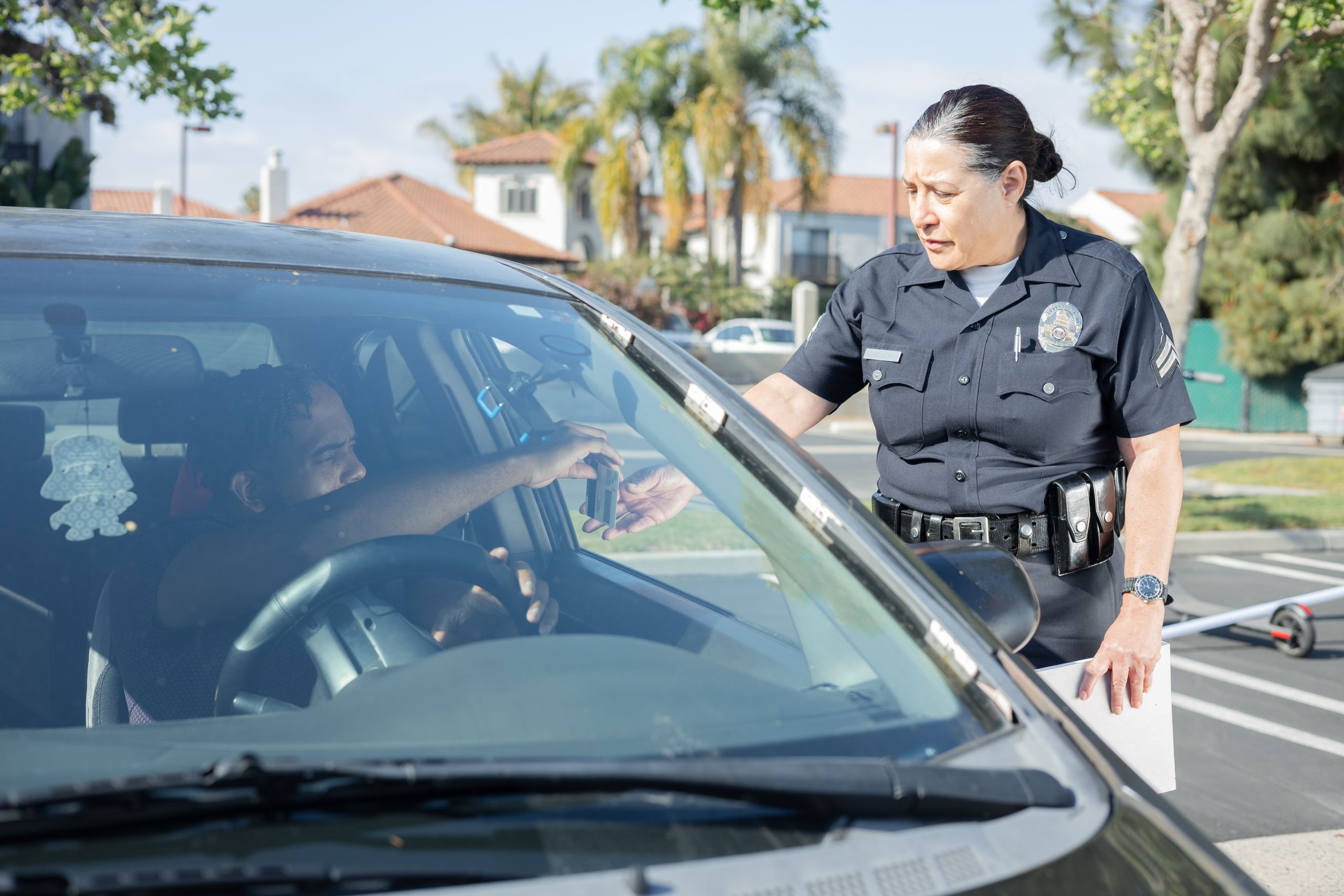
Police are trained to read a stop quickly. They notice how you pull over, what your hands do, what passengers are doing, and whether the scene feels calm or unpredictable.
That is why understanding traffic stop behaviors that can make police more suspicious matters. It is not about fear or panic. It is about knowing how small actions can raise tension when everyone involved is trying to stay safe.
Pulling Over Too Slowly or Erratically
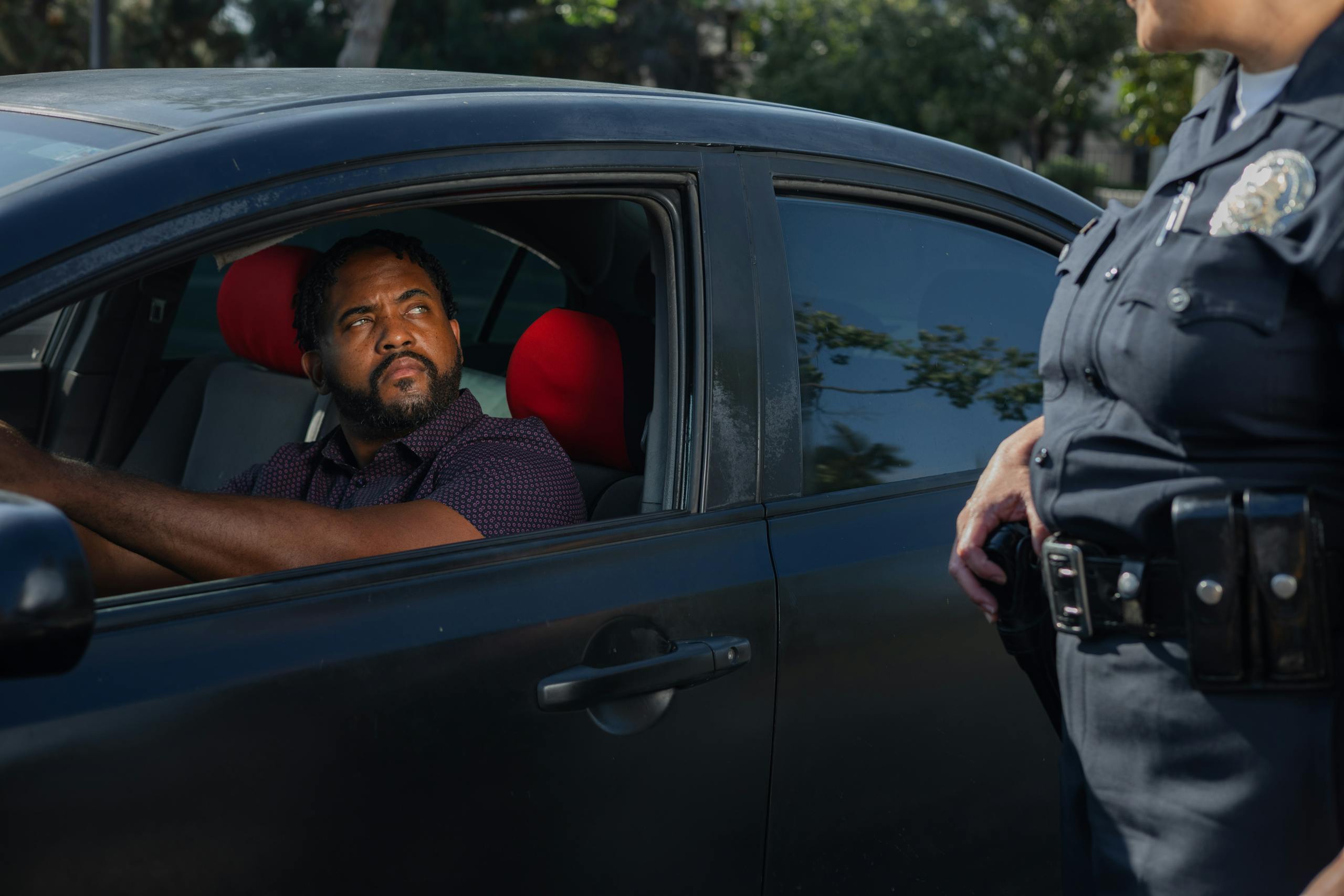
One of the first things police notice is how a driver responds to the lights. If you keep driving too long, brake suddenly, swerve, stop in a dangerous spot, or seem unsure where to go, the officer may wonder what is happening inside the vehicle.
A calm pull-over does not guarantee a warning, but it can prevent a stop from starting with confusion. Traffic stops are common in the United States, and police public contact data show how often ordinary drivers interact with law enforcement.
Reaching Around Before the Officer Speaks
Digging through the glove box, reaching under the seat, rummaging through a bag, or moving quickly before the officer approaches can make the situation feel more dangerous. Police often focus on hands because sudden movement can be hard to interpret in a tense moment.
The safer move is to wait, keep your hands visible, and explain where the documents are before reaching. Basic traffic stop rights guidance often stresses staying calm, avoiding sudden movements, and not arguing on the roadside.
Keeping Your Hands Hidden
Hands hidden in a hoodie pocket, under a jacket, behind the seat, or low near the center console can quickly raise concern. Even if you are only nervous or cold, the officer may not know that from outside the vehicle.
Visible hands help lower uncertainty. Placing them on the wheel, dashboard, or another clear spot can make the interaction feel more predictable for everyone in the car.
Acting Overly Nervous in a Way That Feels Unusual
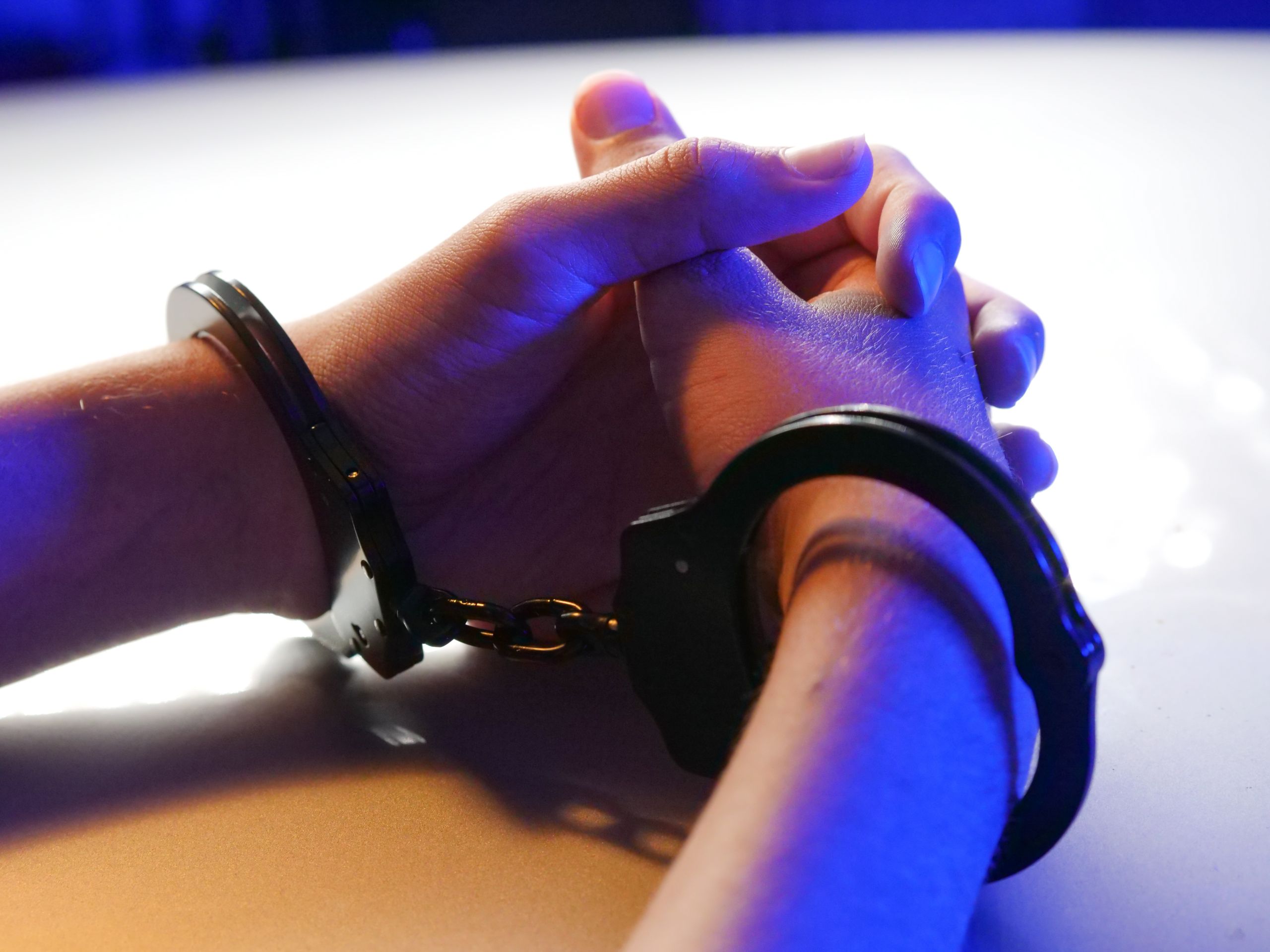
Almost everyone gets nervous when they are pulled over. A shaky voice, quick heartbeat, or awkward laugh does not automatically mean anything suspicious.
What may stand out is extreme nervous behavior that does not match the situation. Heavy sweating, repeated contradictions, nonstop talking, shaking hands, or panic over basic questions can make an officer look more closely.
Arguing Before You Understand the Stop
Some drivers react with anger before the officer even explains the reason for the stop. They talk over the officer, demand proof immediately, or turn the first few seconds into a fight.
That can make a routine stop feel more tense than necessary. You can disagree with a ticket or complaint later, but the roadside is usually not the best place to turn frustration into a shouting match.
Passengers Moving Around Too Much
Police do not only watch the driver. Passengers who duck down, shift items, reach into bags, hide their hands, argue loudly, or interrupt the conversation can change the entire mood of the stop.
A calm passenger can help keep things steady. A chaotic passenger can make officers more alert because they must monitor multiple people rather than focus on a single conversation.
Visible Signs of Distracted Driving
A phone in hand, food in the lap, makeup on the console, or delayed reactions before the stop can all shape what police notice. If the officer saw drifting, late braking, or missed signals, distraction may already be a reason for concern.
Distracted driving is taken seriously because it can cause harm quickly. National safety warnings about the risks of driver distraction show why police pay close attention to what drivers are doing before a stop begins.
The Smell of Alcohol, Marijuana, or Masking Odors
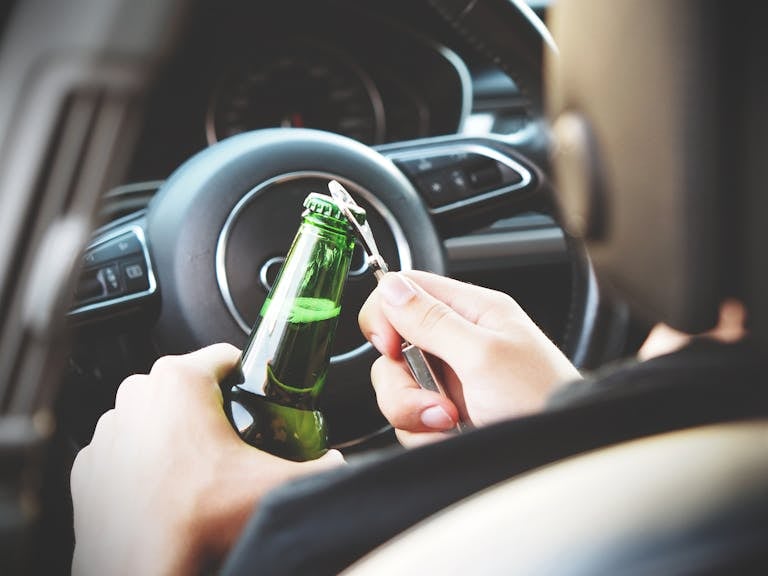
Smell can change the direction of a traffic stop almost immediately. Alcohol, marijuana, smoke, chemicals, or strong air fresheners may lead officers to ask more questions, especially if the driving behavior already looked unsafe.
An odor alone does not tell the full story. Still, when the smell is accompanied by slurred speech, red eyes, confusion, open containers, or inconsistent answers, the situation may become more serious.
Signs That Suggest Possible Impairment
Police often look for patterns that suggest a driver may be impaired. Drifting, slow responses, poor coordination, slurred speech, confusion, or trouble following basic instructions can quickly raise concerns.
Impaired driving puts everyone on the road at risk. Training materials on visual DWI detection explain how certain driving patterns may alert officers before they ever reach the window.
Giving Conflicting or Unclear Answers
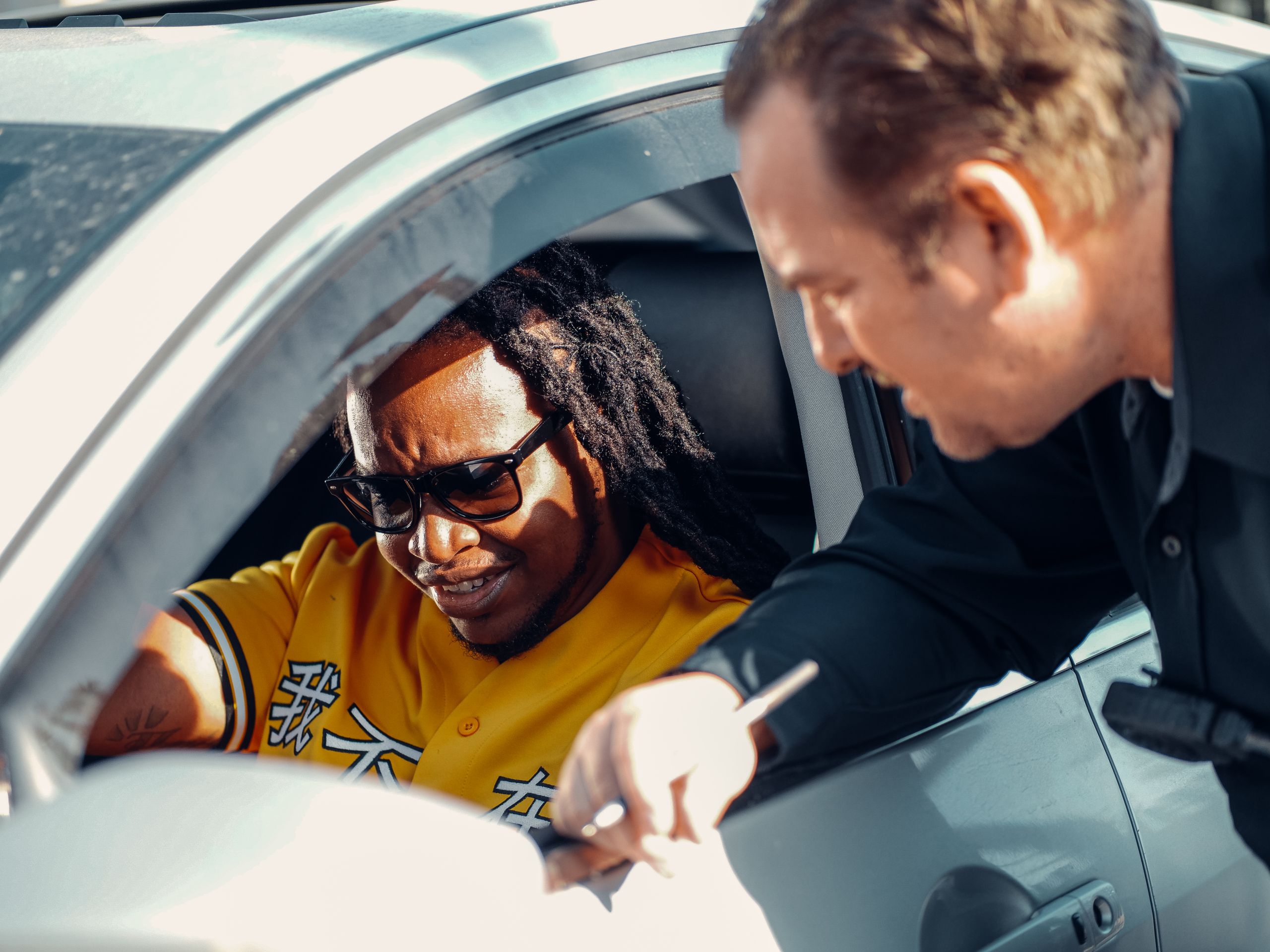
A simple question can become suspicious when the answer keeps changing. If a driver gives one destination, a passenger gives another, or the timeline shifts several times, police may wonder why the story is not consistent.
Confusion can happen for innocent reasons, especially when someone is nervous. But calm, clear, basic answers usually help keep the stop from becoming more complicated than it needs to be.
Key Takeaway
Traffic stop behaviors that can make police more suspicious are often small, fast, and easy to misunderstand. Sudden reaching, hidden hands, erratic pulling over, aggressive arguing, nervous contradictions, and chaotic passenger behavior can all raise tension.
The safest approach is usually simple. Pull over carefully, keep your hands visible, stay calm, explain movements before making them, and avoid turning fear into sudden action.
Drivers should also know their rights and take road safety seriously. Impaired driving remains a major public safety issue, and drunk driving penalties can be severe, so smart choices before the stop matter as much as calm behavior during one.