Grocery shopping no longer feels like a simple errand. For many Americans, it now feels like walking through a store full of tiny financial traps. The items that once slipped into the cart without much thought are now making shoppers pause, squint at the price tag, and quietly put them back on the shelf.
The frustration is not just about one expensive steak or one fancy loaf of bread. It is about the everyday foods that once felt normal, affordable, and easy. Now, shoppers are cutting back, swapping brands, baking at home, or walking away from old favorites completely.
Cereal
Cereal used to be the lazy breakfast hero. Pour it, add milk, grab a spoon, and move on with the day. Now, many shoppers look at a box of cereal and wonder how something so light can feel so heavy on the budget.
The bigger problem is that cereal rarely lasts long in a busy home. One box can disappear in two mornings, especially with children or late-night snackers around. That makes oatmeal, eggs, toast, grits, or homemade breakfast options feel more sensible than paying premium prices for sweetened flakes and puffs.
Bread
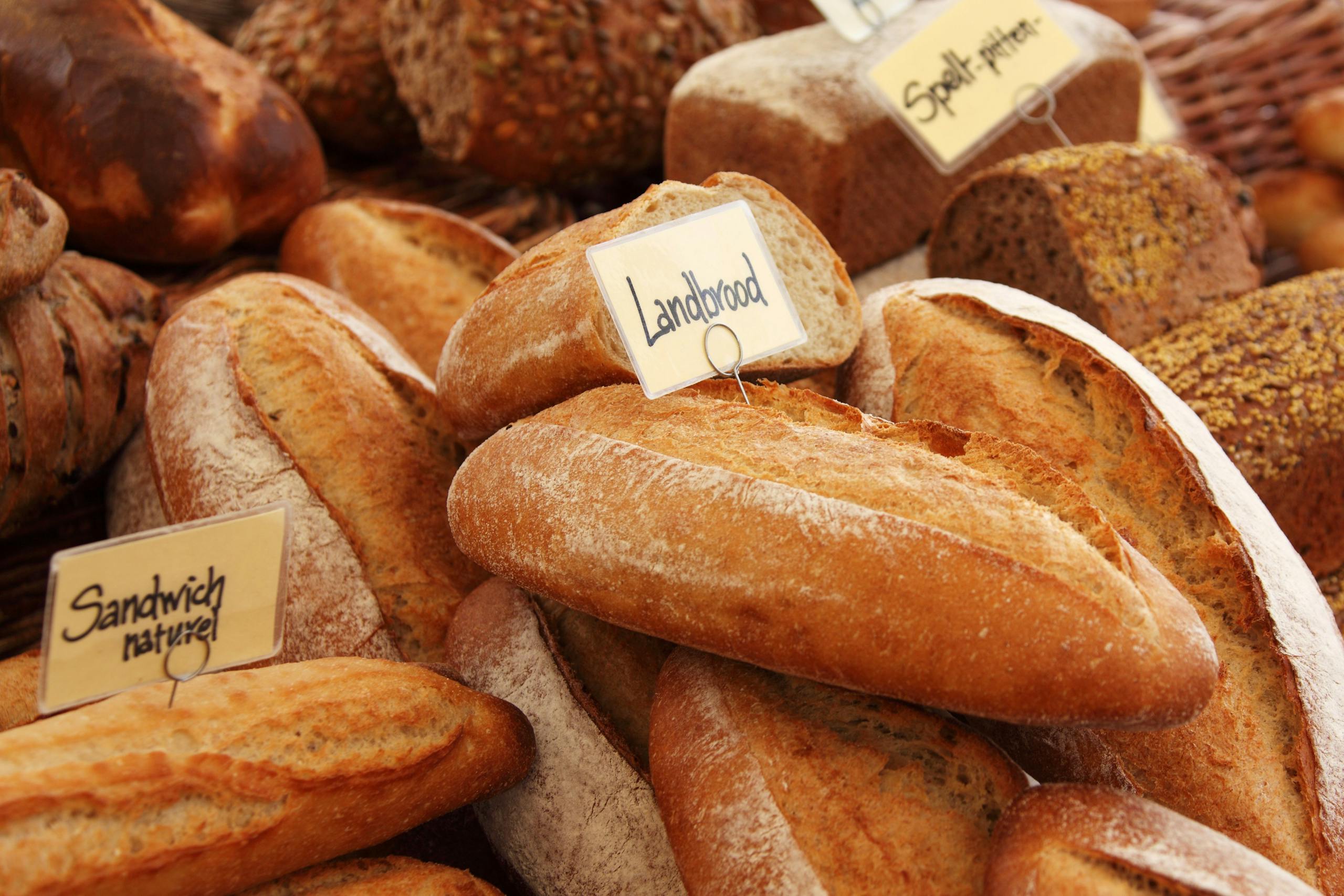
Bread has always been one of those grocery basics that people expect to be affordable. It sits in lunchboxes, holds sandwiches together, and saves dinner when nobody feels like cooking. But shoppers are now noticing that better-quality bread can cost far more than expected.
Cheap bread may still exist, but many shoppers feel it comes with a tradeoff. They want fewer strange ingredients, better texture, and something that does not taste like soft cardboard. That is why some people are baking at home, buying bread only on sale, or stretching one loaf much longer than before.
Bakery Treats
Cookies, muffins, cakes, and pastries used to be small grocery-store joys. They made the cart feel a little happier and gave families an easy dessert without turning on the oven. Now, those treats can feel like luxury purchases disguised as casual snacks.
Many shoppers are realizing that homemade baking gives them more food for less money. A batch of cookies, banana bread, or cupcakes can cost less than a few bakery-counter items. The tradeoff is time, but for households watching every dollar, time in the kitchen may feel cheaper than sticker shock at checkout.
Beef
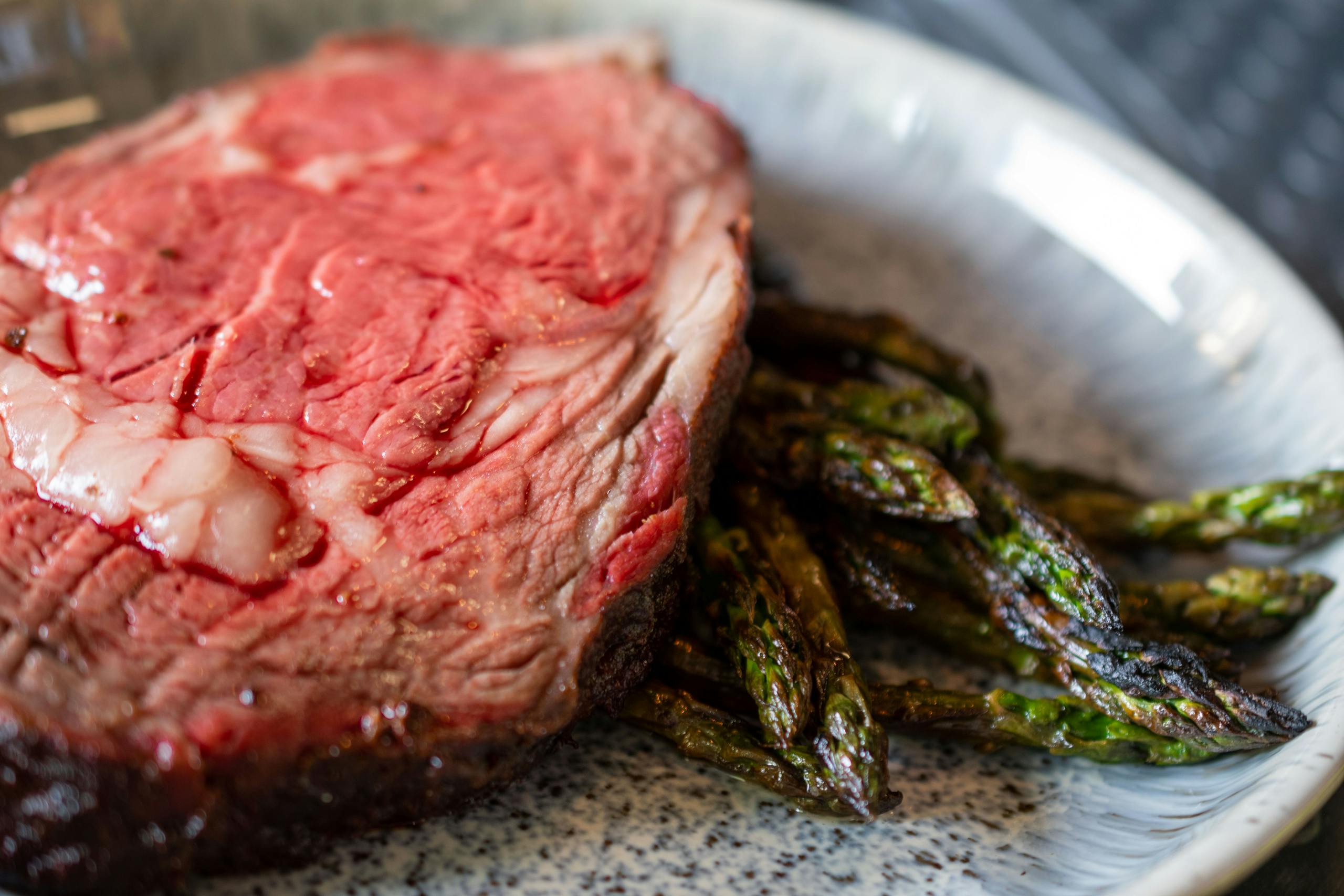
Beef has become one of the biggest budget breakers in the grocery store. Steak has long been expensive, but now even basic cuts and ground beef can make shoppers hesitate. For families that used to plan burgers, tacos, meatloaf, or spaghetti around beef, that price jump hits hard.
Many shoppers are switching to chicken, beans, lentils, tofu, eggs, or smaller portions of meat. Some still buy beef, but only when it is on sale or marked down. The new rule is simple: beef has to justify its place in the cart, and that is a strange shift for a food that once felt like a weekly staple.
Canned Soda
Canned soda has gone from an easy treat to a budget enemy for many households. A 12-pack once felt like a harmless add-on for lunches, cookouts, movie nights, or guests. Now, shoppers see the price and decide that water, tea, lemonade mix, or store-brand drinks will do just fine.
The frustration is worse because soda is not a necessity. When the price climbs, it becomes one of the easiest items to cut. People may still crave the fizz, but they are less willing to pay a restaurant-level price for cans sitting in the fridge.
Chips
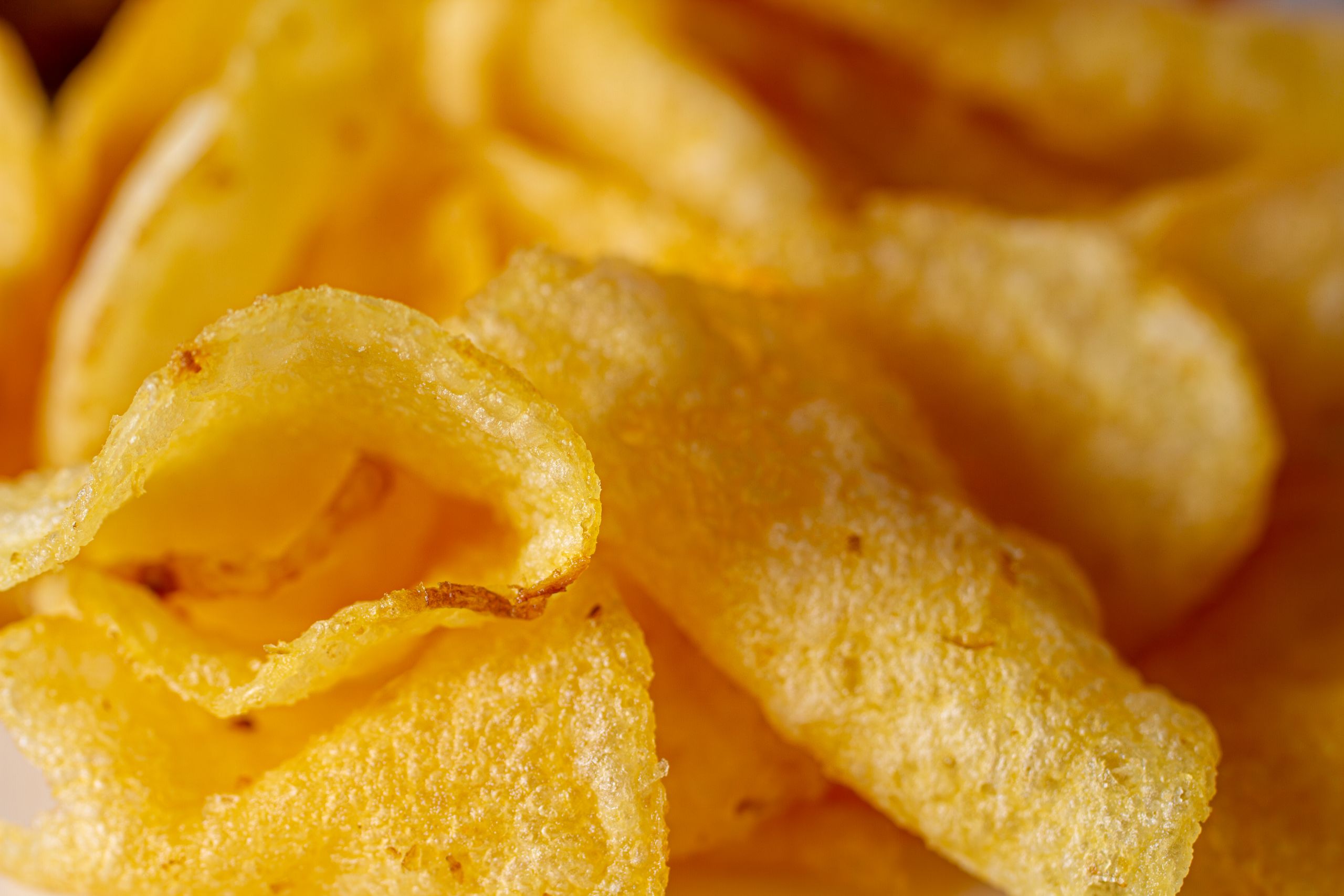
Chips may be one of the most painful cuts because they are pure comfort food. They go with sandwiches, parties, road trips, game nights, and lazy dinners. But when one bag costs nearly as much as a simple meal, shoppers start asking uncomfortable questions.
The real problem is shrinkflation. The bag still looks big, but the amount inside often feels smaller. That leaves shoppers feeling cheated twice: first by the price, then by the air-filled packaging. Popcorn, crackers, homemade snacks, or skipping the snack aisle altogether suddenly feels smarter.
Meat
Beyond beef, meat in general is losing its automatic place in the cart. Chicken, pork, turkey, and processed meats can all stretch a grocery bill fast. Families that once built every dinner around meat are now rethinking the whole plate.
This does not mean everyone is becoming a vegetarian. It means shoppers are learning to stretch meat with beans, rice, pasta, mushrooms, vegetables, and leftovers. A pound of meat now has to work harder, feed more people, and last longer than it did before.
Frozen Pizza
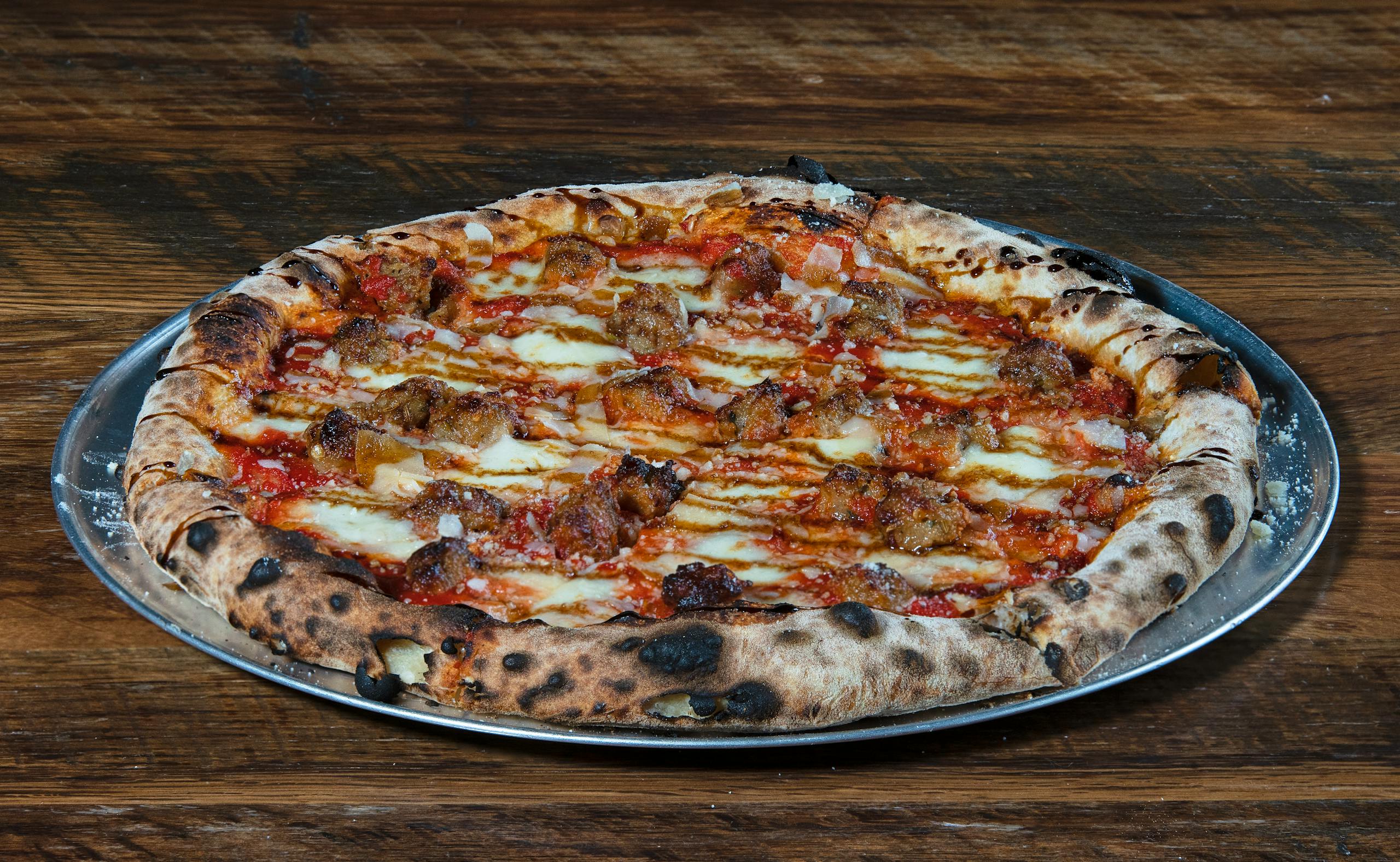
Frozen pizza was supposed to be the cheap backup plan. It lived in the freezer for tired nights, busy evenings, and moments when cooking felt impossible. But once the price climbs too high, it loses the whole reason people bought it in the first place.
Shoppers now compare frozen pizza to homemade pizza, takeout deals, or simple pantry meals. If the crust is small, the toppings are thin, and the price keeps rising, the value disappears fast. For many families, frozen pizza is no longer a bargain. It is a convenience they only buy when the sale price makes sense.
Coffee Pods
Coffee pods sold people on speed, convenience, and easy cleanup. For a while, that felt worth it. But as grocery bills rise, shoppers are looking at those little pods and seeing money disappearing one cup at a time.
Ground coffee, reusable pods, French presses, and drip coffee makers are making a comeback in budget-conscious homes. The taste can still be strong, and the cost per cup is usually easier to stomach. Convenience is nice, but when every grocery item feels more expensive, convenience becomes one of the first luxuries to go.
Conclusion
The modern grocery cart tells a story of quiet sacrifice. People are not always making dramatic lifestyle changes. They are making small cuts, one aisle at a time. No chips this week. No soda this month. No beef unless it is marked down. No bakery cookies unless there is a real reason.
That is what makes rising grocery prices feel so personal. These are not rare luxury items. They are the familiar foods people grew up with, packed in school lunches, served at family dinners, and grabbed during busy weeks. When those items start feeling too expensive, shoppers do not just change what they buy. They change how they live.