Barcelona spent decades becoming one of the most visited cities on Earth, attracting millions with its stunning architecture, Mediterranean coastline, and unforgettable culture. Now, the Spanish city is taking a bold step by slowing down the tourism boom that helped make it famous. Officials say Barcelona is not rejecting visitors, but protecting the people who call the city home.
For years, Barcelona represented the dream European getaway. Travelers from around the world arrived to admire the Sagrada Família, walk through the Gothic Quarter, enjoy local cuisine and experience the energy of one of Europe’s most vibrant cities.
But behind the famous landmarks, a growing conflict has emerged. Many residents say the city’s popularity has created new problems, including rising housing costs, crowded streets and neighborhoods that feel increasingly designed for tourists instead of locals.
Now, Barcelona is changing its approach. City leaders are introducing stricter tourism controls, increasing visitor taxes, limiting cruise tourism and removing thousands of vacation rental licenses.
The goal is not to stop tourism completely. Officials want to move away from a model focused on attracting more visitors every year and toward one that creates a better balance between travelers and residents. José Antonio Donaire, Barcelona’s commissioner for sustainable tourism, summarized the city’s new direction with a phrase that gained international attention: “Not one tourist more.”
The statement does not mean Barcelona is closing its doors. Instead, officials argue that the city has reached a point where continued growth could damage the culture, affordability and quality of life that make Barcelona attractive.
Barcelona’s tourism success created a new challenge
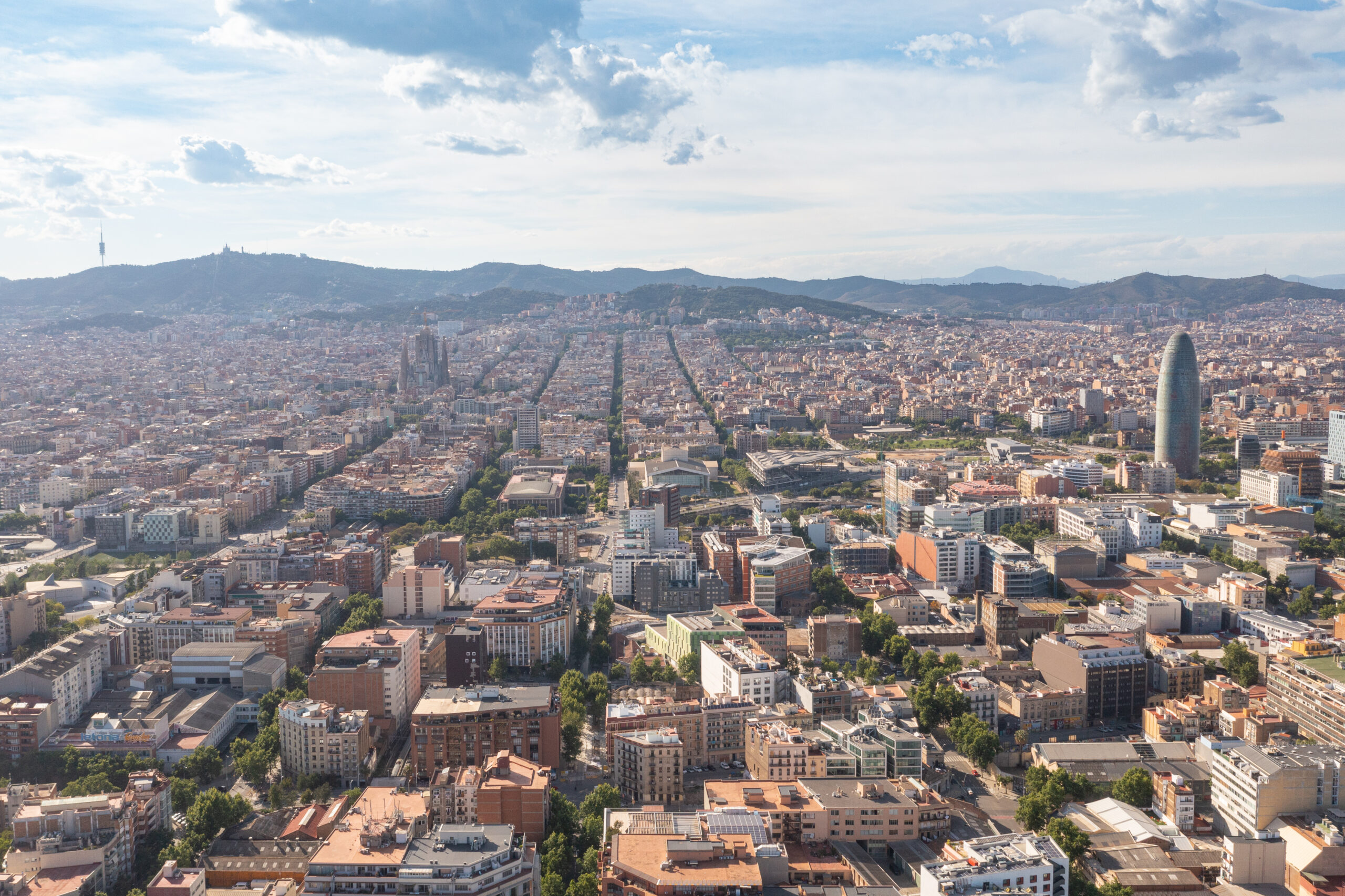
dronepicr, CC BY 2.0, via Wikimedia Commons
Tourism has long been one of Barcelona’s strongest economic engines. Millions of visitors support hotels, restaurants, transportation companies, cultural attractions and thousands of jobs throughout the city.
The industry brings billions of dollars into the local economy and helps maintain Barcelona’s position as one of Europe’s most important destinations. However, the same success has created pressure that city leaders can no longer ignore.
The challenge facing Barcelona is not whether tourism is valuable. The challenge is deciding how much tourism a city can handle before it begins changing beyond recognition.
Residents increasingly argue that the city’s success has come with hidden costs. They point to crowded public spaces, rising rents and the disappearance of businesses that once served local communities.
For many locals, the issue is not the presence of tourists. The frustration comes from the feeling that everyday life has become more difficult because of the constant demand created by millions of temporary visitors.
Residents fear losing the Barcelona they know
Many Barcelona residents say their neighborhoods have transformed dramatically over the past decade. Streets that once served local communities now attract large tour groups, short term visitors, and businesses focused primarily on tourists.
Traditional stores have increasingly competed with souvenir shops, vacation services, and restaurants designed for visitors. Some locals worry that the city’s historic areas could become places people visit, but fewer people actually live.
A neighborhood has more than its buildings and landmarks. Residents argue that the people, traditions, and everyday businesses are what give Barcelona its unique identity.
The debate has created a difficult emotional divide. Tourists see a beautiful city full of life, while some residents see a place where ordinary routines are becoming harder to maintain.
Housing crisis pushes Barcelona toward vacation rental restrictions
Housing has become the biggest issue connected to Barcelona’s tourism debate. Many residents blame the growth of short term vacation rentals for reducing the number of homes available to people who live and work in the city.
Barcelona plans to eliminate more than 10,000 licensed tourist apartment permits by 2028. Officials hope those properties will return to the long term housing market and provide more options for residents. Supporters say the policy could help ease housing pressure. They argue that apartments should primarily serve people who need permanent homes rather than visitors staying for a few nights.
Critics believe the measure could create new challenges. Some property owners warn that removing legal rentals could hurt small businesses and potentially encourage illegal vacation accommodations. The debate reflects a larger question affecting major cities worldwide. When tourism becomes extremely profitable, who should benefit most from that success: visitors, investors or residents?
Cruise ships become a major focus of Barcelona’s crackdown
Cruise tourism has become one of the most visible symbols of Barcelona’s overcrowding problem. Large ships can bring thousands of passengers into the city within a short period, creating sudden pressure on transportation systems and popular attractions.
Many cruise visitors spend only several hours in Barcelona before returning to their ships. City officials argue that these short visits create significant crowds while providing fewer economic benefits compared with travelers who stay overnight.
Barcelona is now pushing for higher taxes on short term cruise passengers. Officials believe increased costs could encourage cruise companies to reduce crowded stopovers and focus more on longer visits.
The city is also working to limit the impact of cruise traffic by reducing terminal capacity and managing the flow of passengers arriving at major tourist areas. The strategy reflects Barcelona’s wider goal of reducing overcrowding while encouraging tourism that contributes more directly to the local economy.
Barcelona wants fewer visitors and better tourism
Barcelona’s new tourism strategy focuses on quality rather than unlimited growth. Officials want visitors who spend more time exploring the city and contributing to local businesses. The city is encouraging longer stays, cultural tourism and experiences that go beyond the most crowded attractions. Leaders believe this approach can protect Barcelona’s character while maintaining tourism revenue.
A city built only around tourism risks losing the qualities that made it attractive in the first place. Officials argue that protecting local neighborhoods is also a way of protecting the future of tourism.
Barcelona wants travelers to experience the city as a living community rather than simply a collection of famous landmarks. The goal is to create a destination where residents and visitors can both enjoy the city.
Protests reveal growing frustration among locals
Barcelona’s anti tourism protests captured global attention when demonstrators sprayed some visitors with water guns. The unusual protests became a symbol of the anger many residents feel about the effects of mass tourism.
However, many protesters have said their frustration is not directed at individual travelers. Their criticism is aimed at a system they believe has prioritized tourism growth over housing and local quality of life.
Demonstrators have argued that Barcelona’s neighborhoods are becoming less accessible for the people who have lived there for generations. They want policies that protect communities while still allowing responsible tourism.
The protests highlight a growing issue across popular destinations. Residents are demanding that governments consider the long term impact of tourism growth instead of focusing only on visitor numbers.
Barcelona joins a global fight against overtourism
Barcelona is part of a much larger international movement. Popular destinations around the world are introducing new rules to manage the effects of excessive tourism.
Venice has introduced visitor fees, while Amsterdam has restricted certain tourism activities and limited hotel expansion. Other destinations are experimenting with visitor caps, reservation systems, and higher taxes.
The message from these cities is becoming clearer. More tourists do not always mean a better future. When destinations become overcrowded, both residents and visitors can lose something important. Locals lose comfort and affordability, while travelers may experience a less authentic version of the place they hoped to discover.
Barcelona’s response could influence how major tourist cities manage growth for years to come.
What travelers should know about Barcelona’s new rules?
Barcelona will remain one of Europe’s most popular destinations. Visitors will still be able to explore its architecture, beaches, museums and cultural attractions.
However, travelers should expect changes in the coming years. Higher tourism taxes, stricter rental regulations and tighter cruise controls are likely to become part of the city’s future.
Visitors may also find that exploring less crowded neighborhoods offers a more authentic experience. Spending money at local restaurants, independent stores and cultural sites can help ensure tourism benefits the wider community.
The future of travel may require a different mindset. Instead of simply asking where millions of people want to go, cities are beginning to ask how many people they can welcome without losing their identity.
Barcelona’s warning to the world
Barcelona’s tourism battle represents a much bigger conversation about the future of popular destinations. Around the world, cities are realizing that unlimited growth can create problems that are difficult to reverse.
Tourism can bring jobs, investment and global recognition. But when visitor numbers grow faster than housing, infrastructure and communities can handle, the benefits can become harder to sustain.
Barcelona is attempting to find a middle ground. The city does not want to turn away travelers, but it also does not want residents to feel forced out by its own popularity. The message is simple: Barcelona welcomes visitors, but it wants to remain a city first and a tourist destination second.