Some stories survive because they make people feel better. They smooth the violence, soften the blame, and turn a brutal system into something easier to explain away.
American slavery was not a misunderstanding, a regional habit, or a sad old chapter that ended neatly in 1865. It was a legal, violent, profitable system that shaped labor, land, wealth, politics, policing, family life, and race in the United States.
The most dangerous myths do not always deny that slavery existed. Some simply make it smaller. They turn ownership into employment, resistance into silence, and profit into “tradition.” That is how history gets cleaned up until the truth barely resembles itself.
Slavery Was Just a Southern Sin
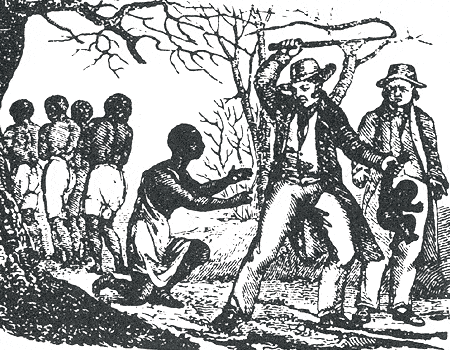
This myth lets too many people feel innocent. Yes, plantation slavery became most concentrated in the South, especially as cotton expanded. But slavery’s money moved through banks, ports, insurance offices, textile mills, ships, and Northern commercial networks.
The National Park Service notes that many Northern merchants built fortunes through the slave trade or products of slave labor, showing how they profited from the broader system. The South held the plantation machine. The nation helped feed it.
Enslaved People Were Treated Like Workers
This belief is not just wrong. It is insulting. Workers can negotiate pay, leave a job, marry freely, keep their children, and own their own bodies. Enslaved people had none of those protections under the system that held them.
They could be bought, sold, punished, separated, hunted, and legally controlled. Calling them workers hides the violence behind the labor. It makes slavery sound like a bad workplace instead of a system built on ownership, fear, and force.
Most People Quietly Accepted It
The idea that enslaved people accepted slavery helps protect the myth of a gentle system. It suggests that bondage survived because people adjusted to it, not because violence held them there. That is a comfortable lie.
Resistance came in many forms. Some people ran away, rebelled, slowed work, broke tools, hid food, protected loved ones, learned to read, preserved culture, or passed information quietly. The Library of Congress collection includes more than 2,300 accounts from formerly enslaved people, and those memories show that survival was never surrender.
Slavery Was Mostly House Service
Movies and polite retellings often focus on house servants, polished silver, and grand homes. That image makes slavery look smaller and less physically brutal. It leaves out the fields, swamps, workshops, docks, rice plantations, cotton rows, sugar labor, and constant surveillance.
House slavery was still slavery. It carried control, abuse, sexual exploitation, punishment, and fear. But reducing the system to domestic service hides the scale of forced agricultural labor that powered massive profits. The plantation economy did not run on kindness. It ran on stolen labor.
The Civil War Was Really About Something Else
People still reach for softer explanations. They say the Civil War was about tariffs, pride, culture, or vague states’ rights. Those topics existed, but slavery sat at the center of the national crisis.
The fight over slavery’s future tore the country apart. Seceding states defended slavery and the rights of slaveholders in their own words. The National Park Service describes slavery as central to the crisis, with slavery causing Civil War evidence rooted in politics, expansion, and secession. Avoiding that truth makes the war easier to romanticize.
Lincoln’s Proclamation Freed Everyone
The Emancipation Proclamation changed the war, but it did not instantly free every enslaved person in America. It applied to areas in rebellion against the Union. It did not immediately end slavery in loyal border states.
The National Archives states that the proclamation did not end slavery nationwide, even though it transformed the war’s purpose and allowed Black men to serve in the Union Army and Navy. Full legal abolition required the 13th Amendment. Freedom came through war, law, resistance, and pressure.
Enslaved Families Were Not Real Families
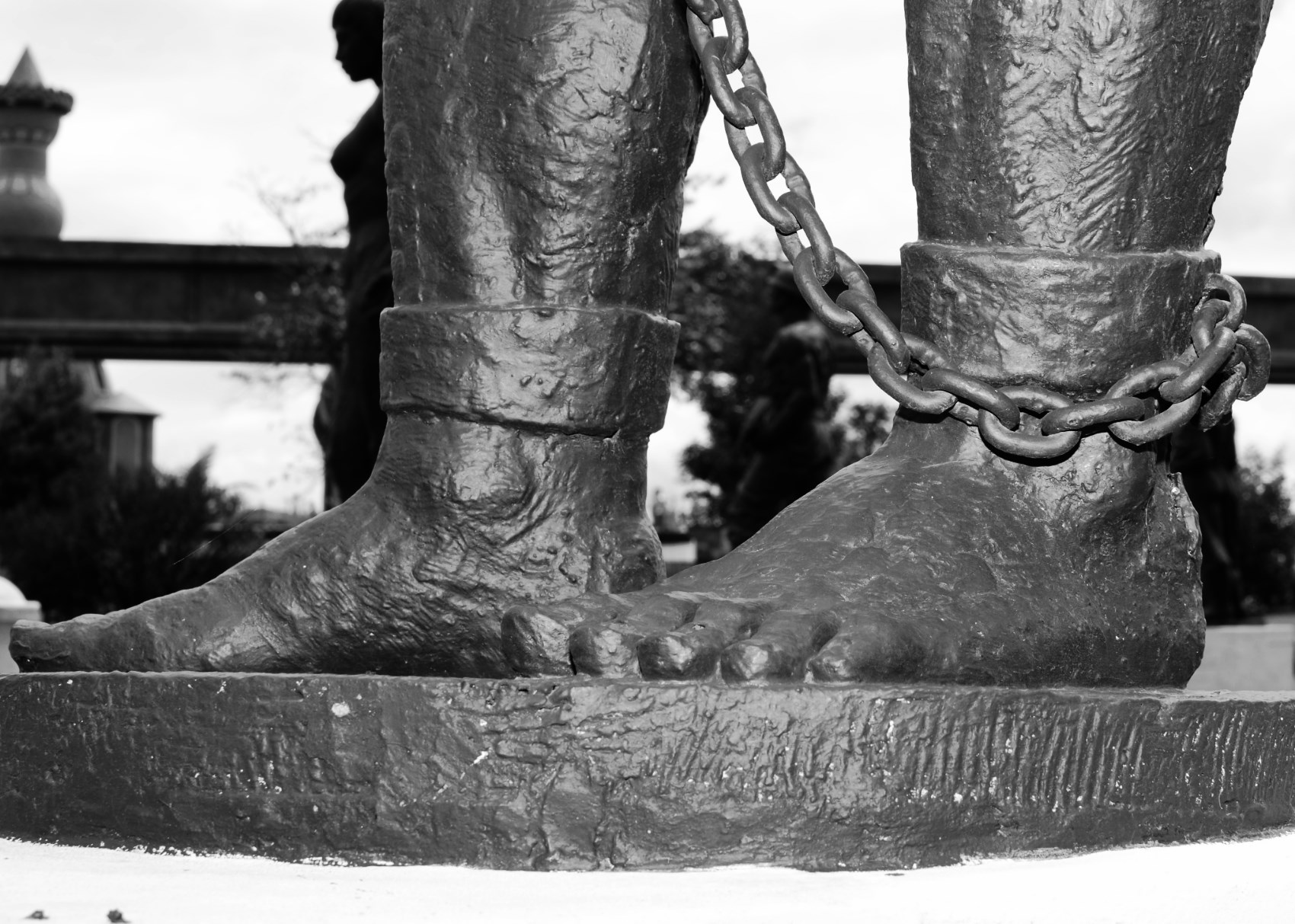
This false belief may be one of the cruelest. Enslaved people loved, married, raised children, cared for elders, built kinship networks, and fought to keep family bonds alive. The system did not ignore those bonds. It attacked them.
Sales could separate spouses, parents, siblings, and children with little warning. That terror was part of slavery’s power. Saying enslaved families were somehow less real protects the people who sold them apart. The families were real. The law simply refused to honor their humanity.
Slavery ended, and the Damage Vanished.
Legal slavery ended, but its consequences did not disappear. Emancipation opened new fights over land, wages, schools, voting, safety, citizenship, and political power. Many freed people entered freedom without compensation, property, or protection from hostile systems.
After slavery came Black Codes, racial terror, convict leasing, sharecropping traps, segregation, and voter suppression. The National Museum of African American History and Culture says the move from slavery to freedom included major roadblocks as the country confronted how resources would reach newly freed people. Freedom was real, but it was never handed over cleanly.
Slavery Was Separate From American Wealth
This myth survives because it protects old money and national pride. Slavery was not some side business operating outside the American economy. It produced crops, expanded land value, shaped banking, strengthened trade, and helped build industries far from plantations.
Cotton did not pick itself. Rice did not harvest itself. Sugar did not appear by magic. Enslaved labor created wealth for owners, investors, merchants, shippers, and manufacturers. Pretending that wealth arose from hard work alone overlooks the people forced to create it without pay.
Talking About Slavery Keeps America Divided
Some people argue that bringing up slavery creates division. That flips the problem backward. The division did not begin with the telling of the truth. It began with the system itself and the long refusal to face its aftermath honestly.
History does not become less painful because people avoid it. It becomes easier to distort. When myths replace facts, cruelty gets repackaged as complexity, and accountability starts looking optional. America does not need a softer version of slavery. It needs a truer one.
The myths around American slavery are powerful because they ask so little from the listener. They offer comfort without responsibility and memory without confrontation. But if a country keeps repeating false beliefs about the people it enslaved, what else is it still afraid to admit?