The first sign that summer is leaving the kitchen is the moment a cold salad stops feeling satisfying. The grill sits untouched. Fresh fruit and sandwiches that carried the warm months suddenly feel less exciting. Dinner starts calling for something warmer, slower, and a little more comforting.
But a seasonal reset does not mean replacing your entire recipe collection or spending every evening cooking complicated meals.
Often, the easiest changes are small ones: roasting instead of chopping, simmering instead of assembling, cooking once instead of starting from scratch every night.
That shift matters because time is already one of the biggest challenges in home kitchens. In 2025, Americans aged 15 and older spent an average of 0.71 hours per day on food preparation and cleanup.
Fall cooking works best when it respects that reality. The goal is not to create more kitchen work. It is to make the food you already enjoy fit the season better.
A warmer bowl, a roasted vegetable tray, a pot of soup that becomes tomorrow’s lunch; these small changes can make a familiar meal routine feel completely new.
Here are 10 swaps that can help summer favorites transition into fall.
Turn cold grain bowls into warm autumn bowls
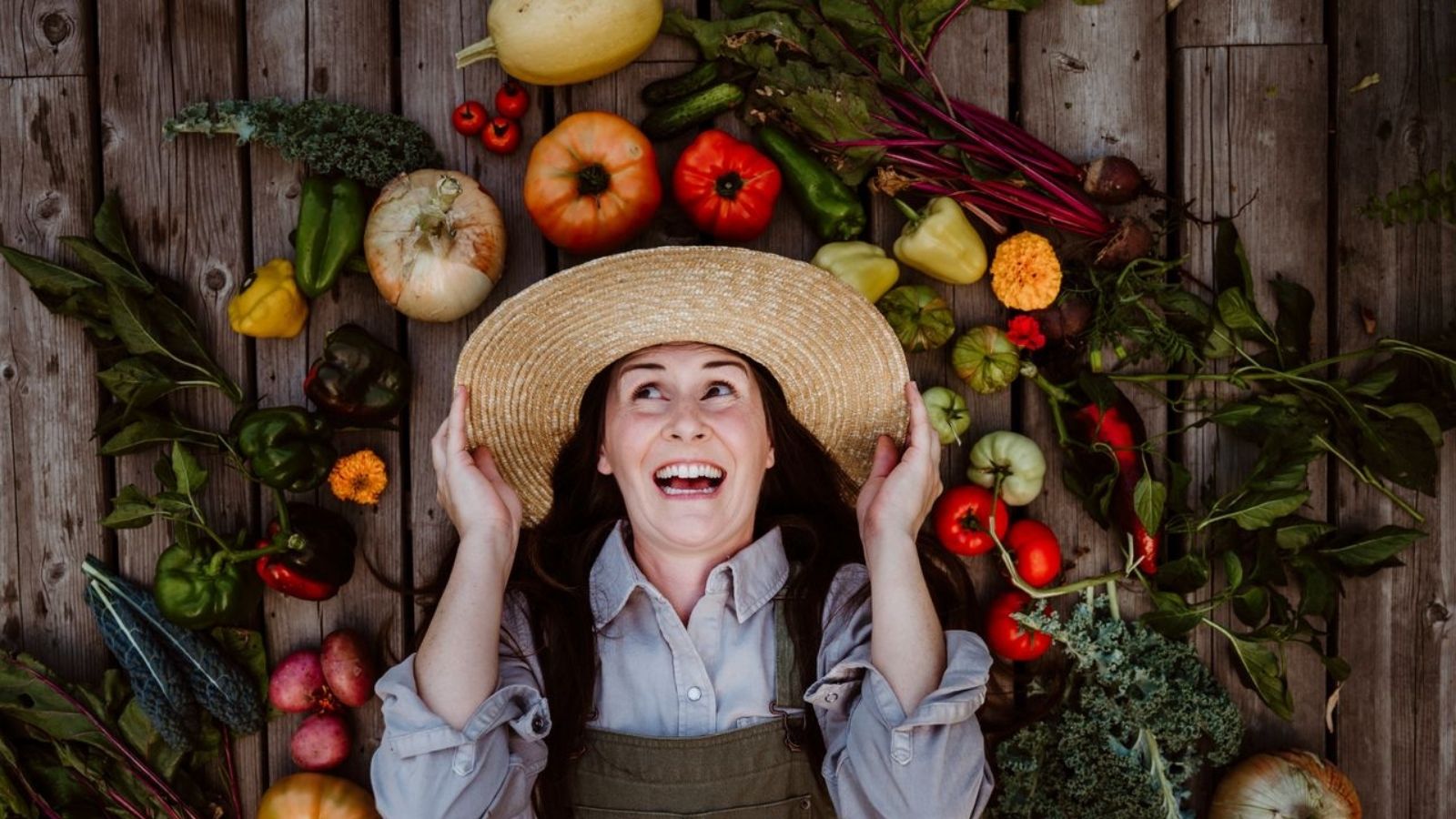
Grain bowls do not have to disappear when summer ends. They simply need a different personality.
The bright tomatoes, cucumbers, and chilled toppings that work beautifully in July can make room for roasted vegetables, warm grains, richer sauces, and heartier ingredients once the weather cools.
Imagine a bowl built around roasted sweet potatoes, brown rice, sautéed greens, grilled chicken, and a creamy tahini dressing. Or roasted squash paired with quinoa, chickpeas, herbs, and a sharp vinaigrette.
The structure stays the same. The feeling changes.
Seasonal produce makes this transition easier. The USDA’s seasonal produce resources highlight fall favorites such as apples, pears, broccoli, cauliflower, carrots, potatoes, sweet potatoes, and winter squash.
The real time-saving trick is preparing several pieces at once. Roast vegetables on one tray, cook a batch of grains, and make a sauce that works across multiple meals.
Suddenly, one cooking session becomes several different dinners.
Cook grains once and let them carry the week
One quiet frustration of weekday cooking is repeating small tasks.
Making rice, quinoa, farro, or another grain every evening may only take a few minutes, but those minutes add up when dinner already involves chopping, seasoning, and cleaning.
Batch cooking changes the rhythm.
A pot of rice made on Sunday can become a breakfast bowl on Monday, a side dish on Tuesday, and part of a stir-fry or casserole later in the week.
The trick is thinking beyond leftovers. Instead of cooking extra food and hoping you use it, plan where each portion will go.
Food safety still matters. FoodSafety.gov recommends refrigerating leftovers within two hours and using refrigerated leftovers within three to four days.
The best batch cooking is not about filling the refrigerator with containers. It is about creating building blocks that make future meals easier.
Let the oven do more of the work
Summer cooking often celebrates speed: grilled chicken, fresh salads, quick sandwiches.
Fall brings back one of the most useful kitchen tools: the oven.
Roasting changes ordinary ingredients. A carrot becomes sweeter. Brussels sprouts develop crisp edges. Squash becomes soft and caramelized. Potatoes turn golden on the outside while staying tender inside.
That transformation is partly thanks to the Maillard reaction, the chemical process responsible for many of the flavors and aromas created when foods brown during cooking.
Instead of preparing separate vegetables for separate meals, roast a large tray and use it throughout the week.
Those vegetables can become:
- a warm grain bowl topping
- a filling for wraps
- a side dish with dinner
- an addition to pasta or soup
Replace summer sandwiches with soups that improve overnight
Few foods announce the arrival of fall like a pot of soup.
Soup is practical because it does what busy cooks need most: it stretches.
A large pot can become dinner one night, lunch the next day, and a freezer meal for later.
Soup is also one of the easiest ways to combine different leftovers. Roasted vegetables, cooked chicken, beans, grains, and herbs that seem too small to make separate meals can all fit in one pot.
Many soups actually become better after resting because flavors continue to blend as the ingredients sit together.
The key is storing them properly. Divide large batches into smaller containers so they cool faster before refrigeration.
A summer sandwich may solve tonight’s dinner problem. A good fall soup can solve several.
Trade complicated dinners for one-pan comfort meals
One-pan dinners become popular for a reason when the weather cools.
They simplify the entire experience.
Instead of managing several pots and pans, cooks can combine proteins, vegetables, and seasonings in one dish and let the oven handle much of the work.
A sheet pan with chicken, sweet potatoes, and Brussels sprouts can become a complete meal. A skillet with ground meat, beans, vegetables, and spices can create enough variety for several servings.
The concept works because fall ingredients naturally cooperate.
Root vegetables, squash, potatoes, mushrooms, and hearty greens are designed for roasting, sautéing, and slow cooking.
The best weeknight meals are not always the ones with the shortest ingredient list.
Sometimes they are the ones that leave the cook with only one pan to wash.
Give summer salads a sturdier fall upgrade
Summer salads often depend on delicate ingredients that are best eaten quickly. Lettuce, cucumbers, tomatoes, and fresh herbs add brightness, but they can become less practical when you’re preparing meals that last several days.
Fall offers a different kind of salad: one built around ingredients that can hold up over time.
A chopped salad with cabbage, roasted vegetables, apples, nuts, grains, or hearty greens stays crisp longer and becomes more versatile throughout the week. Instead of being a side dish that disappears at dinner, it can become the foundation for lunches, wraps, and bowls.
Cabbage, carrots, broccoli, Brussels sprouts, and cauliflower are among the vegetables commonly associated with cooler-season cooking and work especially well because they maintain texture after preparation.
This is one reason slaws deserve more attention in fall kitchens.
A simple mix of shredded cabbage and carrots can become completely different meals depending on what you add. Toss it with a tangy dressing for a side dish, place it inside a sandwich, or use it as a crunchy topping for a grain bowl.
Plan leftovers before dinner happens
Leftovers often fail because people treat them as an accident.
Someone makes dinner, puts whatever remains into a container, and hopes there will be a plan later.
A better approach is deciding during cooking what tomorrow’s meal could become.
A roasted chicken dinner can become wraps, soup, or grain bowls. Extra vegetables can become a filling for omelets or pasta. Cooked grains can become fried rice, stuffed vegetables, or a warm breakfast bowl.
This approach changes leftovers from something forgotten into part of the original recipe.
Research from the Harvard T.H. Chan School of Public Health has highlighted household food waste as a major contributor to food waste in the United States, with consumer behavior playing an important role in what gets discarded.
The practical lesson is simple: cook with the next meal in mind.
Replace multiple side dishes with complete skillet meals
Traditional dinners often separate everything.
There is a main dish. A vegetable. A starch. Maybe another side. The result can be delicious, but it also creates more preparation and more cleanup.
Skillet meals take a different approach.
They combine several elements into one dish, making dinners easier to prepare and adapt.
A skillet can hold ground turkey, vegetables, and grains. It can combine beans, peppers, and spices for a filling vegetarian meal. It can turn leftover ingredients into something completely new.
The format works especially well in fall because cooler weather naturally invites meals with deeper flavors.
Mushrooms, squash, potatoes, cabbage, and greens can all move easily from a cutting board into a single pan.
The benefit is not just fewer dishes.
It’s a dinner style that lets you be creative without requiring a new recipe every night.
Build a fall flavor formula instead of collecting endless recipes
Many meal plans become difficult because every dinner starts from zero.
A new recipe requires a new shopping list, new ingredients, and a new set of instructions.
A better strategy is creating a formula.
Start with four elements:
- a base: rice, pasta, potatoes, grains, or bread
- a protein: chicken, beans, fish, eggs, tofu, or meat
- seasonal vegetables
- a sauce, spice blend, or finishing touch
From that simple structure, dozens of meals can appear.
A roasted vegetable bowl with tahini feels different from one with a spicy sauce. Chicken with herbs creates a different experience from chicken with curry spices. The ingredients may overlap, but the final meal does not feel repetitive.
This is how many professional kitchens operate. They rely on flexible components they can combine in different ways, rather than preparing every dish from scratch.
A home kitchen can use the same idea.
Replace a strict meal schedule with a seasonal kitchen rhythm
The most successful routines are usually flexible. They leave room for what is available at the grocery store, what is already in the refrigerator, and what people actually want to eat.
Instead of planning ten completely separate dinners, think about creating a rhythm:
One day for roasting vegetables.
One day for a large pot of soup.
One day for a simple skillet meal.
One day for using leftovers creatively.
This approach reflects how many cooks have traditionally approached seasonal eating, working with what is available rather than forcing every meal into a fixed schedule.
Seasonal cooking is not about making dinner more complicated.
It is about making the kitchen feel more connected to the time of year.