Funeral potatoes earned their memorable name through a practical act of kindness: feeding people after a funeral. The creamy, cheesy potato casserole became closely associated with meals organized by members of the Relief Society, the women’s organization of The Church of Jesus Christ of Latter-day Saints. In Utah and surrounding communities, it offered a familiar, filling dish when grieving families had more pressing things to think about than dinner.
But the casserole is not reserved for mourning. It also appears at family events, church gatherings, and potlucks, where its ability to feed a crowd makes it useful well beyond the occasion. No one knows who invented it, and similar potato casseroles exist elsewhere. The strongest story is not about who first mixed the ingredients, it is about how a community gave the dish meaning through repeated acts of care.
The Name Comes From the Meal After the Service
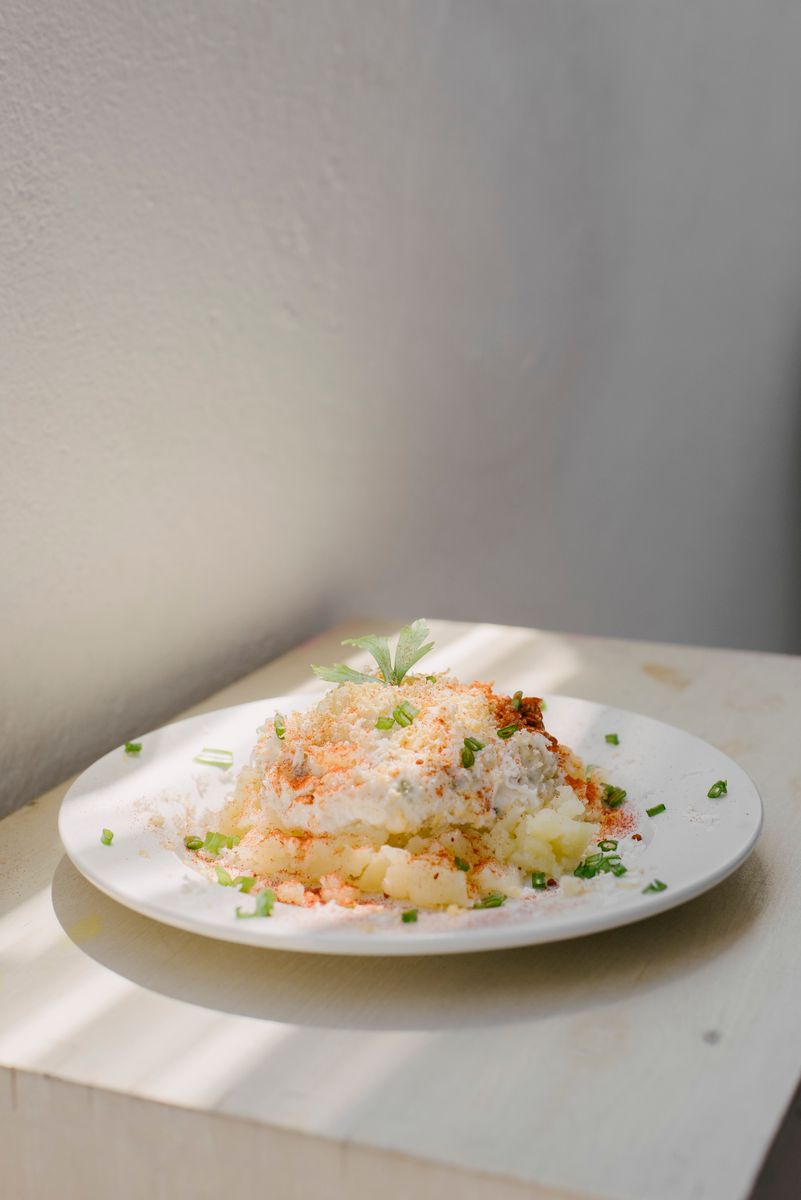
In Latter-day Saint communities, a funeral is often followed by a luncheon where relatives and friends gather to eat. Relief Society members have frequently helped organize, prepare, and serve those meals. As Allrecipes explains, feeding a large group of mourners requires dishes that are relatively simple to make and easy to serve. A substantial potato casserole fits that assignment without requiring each portion to be cooked separately.
That association helps explain the name, but it does not establish a precise invention date. Deseret News reports that early Relief Society cookbooks include versions of the dish, leading some people to credit the organization with its creation. The same account acknowledges that its origins remain obscure and that similar preparations appear in the Midwest and South. Cookbook appearances demonstrate circulation within a community; they do not necessarily identify the first cook.
Retired folklore professor Jacqueline Thursby offered a practical explanation in an NPR account summarized by Deseret News: Relief Society members needed quick meals they could prepare for their own households or deliver to families in need. Funeral potatoes provided a useful answer. That perspective shifts attention from a quirky recipe title to the work behind it, planning, shopping, cooking, and making sure others have a meal.
The dish’s comforting reputation is therefore partly social. “Even if you’re not from that faith, in Utah they’re still called ‘Mormon Funeral Potatoes’ and have only positive connotation,” Salt Lake City-born chef Tyson Peterson told Food & Wine in 2017. The term reflects the interview and the dish’s longstanding cultural association; it shouldn’t imply that only church members make it or that all Utah households follow the same tradition.
Inside the Casserole: Creamy Potatoes and a Crunchy Top
There is no single mandatory formula. Common versions use frozen hash browns or cubed potatoes, cheese, sour cream, butter and condensed cream soup, often with onion. Buttered cornflakes are a familiar topping, although crushed potato chips and other variations also appear. The appeal lies in the contrast between the soft, rich filling and the crisp surface, a modest-looking casserole with more texture than its pale interior suggests.
Convenience is part of that story, not something to apologize for. Frozen potatoes and canned soup cut prep time when a cook is feeding a large group. At the same time, versions made with fresh potatoes or a homemade cream sauce belong to the broader tradition. Choosing one approach over another changes the labor and ingredients; it does not, by itself, measure how sincerely someone is caring for the people being fed.
Peterson’s culinary endorsement was cheerfully direct: “Try it before you diet.” More importantly for gatherings, he said, “They are perfect for any get-together, as they’re customizable and feed many people easily.” That is the chef’s assessment, rather than a guarantee that every recipe serves the same number. A cook still needs to follow a formula and account for the group size.
The casserole’s flexibility also helps it move between occasions. A recipe suited to a post-funeral luncheon can work at another communal meal without losing its familiar name. SevenPonds’ account notes its presence at potlucks and social gatherings in areas with significant Latter-day Saint populations. The important distinction is that the name records a strong association, not a restriction: nobody needs a solemn occasion to put cheesy potatoes on the table.
Related: 10 Common Foods That Turn Dangerous (or Ruined) in the Microwave
How a Community Dish Became a Utah Calling Card
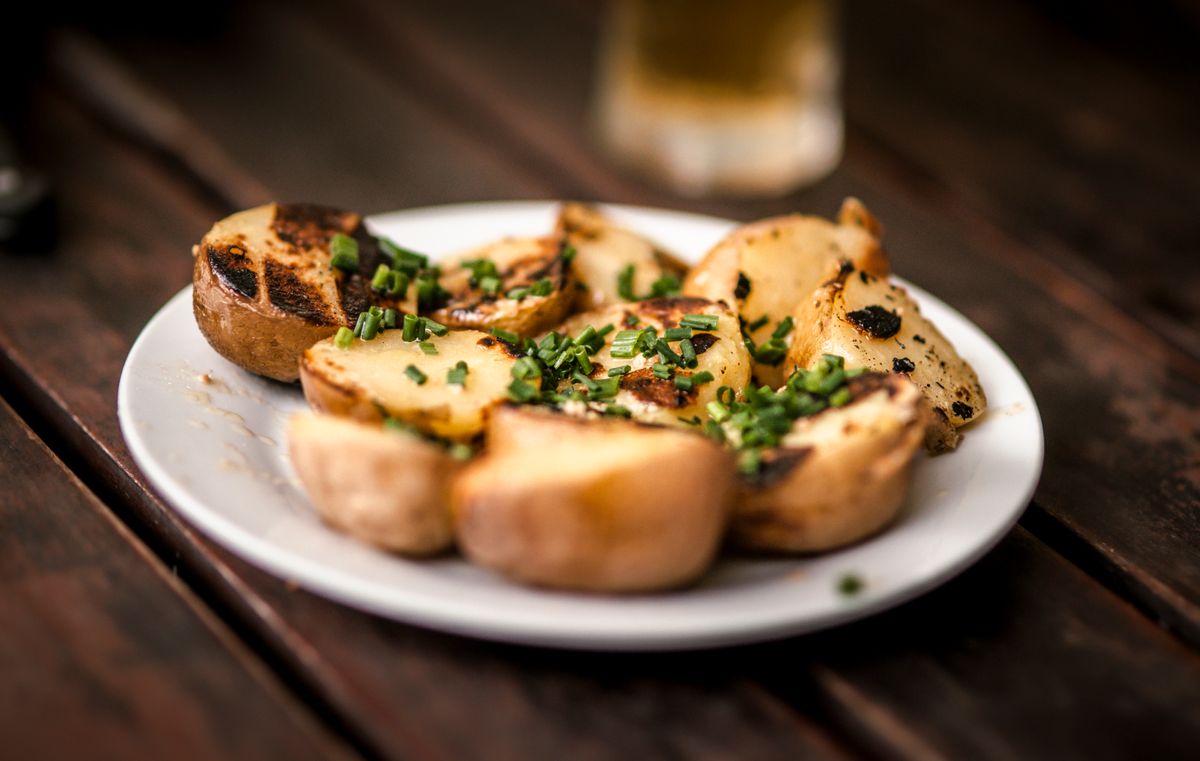
By the time Salt Lake City hosted the 2002 Winter Olympics, funeral potatoes were recognizable enough to appear among commemorative pins celebrating regional food culture. Allrecipes places them in a series it calls “Mormon Soul Food.” That small souvenir illustrates how a dish rooted in everyday hospitality became something people could recognize, collect, and explain to visitors, culinary shorthand for a particular place and community.
National attention has sometimes arrived through confusion. In 2018, the Salt Lake Tribune noted that a Walmart advertisement for Augason Farms’ dehydrated funeral potatoes puzzled people unfamiliar with the name. Detached from its cultural setting, the label can sound alarming. In context, it describes food brought to support the living, not anything unusual about the ingredients. The odd-sounding name travels faster than its explanation.
Restaurants have also carried the casserole beyond the church kitchen. Food & Wine documented chefs serving interpretations that acknowledge its home-cooked roots while adapting it for their menus. Leah Rose of Utah’s Hoof & Vine put its appeal in serving terms: “If you have not had the pleasure of pairing a chargrilled cut of beef with a hearty portion of funeral potatoes, you are missing out.” That is a recommendation, not a rule about what must accompany it.
Its enduring significance is best understood as hospitality rather than novelty. The ingredients are familiar, the invention story remains uncertain, and the recipe changes from kitchen to kitchen. What persists is the gesture: someone makes a pan of food so others can gather, eat, and feel looked after. In Utah’s funeral-potato tradition, the casserole matters both for what’s in the dish and for who thought to bring it.
Other Stories You Might Like
- 7 Kitchen Items You Should Get Rid Of
- 4 Things to Keep Out of Your Kitchen Cabinets (and Better Spots for Them)
- 7 Foods You Should Never Wash Before Cooking