Humans like to think we’re in control, but history shows otherwise. Animals, from tiny insects to massive mammals, have accidentally sparked disasters that reshaped lives, economies, and even infrastructure. These incidents weren’t intentional — they were the product of instinct, movement, or misfortune — yet their impact was massive. Understanding these moments reveals how fragile human systems can be when nature gets involved.
Birds That Grounded a Plane
In 2009, US Airways Flight 1549 struck a flock of Canada geese shortly after takeoff, causing both engines to fail. Pilots executed an emergency landing on the Hudson River, saving all 155 aboard. The incident demonstrated how even medium-sized animals can endanger modern aviation, prompting stricter airport wildlife management and aircraft design improvements to prevent bird strikes.
Wasps That Crashed a Jet
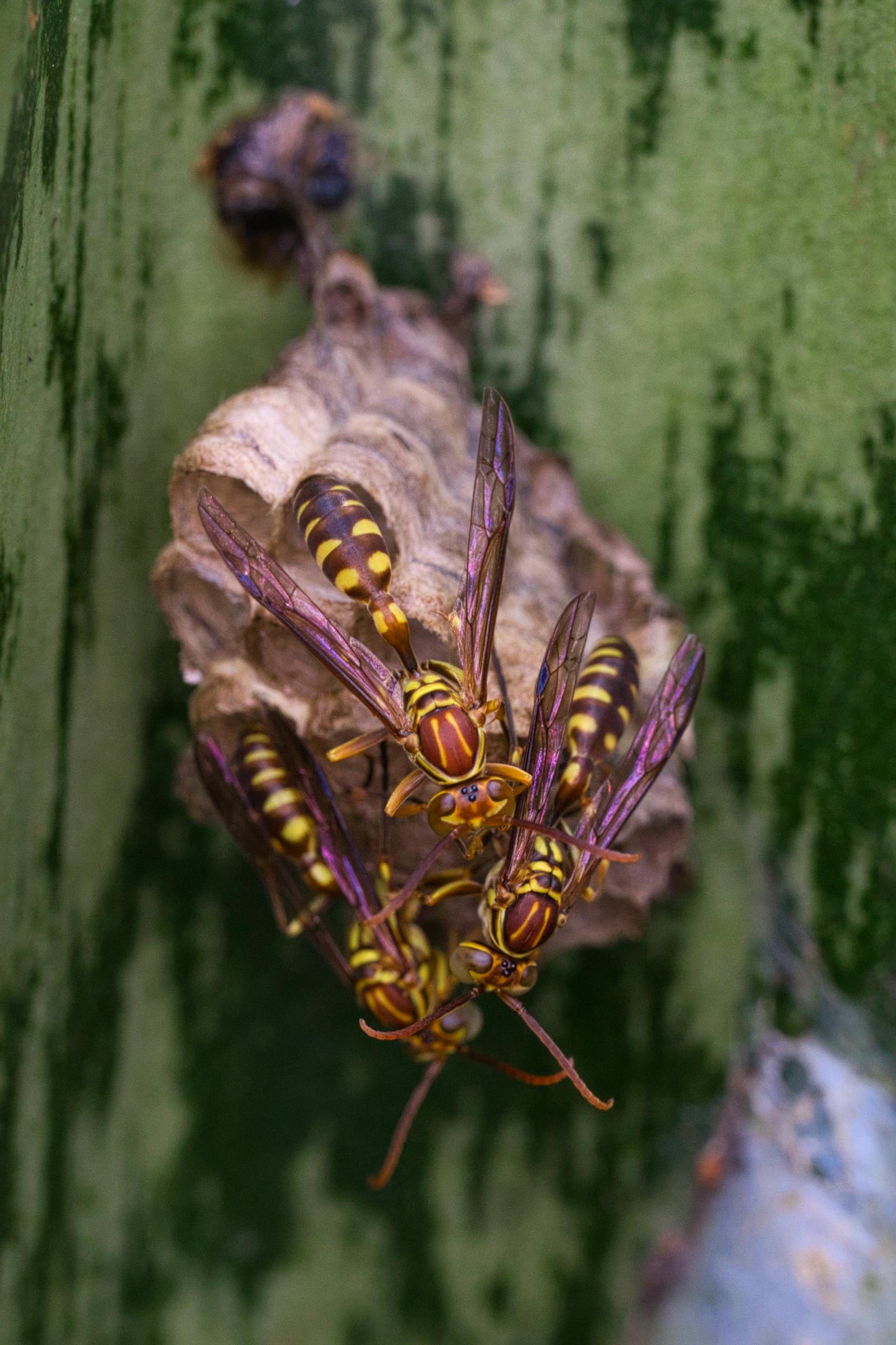
In 1996, a mud dauber wasp built a nest inside a plane’s critical sensor tube, giving false airspeed readings. Misled by the instruments, pilots lost control, and the aircraft plunged into the Atlantic Ocean. All 189 passengers died. This tiny insect’s behavior revealed how vulnerable advanced systems can be to small wildlife, reminding engineers that even minute creatures can have catastrophic consequences.
Rats and the Black Death
During the 14th century, black rats carrying plague-infected fleas traveled along trade routes, spreading the bubonic plague across Europe and Asia. Millions perished. These rodents, acting entirely on instinct, indirectly triggered one of the deadliest pandemics in history, highlighting how animal populations can dramatically influence human societies when pathogens are involved.
Locust Swarms That Sparked Famine
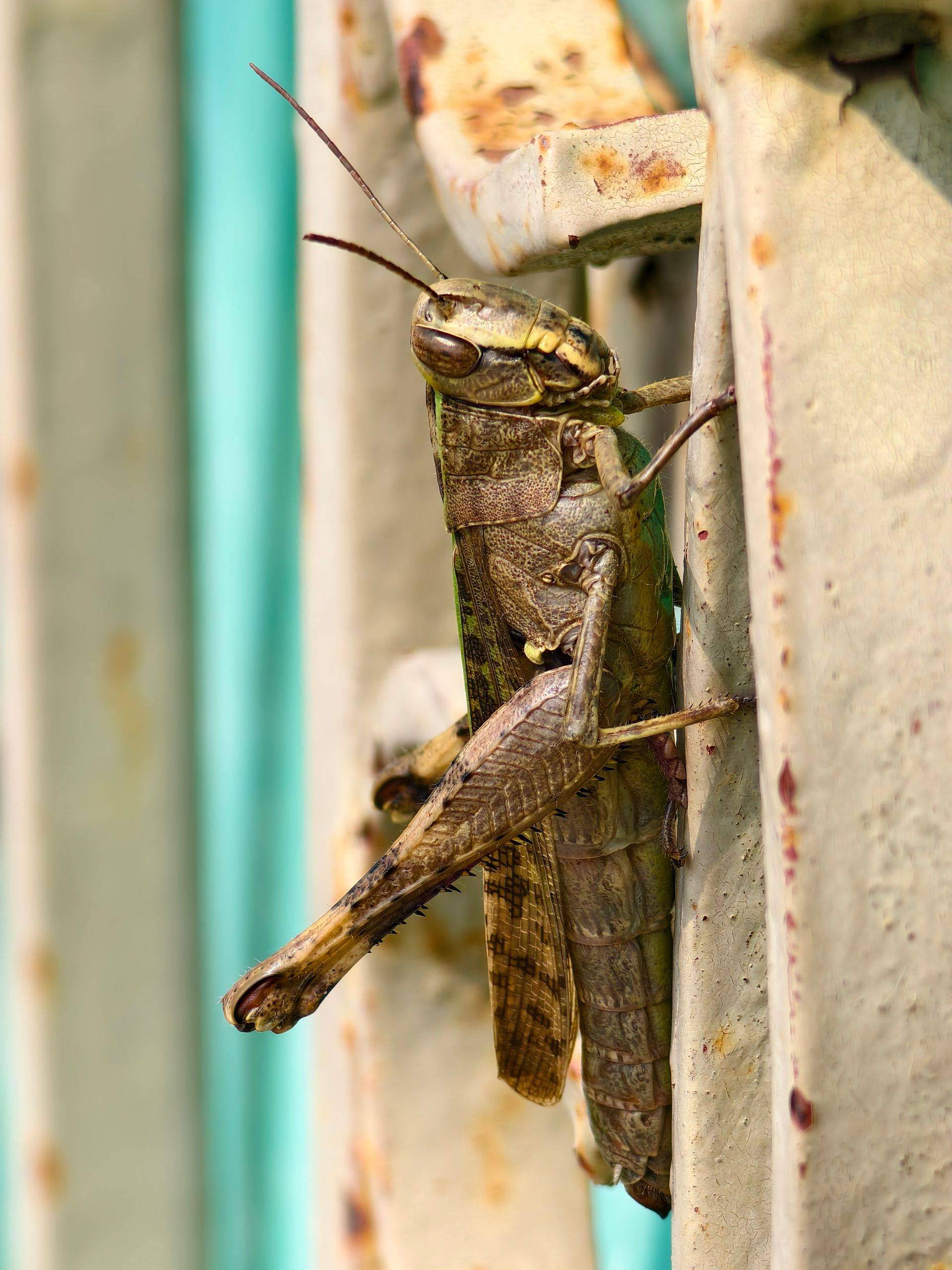
Billions of locusts in East Africa in 2020 destroyed crops within hours, pushing millions toward hunger. The insects followed natural breeding cycles and wind patterns, yet the impact on agriculture and food security was catastrophic. This demonstrates how collective animal behavior, even when natural, can trigger massive humanitarian crises without human intent.
Jellyfish Shut Down a Nuclear Reactor
In 2011, jellyfish clogged the cooling intake of a Scottish nuclear power plant, forcing a temporary shutdown. The tiny marine creatures disrupted the electricity supply and highlighted how wildlife can impact critical energy infrastructure. Their presence was unintentional, yet the result proved that even small animals can create large-scale technological problems.
Elephants Derail Trains
In India, elephants crossing railway tracks have caused derailments, killing passengers and elephants alike. These collisions illustrate the dangers when animal migration patterns intersect with human transportation. Despite careful planning, wildlife’s instinctive movements can unpredictably disrupt critical infrastructure.
Monkeys Cause Nationwide Blackout
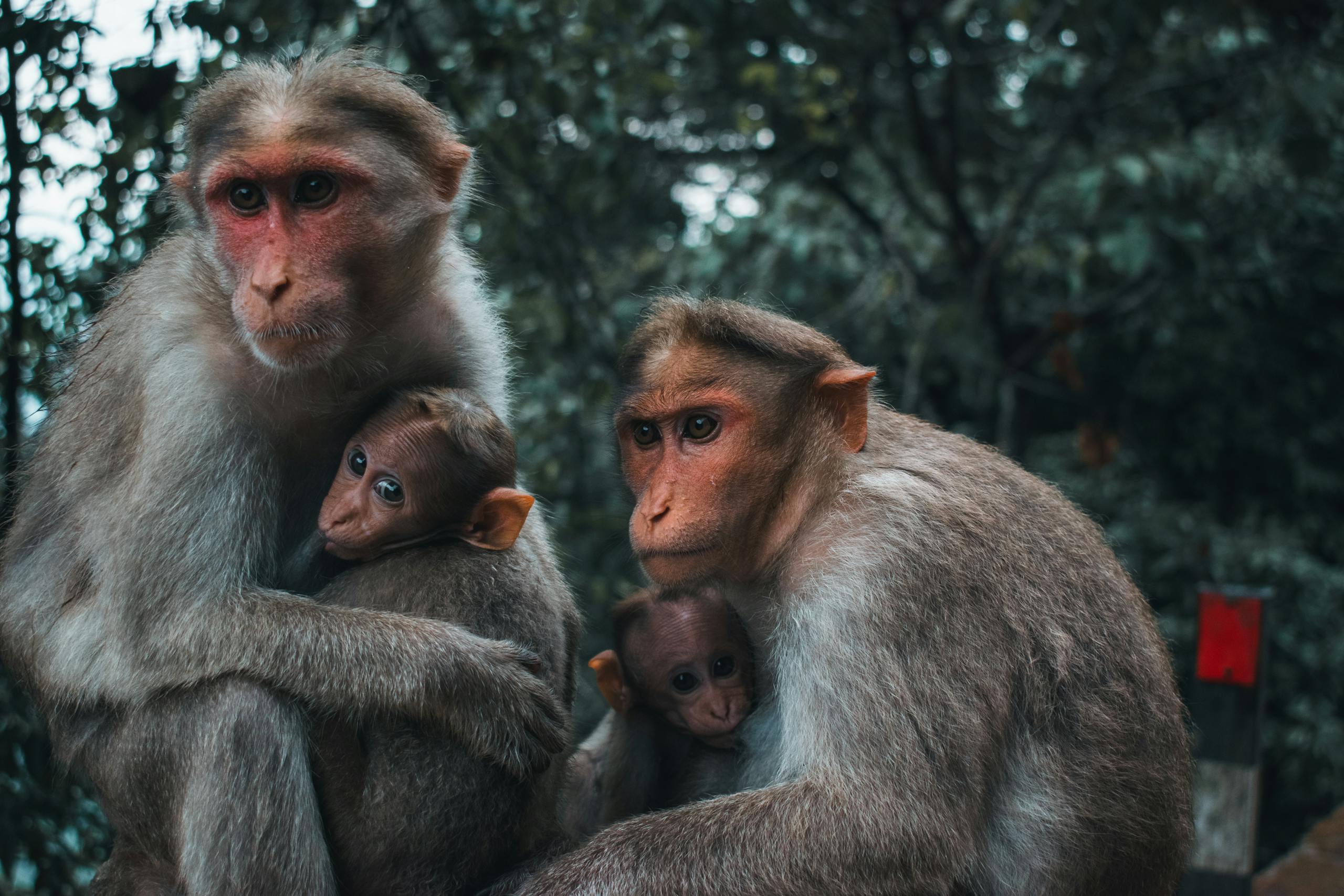
In 2016, a single monkey breached a Kenyan hydroelectric plant, triggering a nationwide blackout. Essential services, hospitals, and communications were disrupted for hours. This demonstrates how a small, unassuming animal can unintentionally cause cascading effects across an entire country’s infrastructure.
Geese That Disabled Aircraft
Bird strikes remain a leading aviation hazard. Even large flocks can disable engines mid-flight, as seen in multiple near-fatal incidents. These events highlight how animal instincts and migration patterns can intersect with human systems to produce high-risk situations, regardless of technological advancements.
Coyotes Disrupt Railways
In areas where rail lines intersect natural habitats, coyotes and other wildlife have caused derailments and collisions. Animals crossing tracks may seem minor, but they trigger accidents, injuries, and economic losses. These disruptions show the constant tension between human expansion and the instinctive behavior of wild animals.
Rodents Short-Circuit Urban Grids
Urban rodents gnawing on power lines have caused widespread blackouts worldwide. While small, these creatures inadvertently damage electricity networks, disrupting hospitals, traffic, and essential services. Tiny animals can trigger cascading failures, revealing human systems’ vulnerabilities to wildlife interference.
Insects Clog Infrastructure
Mass swarms of ants, bees, or midges have blocked drainage systems, electrical components, and water treatment facilities. Their natural behaviors, combined with human infrastructure, create unexpected disasters. These insects, acting without intent, show how small animals can produce outsized effects when intersecting with complex human systems.
Cattle Cause Road Accidents
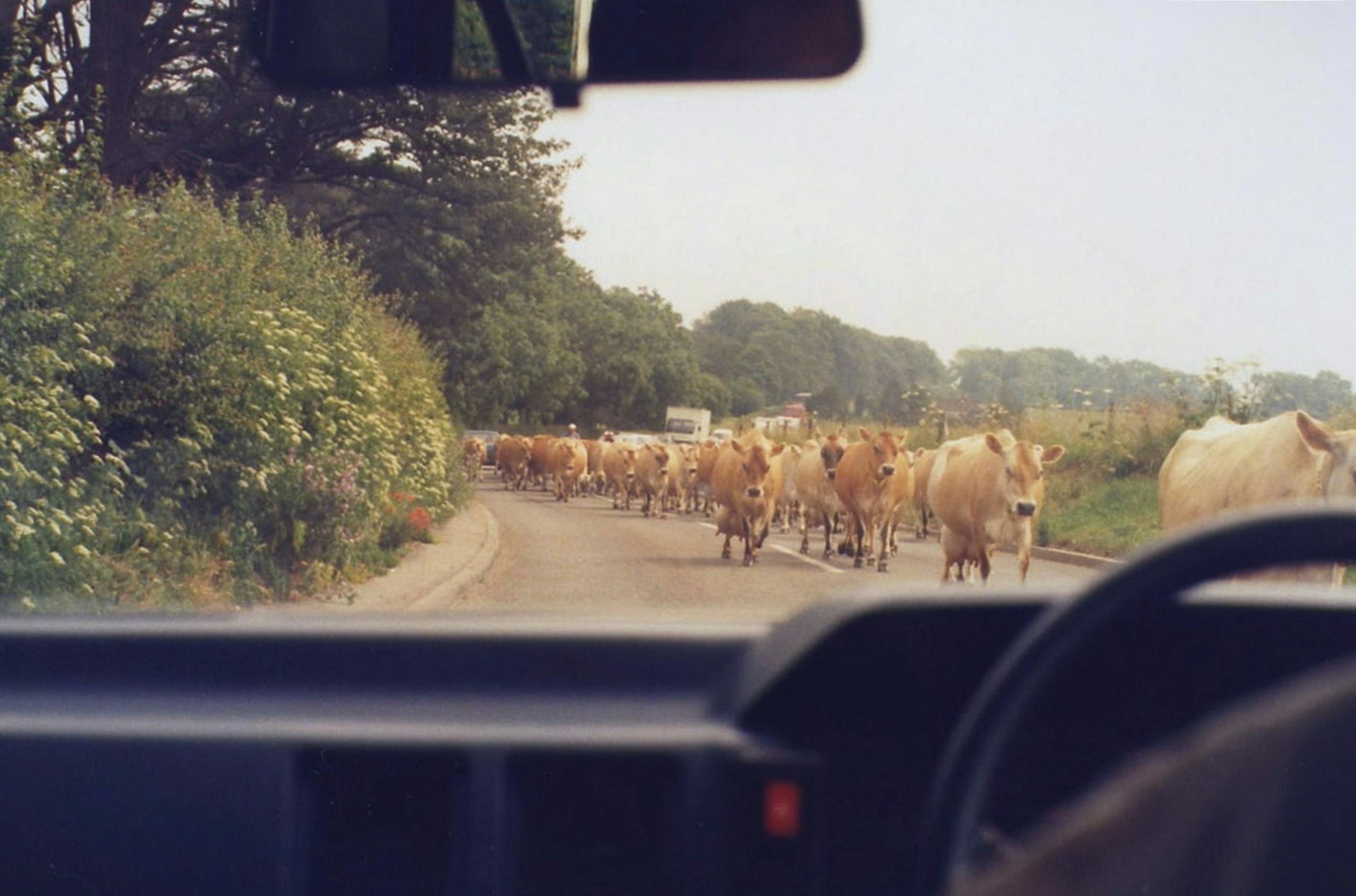
Free-roaming livestock have caused fatal traffic collisions in rural areas. While animals follow instinctive grazing patterns, vehicles often collide with them, resulting in injuries, deaths, and damage to infrastructure. These incidents reveal how animal presence on human-designed routes can inadvertently trigger large-scale accidents.
Seagulls and Urban Aviation Hazards
Seagulls nesting near airports have repeatedly caused flight delays, emergency landings, and property damage. Their instinctual scavenging behavior collides with urban infrastructure, creating high-risk scenarios. Even when unintentional, these birds demonstrate that wildlife can be a persistent hazard in modern urban planning.
Conclusion
Animals don’t plan disasters, yet their instinctive actions have repeatedly triggered massive human consequences. From birds disabling planes to insects and rodents damaging critical infrastructure, these 13 examples prove that even the smallest creatures can cause catastrophic disruptions. They remind us that human systems are fragile, and nature remains a powerful, unpredictable force capable of toppling the most sophisticated plans.