Some foods owe their place in American kitchens to more than what’s on the plate. A movie appearance, a wartime supply chain, a clever advertising campaign, or the promise of a quicker dinner can turn an ordinary product into a household favorite.
Taste still matters, of course. But the stories behind these eight familiar foods show how marketing, convenience, entertainment, and history shaped what people bought and ate.
Reese’s Pieces
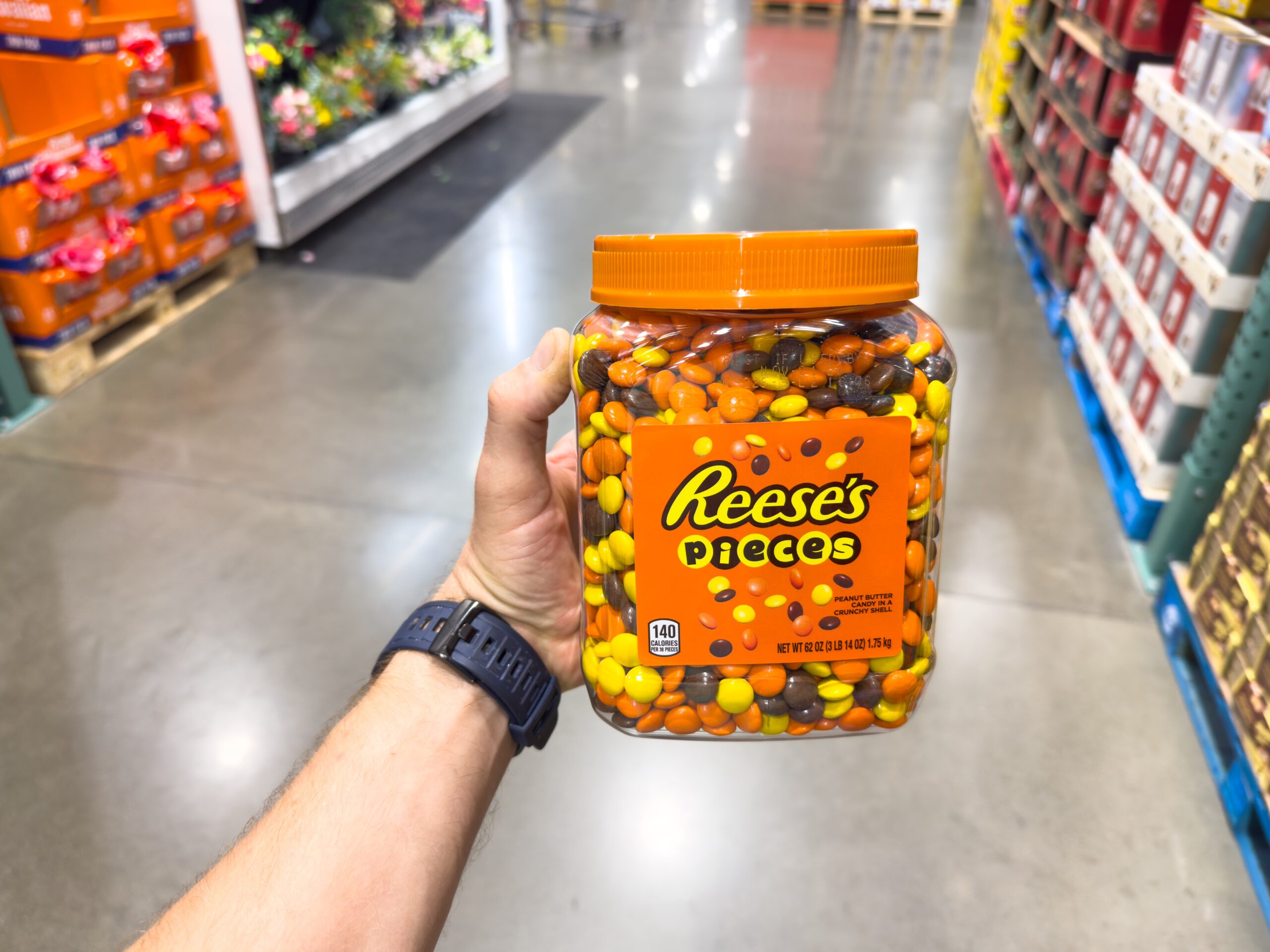
Reese’s Pieces got a remarkable boost from an unexpected Hollywood connection. When the candy appeared in E.T. the Extra-Terrestrial in 1982, Elliott used it to lure the friendly alien, giving the peanut butter candy a memorable role in one of the era’s biggest films.
The timing mattered. The Washington Post reported that Hershey said sales had increased 70% since the movie’s release the previous month, while TIME reported a 65% increase in June. Those figures cover different reporting periods, but both show the film’s commercial impact.
The takeaway is hard to miss: sometimes a memorable scene can introduce a candy to far more people than a traditional advertisement alone.
SPAM
During World War II, SPAM became much more than a canned meat product. Its shelf-stable format made it practical to store and distribute, and the Smithsonian reports that more than 150 million pounds were used in the war effort.
Military distribution introduced the product to new audiences, including communities that later incorporated it into their own cooking traditions.
Its later popularity across Asia and the Pacific reflects a complex mix of history, availability, and local adaptation.
SPAM’s story isn’t simply about a food becoming popular because people needed something convenient. Wartime distribution helped establish familiarity, while generations of cooks found their own ways to use it.
Frozen TV Dinners
Frozen TV dinners offered something many households wanted: a complete meal without the usual preparation and cleanup.
Swanson’s turkey dinner became a landmark example, and the Smithsonian reports that the company sold 10 million trays in 1954, its first full production year.
The name itself tied the product to changing household routines as television became a central part of home entertainment.
Individual compartments, ready-portioned food, and straightforward preparation helped make the frozen dinner a recognizable convenience product.
The familiar story about Swanson inventing TV dinners to use up 260 tons of leftover turkey is disputed, so it shouldn’t be treated as settled history. What is clear is that convenience and cultural timing helped the format find an audience.
Jell-O
Jell-O made dessert preparation easier by turning gelatin into a packaged mix that home cooks could prepare without starting from scratch.
After acquiring the business in 1899, Orator Woodward invested in magazine advertising and recipe books to introduce the product to more people.
A period advertisement preserved by Duke University emphasized economy and simplicity, presenting the dessert as approachable even for inexperienced cooks.
Those messages gave consumers more than a flavor to consider: they offered a straightforward way to put dessert on the table.
The strategy helped make Jell-O familiar in American households. Its history reminds us that clear instructions and a convenient format can be as important to a packaged food’s appeal as its taste.
Related posts:6 Foods We Thought Were American But Were Actually Invented Somewhere Else.
Corn Flakes
Kellogg’s Corn Flakes grew out of a period when food and ideas about eating were closely connected.
Medical historian Howard Markel told NPR that the Kellogg brothers’ work at the Battle Creek Sanitarium produced flaked cereals, where easily digested foods were part of the dietary program.
Will Kellogg later commercialized the cereal and founded the company in 1906. The product’s origins were rooted in institutional food ideas, while its development for a wider market focused on convenience and adjustments meant to appeal to consumers.
It’s an interesting distinction: the circumstances that inspire a food’s creation aren’t necessarily the same reasons it becomes a lasting breakfast staple. Corn Flakes eventually reached far beyond the setting where its story began.
Instant Ramen
Instant ramen found its place in modern kitchens through a combination of preparation technology, storage convenience, and distribution. Nissin introduced Chicken Ramen in Japan on August 25, 1958, using a flash-frying process that helped the noodles store well and rehydrate quickly.
The company’s founder history also credits supermarket distribution, television advertising, and changing household routines with helping instant noodles spread.
Rather than requiring the preparation associated with traditional noodle dishes, the packaged product offered a simpler alternative for busy consumers.
Taste wasn’t irrelevant. Nissin identifies flavor as an important part of its development process, and early Chicken Ramen actually cost more than ordinary udon. The lesson is that convenience can help a product grow even when it isn’t initially the cheapest option.
Spinach
Spinach gained an enduring cultural association through an unlikely ambassador: Popeye. The cartoon character’s connection with spinach created a recognizable image that helped promote the vegetable far beyond the kitchen.
Smithsonian’s National Museum of American History holds a Popeye-branded spinach can, illustrating how closely the vegetable became associated with the character.
That promotional identity gave spinach a place in popular culture that ordinary food advertising might not have achieved on its own.
However, the familiar claim that Popeye caused a 33% increase in American spinach consumption isn’t an established fact. Smithsonian notes that other factors may have contributed.
Popeye’s influence is a compelling example of entertainment shaping a food’s reputation, even when the exact sales impact remains uncertain.
Carrots
Carrots already had a place in people’s kitchens long before World War II, but British wartime messaging gave the vegetable a new public image. Smithsonian documents how posters, broadcasts, and advertisements linked carrots to seeing during blackouts and to the nighttime success of British pilots.
The campaign attached a practical-sounding benefit to an everyday vegetable during a period when the public was being encouraged to adapt to wartime conditions. It helped promote carrots and strengthen their reputation, rather than creating their popularity from nothing.
The distinction matters because carrots do not give healthy people extraordinary night vision. The story is about the power of wartime messaging, not proof that the advertised effect was real.
The Story Behind the Foods We Keep Buying
From Hollywood candy placements to military distribution and clever advertising, these histories show that food popularity is rarely explained by taste alone. The next time a familiar product lands in your shopping cart, remember its journey may have started far beyond the kitchen.