The organic section can make grocery shopping feel like a test of how much you’re willing to spend for a different label. But buying organic doesn’t have to be an all-or-nothing decision.
Some conventional fruits and vegetables are reasonable choices, especially if your main concern is pesticide residues.
The Environmental Working Group’s 2024 Clean Fifteen list identified several foods with relatively low pesticide residues in government testing data.
That doesn’t mean organic versions are pointless or conventional produce is pesticide-free. It simply gives shoppers a useful starting point for deciding where organic certification matters most to them.
Hass Avocados
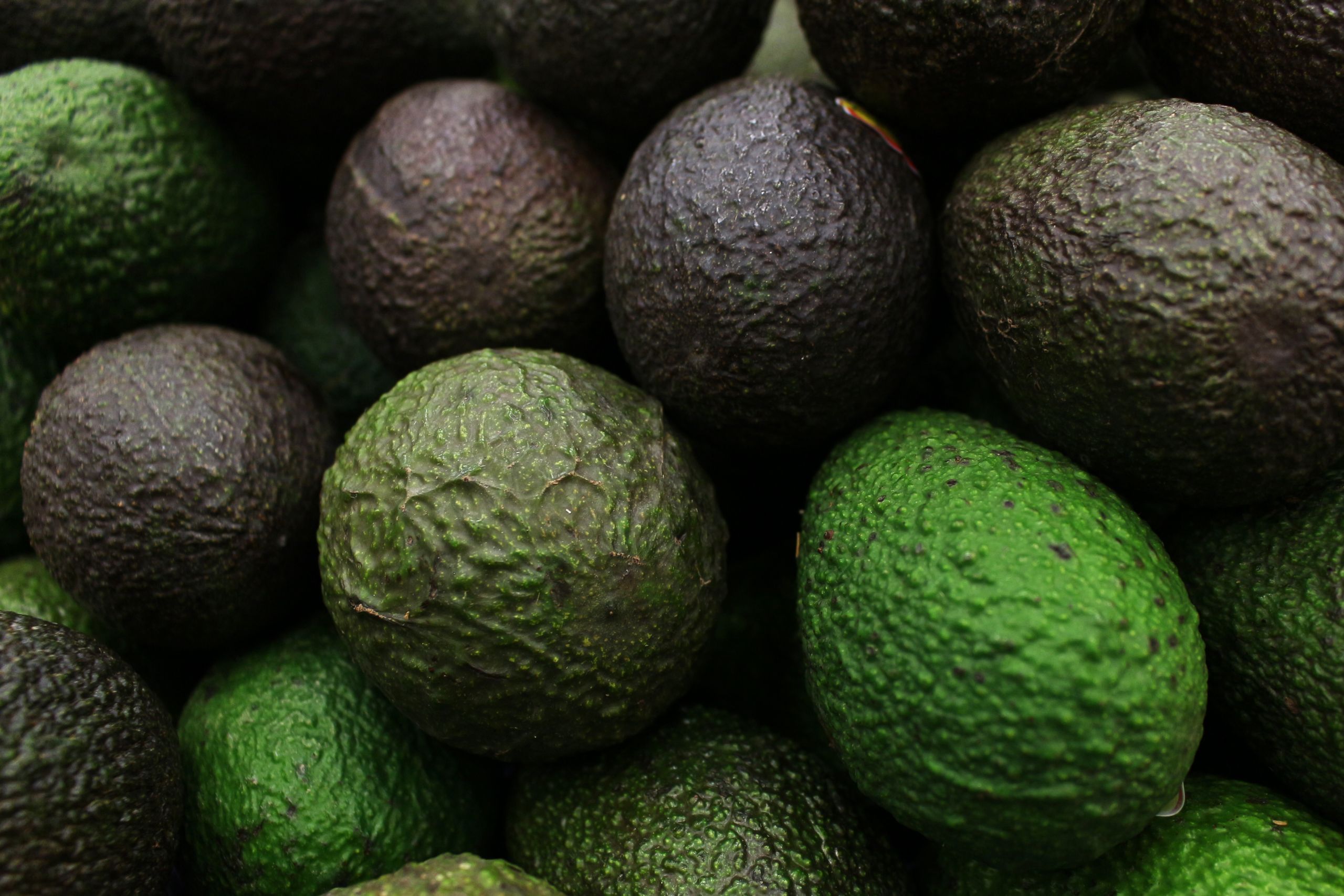
Hass avocados are a reasonable place to start when deciding which organic purchases to skip. EWG’s 2024 analysis found detectable pesticide residues in fewer than 2% of the avocado samples it examined, making conventional avocados a lower-priority organic purchase for shoppers focused on residues.
That finding gives you a practical reason to consider conventional avocados for toast, salads, and homemade guacamole. However, it doesn’t prove that organic and conventional avocados taste the same or come from identical farming practices.
The verdict? If reducing pesticide residues is your main reason for buying organic, conventional Hass avocados deserve a place on your shopping list.
Whole Pineapple
Whole pineapple is another candidate for the conventional shopping cart. Pineapple appeared on EWG’s 2024 Clean Fifteen list, supporting the argument that shoppers concerned primarily about pesticide residues can consider conventional fruit without automatically choosing the organic version.
One important detail is how you handle the fruit at home. The FDA recommends washing produce under running water before cutting it, including fruit whose exterior you don’t eat. That helps remove dirt and surface contaminants, although washing doesn’t eliminate every possible residue.
Conventional pineapple is a reasonable option for shoppers prioritizing residue findings, but the research doesn’t establish that every pineapple is pesticide-free or that organic and conventional fruit have identical growing conditions.
Sweet Corn
Sweet corn makes the list because EWG’s 2024 analysis found detectable pesticides in fewer than 2% of the samples examined. For shoppers who choose organic mainly to reduce pesticide residues, conventional sweet corn is a sensible option.
However, there is an important distinction. USDA organic certification covers production practices beyond residue levels, including a prohibition on genetic engineering. Someone who specifically wants to avoid genetically engineered crops may still prefer certified organic sweet corn.
That means the conventional option can make sense for one shopper while organic remains worthwhile to another. The decision depends on what you want the certification to represent, not simply where a food falls on a residue ranking.
Yellow Onions
Yellow onions are a practical pantry staple that appeared on EWG’s 2024 Clean Fifteen list. If you’re buying onions for soups, sauces, casseroles, and everyday cooking, consider conventional versions when deciding where to prioritize organic purchases.
Onions are also easy to overlook because they’re often supporting ingredients rather than the star of a meal. If your main concern is pesticide residues, the available ranking gives you a reason not to automatically reach for the organic bag.
Keep the conclusion specific to whole yellow onions. The findings don’t automatically apply to scallions, leeks, prepared onions, or every member of the onion family.
Frozen Sweet Peas
Frozen sweet peas offer another practical option for stocking the freezer without automatically choosing organic. EWG’s 2024 Clean Fifteen specifically included frozen sweet peas, so the research supports considering conventional products.
Frozen peas are convenient to keep on hand for soups, rice dishes, casseroles, and quick side dishes. Their inclusion on the list provides a residue-based reason to consider conventional versions, but freezing itself does not remove pesticide residues.
Pay attention to the exact product category, too. The finding for frozen sweet peas should not automatically be extended to snow peas, snap peas, or every type of pea sold in the produce aisle.
Green Cabbage
Green cabbage is another everyday vegetable that may not need to be high on your organic shopping priority list. It appeared on EWG’s 2024 Clean Fifteen list, giving shoppers a reason to consider conventional cabbage when deciding what to buy based on pesticide residues.
Cabbage works in slaws, soups, stir-fries, and cooked side dishes, so it’s a versatile ingredient to keep around. The residue ranking supports considering conventional whole cabbage, but it doesn’t prove that removing the outer leaves eliminates all residues.
It also doesn’t show the same results for every cabbage variety or packaged slaw mix. Keep the decision tied to the food that was actually assessed.
Whole White Mushrooms
Whole white mushrooms also appeared on EWG’s 2024 Clean Fifteen list. For shoppers who primarily use pesticide-residue rankings to decide what to buy organic, conventional white mushrooms are a reasonable candidate for the regular grocery cart.
Their familiar place in pasta sauces, omelets, soups, and skillet meals makes them an easy ingredient to buy according to your preferences rather than the label alone.
Still, the evidence supports the general mushroom category included in the analysis, not every specialty or wild mushroom. It also doesn’t establish that organic mushrooms have no other value.
Mangoes
Mangoes round out the list. EWG included them in its 2024 Clean Fifteen, making conventional mangoes another option for shoppers who want to prioritize organic purchases according to pesticide-residue findings.
Whether you’re slicing mango into a fruit salad, blending it into a smoothie, or enjoying it on its own, conventional fruit is worth considering if residue rankings are your main deciding factor.
However, the research doesn’t prove that organic and conventional mangoes have identical flavor, ripeness, or storage life. It supports a narrower conclusion: conventional mangoes are a reasonable choice for shoppers whose primary concern is pesticide residues.
Making Organic Choices That Fit Your Priorities
These eight foods offer a starting point, not a rule that every shopper must follow. EWG’s rankings focus on pesticide residues, while USDA organic certification covers broader production standards. Neither establishes that organic produce is always worth the extra expense or that conventional produce is pesticide-free.
If you’re trying to make more deliberate grocery choices, it helps to understand what matters most to you before reaching for a label. You can also explore this practical grocery-shopping strategy for another way to approach your weekly shop.
For all fresh produce, the FDA recommends washing it under running water before eating or cutting, regardless of whether it’s organic. Ultimately, the goal isn’t to reject organic food but to make informed choices that suit your priorities.