The sudden kick from Kameko Fever at Redcar left stable worker Chloe Briody hospitalized, and the footage circulating online sent shockwaves through the racing world. It was a reminder that even the most experienced grooms face serious dangers when handling spirited racehorses.
While Briody thankfully escaped with minor bruising, the incident exposes risks, training gaps, and safety protocols that everyone in the equestrian world and fans watching from the stands should understand.
From the horse’s unpredictable behavior to emergency response procedures, each detail offers insight into how quickly a normal prerace ritual can turn dangerous. This list breaks down the shocking lessons from the Redcar parade ring incident and their implications for horse racing safety, grooms, and the wider industry.
Horses Can React in an Instant.

Racehorses are powerful and highly sensitive animals that can change behavior without warning. Kameko Fever’s violent kick happened in a split second, demonstrating that even horses that appear calm can suddenly become dangerous. Subtle triggers, such as noises, sudden movements, or the energy of the crowd, can provoke defensive reactions, making routine handling potentially risky.
Grooms and handlers must anticipate reactions and remain constantly aware of the horse’s body language. Recognizing tension signals, such as pinned ears, tail flicks, or shifting weight, can help prevent accidents. Even highly experienced staff are not immune to a horse’s sudden aggression, and this incident reinforces the importance of vigilance at every moment.
Parade Rings Are Dangerous Zones.
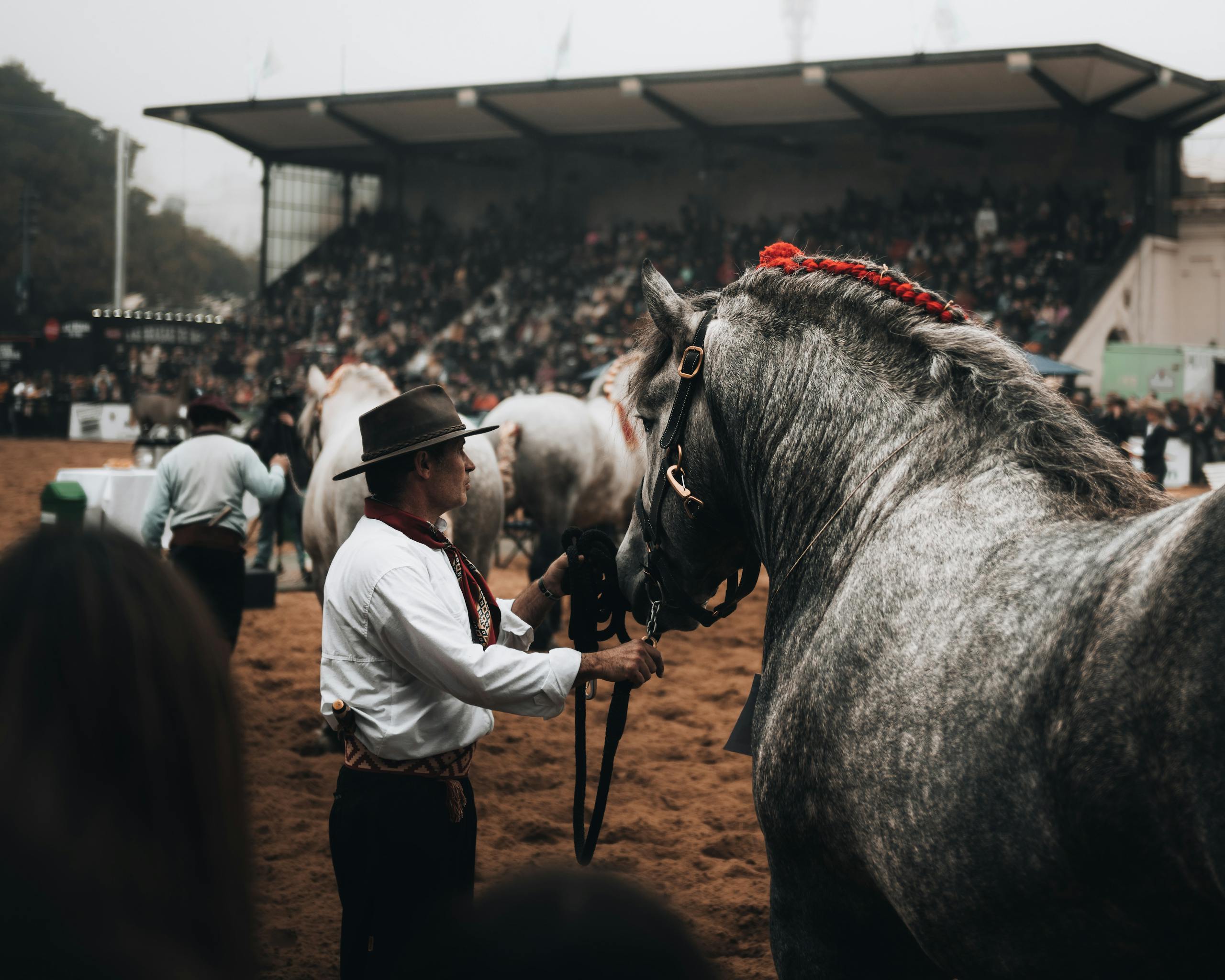
Parade rings are bustling, crowded spaces filled with staff, spectators, and competing horses. These environments can amplify the stress for horses, making them more likely to react unpredictably. Briody’s accident shows that even prerace routines in seemingly controlled settings carry serious risks for staff.
Proper spacing, clear pathways, and minimizing distractions are essential precautions for everyone in the ring. Racecourses should continually assess these areas to ensure that grooms can safely lead horses without interference or sudden surprises. The combination of horses’ energy and environmental pressure makes these areas among the most dangerous on race day.
Approach Angles Matter.
The way a handler approaches a horse can significantly influence its behavior. Briody approached Kameko Fever from the horse’s right side, which contributed to the dangerous reaction. Horses have blind spots, and approaching from the wrong angle can startle them, triggering defensive responses such as kicking.
Handlers should learn and practice safe approach techniques, including staying close to the horse’s shoulder, speaking softly, and moving deliberately to avoid sudden movements. Correct positioning reduces the chance of being in a vulnerable spot and helps maintain control during high stress prerace activities. Awareness of approach angles is a fundamental part of equine safety training.
Quick Medical Response Saves Lives.
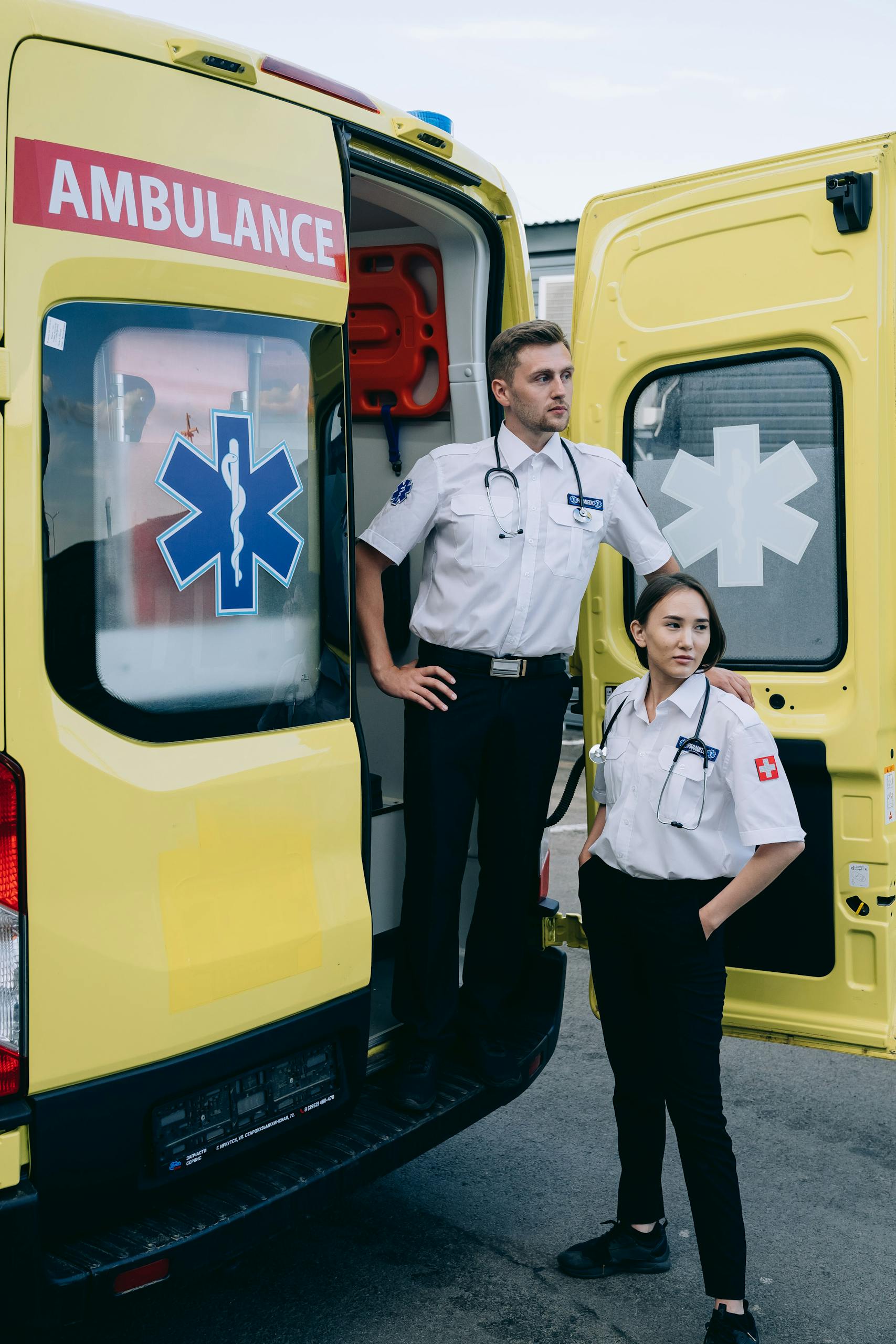
Redcar’s onsite medical team acted immediately, stabilizing Briody before her hospital transfer. The rapid response ensured that her injuries remained minor and prevented potential complications from delayed treatment. Immediate intervention is critical when a horse’s kick is strong enough to throw a person across the parade ring.
Emergency protocols, staff training in first aid, and clear communication with local hospitals are crucial for all racing stables. Every incident is a reminder that having well practiced procedures in place can significantly reduce the severity of injuries and provide reassurance to staff and spectators alike.
Even Experts Can Be Vulnerable.
Briody, a head girl with years of experience, was still caught off guard. Her expertise could not eliminate the inherent risk of handling a spirited horse in a crowded parade ring. Experience reduces risk but does not make anyone immune to unpredictable reactions from animals.
Continuous training, refresher courses, and simulated drills for unexpected scenarios are essential for every member of the stable staff. Maintaining composure, anticipating danger, and having contingency plans in place are just as important as technical skills when dealing with horses that carry immense physical power.
Social Media Amplifies Safety Awareness.

The video of Briody being kicked quickly went viral, showing the dangers of horse handling to a global audience. Public reaction highlighted both concern for her wellbeing and admiration for the skill required to manage high energy horses. The widespread sharing of the footage created an opportunity to raise awareness about stable staff safety and the reality of prerace risks.
Viral incidents often prompt racing authorities and stables to review existing safety protocols. They also create an opening to educate both fans and staff about safe practices, emphasizing the importance of preparation and protective measures in high pressure equestrian environments.
Safety Gear Can Make a Difference.
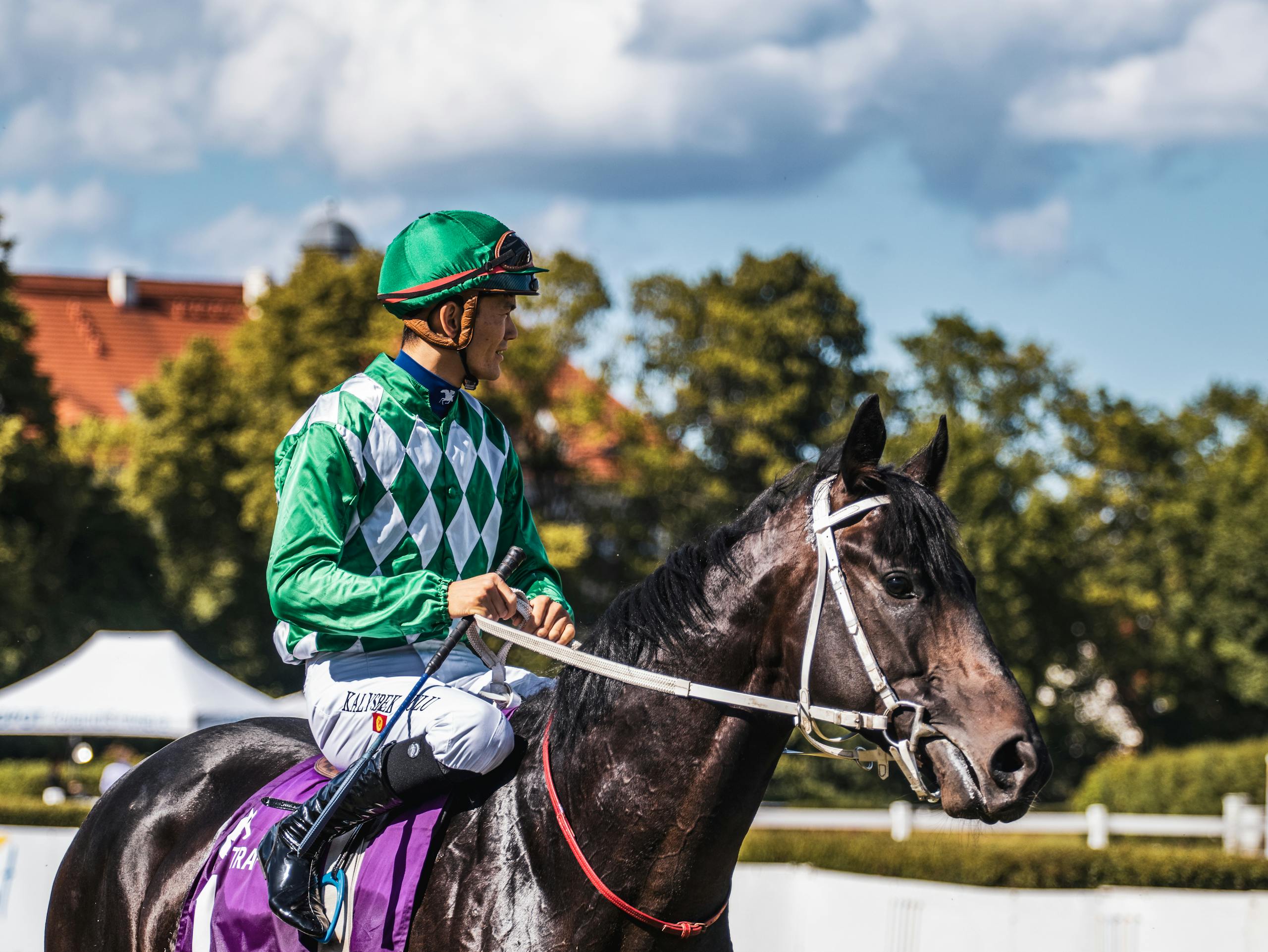
Although Briody escaped with minor bruising, accidents like this highlight the value of protective gear. Helmets, padded vests, and gloves can significantly reduce injury severity in the event of a kick or fall. The right equipment provides staff with additional protection, especially in unpredictable environments such as parade rings or stables.
Combining protective equipment with thorough training creates multiple layers of safety for staff. Even a single precautionary measure can be the difference between a minor injury and something more serious, reinforcing the need for stables to prioritize protective gear as part of their standard safety protocols.
Understanding Equine Behavior is Crucial.
Horses like Kameko Fever react based on instincts, stress, and environmental cues. Recognizing signs of agitation, discomfort, or anxiety helps handlers take preventive action before a dangerous situation escalates. Understanding equine psychology is essential for anyone working around high energy horses to anticipate potential threats.
Trainers often implement desensitization routines and exposure to busy environments to reduce stress responses in horses. Continuous observation, patience, and knowledge of equine behavior allow handlers to maintain control and protect both themselves and the horse during pressured situations.
Continuous Safety Evaluation is Necessary.
The Redcar incident demonstrates the need for ongoing assessment of safety protocols. Emergency plans, staff training, and environmental checks should be regularly updated to reflect best practices. Every near miss or incident provides an opportunity to improve procedures and prevent similar accidents in the future.
Analyzing previous accidents allows stables and racecourses to refine strategies for horse handling, staff positioning, and emergency response. A proactive approach ensures both human and equine welfare, helping prevent minor incidents from escalating into serious injuries.
Key Takeaway.
Even routine tasks in horse racing carry real risks. From approach techniques to emergency preparedness, every detail matters when managing powerful, high energy animals. Briody’s accident at Redcar underscores the importance of continuous training, protective measures, and vigilance to ensure that both staff and horses remain safe.
Are racing teams doing enough to prepare staff for the unexpected moments that can turn a normal day into a dangerous situation?