Many kids are safer, more supervised, and more emotionally supported than ever. They have tracking apps, group chats, school portals, soft language, constant check-ins, and parents who care deeply. Yet plenty of families still wonder why independence feels harder to teach.
A child forgets homework, and a parent rushes it to school. A teenager gets bored, and a screen appears before the silence can teach anything. A young adult faces a minor problem, and the whole family starts managing it like a crisis.
That is the uneasy debate around modern parenting. Parents say they are protecting their kids, and often they are. Still, some loving habits may be raising children who panic at discomfort, avoid responsibility, and feel less ready for real life.
When Parents Solve Every Small Problem

Helping a child is natural, especially when the problem seems easy for an adult to fix. A forgotten lunch, a missed deadline, a broken friendship, or a tough teacher can make parents want to jump in fast. The trouble begins when rescue becomes the child’s normal expectation.
Small problems are practice fields for real life. Kids learn confidence by forgetting things, apologizing, waiting, fixing mistakes, and discovering that discomfort does not destroy them. When parents solve everything, children may grow older without building the emotional muscles they need.
When Boredom Becomes an Emergency
Boredom used to send kids outside, into books, into imagination, or into harmless trouble that taught judgment. Now, boredom is often treated like a problem that must be solved immediately. A screen, a snack, a ride, or a new activity appears before the child must sit still.
That sounds gentle, but it can make ordinary quiet feel unbearable. Kids need space to invent, wait, think, and manage the empty parts of a day. Without boredom, creativity and patience can become weaker than they should be.
When Kids Never Learn to Wait
Waiting is one of the first real-life skills children need. They wait for attention, food, answers, turns, money, apologies, and opportunities. Yet many homes now run on instant responses because parents are tired, busy, and afraid of conflict.
A child who never waits may struggle later when life refuses to move quickly. Employers, colleges, relationships, and money all require patience. If every delay feels unfair, adulthood can feel personally insulting.
When Failure Gets Treated Like Trauma
Failure can hurt, but every painful moment is not trauma. A bad grade, a lost game, a rejected application, or an embarrassing mistake can teach a child how to recover. The lesson disappears when adults treat normal disappointment like emotional danger.
This does not mean parents should mock pain or ignore anxiety. Youth mental health concerns are real, and national data show that many teens report persistent feelings of sadness. Still, protection should not erase every hard lesson, because resilience grows through supported struggle.
When Screens Become the Babysitter
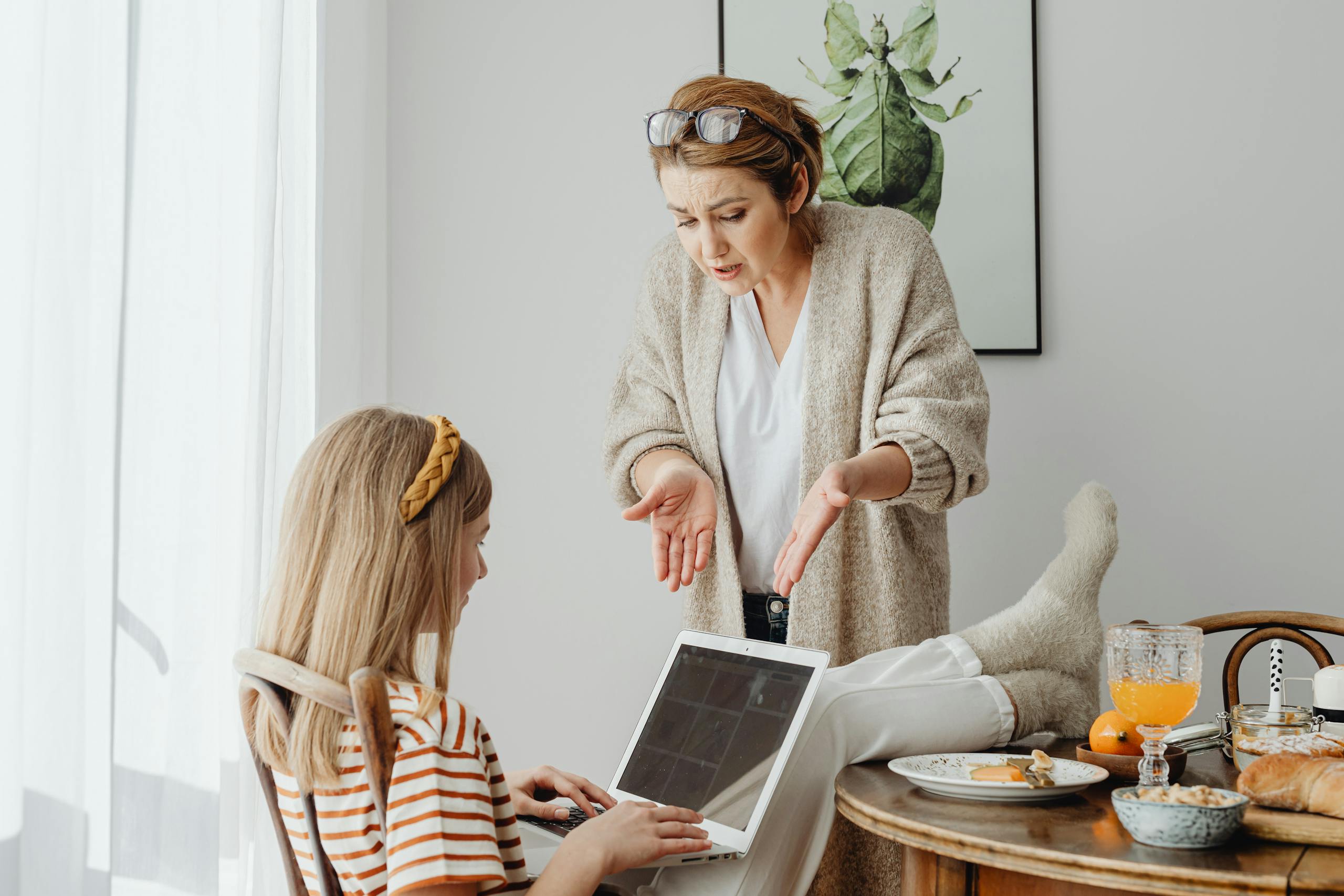
Screens are not evil, and many exhausted parents use them because real life is demanding. Dinner needs cooking, emails need answering, bills need paying, and a quiet tablet can feel like the only break in the house. The issue is not one cartoon or one game, but the slow habit of using screens to calm every restless moment.
Many teens are deeply connected to devices, and nearly half say they are online almost constantly, according to recent teen technology trends. That constant digital noise can crowd out chores, outdoor play, face-to-face problem solving, and boredom. When screens become the default comfort, kids may lose practice dealing with life without a glowing escape hatch.
When Modern Parenting Confuses Comfort With Strength
Modern parenting often tries to be emotionally aware, which can be a good thing. Children should know their feelings matter, and parents should not use fear as the main tool of discipline. The danger appears when comfort replaces correction.
Kids need kindness and limits at the same time. They need adults who listen, then still expect effort, manners, chores, honesty, and responsibility. A child who is always soothed but rarely challenged may feel loved, yet still become unprepared.
When Parents Fear Their Kids’ Discomfort
Many parents carry their own childhood wounds into parenting. They remember being ignored, shamed, hit, mocked, or left alone with fear. So they swing hard in the other direction, trying to make sure their child never feels pain.
That instinct comes from love, but it can become another kind of cage. Children need to know they can survive awkwardness, disappointment, conflict, boredom, and hard feedback. If parents fear discomfort too much, kids may learn to fear it too.
When Chores Disappear From Childhood
Chores teach more than clean rooms and folded towels. They teach contribution, patience, humility, timing, and the idea that a home does not run by magic. When kids do not help, they may enjoy comfort without understanding responsibility.
Many parents skip chores because it is faster to do the job themselves. That saves ten minutes today but may cost years of practical growth. A child who never handles small duties can become a young adult shocked by the ordinary tasks of life.
When Parents Turn School Into a Family Performance
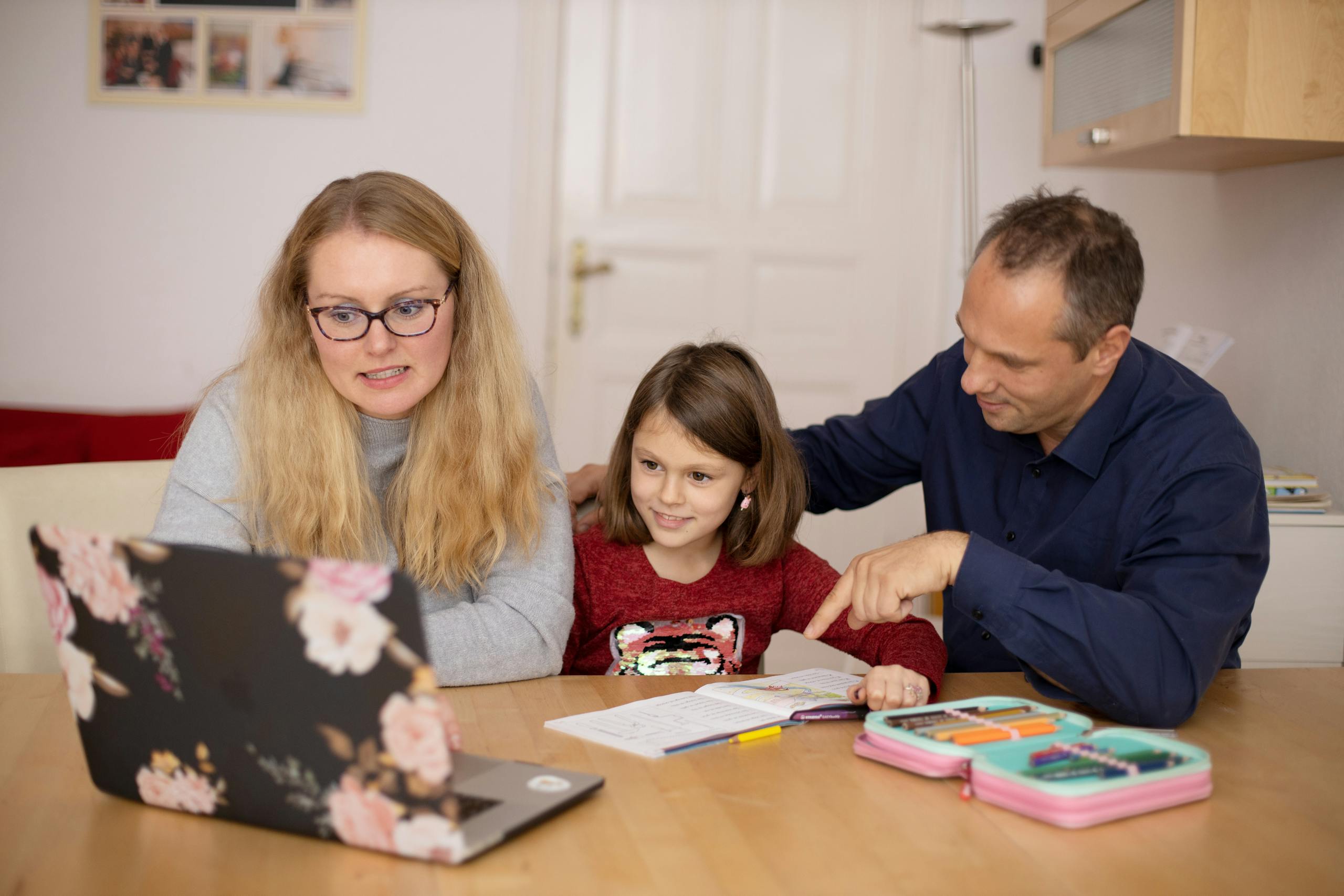
School pressure now enters the whole house. Parents track grades online, email teachers, monitor assignments, manage schedules, and sometimes treat every academic bump like a threat to the future. The child may learn that performance matters more than learning.
Parents are under serious pressure too, with national guidance warning about parental stress levels and the emotional load many caregivers carry. That stress can make families overmanage school because everyone feels afraid of falling behind. But children still need room to own their work, face consequences, and build self-discipline.
When Gentle Parenting Gets Misunderstood
Gentle parenting is often blamed for everything, sometimes unfairly. At its best, it means calm leadership, emotional connection, clear limits, and respect. At its weakest, it becomes an endless negotiation with a child who needs an adult to be firm.
The problem is not kindness. The problem is softness without structure. Kids need warm parents, but they also need parents who can say no, hold the line, and let the child be upset without rushing to erase the feeling.
When Kids Are Protected From Real Consequences
Consequences are not cruelty. They are life’s way of teaching cause and effect before the stakes become too high. A child who forgets a project, loses a privilege, or has to apologize learns something useful about choices.
Parents often step in because they do not want one mistake to hurt the child’s future. That fear is understandable, especially in a competitive culture. Still, a childhood without consequences can create an adulthood where every setback feels confusing, unfair, or unbearable.
When Independence Arrives Too Late
Independence does not suddenly appear at eighteen. It grows slowly through walking into a store alone, ordering food, making a phone call, managing money, handling chores, and solving small conflicts. Kids need practice before the stakes become rent, work, roommates, college, or marriage.
Newer guidance on healthy media habits encourages families to think about what screens may crowd out, not just how long kids use them. That idea applies beyond technology. If adult help crowds out independence, children may arrive at real life with less practice than they need.
When Parents Forget, Kids Need Real-World Practice

Real life is full of small, uncomfortable tasks. People call offices, wait in lines, talk to strangers, hear no, manage money, disappoint others, get corrected, and try again. Childhood should slowly prepare kids for that world.
Modern parenting can forget that preparation is not the same as pressure. A child can be loved deeply and still be expected to grow stronger. The best parents do not remove every hard thing; they help kids learn to face hard things.
Key Takeaway
Modern parenting is not failing because parents care too much. Most parents are tired, stressed, loving, and trying to protect their children in a world that feels harsher than it used to be. The problem starts when protection quietly replaces preparation.
Kids need comfort, but they also need chores, boredom, waiting, mistakes, consequences, and real responsibility. They need adults who can validate feelings without turning every feeling into an emergency. Love should give children a safe place to return to, not a soft wall that keeps them from growing.
The real goal is not to raise fearless kids. It is to raise capable kids who know fear, frustration, and failure are part of life. If modern parenting wants to prepare children for the future, it has to stop treating every discomfort like danger.