The Justice Department has warned California it may sue if the state enforces a new firearms law restricting licensed dealer sales of certain Glock-style pistols beginning next week.
Assistant Attorney General Harmeet Dhillon sent the warning to Gov. Gavin Newsom and Attorney General Rob Bonta on June 24, giving the state until June 30 to enter negotiations before a possible federal lawsuit. The measure, Assembly Bill 1127, is scheduled to take effect for dealers on July 1, 2026.
DOJ Challenges California Ban
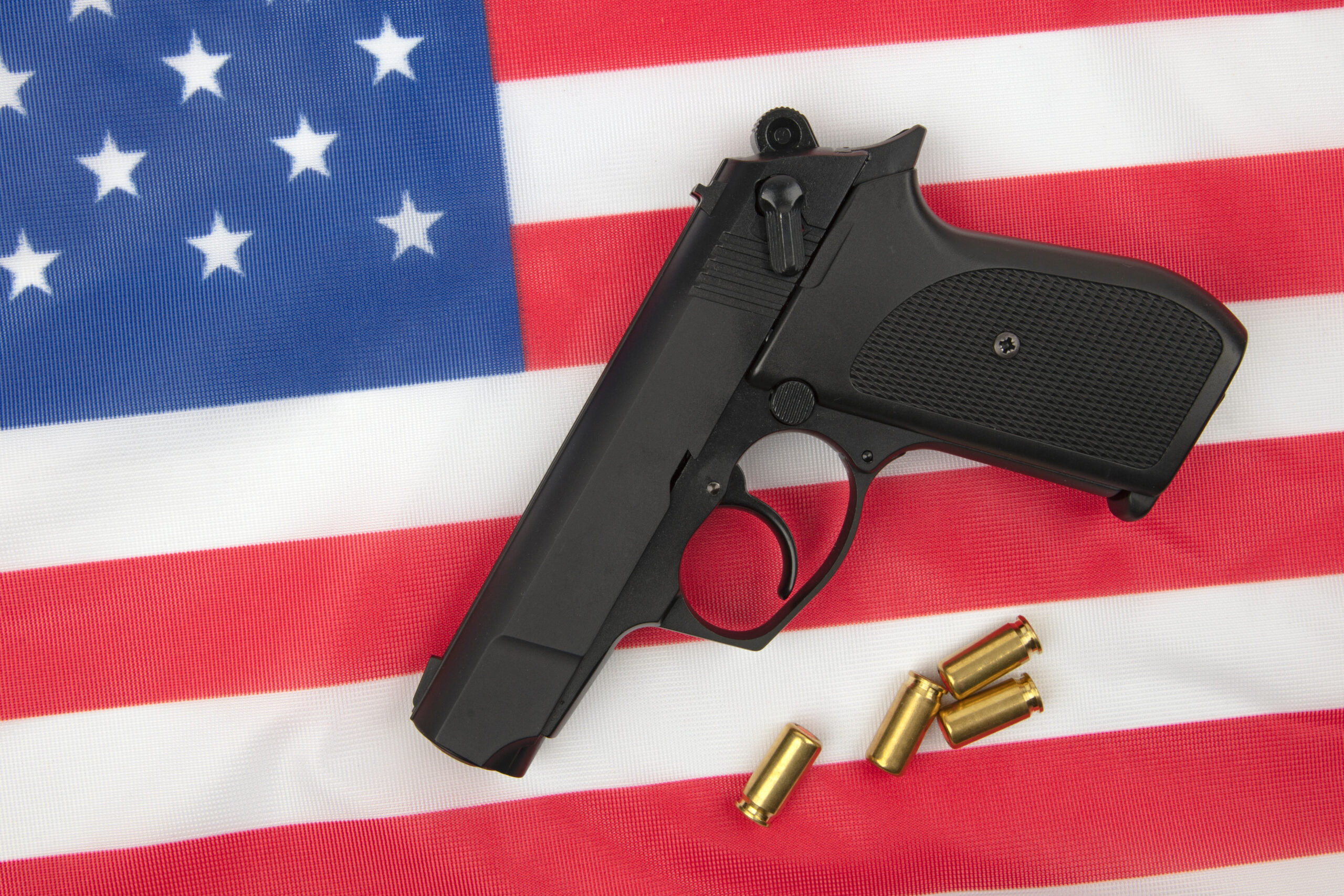
The dispute centers on California’s new category of “machinegun-convertible pistols,” a term created under AB 1127. The law targets semiautomatic pistols that state lawmakers say can be converted into automatic weapons with a pistol converter.
Federal officials argue the measure violates the Second Amendment by blocking residents from buying common modern handguns through licensed dealers. The Justice Department has authorized litigation if California does not agree to pause enforcement.
Newsom’s office has rejected the claim that California enacted a Glock ban. State officials have described the law as a targeted response to illegal conversion devices, not an order requiring current owners to surrender firearms.
Law Targets Dealer Sales
AB 1127 does not require existing firearm owners to surrender lawfully possessed firearms. Its main restriction applies to licensed firearms dealers.
Beginning July 1, dealers may not sell, offer for sale, exchange, give, transfer, or deliver any covered semiautomatic pistol, except under the listed exemptions. The law defines the covered category as a semiautomatic machinegun-convertible pistol that can be readily modified with a pistol converter.
The definition focuses on pistols with a cruciform trigger bar. California says that design can allow a converter to replace the backplate and interfere with the trigger mechanism.
That change can allow a firearm to discharge more than one round with a single trigger function. Fully automatic weapons are already heavily restricted under federal and state law.
Dealers Face Penalties
The law sets escalating penalties for licensed dealers who violate the restriction. A first violation can bring a fine of up to $1,000.
A second violation can result in a fine of up to $5,000 and may lead to license suspension or revocation. A third violation is a misdemeanor and requires license revocation.
A state firearms bulletin says AB 1127 also expands California’s machine gun definition to include a machine gun-convertible pistol equipped with a pistol converter. The bulletin outlines dealer obligations, penalties, and exemptions under the new firearms enforcement guidance.
The measure exempts some transactions. Those include certain law enforcement sales, gunsmith transfers for repair, private-party transfers processed through licensed dealers, and transfers to out-of-state licensed manufacturers or dealers.
Lawsuit Filed After Signing
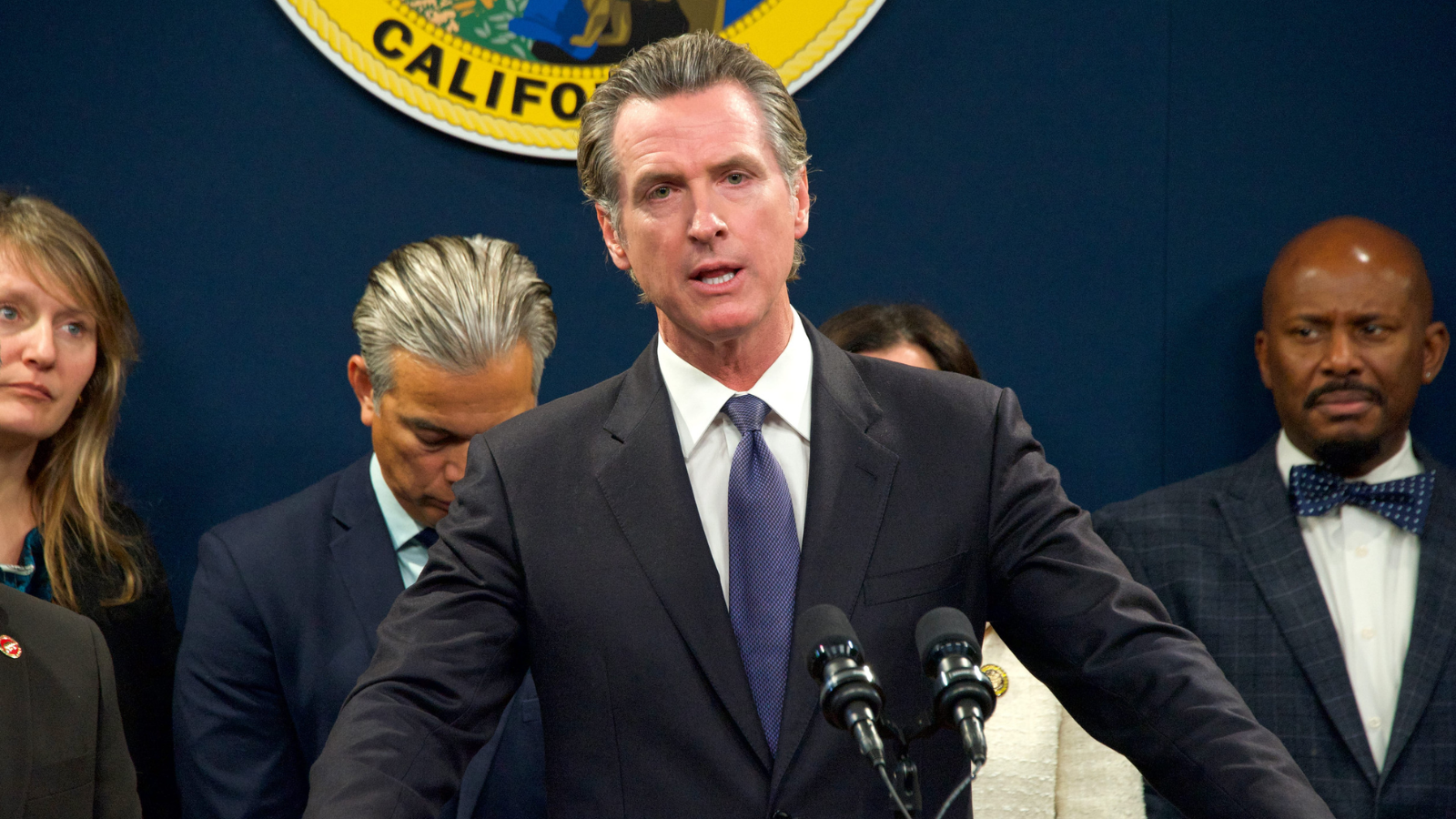
Gun-rights groups sued California three days after Newsom signed the bill. The case, Jaymes v. Bonta, was filed on October 13, 2025, in federal court in Southern California.
The plaintiffs include the Second Amendment Foundation, the National Rifle Association, the Firearms Policy Coalition, a firearms business, and individual gun owners. They argue the law blocks commercial access to Glock and Glock-style handguns commonly used for lawful purposes.
The lawsuit says California is restricting lawful buyers because criminals may illegally modify firearms later. The plaintiffs argue that machine guns and conversion devices are already unlawful for most civilians.
California supporters say the law addresses a design risk before modified weapons appear in crimes. They argue that illegal conversion devices have become easier to obtain and install.
Conversion Devices at the Center
The fight is driven by small illegal devices often called Glock switches. These devices can convert some semiautomatic pistols into firearms capable of automatic fire.
Federal law already treats conversion devices as machine gun parts. The legal dispute is whether California can go further by restricting dealer sales of pistols that lawmakers say are vulnerable to that conversion.
Supporters say the law targets a public safety gap. They argue that enforcement against illegal converters does not fully address firearms designed in ways that allow quick modification.
Opponents say the law misplaces blame. They argue that lawful owners, dealers, and manufacturers should not lose access to common handguns because criminals break existing laws.
Current Owners Not Ordered To Surrender
The law does not create a broad confiscation order for current owners. Its main effect is on future dealer sales and transfers.
That distinction has not eased concerns among California gun owners. The dealer restriction could affect availability, resale options, inventory decisions, and access to certain handgun models.
Dealers now face the practical burden of deciding which firearms fall under the new definition. They also must track exemptions and avoid transactions that could lead to fines or license penalties.
For buyers, the deadline creates uncertainty. A firearm that was available before July 1 may no longer be sold through regular dealer channels if it falls within the law’s definition.
Connecticut Passed a Similar Law
California is part of a wider state-level push to regulate pistols that can be converted into automatic weapons. Connecticut Gov. Ned Lamont signed a similar measure on June 5.
Connecticut’s law prohibits the sale and importation of handguns that can be easily converted into machine guns. The measure is scheduled to take effect on October 1, 2026.
The Connecticut law also focuses on conversion risk and rapid-fire capability. Supporters framed it as a response to emerging weapon technology and public safety concerns.
Gun-rights advocates have warned that similar laws could spread to other states. They argue that the approach could allow lawmakers to restrict common firearms by citing potential illegal modifications.
Federal Court Fight Looms
The Justice Department’s June 30 deadline gives California little time to avoid a federal lawsuit. If the state declines negotiations, the department says it is prepared to sue.
The pending private lawsuit remains active. A separate federal challenge by the Justice Department would raise the stakes and subject California’s law to sharper constitutional review.
The central legal question is whether AB 1127 regulates a dangerous conversion pathway or unlawfully blocks access to common protected handguns. Courts may also examine how the law affects dealers and ordinary buyers.
As of now, AB 1127 remains scheduled to take effect July 1. California officials have not announced a halt to enforcement, and licensed firearms dealers are preparing for the new restrictions unless a court intervenes.