Former House Speaker Nancy Pelosi has warned that election technology and vote-counting systems could become targets of political interference, sparking a new debate over election security, trust, and the future of American democracy.
As the United States approaches another high-stakes midterm election, concerns about the integrity of the voting process have once again entered the national conversation. Pelosi, a longtime Democratic leader and one of the most influential figures in Congress over the past two decades, warned that Americans must remain alert to possible attempts to undermine confidence in election results.
Speaking about the upcoming political battle, Pelosi said, “We have to be on guard,” suggesting that opponents could attempt to exploit weaknesses in election systems. She raised concerns that political actors might try to interfere with election technology and sow confusion around official vote totals.
Her comments immediately intensified an already heated national discussion about election security, misinformation, and the role of technology in modern voting.
Pelosi Raises Concerns About Election Technology
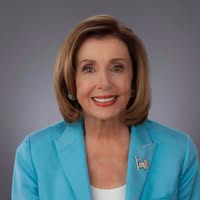
Pelosi’s warning focused on the possibility that election systems could become vulnerable to manipulation. She suggested that interference could occur through technology, raising fears about whether electronic systems used in vote reporting could be targeted.
“We have to be on guard. They may try to creep into the technology and create a false count,” Pelosi said.
Election officials across the country have spent years strengthening voting systems after cybersecurity experts identified potential vulnerabilities in election infrastructure. Federal agencies, including the Cybersecurity and Infrastructure Security Agency (CISA), have classified election systems as critical infrastructure, highlighting the importance of protecting them from cyber threats.
However, Pelosi’s comments were not accompanied by publicly released evidence showing that a specific plan exists to alter vote counts. Instead, her warning reflected broader concerns among some Democrats that political pressure and misinformation campaigns could influence public trust in election outcomes.
Election Security Has Become A Major Political Issue
The debate over election integrity has become one of the most politically divisive issues in America.
Since the 2020 presidential election, questions surrounding voting systems, ballot counting, and election administration have remained at the center of political disagreements. Multiple reviews, audits, and court cases following that election found no evidence of widespread fraud that would have changed the outcome.
Election experts have repeatedly emphasized that U.S. elections are decentralized. Instead of one national voting system, thousands of local jurisdictions manage elections using different procedures, equipment, and security measures.
This structure makes large-scale manipulation more difficult but also creates challenges when communicating accurate information to voters.
Republicans Push Back Against Pelosi’s Claims
Republican leaders have frequently argued that concerns about election security should focus on preventing fraud, improving voter identification measures, and ensuring accurate voter rolls.
Some Republicans criticized Pelosi’s remarks, arguing that Democrats have also contributed to public distrust by making claims about potential election interference without providing evidence.
The disagreement reflects a larger political divide. Democrats often emphasize protecting access to voting and defending election infrastructure from outside attacks, while Republicans frequently focus on election rules, verification procedures, and preventing unlawful voting.
Both parties say they support secure elections, but they often disagree sharply on the greatest threats.
Midterm Elections Carry High Political Stakes

The upcoming midterm elections are expected to attract intense attention because control of Congress could depend on the results.
Midterm elections traditionally determine the balance of power in Washington, influencing whether a president can advance legislative priorities or faces opposition from Congress.
Historically, midterms also tend to produce strong voter engagement, especially when national issues such as the economy, government spending, immigration, healthcare, and national security dominate public debate.
With political divisions remaining deep, election officials are preparing for increased scrutiny of every stage of the process, from ballot collection to final certification.
Officials Defend Existing Election Safeguards
Election administrators across the country have repeatedly stated that multiple layers of security protect voting systems.
These measures include paper ballot backups, post-election audits, restricted access to voting equipment, cybersecurity protections, and bipartisan oversight in many jurisdictions.
Experts say the combination of decentralized administration and verification procedures makes it extremely difficult for a single individual or group to secretly alter election results nationwide.
Still, officials acknowledge that maintaining public confidence is just as important as protecting the technical systems themselves.
The Battle Over Trust May Shape The Next Election
Pelosi’s comments highlight a challenge facing American democracy: even when election systems are secure, public trust can be damaged by allegations, misinformation, or political conflict.
Election experts often argue that confidence depends on transparency. Clear communication from officials, accurate reporting, and independent verification processes all play important roles in reassuring voters.
The controversy surrounding Pelosi’s warning shows that election security is no longer only a technical issue. It has become a central political battlefield where competing views about democracy, accountability, and government institutions collide.
A New Chapter In America’s Election Debate
As the midterm elections approach, both parties are preparing for a political fight that will extend beyond campaign speeches and advertisements. The struggle will also involve questions about how Americans understand and accept election results.
Pelosi’s warning has added another layer to the ongoing debate, raising concerns among Democrats while drawing criticism from Republicans. Whether voters see her comments as a necessary warning or an unfounded accusation will likely depend on their broader views of election security and political trust.
One thing remains clear: the battle over election integrity will continue to be a defining issue shaping America’s political landscape.