A Republican congressman who once appeared positioned for a comfortable reelection campaign is now facing one of the most difficult political fights of his career. Rep. Max Miller’s seat in Ohio’s 7th Congressional District has become an unexpected focus of the 2026 midterm elections after renewed attention surrounding abuse allegations made during a long running legal dispute with his former wife, Emily Moreno.
Miller, a former White House adviser during Donald Trump’s first administration, has denied all allegations and continues to defend his record.
The controversy has changed the political landscape around a district that Republicans have controlled for years. Democrats now see a rare opportunity to challenge an incumbent in a traditionally conservative area. Republicans, however, argue that Miller remains a strong candidate with deep support among voters who have backed him and the broader Republican agenda.
The race has become more than a local congressional contest because it reflects a larger national debate about accountability, political loyalty and voter trust. The outcome could influence the fight for control of the U.S. House in 2026. A district that was once considered predictable is now receiving attention from political groups across the country.
A Trump Stronghold Faces An Unexpected Political Test
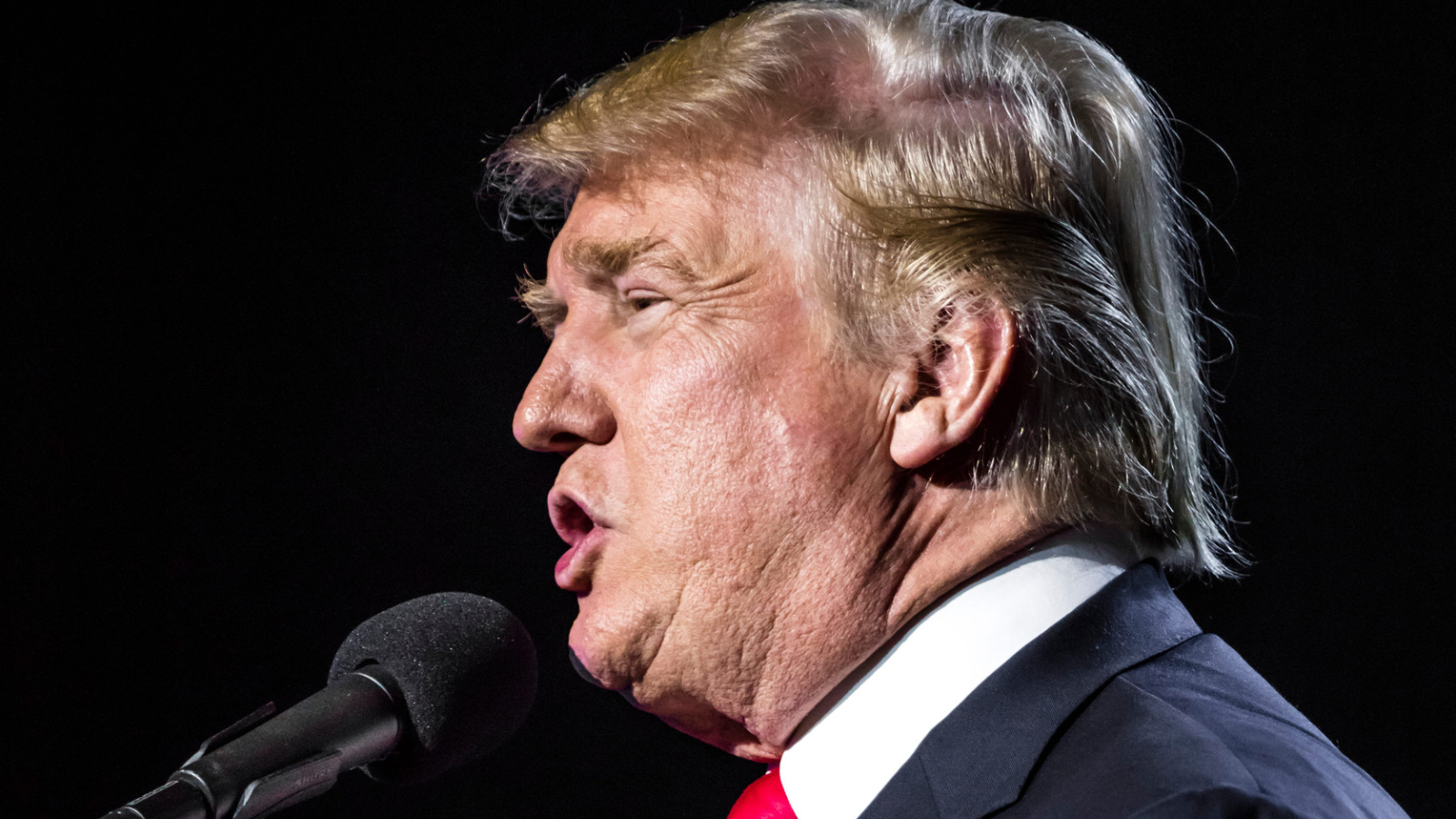
Ohio’s 7th Congressional District has long been viewed as favorable territory for Republicans. The district includes communities south of Cleveland, combining suburban neighborhoods, smaller cities and rural areas with a strong conservative voting history. Former President Donald Trump’s success in the region has helped strengthen Republican candidates during recent elections.
Miller’s political career has been closely connected to Trump’s movement. Before joining Congress, he served as a senior adviser during Trump’s first administration and became known as a supporter of the former president’s agenda. That connection has helped him build support among Republican voters who see him as aligned with their priorities.
However, the same connection has placed his race under a national spotlight. Supporters see Miller as a representative of conservative values, while critics argue that serious allegations require greater scrutiny. The election will show whether party loyalty remains stronger than concerns surrounding a candidate’s personal controversies.
Legal Battle With Former Wife Becomes Campaign Issue
The controversy centers on allegations made by Emily Moreno, Miller’s former wife and the daughter of Ohio Republican Sen. Bernie Moreno. Moreno has accused Miller of abusive behavior during their marriage, including allegations that he physically harmed and threatened her. Miller has denied the allegations and has argued that the claims are false.
The dispute has continued through legal proceedings where both sides have presented competing accounts. No criminal conviction or final court ruling has established that Miller committed abuse. The allegations remain disputed, but their political impact has already become significant.
For elected officials, public perception often develops before legal cases reach a conclusion. Allegations involving domestic violence can quickly shift public attention toward questions about character and leadership. Miller now faces the challenge of defending his political record while responding to a controversy that continues to attract national coverage.
Child Injury Dispute Adds Another Layer To The Controversy
The legal dispute between Miller and Moreno has also involved questions surrounding their young daughter. Court filings and police records reviewed in previous reporting described different accounts of how the child suffered a broken collarbone. Moreno contacted authorities after the injury, while Miller has disputed allegations involving his daughter.
Miller has previously stated that allegations involving his child were investigated by child welfare officials and were determined to be unsubstantiated. That finding means investigators did not establish enough evidence to support those specific claims. It does not automatically resolve every disagreement between the two sides.
The involvement of a child has increased public interest in the case. Voters often react strongly to allegations involving children because they raise serious concerns about safety and responsibility. At the same time, legal disputes involving families require careful evaluation of evidence and official findings.
Democrats See a Chance to Flip the Republican Seat
Democrats have quickly moved to make Miller’s controversy a central issue in the election. Their candidate, Brian Poindexter, a union ironworker, is presenting himself as an alternative focused on working families, accountability and trust in government. He argues that voters deserve leadership without ongoing personal controversies.
Democratic lawmakers have called for Miller to resign and requested a House ethics investigation. Such an investigation would not automatically determine that Miller violated congressional rules. Instead, a formal review process examines whether his conduct meets congressional standards.
For Democrats, the opportunity is not about changing the district’s political identity overnight. The goal is to persuade enough voters that the controversy has created a reason to reconsider their support. In a closely divided House, unexpected victories in a few Republican districts could determine which party holds power.
Republicans Stand Behind Miller Despite Pressure
Republicans have continued supporting Miller and have argued that voters should make the final decision. Party officials have pointed to his work in Congress and said allegations should not determine an election before the legal process is complete. Miller’s supporters maintain that he has been targeted by political opponents.
The controversy creates a difficult situation for Republican leaders. Defending Miller allows them to support an incumbent, but it also keeps attention focused on a damaging issue. Every new legal development has the potential to extend the political impact of the dispute.
Ohio Gov. Mike DeWine has described the accusations as serious while saying voters should ultimately decide Miller’s future. That position reflects the challenge facing Republicans as they balance concerns about the allegations with the importance of protecting a congressional seat. The party must decide whether continued support strengthens its position or creates additional political risks.
Stephanie Grisham Lawsuit Creates More Political Pressure
The controversy surrounding Miller expanded after former White House press secretary Stephanie Grisham filed a lawsuit connected to their previous relationship. Grisham previously accused Miller of abusive behavior during their relationship, allegations Miller denied. Miller sued her over statements made in her memoir and a Washington Post opinion article, and the dispute was later resolved through a confidential agreement.
Grisham’s new lawsuit alleges that Miller violated that agreement by involving her in his dispute with Moreno. Miller has denied wrongdoing connected to the lawsuit. The case has added another layer of complexity to a campaign already dominated by legal disputes.
Democrats can argue that multiple allegations involving former partners deserve public attention. Miller’s supporters argue that accusations should not replace evidence or legal conclusions. The competing arguments are likely to remain central throughout the election campaign.
Money Could Decide Whether Democrats Can Compete
Despite the controversy, Miller still has major advantages as an incumbent. He has stronger name recognition, greater fundraising ability, and the political network that comes with holding office. Those advantages make him difficult for any challenger to defeat.
Poindexter faces the challenge of converting public attention into actual voter support. A controversial race can generate headlines, but campaigns require funding for advertising, voter outreach, and organization. Without major financial support, challenging an established Republican incumbent remains extremely difficult.
Outside, political groups could play a decisive role. If Democrats believe the race is competitive, national organizations could invest heavily in advertising and voter mobilization. Republicans may also spend significant resources to defend a seat they consider important.
Three Factors That Could Decide The Ohio Race
The first factor will be future legal developments. New court decisions, evidence or official findings could dramatically influence how voters view the controversy. The legal process may continue shaping the campaign long after the initial allegations became public.
The second factor will be outside political spending. National organizations often target races where unexpected opportunities appear. A large investment could transform Ohio’s 7th District from a local contest into a national battleground.
The third factor will be Republican voter reaction. Miller does not necessarily need to win over Democrats to survive. His future may depend on whether Republican and independent voters remain loyal or decide the controversy has changed their opinion.
Why Ohio’s 7th District Matters Nationally
The race has gained national attention because control of the House could depend on a small number of competitive districts. A Republican seat becoming vulnerable gives Democrats another possible path toward gaining power in Washington. For Republicans, protecting Miller would demonstrate the strength of their coalition.
The election also highlights a broader question facing American politics. How should voters respond when allegations against a candidate conflict with strong party loyalty? The answer could influence not only Ohio but future campaigns across the country.
The allegations against Miller remain disputed, and legal proceedings will determine the facts. However, the political consequences are already clear. A congressional race that once seemed predictable has become one of the most closely watched contests in Ohio.
In a closely divided House, every seat carries enormous importance. The decision made by voters in Ohio’s 7th District could help determine which party controls Congress after the 2026 midterm elections. The race has become a powerful example of how personal controversies can reshape the path to political power.