Marriage after 50 can be a beautiful chapter. Couples have often spent decades building a home, raising children, navigating financial challenges, and creating memories together. By this stage, many partners know each other’s routines almost too well.
But familiarity can sometimes come with an unexpected downside. Romance gets pushed aside, conversations become predictable, and small habits that once seemed harmless begin creating distance.
Attraction in a long-term marriage isn’t just about physical appearance. Emotional connection, mutual respect, affection, communication, and feeling appreciated all play important roles.
Of course, not every husband feels the same way, and attraction is a two-way street. Women have their own needs and frustrations, too. These habits aren’t exclusive to women, and they don’t mean a marriage is destined to fail.
However, certain everyday behaviors can gradually weaken closeness if couples never address them.
Here are 10 habits worth reconsidering if you want to keep affection, friendship, and romance alive after 50.
Constantly Criticizing Everything He Does
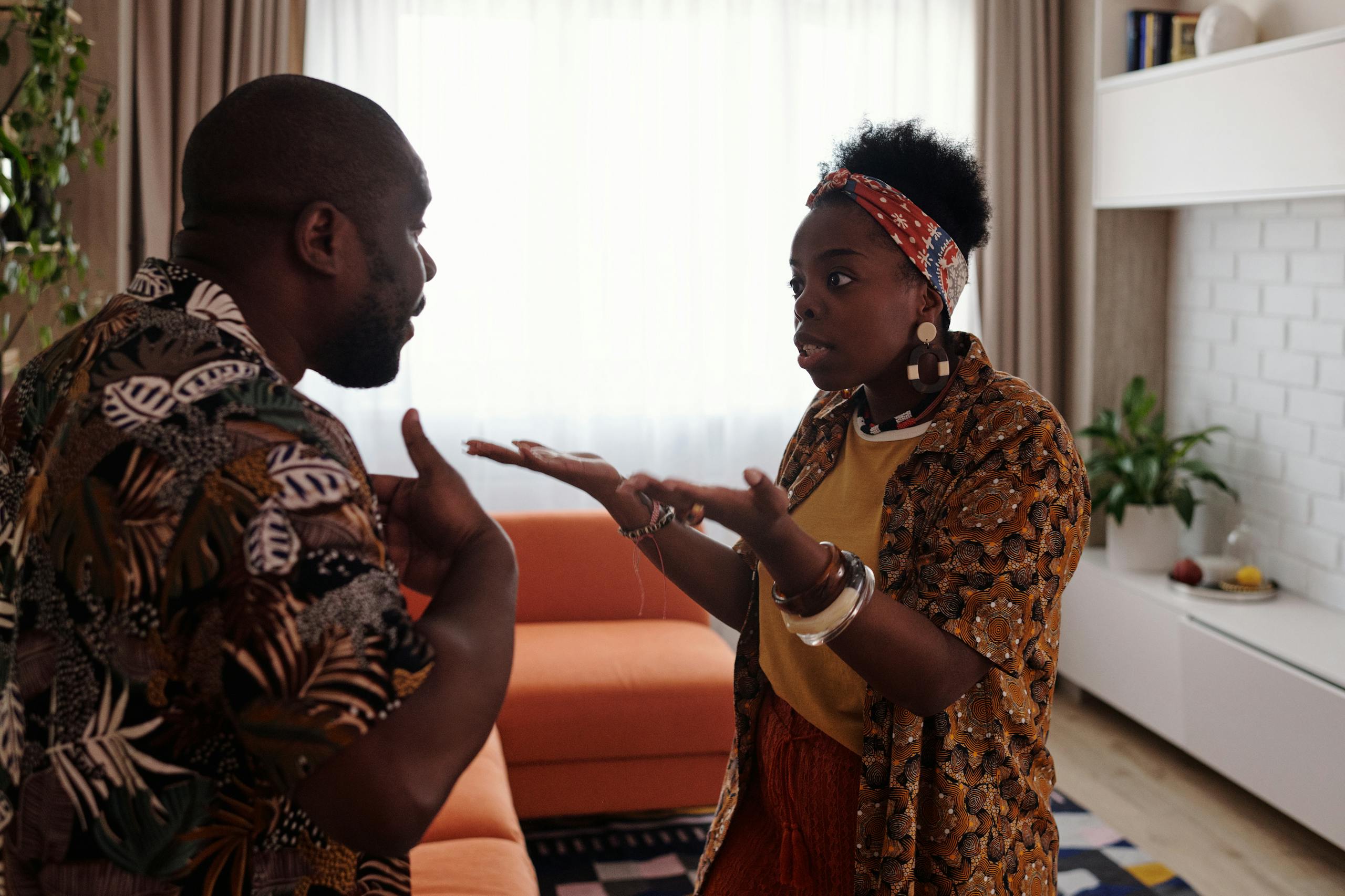
Nobody enjoys feeling as though they can never get anything right. When a husband hears complaints about how he drives, dresses, cooks, spends his time, or handles household responsibilities, he may eventually stop trying.
Constructive conversations are important, but there’s a difference between expressing dissatisfaction and making someone feel inadequate every day.
Small things deserve room for appreciation, too. If he helps with something around the house, acknowledge the effort instead of immediately pointing out what he could have done differently.
Mutual respect can make a long marriage feel much warmer.
Treating Romance Like Something for Younger Couples
Some couples gradually stop dating each other once they reach their 50s. Dinner dates become less frequent, compliments disappear, and romantic gestures feel unnecessary.
But growing older doesn’t mean romance expires.
A surprise dinner, a thoughtful message, holding hands during a walk, or planning a weekend outing can bring back some excitement.
The important thing is making your partner feel wanted, not like someone you share a house with.
Comparing Him to Other Husbands
Constantly talking about how another woman’s husband earns more, dresses better, travels more, or helps around the house can create unnecessary resentment.
Even if the comparison begins as a joke, repeated comments can make a husband feel that he is competing with people he cannot possibly satisfy.
Every marriage has different financial circumstances, personalities, and responsibilities.
Instead of comparing your relationship to someone else’s highlight reel, discuss what you both want to improve in your own marriage.
Stopping Physical Affection Altogether
Physical affection doesn’t have to mean sex. Sometimes, a hug, a kiss before leaving home, holding hands, or sitting close on the couch can communicate love more effectively than a long conversation.
When these gestures disappear completely, partners may begin feeling more like roommates than romantic companions.
Affection should never be forced, and both partners’ comfort matters. However, couples can talk openly about what kinds of closeness make them feel loved.
Making Every Conversation About Problems
Household bills, children’s responsibilities, retirement plans, and family disagreements are important topics.
However, if every conversation revolves around something that needs fixing, spending time together can start feeling like another responsibility.
Make room for conversations that aren’t about problems.
Talk about childhood memories, favorite movies, places you’d like to visit, or something funny that happened during the day.
Research published in the journal Emotion found that long-married couples displayed more humor, enthusiasm, and validation over time, while negative behaviors generally declined.
Sometimes, enjoying each other’s company matters as much as solving problems together.
Taking His Efforts for Granted
After decades together, it’s easy to assume that your partner already knows how much you appreciate him.
But appreciation shouldn’t disappear simply because someone has been doing something for years.
If he takes care of household responsibilities, supports the family, or makes an effort to spend quality time together, acknowledge it.
A simple thank-you can make an ordinary day feel different.
Appreciation is also a two-way street. Both partners deserve recognition for the things they contribute to the marriage.
Refusing to Try Anything New
Doing the same things every weekend isn’t necessarily bad. Familiar routines can provide comfort, particularly after retirement.
However, refusing every suggestion to try something different can make a relationship feel predictable.
Perhaps your husband wants to explore a new restaurant, take a road trip, attend a concert, or learn a hobby together.
You don’t have to agree to everything, but showing curiosity about each other’s interests can create opportunities for new memories.
Using Silence to Punish Him
Taking time to cool down after an argument can be helpful. However, deliberately refusing to communicate for days without explaining why can create emotional distance.
Your husband shouldn’t have to guess whether you’re upset, what happened, or how to make things right.
If something bothers you, explain it when you’re both calm enough to have a productive conversation.
Healthy communication doesn’t mean agreeing about everything. It means being willing to address disagreements without turning them into prolonged emotional battles.
Letting Personal Grooming Become an Afterthought
Nobody needs to look glamorous every day, and aging naturally changes everyone’s appearance.
However, completely abandoning personal care can sometimes affect how partners feel about themselves and their relationship.
Taking time to wear clothes you enjoy, maintain your preferred hairstyle, or feel comfortable in your appearance can help preserve confidence.
The same expectation should apply to husbands.
Looking after yourself isn’t about competing with younger people. It’s about continuing to feel good in your own skin.
Constantly Interrupting or Dismissing His Opinions
Feeling heard matters at every age.
If your husband tries to share an opinion and you regularly interrupt, laugh at his suggestions, or dismiss his concerns, he may eventually stop opening up.
Disagreements are normal, but listening doesn’t require agreement.
Give each other room to finish speaking, ask questions, and explain different perspectives.
A marriage becomes more enjoyable when both people feel that their thoughts matter.