Some edibles hit harder than others because the body does not absorb every cannabis product the same way. When we eat or drink THC, it moves through the stomach, intestines, and liver before entering the bloodstream. During that process, the liver converts delta-9 THC into 11-hydroxy-THC, a metabolite that can feel stronger, deeper, and longer lasting than inhaled cannabis for many consumers. Product formulation, dose, fat content, timing, metabolism, tolerance, and even what we ate earlier can all change how powerful an edible feels.
What Makes Edibles Feel So Different?
Edibles are not simply “smoked cannabis in food form.” They follow a completely different route through the body, which is why their effects can feel slower, heavier, and more unpredictable. When cannabis is inhaled, THC reaches the bloodstream through the lungs and moves to the brain quickly. That fast feedback lets many users feel effects within minutes and adjust more easily.
With edibles, the body has to digest the product first. THC travels through the gastrointestinal system, enters the liver, and gets metabolized before much of it reaches the bloodstream. This process creates a delayed effect, which can make a gummy, chocolate, baked good, capsule, or infused drink feel quiet at first and surprisingly strong later.
This delay is one of the biggest reasons people accidentally take too much. We may assume the edible “isn’t working” after 30 or 45 minutes, take another serving, then feel both servings stacking at once. The experience can shift from comfortable to overwhelming because edible THC is still building in the body long after the first bite.
Bioavailability Explains Why Edible Strength Is So Unpredictable
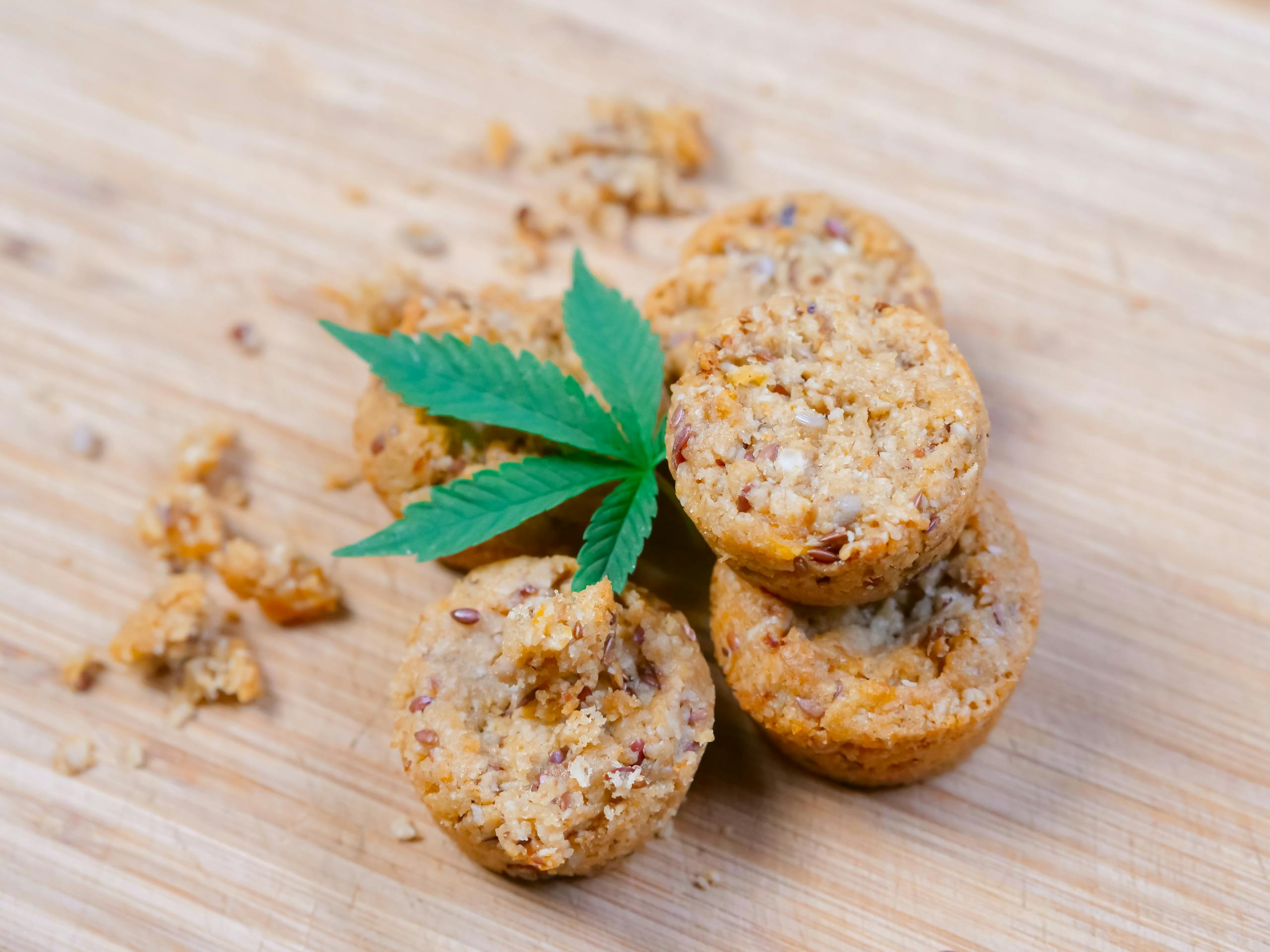
Bioavailability means how much of an active compound actually reaches the bloodstream in a form the body can use. A product may contain a clear THC amount on the label, but the amount the body absorbs can vary. That gap between labeled dose and absorbed dose is where many edible surprises begin.
Oral THC has lower bioavailability than inhaled THC because digestion and first-pass liver metabolism break down part of the compound before it fully circulates. Yet lower bioavailability does not always mean a weaker experience. The THC that does make it through can be metabolized into 11-hydroxy-THC, which can create a stronger body-centered effect for some people.
This is why two edibles with the same listed THC amount can feel different. A 10 mg gummy, a 10 mg chocolate, and a 10 mg infused beverage may not be absorbed at the same rate. The label tells us the dose placed in the product. Bioavailability helps explain how much of that dose the body actually uses.
The Liver Changes THC Into 11-Hydroxy-THC
The liver is the turning point in the edible experience. After we swallow THC, the compound passes through digestion and enters the liver, where enzymes convert part of delta-9 THC into 11-hydroxy-THC. This metabolite is one reason edibles can feel more intense and longer lasting than inhaled cannabis.
11-hydroxy-THC is psychoactive, meaning it contributes to the “high.” It can also cross into the brain efficiently, which may explain why edible effects often feel more immersive than smoking or vaping. Instead of a fast rise and shorter fade, edibles often build slowly, peak later, and linger for hours.
This does not mean every edible will feel extreme. Dose, product type, tolerance, stomach contents, and body chemistry still matter. But if we want to understand why some edibles hit harder than expected, 11-hydroxy-THC is central to the answer.
Edible Onset Time Can Trick Even Experienced Consumers
Edibles can take anywhere from 30 minutes to several hours to take effect, depending on the product and the person. That slow rise creates a psychological trap. We expect cannabis to announce itself quickly, but edibles often arrive like a delayed wave.
The first stage may feel almost too mild. Then the effects can intensify after digestion catches up. For some people, the peak can arrive much later than expected, especially after a large, high-fat meal or a slow-digesting food. That is why “wait before taking more” is one of the most important rules of edible safety.
The delay also makes edibles different from alcohol, caffeine, or inhaled cannabis. We cannot judge the final strength from the first 20 minutes. A calm beginning does not guarantee a gentle peak.
Product Formulation Can Make One Edible Hit Faster
Not all edibles are built the same. THC is fat-soluble, which means it mixes better with fats and oils than water. That is why cannabis butter, coconut oil, MCT oil, chocolate, and other fat-based formats often play a major role in edible products.
Some modern products also use emulsification or nanoemulsion technology to break cannabinoids into smaller particles that disperse more evenly in liquids. These products may feel faster or more consistent for some consumers, especially in beverages and fast-acting gummies. The effect still depends on the person, but formulation can change the timeline.
Traditional baked goods may take longer because they move through digestion like food. Beverages and emulsified products may feel quicker because they are designed for faster absorption. This is one reason two products with the same THC number can feel dramatically different.
Fat Content Can Increase THC Absorption
What we eat with an edible can change the experience. High-fat foods may increase exposure to THC and 11-hydroxy-THC because cannabinoids bind well with fats. That means an edible taken after pizza, avocado, peanut butter, chocolate, or a rich meal may feel stronger than the same edible taken on an empty stomach.
This is where edible timing becomes tricky. Taking THC with food may reduce stomach irritation and make digestion smoother, but it can also alter how much THC the body absorbs and when the peak arrives. A high-fat meal may delay the peak while increasing overall cannabinoid exposure.
That delayed stronger peak can surprise people. We may feel little at first because the meal slows digestion, then feel a stronger wave later as absorption increases. This is one reason experienced consumers still get caught off guard.
Empty Stomach Versus Full Stomach
An edible on an empty stomach can sometimes feel faster because there is less food slowing digestion. However, that does not always make the experience smoother. For some people, an empty stomach can create a sharper, less comfortable onset, especially with higher THC doses.
A full stomach may slow things down. The edible has to move through a longer digestive process, which can delay the onset and peak. The tradeoff is that food, especially fatty food, may increase absorption for some products. That means a full stomach can make an edible feel slower at first but stronger later.
This is why consistency matters. If we take the same dose under completely different conditions, we should not expect the same result. A 5 mg gummy after a light breakfast may feel different from the same 5 mg gummy after a heavy dinner.
Individual Metabolism Changes Everything
Metabolism is one of the least visible reasons edibles vary. Two people can take the same edible from the same package and have completely different experiences. One person may feel relaxed after an hour. Another may feel nothing for two hours and then suddenly feel overwhelmed.
Several personal factors can affect edible strength, including digestive speed, liver enzyme activity, tolerance, body composition, recent meals, medications, sleep, stress, and cannabis use history. Even the same person can react differently on different days.
This is why edible advice must leave room for individuality. A friend’s dose is not a personal dose. A product review is not a guarantee. A previous good experience does not remove the need for caution the next time.
Tolerance Can Hide the Real Strength
Tolerance changes how strong THC feels. People who use cannabis often may need higher doses to feel the same effects that a beginner feels from a smaller amount. This can create confusion when experienced users recommend doses that are too strong for new consumers.
Tolerance also varies by product type. Someone who smokes cannabis regularly may still find edibles surprisingly intense because oral THC produces a different metabolite profile. Inhalation tolerance does not always translate neatly to edible tolerance.
Breaks from cannabis matter too. After a tolerance break, a dose that once felt normal can feel powerful again. That is why it is smart to restart lower after time away from THC.
Gummies, Chocolates, Drinks, and Baked Goods Hit Differently
Gummies are popular because they are easy to portion, portable, and usually labeled clearly. Their effects depend on formulation, sugar matrix, cannabinoid infusion method, and whether they use standard oil-based THC or faster-acting technology. Some gummies feel gradual, while others are designed to hit sooner.
Chocolates and baked goods often contain fats, which may support THC absorption. They can also feel heavier because they digest like richer foods. A brownie or cookie may take longer to process than a small gummy, especially after a meal.
Cannabis beverages can feel different again. Some infused drinks use emulsified cannabinoids that mix more evenly with liquid. These may produce a quicker onset for some users, although the full experience can still last for hours. Product format matters because digestion, absorption, and formulation work together.
Edibles Last Longer Because the Body Processes Them Slowly
Edible effects can last much longer than inhaled cannabis. Inhaled THC rises quickly and usually fades faster. Edible THC enters through digestion, passes through liver metabolism, and produces active metabolites that can remain noticeable for hours.
The long duration can be useful for some adults who legally use cannabis for sustained effects, but it can be uncomfortable when the dose is too high. A strong edible may affect mood, coordination, attention, reaction time, and perception long after the user expected it to fade.
This matters for driving, work, childcare, cooking, and any task that requires judgment or coordination. Even if the strongest effects seem to pass, lingering impairment can remain. Edibles should be treated as long-duration products, not quick snacks.
Edible Safety Rules We Should Take Seriously
Edibles should be stored like medication, not like candy. Keep them locked away from children, pets, guests, and anyone who might mistake them for regular food. Accidental ingestion can be serious, especially for children.
Adults should avoid driving or operating equipment after consuming THC. The delayed onset and long duration make edibles especially risky for tasks that require timing, focus, and coordination. Planning matters before taking the first serving.
We should also avoid using edibles during pregnancy or breastfeeding, and people with a personal or family history of psychosis, severe anxiety, or substance use disorder should be especially cautious. Higher THC products can increase the chance of panic, paranoia, confusion, and other unwanted effects.