Some foods have a way of bringing yesterday into the kitchen. One bite of tuna noodle casserole, a slice of pineapple upside-down cake, or the sight of a colorful gelatin salad can stir memories of family dinners, holiday gatherings, and recipes passed around on handwritten cards.
American food history is full of these stories. In 1925, a pineapple recipe contest attracted more than 60,000 submissions, including approximately 2,500 recipes for pineapple upside-down cake, according to KQED’s historical account.
But calling these foods forgotten would be misleading. Many remain available in supermarkets, while manufacturers continue publishing recipes that keep their traditions alive.
Here are 10 old-school American foods with fascinating histories, familiar flavors, and surprisingly enduring places in today’s kitchens.
Savory Gelatin Salads: When Vegetables Came in a Mold
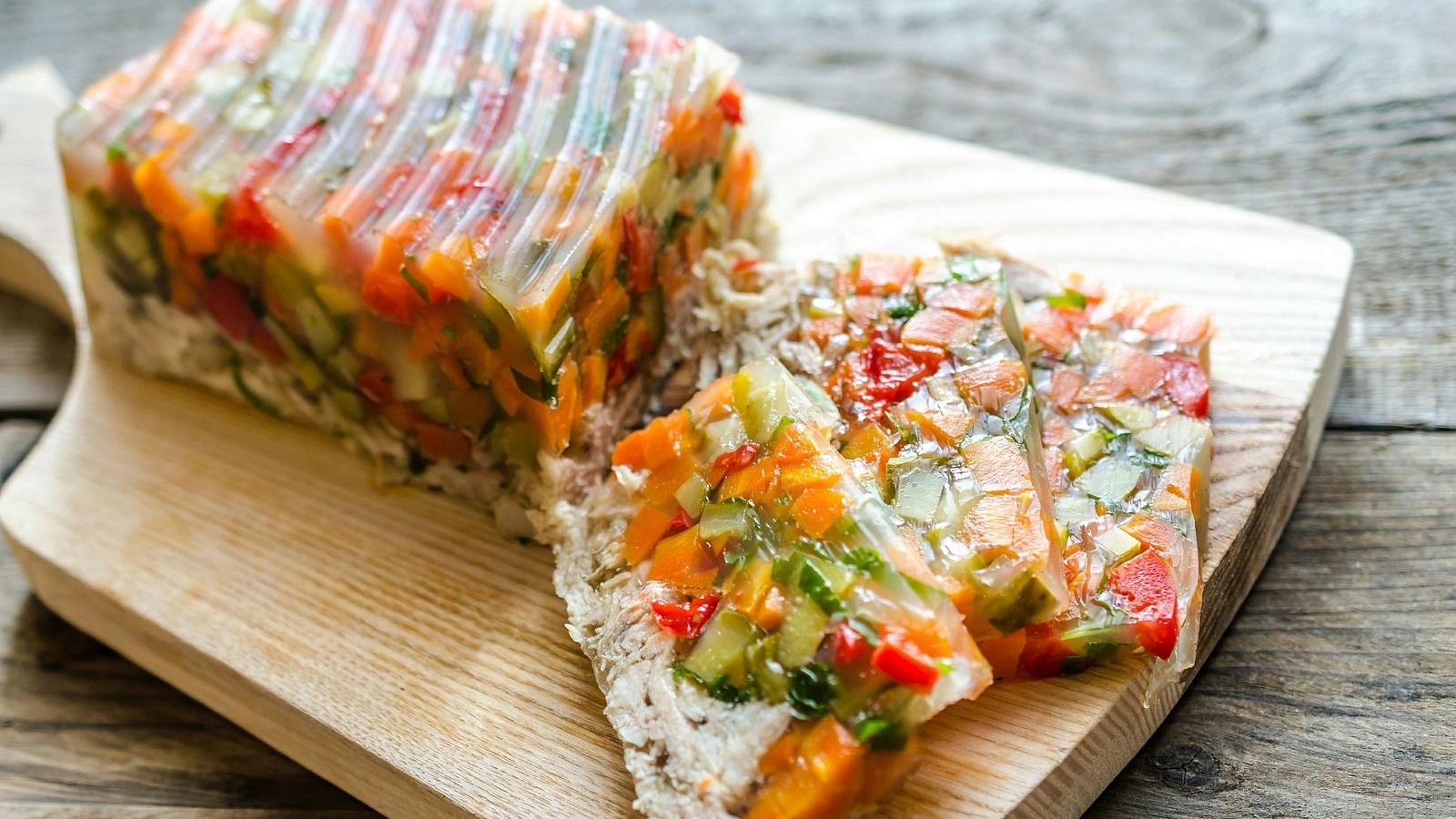
There was a time when gelatin wasn’t reserved for dessert. Cabbage, celery, peppers, and other savory ingredients could appear suspended inside a carefully shaped mold.
According to Serious Eats, Perfection Salad, a mixture featuring cabbage, celery, and red pepper, earned third place in a Knox-sponsored cooking competition in 1905.
Jell-O later introduced savory flavors, including celery, mixed vegetable, and Italian salad, during the 1960s. By the mid-1970s, those flavors had been withdrawn as demand declined. The elaborate vegetable-filled mold may no longer represent fashionable entertaining, but its history reveals just how adventurous American home cooking could be.
Tuna Noodle Casserole: The Pantry Dinner That Endured
Few dishes capture the appeal of straightforward home cooking quite like tuna noodle casserole. The familiar combination brings canned tuna, noodles, and a creamy sauce together beneath a comforting topping.
Campbell’s official recipe uses cooked egg noodles, condensed cream of mushroom soup, milk, peas, and buttered breadcrumbs. Chicken of the Sea publishes another version that includes cheddar cheese and allows crushed potato chips as a topping.
These variations show how a recognizable dish can accommodate different family preferences. And because manufacturers still publish recipes for it, tuna noodle casserole cannot reasonably be described as something Americans have completely abandoned.
Ambrosia Fruit Salad: The Sweet Side of Nostalgia
Ambrosia salad occupies that delightful space between a side dish and dessert. Its colorful combination of fruit and creamy ingredients makes it especially recognizable among traditional American gathering foods.
Kraft Heinz continues to publish an Ambrosia Mold recipe combining orange-flavored gelatin, pineapple, mandarin oranges, miniature marshmallows, coconut, and whipped topping. The company’s recipe serves 10 and requires several hours of chilling.
However, not every ambrosia salad contains gelatin. The molded version is simply one interpretation of a dish that has appeared in different forms. That flexibility helps explain why family recipes can look remarkably different while sharing the same familiar name.
Watergate Salad: The Green Dessert With a Mysterious Name
Watergate salad has an unusual name and an unmistakable appearance. Its pale-green mixture combines pistachio pudding with fruit, whipped topping, and marshmallows, creating a dessert that’s both creamy and fluffy.
The Kraft Heinz recipe uses crushed pineapple, pistachio instant pudding, Cool Whip, miniature marshmallows, and chopped pecans. The company connects the dish to a 1970s recipe originally called Pistachio Pineapple Delight.
Exactly how it acquired the Watergate name remains uncertain, so stories crediting a particular hotel chef shouldn’t be treated as established history. What is clear is that the recipe survives, ready for anyone who enjoys a little old-fashioned dessert nostalgia.
Creamed Chipped Beef: A Simple Dish With Staying Power
Creamed chipped beef has the sort of straightforward name that tells you much of what to expect. Thin strips of dried beef are served in a seasoned creamy sauce, often over toast.
The dish’s appearance may be modest, but its preparation reflects the appeal of familiar ingredients brought together without elaborate presentation. And it hasn’t disappeared from commercial kitchens.
Stouffer’s continues listing a frozen Creamed Chipped Beef product, while Nestlé Professional offers a food-service version. Those listings don’t tell us how many Americans still enjoy the dish, but they do establish that the classic remains part of today’s prepared-food market.
Related: 15 Foods From the ’60s Most Boomers Loved With a Passion
Braunschweiger: The Liver Sausage That Never Quite Left
Braunschweiger is one of those old-fashioned foods whose name alone can start a conversation. The liver sausage is associated with savory sandwiches, spreads, and simple meals where the flavor of the meat takes center stage. Although it sometimes appears on lists of forgotten American foods, the evidence tells a different story.
Oscar Mayer’s product catalog continues to feature Braunschweiger A Liver Sausage. That doesn’t establish how popular it is among different generations, but it directly contradicts claims that nobody makes it anymore.
For anyone who remembers the distinctive flavor, the product’s continued presence offers a reminder that old-fashioned favorites don’t necessarily vanish when food trends change.
Bologna Sandwiches: A Familiar Lunchbox Classic
A bologna sandwich doesn’t require an elaborate recipe or complicated preparation. Its appeal lies in the simplicity of sliced meat tucked between pieces of bread, with whatever additions the person making it prefers. That uncomplicated character gives the sandwich a place in discussions of classic American lunches.
Oscar Mayer still lists regular bologna and beef bologna in multiple package sizes through its official product catalog. Those listings demonstrate continued commercial availability, rather than proving whether bologna sandwiches have become more or less popular.
It’s tempting to describe them as relics of another generation, but no verified nationwide survey establishes that younger Americans have stopped recognizing or eating them. Sometimes, familiar food is simply familiar food.
Pineapple Upside-Down Cake: The Dessert That Made History
Pineapple upside-down cake combines a golden cake with an arrangement of fruit that becomes visible when the dessert is turned out of its pan. Its popularity has a particularly well-documented historical connection.
According to KQED, a 1925 pineapple recipe contest received more than 60,000 submissions. Approximately 2,500 featured pineapple upside-down cake. The Hawaiian Pineapple Company, later associated with Dole, helped promote the dessert through advertising and recipes. That doesn’t mean the company invented the cake.
Dole still publishes a version using canned pineapple and yellow cake mix, showing that this vintage dessert remains accessible to home bakers.
Turkey TV Dinners: When Dinner Came in Compartments
The original TV dinner wasn’t merely a frozen meal. Its compartmented tray represented a different approach to serving dinner at home.
The Smithsonian’s National Museum of American History dates Swanson’s introduction of its frozen TV dinner to 1954. The disposable aluminum tray could travel from freezer to oven, keeping separate meal components neatly arranged.
The timing connected with television’s growing presence in American homes. According to the Smithsonian, nearly 90% of American households owned a television by 1960.
Today’s frozen meals come in many formats, but the original Swanson tray remains an important artifact of American food history. It captures a moment when convenience and changing household routines began reshaping dinner.
SPAM Luncheon Meat: The Canned Classic That Keeps Reinventing Itself
Few packaged foods have a history quite like SPAM. Hormel Foods introduced the canned luncheon meat on July 5, 1937, and its role expanded during World War II.
In a 2022 anniversary announcement, Hormel said more than 100 million pounds of SPAM were shipped abroad to feed Allied troops during the war. That’s the company’s historical figure, rather than an independently audited military record.
SPAM’s story also extends beyond wartime cooking. Hormel’s anniversary announcement highlighted contemporary chefs and social-media interest, making it difficult to support claims that younger generations have forgotten the product. Its long history is better understood as a story of adaptation than disappearance.
Old-Fashioned Doesn’t Mean Forgotten
These 10 foods represent different chapters in America’s culinary history. Savory gelatin salads experienced a documented decline in fashion, while tuna noodle casserole, Watergate salad, bologna, and SPAM continue appearing in manufacturer catalogs and recipes.
The distinction matters because a dish can look old-fashioned without being obsolete. Some recipes survive through family traditions. Others remain available as packaged products, while a few have found new audiences through contemporary cooking.
And perhaps that’s the beauty of revisiting older foods. They offer a glimpse into how Americans once cooked, entertained, and gathered around the table, while reminding us that yesterday’s recipes can still have something to offer today.