A package of ground beef can look perfectly ordinary at the grocery store, then raise questions when you open the refrigerator the following day. That unsettling change is exactly what one Texas shopper says happened after she brought home meat from H-E-B.
The shopper, identified as Jess on TikTok, said she refrigerated the beef overnight before noticing its gray appearance. According to a September 25, 2026, BroBible report by Nina Hernandez, the package cost $14.62.
But gray meat doesn’t automatically mean spoiled meat. The U.S. Department of Agriculture explains that ground beef can turn grayish brown in areas with limited oxygen exposure, although discoloration throughout the package deserves closer attention. The shopper’s experience raises an important question: What should buyers actually look for when bringing home ground beef?
Here are nine useful things to know.
Gray Meat Inside a Package Isn’t Automatically Spoiled
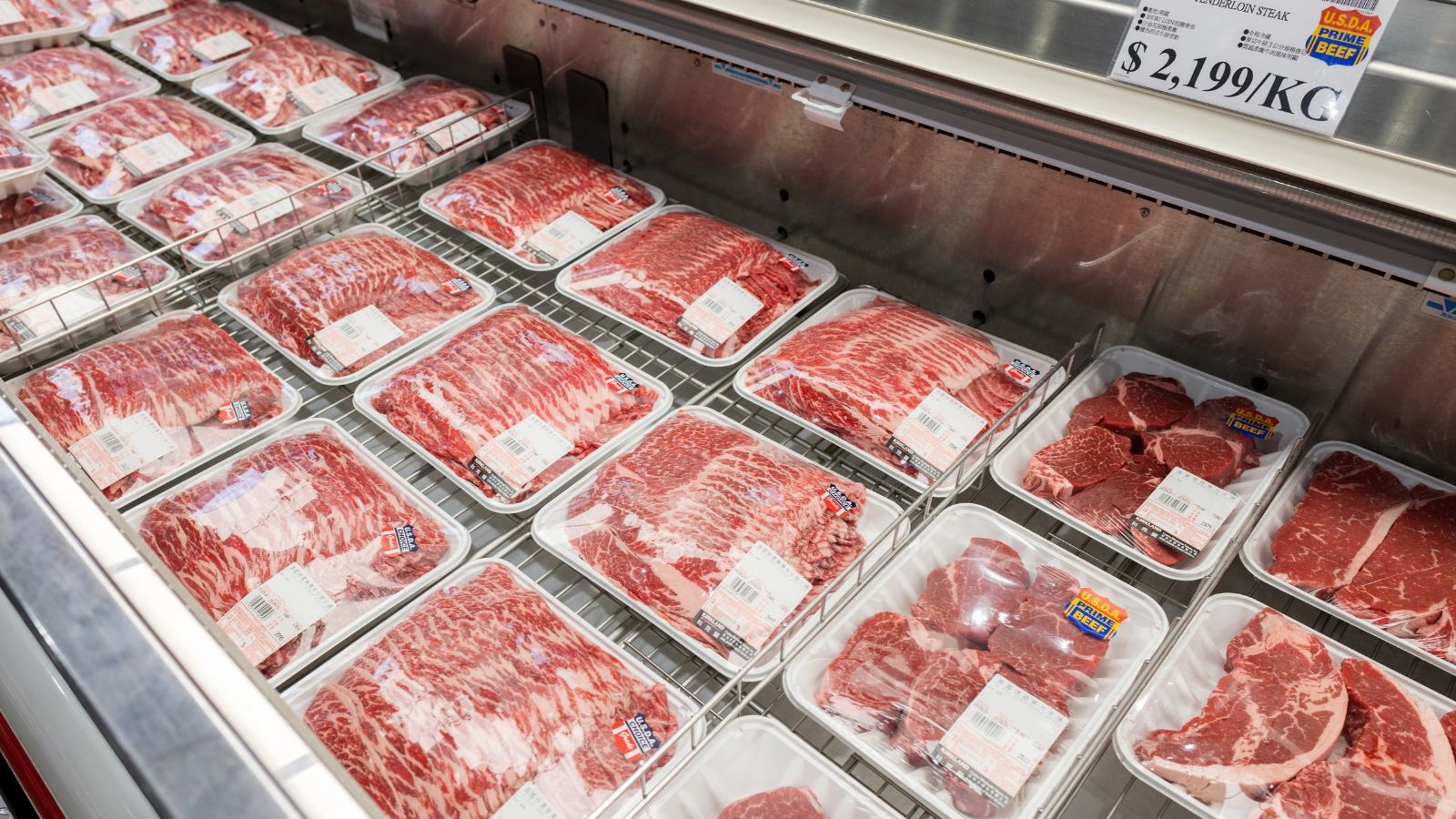
Fresh ground beef doesn’t always maintain the bright red appearance that shoppers expect. According to the USDA’s ground beef guidance, meat pigments react with oxygen, creating the familiar red color commonly seen on supermarket shelves.
However, the interior receives less oxygen and can develop a grayish-brown appearance. That means finding some discoloration inside a package doesn’t automatically establish spoilage.
It’s an important distinction because appearances can create unnecessary alarm. Still, color alone cannot determine how a particular package was stored or handled before purchase.
Ground Beef That’s Gray Throughout Deserves More Attention
There’s a difference between an interior patch of grayish-brown meat and an entire package that has changed color.
The USDA explains that when all the ground beef has turned gray or brown, it may be beginning to spoil. The word may matters. Discoloration deserves attention, but it isn’t laboratory proof of what happened.
In Jess’s case, the precise cause of the reported overnight color change remains unverified. BroBible quoted a commenter who suggested possible temperature mishandling, but that explanation wasn’t supported by confirmed storage records.
Shoppers shouldn’t assume that every gray patch signals a problem, or that bright-red meat guarantees everything is fine.
Unpleasant Odors and Sticky Texture Are Additional Warning Signs
Color isn’t the only characteristic worth examining when preparing ground beef.
The USDA identifies unpleasant odors and a sticky exterior as signs associated with spoilage. These changes can help explain why meat sometimes seems noticeably different from the day it was purchased.
But there’s an important limitation: not every problem with meat produces a smell or visible warning. A package that looks normal cannot be judged by appearance alone.
The sensible approach is to consider the product’s condition alongside its storage history, packaging and purchase date rather than relying on a single visual clue.
Refrigerated Ground Beef Has a Short Storage Window
Ground beef isn’t an ingredient to leave forgotten at the back of the refrigerator. The USDA recommends using refrigerated raw ground beef within one to two days or freezing it for later.
Interestingly, H-E-B’s own lean ground beef listing gives the same one-to-two-day recommendation. This short window makes planning especially important. If you purchase ground beef for dinner several days away, freezing it promptly may make more sense than keeping it refrigerated.
The guidance also explains why buying meat one day and cooking it the next can be a reasonable plan, provided it has been handled and stored appropriately.
H-E-B Says Its Ground Beef Is Prepared Fresh Multiple Times Daily
H-E-B describes its ground beef as freshly ground several times throughout the day. The company’s 93% lean ground beef product page also states that its certified meat cutters prepare the product. Those descriptions help explain the preparation process the retailer advertises.
However, they don’t establish exactly when Jess’s package was ground or what happened at the particular store where she reportedly purchased it. Fresh preparation and proper storage are separate considerations.
BroBible also reported that a commenter mentioned a package label reading “sell by 9/21.” That date hasn’t been independently confirmed from the original package. The USDA explains that sell-by dates help retailers manage inventory rather than serving as automatic spoilage deadlines.
Related: 5 Tips for Perfect BBQ with a Smoker Grill Combo: Enhance Your Grilling Experience
Ground Beef Should Be Kept at 40 Degrees or Colder
The journey from the supermarket refrigerator to your kitchen matters just as much as the cooking plan. USDA guidance recommends storing raw ground beef at 40 degrees Fahrenheit or below.
At the store, shoppers should choose cold packages without tears and place meat among the last items added to their carts. The agency also recommends keeping raw meat separate from other groceries and refrigerating it promptly after purchase. These are useful habits whether you’re shopping at H-E-B or another supermarket.
The reported video doesn’t establish the temperature history of Jess’s purchase, so there’s no basis for concluding that either the retailer or shopper failed to follow these recommendations.
Two Hours Is the General Limit Outside Refrigeration
A quick grocery run can become a much longer outing when other errands get in the way. The USDA recommends leaving perishable foods unrefrigerated for no longer than two hours.
When temperatures reach 90 degrees Fahrenheit or higher, that window drops to one hour. Those limits make transportation planning important, especially during warm-weather shopping trips.
The agency suggests traveling directly home and considering an insulated cooler with ice when necessary. This doesn’t explain what happened to the H-E-B package. It simply establishes the recommended handling timeline that applies to ground beef purchases generally.
Ground Beef Should Reach 160 Degrees When Cooked
When it’s finally time to prepare burgers, meatballs or meatloaf, appearance isn’t the most reliable way to judge doneness.
According to the USDA, ground beef should reach an internal temperature of 160 degrees Fahrenheit, checked using a food thermometer. That’s a different benchmark from the one used for whole beef steaks and roasts.
The agency also notes that ground beef can appear brown before reaching the recommended internal temperature. A thermometer therefore provides information that color alone cannot.
But cooking temperatures shouldn’t be treated as a way to rescue meat already known to be spoiled or improperly stored. When the condition of a package is uncertain, it’s better to resolve that concern before beginning dinner.
H-E-B Has a Refund Policy, but Purchase Details Matter
For shoppers concerned about a purchase, knowing the store’s return policy can be as important as understanding the product.
According to H-E-B’s published refund policy, most in-store purchases may qualify for a refund or exchange with a receipt dated within 90 days, subject to exceptions. Online and app purchases have a different general window: refund or exchange requests must usually be made within 14 days of pickup or delivery.
BroBible also quoted an apparent H-E-B account apologizing to Jess and suggesting that a store employee had already assisted her. However, the comment wasn’t independently authenticated, and the report didn’t confirm whether Jess received a refund or replacement.
The documented policy gives shoppers a place to start, but individual circumstances still matter.
What the H-E-B Ground Beef Complaint Really Tells Us
The most important detail in this story remains unresolved: why did the shopper’s beef reportedly change color overnight? BroBible contacted both Jess and H-E-B for further comment, but its published report did not establish the cause or confirm a product-quality failure.
USDA guidance makes one thing clear: meat color is more complicated than the simple assumption that red means fresh and gray means spoiled. Storage temperature, handling time, package condition and changes in texture all deserve attention. And if a purchase raises questions, keeping the receipt and contacting the retailer may help resolve the concern.
For anyone planning tonight’s burgers or tomorrow’s meat sauce, the lesson is practical. Understanding how ground beef changes appearance can help you make better-informed shopping and cooking decisions without jumping to conclusions.