A death inside a New Jersey immigration detention facility has renewed debate over the safety, oversight, and medical care provided to people held in federal custody. Edwin Jovanny Lopez-Cornejo, an ICE detainee who had previously been deported and later re-entered the United States, died after experiencing a medical emergency at Delaney Hall Detention Facility in Newark, New Jersey.
The incident has drawn attention from immigration advocates, elected officials, and community groups who are questioning whether detention centers are providing adequate healthcare and supervision for individuals in government custody. New Jersey Gov. Phil Murphy’s successor, Gov. Mikie Sherrill, has called for increased scrutiny of the facility, adding pressure on federal immigration authorities to address concerns surrounding operations at Delaney Hall.
The case comes as immigration detention remains one of the most closely watched issues in the United States. While federal officials emphasize that detention facilities are responsible for holding individuals who may face removal proceedings, critics argue that every person in custody must receive proper medical attention and humane treatment.
A Medical Emergency Turns Into a National Immigration Debate
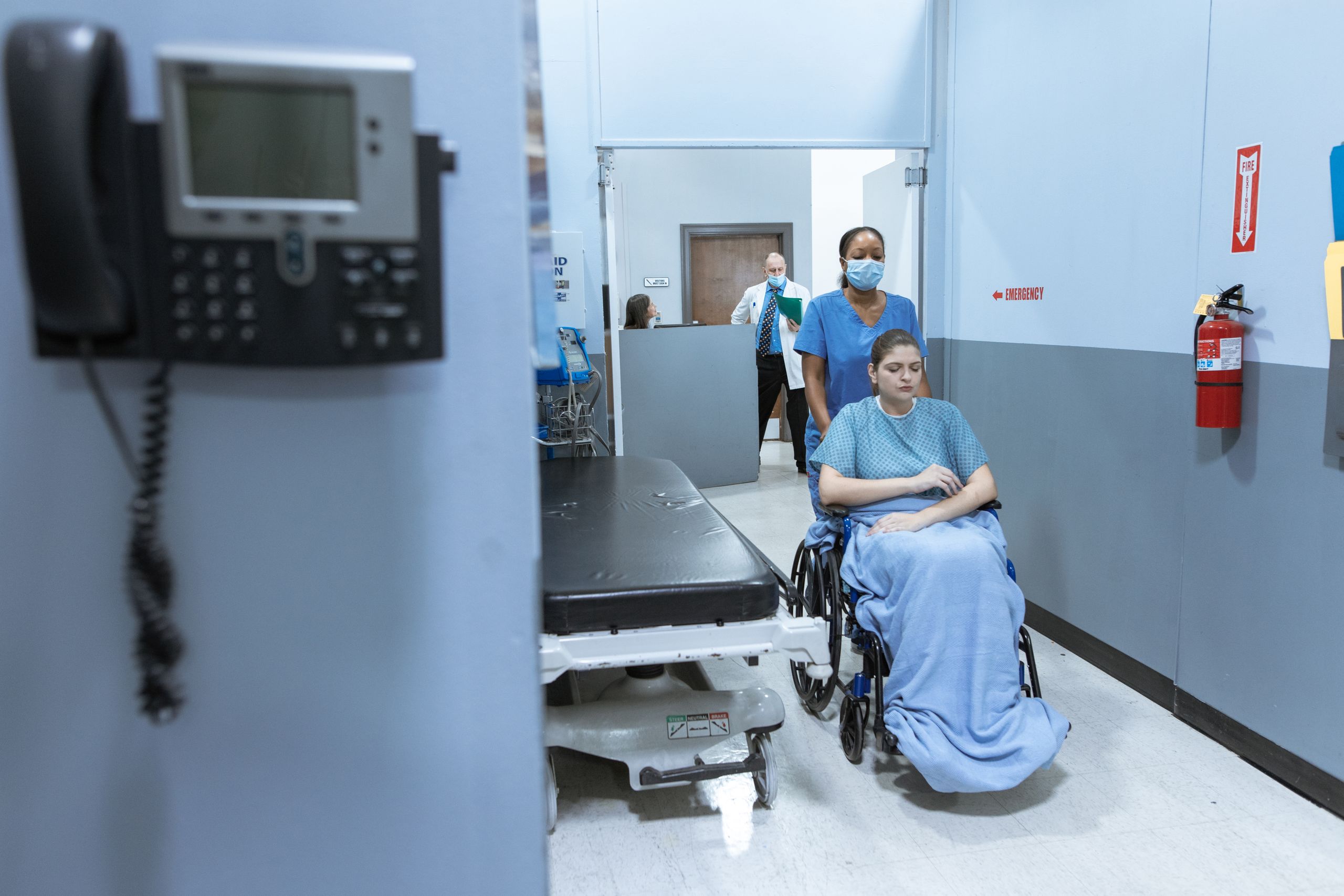
Edwin Jovanny Lopez-Cornejo’s death at Delaney Hall began with what officials described as a medical emergency. According to reports, Lopez-Cornejo was being held at the New Jersey detention facility when his condition suddenly worsened. Emergency personnel responded, but efforts to save him were unsuccessful.
The circumstances surrounding his final hours have become the focus of public concern. Whenever a person dies while in government custody, questions often emerge about whether warning signs were missed, whether medical resources were available quickly enough, and whether facility procedures were properly followed.
Immigration and Customs Enforcement has stated that detainee deaths are reviewed through official procedures designed to examine medical response, facility actions, and other circumstances surrounding the incident. However, advocates argue that transparency is essential because detention facilities operate away from public view, leaving families and communities demanding clearer answers.
Lopez-Cornejo’s background has also become part of the discussion. Authorities said he had previously been deported from the United States before allegedly returning illegally. His immigration history placed him under federal custody, but critics say immigration status should not determine whether someone receives appropriate medical treatment while detained.
The debate highlights a broader question facing the U.S. immigration system: how should the government balance enforcement responsibilities with the obligation to protect people held in its care?
Delaney Hall Facility Faces Growing Scrutiny
Delaney Hall Detention Facility has become a major point of discussion in New Jersey’s immigration debate. Located in Newark, the facility is used to hold individuals facing immigration proceedings, including people awaiting hearings or possible removal from the country.
The facility has faced criticism from immigration advocates who have raised concerns about detention conditions, access to healthcare, and government oversight. The death of Lopez-Cornejo has intensified those concerns, with critics calling for a closer examination of how detainees are treated.
Gov. Mikie Sherrill has joined calls for additional action regarding the facility. Her position reflects growing political pressure in New Jersey over immigration detention practices and whether private or government-operated facilities are meeting expected standards.
Supporters of stronger oversight argue that detention centers must operate with the same seriousness expected from other government-controlled environments. They point out that detainees cannot freely leave to seek outside medical care, making internal healthcare systems especially important.
Federal immigration officials, however, maintain that detention facilities follow established guidelines and that individuals in custody receive medical evaluations and emergency care when needed. Officials argue that detention remains necessary to enforce immigration laws and ensure that individuals appear for legal proceedings.
The disagreement reflects a larger national divide. Supporters of immigration enforcement focus on border security and legal compliance, while opponents emphasize humanitarian responsibilities and protections for people in custody.
The Larger Debate Over Deaths in Immigration Custody
Deaths in immigration detention have historically triggered public debate about conditions inside facilities across the United States. Each case often leads to renewed questions about medical care, staffing levels, mental health support, and accountability.
Immigration detention differs from criminal incarceration because many detainees are held through civil immigration proceedings rather than criminal convictions. Advocates argue that because detention is not intended as punishment, conditions should prioritize safety, dignity, and access to healthcare.
Critics of the system have long argued that detention centers can create serious health risks, especially for individuals with existing medical conditions. They say delays in treatment or insufficient monitoring can have serious consequences when people are unable to advocate for themselves. (Man from El Salvador dies in immigration jail in New Jersey, ICE says, 2026)
Government officials have responded that detention facilities have medical professionals available and that emergency procedures exist to protect detainees. They argue that isolated incidents should be investigated individually rather than used to characterize the entire immigration detention system.
The Lopez-Cornejo case adds to these ongoing discussions at a time when immigration enforcement remains politically significant. Across the country, communities continue to debate whether detention should expand, change, or be replaced with alternative monitoring programs. (Alternatives to Immigration Detention: An Overview, 2023)
The question is not only about immigration policy but also about government responsibility. When the state takes custody of an individual, many argue that it assumes a duty to protect that person’s basic safety.
Officials Demand Answers as Investigations Continue
Following Lopez-Cornejo’s death, attention has shifted toward investigations and accountability measures. Officials and advocates are seeking information about what happened before the medical emergency, how quickly staff responded, and whether any improvements are needed.
A thorough review could examine medical records, facility procedures, staff actions, and communication between detention officials and outside emergency responders. These reviews are designed to determine whether protocols were followed and whether changes could prevent similar incidents.
For families and advocates, transparency remains one of the most important issues. They argue that public confidence depends on clear explanations whenever someone dies while under government supervision.
At the same time, immigration authorities face the challenge of maintaining detention operations while responding to criticism. Federal agencies must demonstrate that enforcement policies can coexist with proper care standards.
The outcome of the investigation may influence future discussions about Delaney Hall and other immigration detention facilities nationwide. If officials identify failures, the case could lead to demands for reforms in healthcare procedures, oversight systems, or facility management.
A Death That Highlights America’s Immigration Challenge
The death of Edwin Jovanny Lopez-Cornejo at Delaney Hall has become more than a single incident. It has become part of a wider national conversation about immigration enforcement, government responsibility, and the treatment of people held in federal custody.
His immigration history will remain part of the official record. Still, the circumstances surrounding his death raise broader questions about how detention facilities operate and what standards should apply when the government takes control of an individual’s freedom.
The debate over immigration often focuses on borders, laws, and enforcement numbers. Yet cases like this shift attention toward the human consequences behind those policies.
As investigations continue, officials will face pressure to provide answers while addressing concerns about detention conditions. The case serves as a reminder that immigration policy is not only about legal processes but also about the responsibilities that come with holding human lives in government care.