The White House is defending President Donald Trump’s role in America’s 250th anniversary celebration after MS NOW guest Akilah Hughes warned that the United States may not survive another 250 years if it remains on its current path.
Hughes, a podcast host and commentator, made the remarks Sunday, June 21, 2026, on “Current with Jacob Soboroff.” The discussion came as Washington and communities nationwide prepare for the 250th anniversary of independence on July 4, 2026.
Hughes Says America Faces Institutional Risk
Hughes said she does not believe the country is likely to reach its 500th anniversary under the current political trajectory. She described the United States as a young democracy and said Americans should not assume it is immune from decline.
When pressed to explain her warning, Hughes pointed to the Trump administration. She accused it of trying to weaken public education, reduce public works, erase history, and privatize major parts of public life.
She said corporations are not built to give back to the public over the long term. Her comments framed the anniversary debate around institutions, not only patriotism or party politics.
Hughes also said the current period feels pessimistic, especially for younger Americans. She argued that many countries have risen and fallen, and that the United States should not treat its survival as guaranteed.
White House Pushes Back
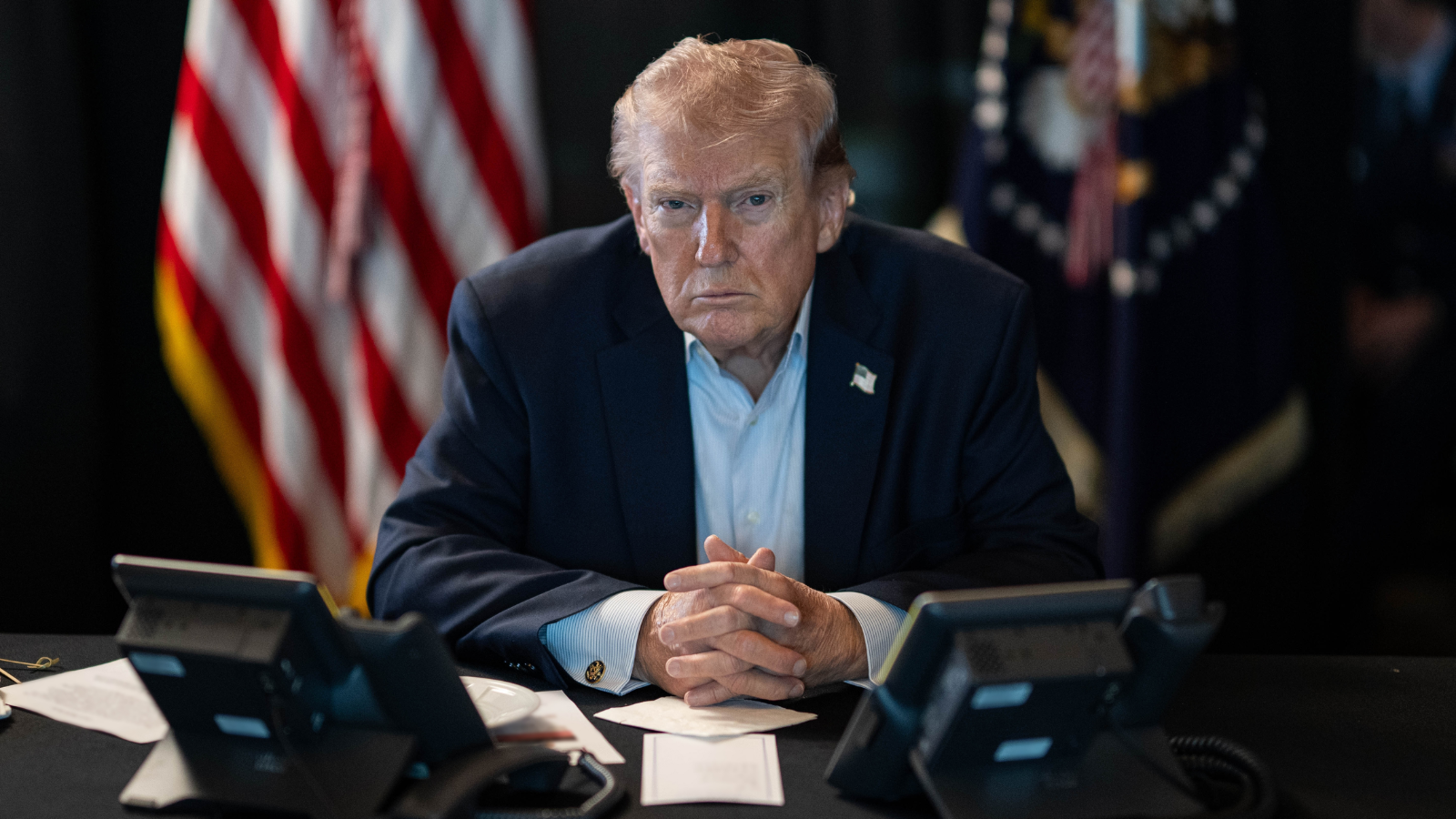
White House spokesman Davis Ingle rejected the criticism and said Trump is working to deliver a major patriotic celebration for the country. He said the anniversary events will display pride in the nation’s capital and across the country.
The administration has promoted its Freedom 250 celebration program as a major tribute to 250 years of American independence. Trump has placed the anniversary inside his broader message about national pride, civic memory, and American strength.
Ingle said the president is proud to participate in the semiquincentennial celebration. He also dismissed criticism of the event as politically motivated opposition to Trump.
The response shows how a national birthday has become a political test. Supporters see the celebration as a moment to honor the founding, while critics say Trump’s central role has made the event feel partisan.
Panelist Points to Civic Resilience
Aminatou Sow, another guest on the panel, offered a more hopeful view. She said she understood Hughes’ concerns but saw strong civic energy among people who refuse to give up.
Sow pointed to New York City as an example of local resilience. She said communities remain tenacious despite political pressure, public frustration, and distrust.
Her remarks created a clear contrast within the same discussion. Hughes focused on the risk of democratic decline, while Sow emphasized the endurance of ordinary Americans.
That divide reflects the wider national mood before July 4, 2026. Many Americans want to celebrate the founding, while others want the anniversary to confront the country’s unresolved problems.
Polling Shows Deep Public Doubt
A recent poll of U.S. adults found that 38% of respondents did not believe the United States would still exist as one country in another 250 years. The survey also found broad concern about the condition of American democracy.
The poll found that two-thirds of respondents believed democracy in the United States is in danger of failing. That figure was higher than in a similar poll conducted the previous year.
The same survey showed a partisan split over patriotic displays. Sixty-four percent of Republicans said they planned to display an American flag or bunting outside their homes for July 4, compared with 27% of Democrats.
That divide gives added weight to the America250 debate. A celebration designed for the whole country is approaching, even as national symbols are viewed differently across party lines.
America250 Plans Move Forward
The national semiquincentennial planning effort is designed to engage Americans in commemorating the country’s 250th anniversary. Its stated mission includes reflection on the nation’s past, recognition of public contributions, and planning for the future.
Events are expected in Washington and across the country. States, cities, museums, schools, and civic groups are preparing programs tied to history, citizenship, service, and public memory.
The National Archives is also preparing July 4 events tied to the founding document. Its public Declaration reading plans include a morning ceremony, patriotic activities, live performances, and historic interpreters.
Those events are expected to draw large crowds to Washington. Local celebrations are also planned in many communities as part of the broader anniversary calendar.
History Debate Shapes the Anniversary
Hughes’ remarks touched one of the sharpest disputes around the anniversary: how the country should teach and remember its own history. That debate has already shaped school boards, state legislatures, museums, and national politics.
Supporters of tighter curriculum controls often say schools should avoid ideological teaching and restore pride in American history. Opponents argue that students need a fuller account of slavery, civil rights, segregation, and protest movements.
The anniversary puts that argument on a national stage. Official events must decide how to honor the founding without ignoring the conflicts that followed it.
The Declaration of Independence promised liberty in 1776, but those ideals did not apply equally to all Americans at the time. Later generations fought through war, constitutional amendments, court battles, and civil rights campaigns to expand those promises.
Trump’s Role Draws Scrutiny
Trump’s participation is central to the current debate. His supporters view him as a president using the anniversary to restore patriotic confidence and celebrate the country’s achievements.
Critics argue that his involvement risks turning a civic milestone into a political showcase. They say the anniversary should belong to the public, not to one administration or party.
The White House has rejected that criticism. Its message remains focused on celebration, national pride, and the historic importance of July 4, 2026.
The disagreement is likely to continue as more events are announced. Federal agencies, state commissions, and local governments are still finalizing anniversary schedules.
The White House is continuing to promote Freedom 250, while America250 organizers and public institutions move ahead with national and local commemorations.
Hughes has not issued a new public statement beyond her televised remarks. The White House response remains the latest official comment from the administration on the criticism.
The next major phase will begin as federal agencies and local organizers release final details for the July 4, 2026, event. The anniversary is now set to be both a national celebration and a public test of how Americans define patriotism, history, and democratic endurance.