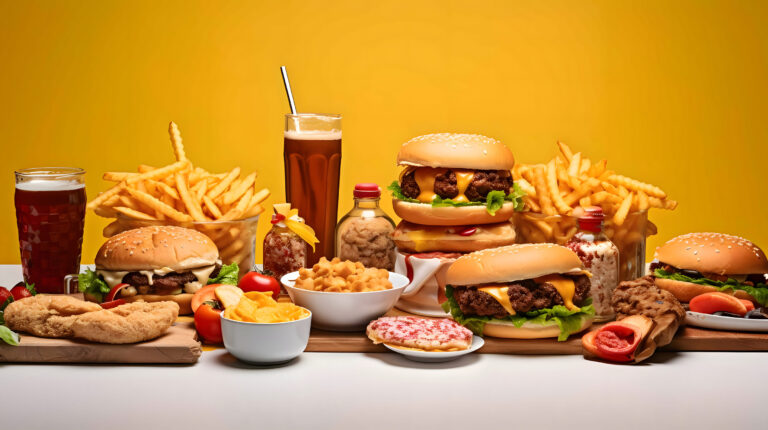
Cancer risk does not come from one bite, one meal, or one “bad” weekend. The real danger usually builds quietly through repeated habits: the daily hot dog, the nightly drink, the giant soda, the charred meat, the ultra-processed snack that replaces real food. That is why the phrase “cancer-causing foods” needs careful handling. Some foods and drinks have strong evidence behind them, especially processed meat and alcohol, while others raise risk mainly through weight gain, inflammation, chemical formation during cooking, or contamination.
The smartest approach is not to panic. It is pattern control. We reduce risk by limiting the foods most consistently linked with cancer and replacing them with meals built around vegetables, fruits, beans, whole grains, nuts, seeds, fish, poultry, and water.
Processed Meats
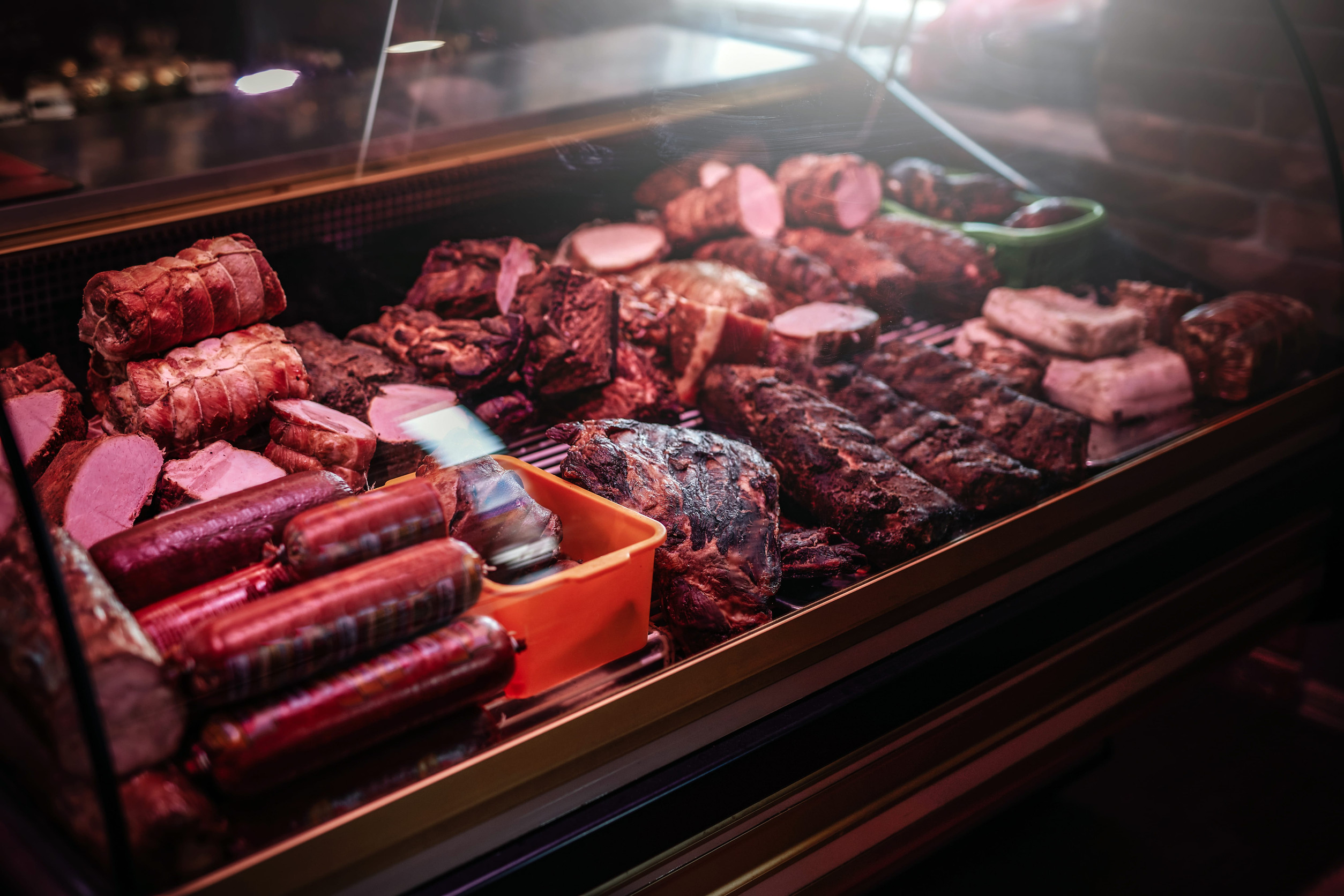
Processed meat sits at the top of the risk list because the evidence is stronger than most people realize. Bacon, ham, hot dogs, sausages, salami, pepperoni, deli turkey, corned beef, and many packaged lunch meats are preserved by smoking, curing, salting, fermentation, or chemical preservatives. These methods can create or introduce compounds such as nitrites, N-nitroso compounds, smoke-related chemicals, and excess salt, all of which may irritate or damage cells over time.
The International Agency for Research on Cancer classified processed meat as carcinogenic to humans, with the clearest link involving colorectal cancer. Its review found that each 50-gram portion of processed meat eaten daily was associated with an 18% higher risk of colorectal cancer. That portion is smaller than many people think: roughly one hot dog, a few strips of bacon, or a modest serving of deli meat.
We do not need to treat processed meat as an everyday protein. Better swaps include eggs, beans, lentils, chicken, fish, hummus, tuna, plain Greek yogurt, tofu, or leftover roasted meat that has not been cured or smoked. The goal is simple: make processed meat occasional, not routine.
Large Portions of Red Meat
Red meat is not the same as processed meat, but heavy intake still raises concern. Beef, pork, lamb, goat, veal, and mutton contain important nutrients, including protein, iron, zinc, and vitamin B12. The problem begins when red meat becomes the center of too many meals, especially when portions are large, cooked at high heat, or paired with low-fiber diets.
The World Health Organization describes red meat as probably carcinogenic to humans, with the strongest evidence involving colorectal cancer and some evidence connected to pancreatic and prostate cancer. The American Cancer Society recommends choosing fish, poultry, and beans more often instead of red meat, and notes that no clearly safe level has been established for processed meat.
We can reduce risk without pretending a steak is the same as a cigarette. Smaller portions, fewer weekly servings, and more plant-forward meals make the difference. A plate with beans, vegetables, whole grains, and a smaller amount of meat gives the body more fiber and fewer risk-driving compounds.
Alcoholic Drinks
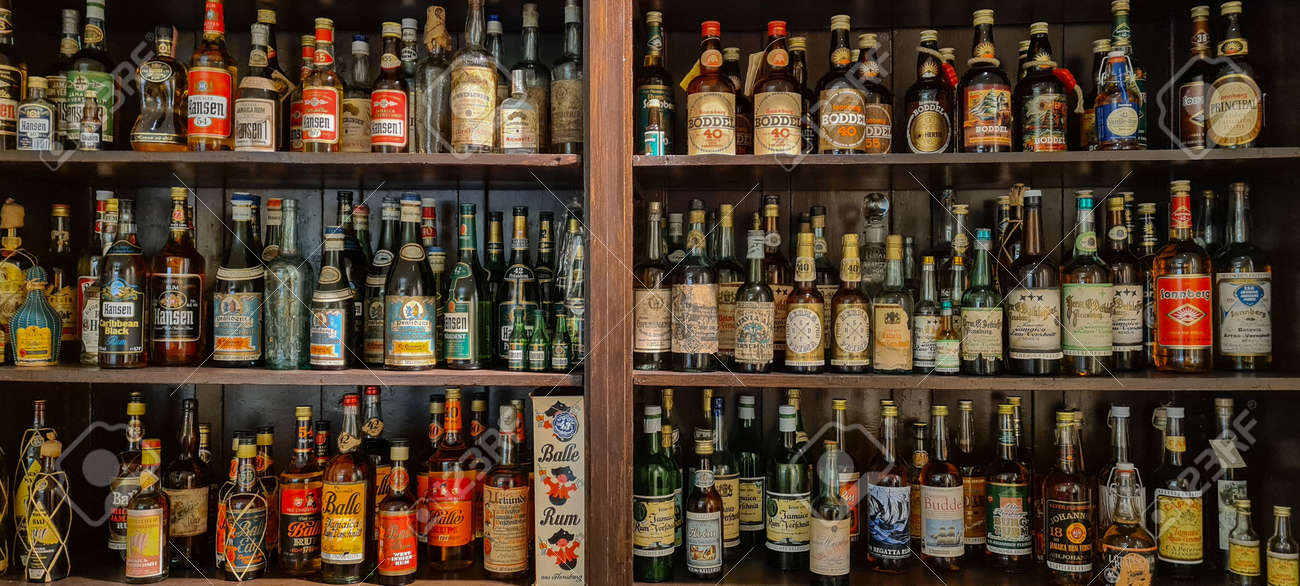
Alcohol belongs in this article because it is a proven carcinogen, regardless of the type. Beer, wine, liquor, cocktails, and hard seltzers all contain ethanol. When the body breaks ethanol down, it produces acetaldehyde, a toxic compound that can damage DNA and interfere with repair processes.
The National Cancer Institute states that people who drink alcohol have a higher risk of several cancers than people who do not drink, and the risk generally rises as intake increases. Alcohol is linked with cancers of the mouth, throat, voice box, esophagus, liver, breast, colon, and rectum. Even light drinking can increase risk for some cancers, especially breast cancer.
This is the uncomfortable truth behind “moderate drinking.” From a cancer-prevention view, less is better. If we drink, cutting down matters. Alcohol-free beer, sparkling water with citrus, unsweetened iced tea, and mocktails without sugary syrups can help replace the ritual without keeping the risk attached.
Sugary Sodas and Sweet Drinks
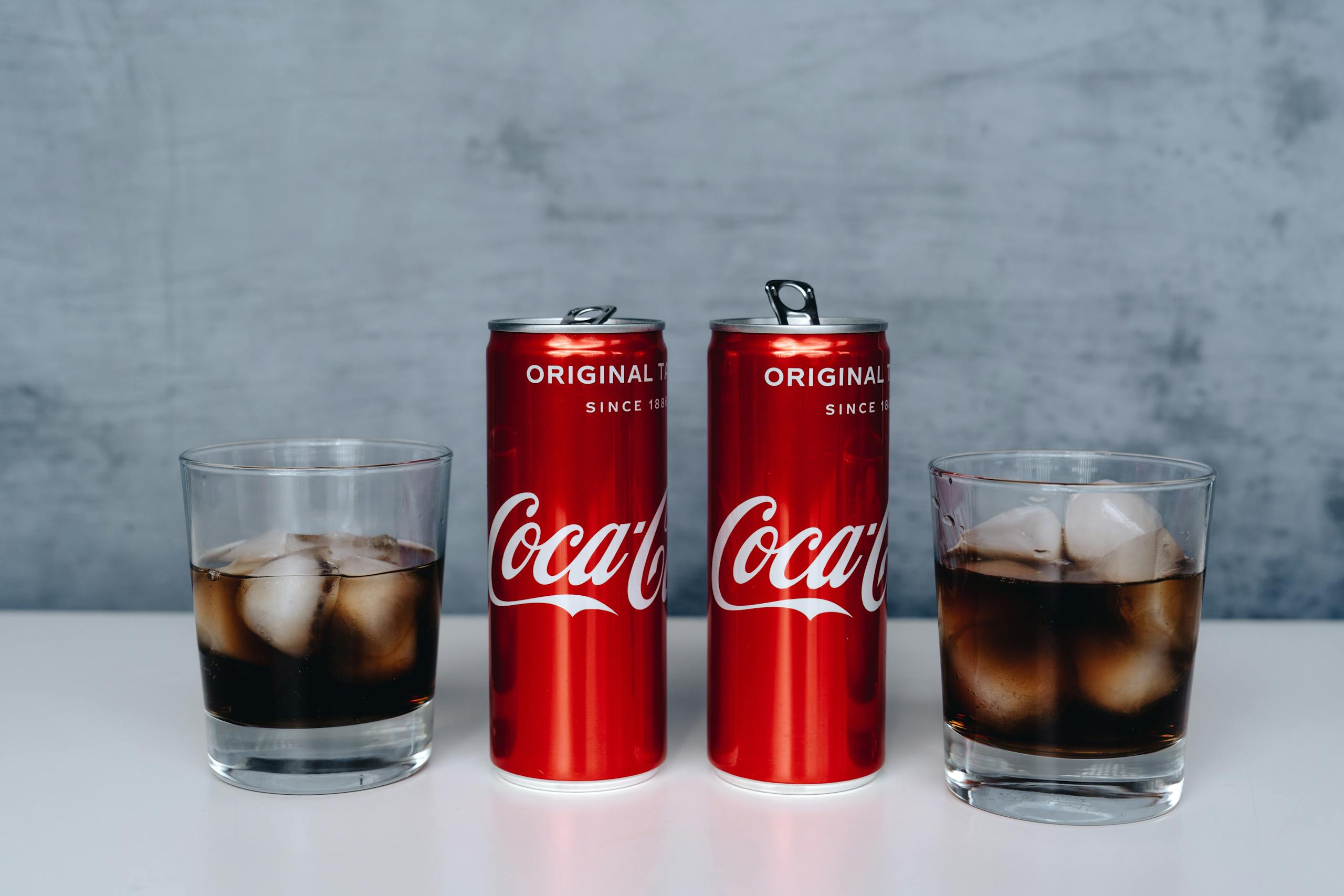
Sugary drinks do not “feed cancer” in the simplistic way social media often claims. The bigger issue is that soda, sweet tea, fruit drinks, energy drinks, flavored coffees, and many bottled juices make it easy to consume large amounts of sugar without feeling full. Over time, that pattern can drive weight gain, insulin resistance, and excess body fat.
Excess body weight is tied to multiple cancers. The CDC states that being overweight or having obesity is associated with a higher risk of 13 types of cancer, which together make up about 40% of cancers diagnosed in the United States each year. The American Institute for Cancer Research also identifies sugar-sweetened drinks as a cause of weight gain, overweight, and obesity, which raises cancer risk.
We should be especially careful with drinks because they hide calories better than food. Water, unsweetened tea, black coffee, sparkling water, and fruit-infused water are cleaner daily choices. Whole fruit is also a better option than fruit drinks because it brings fiber, chewing, and slower sugar absorption.
Ultra-Processed Packaged Snacks

Ultra-processed foods are engineered to be convenient, shelf-stable, and hard to stop eating. Chips, packaged cakes, cookies, toaster pastries, candy bars, instant noodles, cheese-flavored snacks, frozen fried meals, and many fast-food items often combine refined starches, added sugars, sodium, industrial fats, flavor enhancers, and low fiber. The danger is not one ingredient alone. It is the whole pattern.
The American Cancer Society advises limiting highly processed foods and refined grain products as part of a cancer-prevention diet. These foods are often energy-dense, low in nutrients, and easier to overeat, which can contribute to excess weight gain.
We get better protection from foods that still look close to how they grew. Beans, lentils, oats, brown rice, vegetables, fruit, nuts, seeds, plain yogurt, eggs, fish, and minimally processed poultry give the body more fiber and micronutrients. A helpful rule is to ask whether a snack is replacing a real meal or simply adding extra calories on top of one.
Charred and Heavily Grilled Meats
The blackened edges on grilled meat may taste smoky and dramatic, but regular charring is not a harmless detail. When meat is cooked at high temperatures, especially above 300°F, compounds called heterocyclic amines and polycyclic aromatic hydrocarbons can form. These chemicals increase when meat is grilled, fried, barbecued, smoked, or cooked until well done.
The National Cancer Institute explains that HCAs and PAHs can cause cancer in animal models, although human evidence is more complex and not fully settled. It also notes that high consumption of well-done, fried, or barbecued meats has been associated in studies with increased risks of colorectal, pancreatic, and prostate cancer.
We can still grill more safely. Marinate meat, avoid direct flames, trim burned sections, flip often, use lower heat, choose smaller cuts, and add vegetables to the grill. The goal is not flavorless food. It has less smoke, less black crust, and fewer high-heat cooking compounds.
Burnt Fries, Potato Chips, and Over-Browned Starchy Foods
Acrylamide forms when certain starchy foods are cooked at high temperatures, especially during frying, roasting, baking, and toasting. French fries, potato chips, crackers, browned toast, roasted potatoes, cookies, and some cereals can contain acrylamide depending on cooking time, temperature, and processing method.
The FDA notes that high levels of acrylamide caused cancer in research studies, and that it has guidance for reducing acrylamide formation in foods. It also states that the exact risk to humans from much lower dietary levels remains uncertain. That means we should avoid panic, but we should still reduce unnecessary exposure where practical.
We can cut risk by cooking starchy foods to a golden yellow instead of dark brown, avoiding burned toast, soaking raw potato slices before frying, and choosing boiled or steamed potatoes more often. The darker and crispier the starch, the more cautious we should be.
Salt-Preserved and Heavily Pickled Foods
Salt-preserved foods can be part of traditional diets, but heavy intake raises cancer concerns, especially for the stomach. Salted fish, salt-preserved vegetables, heavily pickled foods, cured seafood, and very salty preserved staples can damage the stomach lining and may encourage changes that increase cancer risk.
World Cancer Research Fund evidence links foods preserved by salting with increased stomach cancer risk, especially salt-preserved vegetables and fish. Its prevention guidance advises avoiding salt-preserved, salted, and very salty foods where possible.
We do not have to fear every pickle. The problem is that frequent, high-salt preserved food is a major habit. Fresh vegetables, fermented foods eaten in moderate portions, vinegar-based flavoring, herbs, citrus, garlic, ginger, and spices can deliver bold flavor without turning salt into the main preservation tool.
Moldy Corn, Peanuts, Tree Nuts, and Grains
This category is different because the danger is contamination, not the natural food itself. Corn, peanuts, tree nuts, rice, wheat, cottonseed, and some spices can become contaminated with aflatoxins, toxins produced by certain molds. This risk is higher in warm, humid conditions and when crops are poorly dried or stored.
The National Cancer Institute identifies aflatoxins as cancer-causing substances and explains that they can contaminate crops such as maize, peanuts, cottonseed, and tree nuts. The FDA also lists peanuts, corn, tree nuts, some small grains, and milk from cows fed contaminated crops among foods that may be susceptible to mycotoxins.
We should discard moldy nuts, grains, flour, peanut products, and stored staples instead of scraping off visible mold. Buying from reputable suppliers, storing food dry, using airtight containers, and avoiding damp storage areas all matter. A bargain bag of moldy grain is never a bargain for long-term health.
Fast Foods High in Fat, Starch, Sugar, and Salt
Fast food becomes a cancer-risk issue when it turns into a pattern of oversized portions, fried sides, sugary drinks, processed meats, refined buns, creamy sauces, and low vegetable intake. Burgers, fries, fried chicken sandwiches, pizza, milkshakes, breakfast sandwiches, and value meals can pack a lot of energy into a small amount of food. That makes weight gain easier and nutrient balance harder.
World Cancer Research Fund recommends limiting fast foods and other processed foods high in fat, starches, or sugars as part of cancer prevention. The American Cancer Society also recommends limiting highly processed foods and refined grain products.
We can make better choices without pretending busy people have endless time. Choose grilled options, skip processed meat toppings, replace soda with water, add vegetables, avoid upsizing, and treat fries as occasional rather than automatic. The meal should stop being a calorie trap disguised as convenience.