Some of the most memorable snacks come from combinations that seem to have no business sharing a plate. Mayonnaise on pears, peanuts swimming in Coca-Cola, and cornbread crumbled into milk might earn a confused look today. Yet these pairings have genuine roots in American home cooking.
Many are connected to Southern food traditions, while others belong to New England kitchens. Some even have histories stretching back more than a century. Marshmallow Fluff, for example, traces its origins to 1917, when Archibald Query began selling his marshmallow preparation in Massachusetts.
These aren’t snacks every grandmother made, and there’s no evidence that everyone who tries them will fall in love. But the published recipes reveal something wonderful about old-fashioned cooking: familiar ingredients can become surprisingly interesting when someone combines them differently.
Here are nine unusual snacks worth getting acquainted with.
Pear Salad With Mayonnaise and Cheddar Cheese
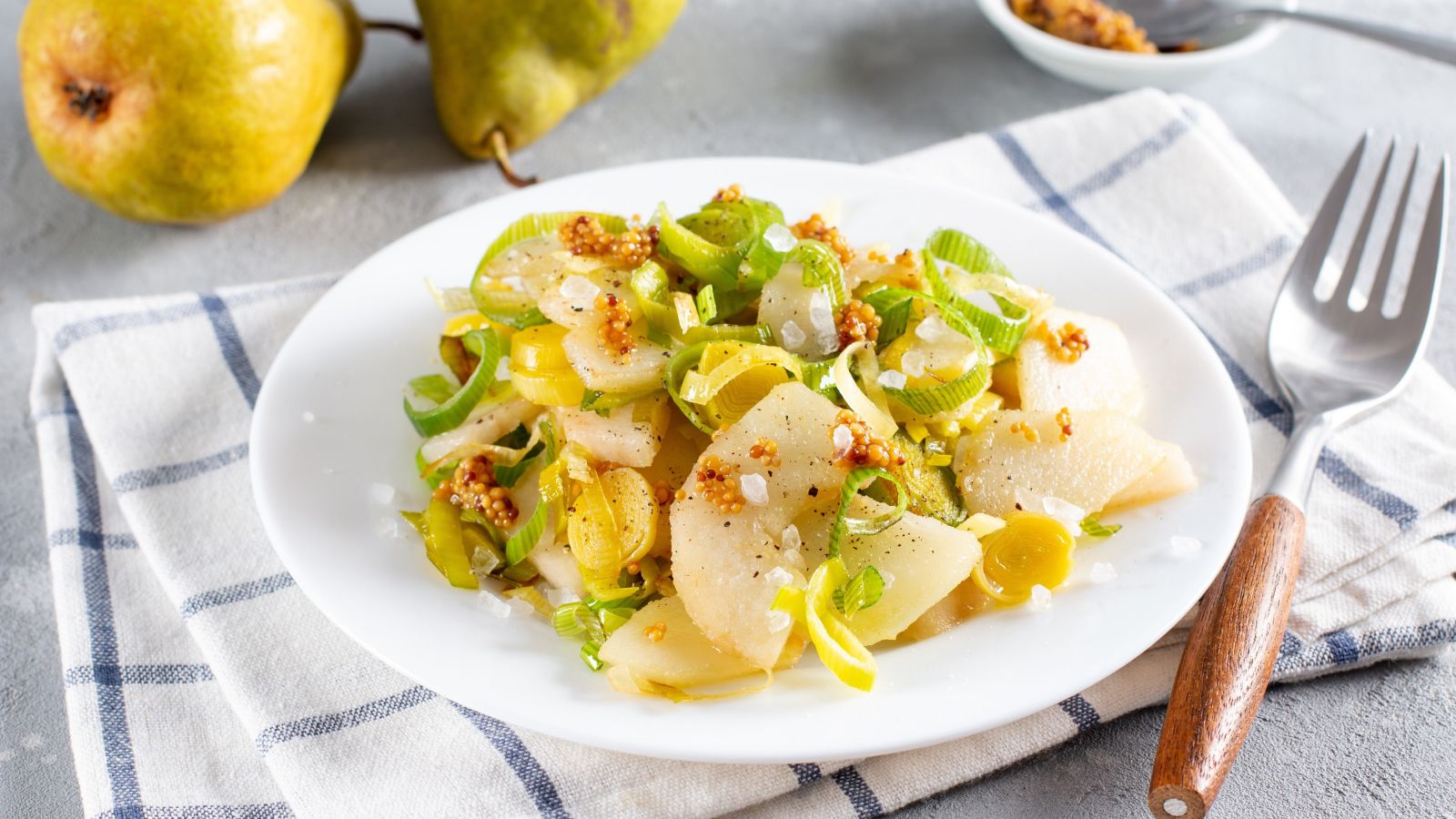
A canned pear topped with mayonnaise and shredded Cheddar sounds like an accidental combination. Add a maraschino cherry and serve everything on lettuce, and you’ve got a recognizable Southern classic.
Southern Living’s pear salad recipe documents this distinctive arrangement, which sits somewhere between a side dish and a sweet snack.
The flavors offer an interesting contrast. Sweet fruit meets creamy mayonnaise, while the cheese contributes a savory note.
Southern Bite also publishes a version and describes a family variation using cottage cheese instead of mayonnaise. It’s proof that even unusual family recipes can have more than one accepted interpretation.
Banana-and-Mayonnaise Sandwiches
Bananas usually find their way into desserts, smoothies, or breakfast bowls. In some Southern kitchens, however, they also belong between two slices of bread with mayonnaise.
The preparation is remarkably simple. According to Southern Living, a traditional version uses soft white bread, sliced bananas, and mayonnaise. The spread brings a creamy, savory contrast to the fruit’s sweetness. Some households prefer peanut butter, while others use both spreads.
There’s no need to grill the sandwich or transform it into an elaborate dessert. Its appeal lies in the unlikely combination of familiar ingredients, assembled without much fuss.
Pineapple Sandwiches
If bananas and mayonnaise sound unusual, pineapple sandwiches take the same idea in another direction. The traditional Southern version uses canned pineapple, white bread, and mayonnaise.
Southern Living’s recipe documents this three-ingredient combination, while other versions introduce cheese or ham. The pineapple brings sweetness, while the mayonnaise adds a rich, savory element.
Food writer Melissa Vickers has also described a family preparation in which pineapple juice is added to the bread before assembling the sandwich. That softer, juicier version isn’t a universal standard. It’s one household’s way of preparing a regional favorite.
Cornbread Crumbled Into Milk
Cornbread and milk might be the most comforting-looking oddity on this list. Instead of serving cornbread beside a meal, some Southern Appalachian households crumble it directly into a tall glass and pour milk over the pieces.
Southern Living documents the tradition, noting that many families prefer buttermilk. Others use regular fresh milk, sometimes called sweet milk in Southern cooking.
The result is a mixture of soft, crumbly bread and cool milk, enjoyed with a spoon. Wide Open Country also describes the preparation as crumble-in or crumb-in. Its precise origins remain uncertain, but the snack’s connection to regional food traditions is well established.
Related: 8 Forgotten Childhood Foods That Should Be Part of Everyone’s Menu explores other nostalgic American favorites.
Salted Peanuts in Coca-Cola
Some food combinations sound unusual until you realize how neatly their flavors fit together. Salted peanuts poured into a cold Coca-Cola bottle create a mixture of sweetness, saltiness, fizz, and crunch.
Southern Living describes the pairing as a longstanding Southern tradition. The preparation requires little more than opening a bag of salted peanuts and pouring some into the soda.
One popular explanation credits workers who wanted to eat peanuts without touching them, but the exact origin hasn’t been established.
For people who grew up with it, the combination can be a small taste of Southern nostalgia. For everyone else, it’s certainly an unexpected way to enjoy a familiar drink.
Celery Stuffed With Cream Cheese and Olives
Celery has a quiet reputation as a simple ingredient, but older-style party snacks sometimes gave it a more elaborate role. One preparation fills crisp celery stalks with a creamy mixture of cheese and olives.
The Pioneer Woman’s stuffed celery recipe combines cream cheese, chopped pimiento-stuffed green olives, walnuts, and lemon. Other published versions use garlic, black pepper, or fresh herbs.
The appeal comes from the contrast between crunchy celery and the smooth, savory filling. It’s the kind of snack that can look surprisingly decorative without requiring complicated preparation.
And unlike some nostalgic dishes, the ingredients remain familiar to modern home cooks.
Cheese-Stuffed Dates
Dates and cheese might sound like an unlikely partnership, but the combination appears in contemporary appetizer recipes. Boursin publishes a preparation using dried dates filled with cranberry-and-pepper cheese, then wrapped in prosciutto.
An Allrecipes variation includes almonds, prosciutto, honey, and a baking step. These recipes show how the sweetness of dried fruit can be paired with creamy, savory ingredients.
However, the available evidence doesn’t establish that cheese-stuffed dates were a universal grandmother’s favorite. Their place on this list comes from the unusual pairing itself, rather than a verified generational tradition.
Buttered Saltine Crackers
Sometimes the simplest snacks have the most enduring appeal. Buttered saltines are exactly what their name suggests: familiar crackers dressed with butter. There’s also a baked version that turns the combination into something closer to a party appetizer.
Southern Living’s recipe uses melted butter or ghee and bakes the crackers at 400°F for approximately eight to ten minutes. The heat transforms their texture, creating a crisp, buttery bite.
The publication doesn’t identify a definitive inventor, and there’s no verified reason to assign the recipe to one particular decade.
Still, it’s easy to understand why such a simple combination would be remembered fondly.
Fluffernutters
New England contributes a distinctly sweet sandwich to this collection. A Fluffernutter combines peanut butter and Marshmallow Fluff between slices of white bread. The ingredients are familiar, but their pairing has a history of its own.
According to Marshmallow Fluff’s official history, Archibald Query was making a marshmallow preparation in 1917. H. Allen Durkee and Fred Mower later purchased his formula for $500 and began developing their business in 1920.
The broader peanut-butter-and-marshmallow sandwich tradition has an even more complicated history, with earlier printed examples documented by food historians. Whatever its precise origin, the Fluffernutter remains a recognizable New England specialty.
Why These Unusual Snacks Still Deserve Attention
What makes these nine combinations interesting isn’t simply that they sound strange. They reflect regional traditions, household preferences, and the creativity of cooks who found new ways to use familiar ingredients.
A pear topped with cheese, a glass of cornbread and milk, or a peanut-butter-and-marshmallow sandwich may carry very different memories depending on where someone grew up. And there’s no single rule requiring every person to enjoy them.
That’s part of the charm of exploring old-fashioned food. Sometimes a combination that seems peculiar to one generation or region is perfectly ordinary to another.
The next time you feel like trying something different, consider one of these unlikely pairings. You may discover a new favorite, or simply gain a better appreciation for the recipes that have traveled through American kitchens.