There was a time when a woman could be drowning in a marriage and still get told to “make it work” like she was fixing a leaky kitchen sink before Thanksgiving dinner. Smile at church. Keep the kids dressed for school pictures. Post the anniversary photo. Pretend the silence at home was normal because the neighbors did not need to know.
That version of marriage is losing its grip. Many women are not walking away because they hate commitment. They are walking away because they are tired of being the only one holding the emotional flashlight in a house where everyone else keeps pretending the power is still on.
Women still believe in love, family, loyalty, and building something real. They just no longer believe suffering should be the price of staying. That is why women no longer fight for marriage the way they used to. The old bargain has changed, and many women are finally reading the fine print.
Marriage Is No Longer the Only Way to Survive
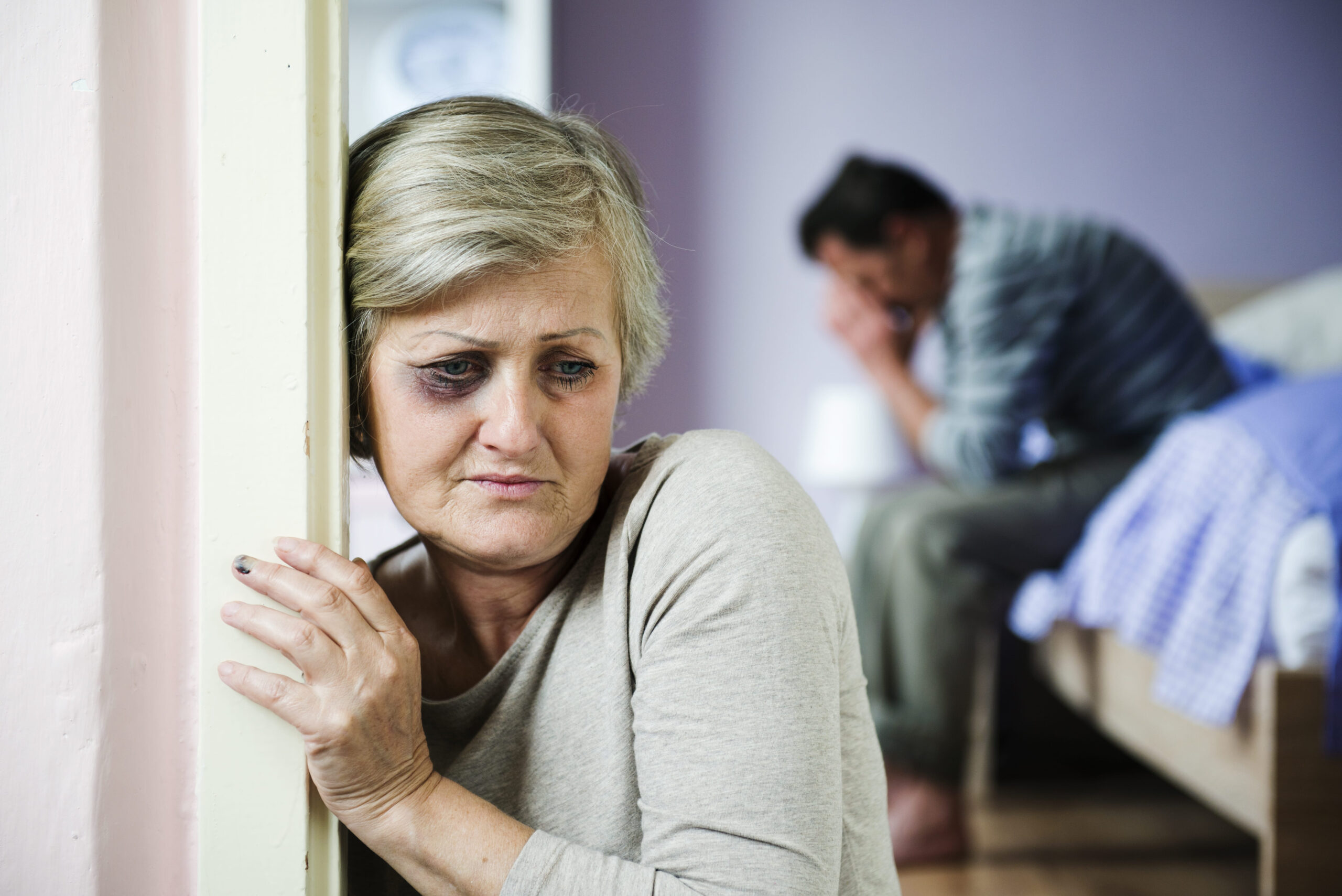
For past generations, leaving a marriage could feel like stepping off a cliff with no safety net. A woman could lose income, housing, community respect, family support, and the protection that came with being someone’s wife. That fear kept many women fighting for marriages that gave them stress, loneliness, and very little peace.
Today, more women have income, credit, education, work experience, and the ability to build lives outside a husband’s paycheck. The long rise in women’s workforce participation changed the emotional math of marriage. When survival no longer depends on staying, women can ask a question many women before them were not free to ask: Does this marriage still deserve me?
Women Are More Educated and Less Easy to Impress
Modern women are not choosing marriage from the same social position that many women once did. They have degrees, careers, savings goals, side hustles, and a clearer sense of what they bring to the table. A man with a ring and a last name is no longer automatically the prize.
In 2024, 40.1% of women age 25 and older had a bachelor’s degree or higher, compared with 37.1% of men. That does not mean women think they are better than men. It means many women want a partnership that matches the life they worked hard to build. A woman who survived tuition, rent, career pressure, and family expectations is not likely to clap because someone “helps” once and leaves dishes in the sink like a community art project.
They Are Done Being the House Manager for Free
Many marriages do not collapse in a single dramatic explosion. They die slowly in the grocery list, the school forms, the dentist appointments, the forgotten birthdays, the laundry basket, and the question “What’s for dinner?” asked by an adult with full access to the same refrigerator.
Many women are tired of being the invisible operating system of the home. In 2024, 87% of women and 74% of men spent time doing household activities on an average day, and women spent more time on those tasks when they did them. That gap matters because exhaustion kills affection. It is hard to feel romantic toward someone who treats you like a wife, assistant, calendar app, chef, therapist, and backup generator all at once.
They No Longer Romanticize Emotional Neglect
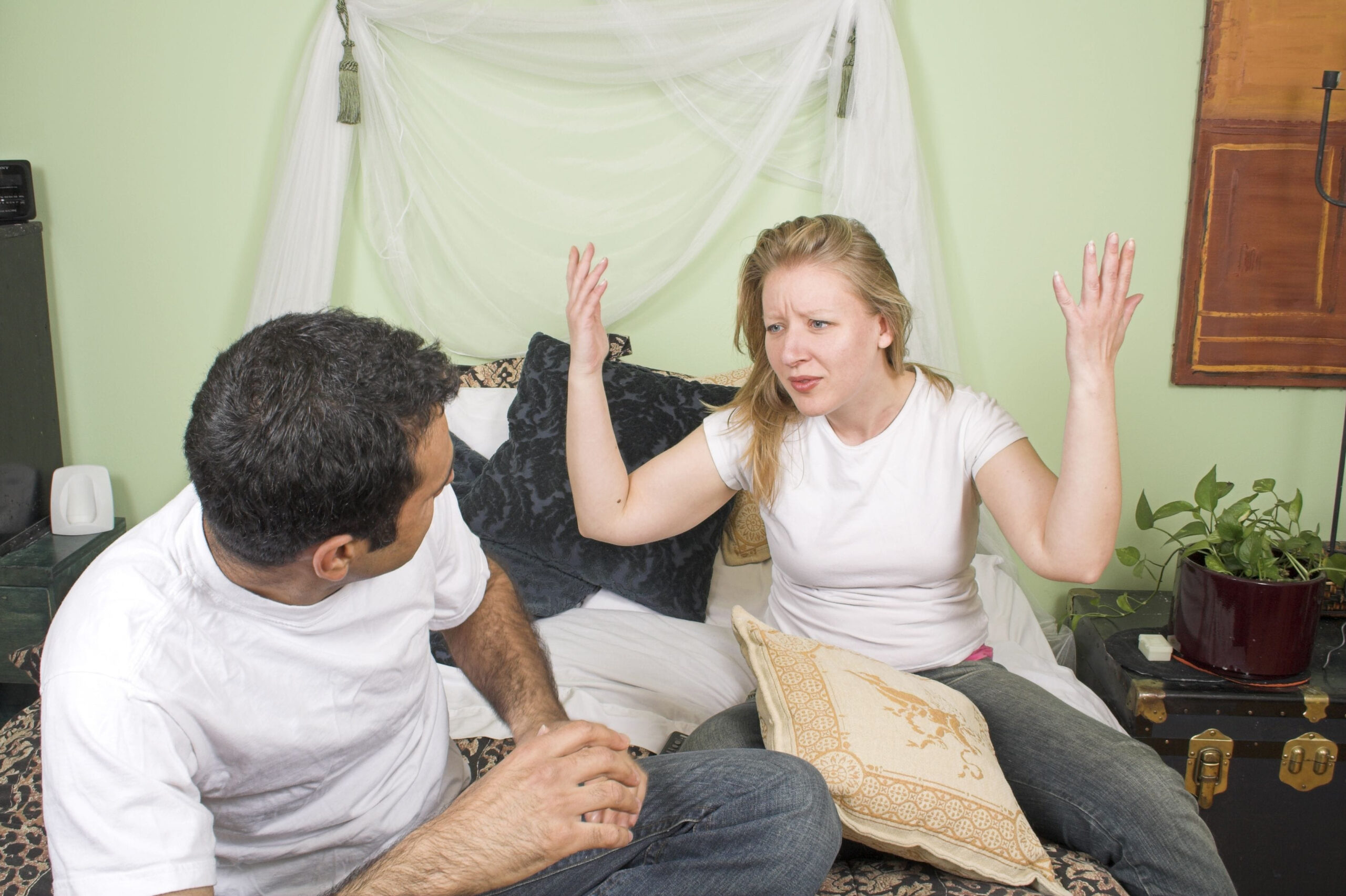
A marriage can look perfect at the barbecue and feel empty by bedtime. The couple brings matching dishes to the potluck, smiles through family photos, and answers “we’re good” when people ask. Then they go home, and one person is starving for affection while the other acts as if silence is a personality trait.
Many women are no longer willing to call emotional neglect “just how men are.” They want conversation, repair, tenderness, accountability, and presence. Research on couples shows that emotional work shapes relationship quality, making this more than a mere soft complaint. When a woman has to beg for every apology, every honest conversation, and every ounce of care, she eventually stops fighting for the marriage and starts fighting for herself.
Divorce No Longer Feels Like Public Failure
Divorce used to follow women around like a scandal in a small-town grocery store. People whispered at church, judged at family gatherings, and acted like leaving meant the woman failed, even when the marriage had been quietly failing her for years. That shame kept many women trapped in relationships they had emotionally outgrown.
The culture has shifted. Divorce is still painful, expensive, and emotionally messy, but it no longer carries the same automatic disgrace. Only 29% say marriage is very important for couples with children, down from 49% in 2006. Women are not leaving because they are careless. Many leave because shame no longer has enough power to keep them miserable.
They Have Already Begged Before They Leave
A woman usually does not wake up one random morning, look at her coffee, and decide to blow up her marriage for fun. Most have already asked, cried, explained, forgiven, waited, warned, adjusted, prayed, and lowered expectations so many times they barely recognize themselves. By the time she stops fighting, she may have been fighting alone for years.
That is why the “she left out of nowhere” story is often misleading. Women initiated 69% of divorces in heterosexual marriages in one major relationship study, compared with 31% initiated by men. That does not prove women take marriage lightly. It often shows they reach the breaking point first because they have been carrying the dissatisfaction longer, louder, and with fewer results.
Safety Has Become a Hard Line

Some women were raised to believe that marriage meant enduring almost anything. Harsh words. Control. Threats. Humiliation. Financial restriction. Fear dressed up as “discipline.” Today, more women understand that danger does not become acceptable simply because it occurs within a marriage.
Safety has become a non-negotiable line. Intimate partner violence carries enormous personal and economic damage, with lifetime costs for affected women estimated at costs of $103,767. Women are no longer as willing to treat cruelty as a rough patch. A bad season is one thing. Another pattern that steals peace, freedom, or safety.
Being Single No Longer Sounds Like a Threat
For a long time, women were taught to fear being alone, as if it were the worst possible ending. Single at 35. Divorced at 42. Starting over at 50. Those phrases sounded like warnings, especially in families where marriage was treated as the final proof that a woman had “made it.”
Now, many women look at peaceful apartments, quiet mornings, clean kitchens, loyal friendships, and their own bank accounts and think, “Actually, this looks better than crying in a marriage.” Marriage can still be beautiful, but it has to compete with peace now. And peace is a very serious competitor.
Women Want Partnership, Not a Performance
Some marriages are built for public display and private disappointment. The anniversary caption is sweet, the Christmas card is polished, and the family vacation photos look like something from a suburban insurance commercial. But inside the house, one person may be lonely, overworked, unheard, and tired of pretending the optics are the relationship.
Women are increasingly asking for the real thing. Friendship. Respect. Shared labor. Honest communication. Sexual care. Emotional maturity. A partner who notices when life gets heavy and steps in without being handed a chore chart. They are no longer impressed by marriages that only look good in photos. A pretty picture cannot hold a woman at night when the relationship feels cold.
They Refuse to Disappear Inside Marriage

Some women watched their mothers, aunties, or grandmothers shrink inside marriage. They saw women give up hobbies, dreams, friendships, money, style, rest, and even personality to keep a home running. Those women may have been praised as strong, but many were also deeply tired.
Modern women are less willing to confuse self-abandonment with devotion. They want to be wives without becoming invisible. They want to love without losing themselves. They want marriage to add meaning, not erase identity. If staying requires a woman to become smaller, quieter, poorer, lonelier, or less alive, many are no longer questioning that commitment. They are calling it a warning.
Money Boundaries Have Changed the Marriage Deal
Money used to be one of the biggest reasons women felt trapped. If one person controlled the income, bank accounts, credit cards, and financial decisions, leaving could feel impossible. Today, more couples are rethinking what financial trust looks like inside marriage.
The old “everything must be merged” model is fading. The share of married couples with no joint bank accounts rose from 15% in 1996 to 23% in 2023. That does not mean love is dead. It means many people, especially women, understand that financial independence can protect choice, dignity, and safety.
Conclusion
Women have not stopped fighting for marriage because they have become selfish, cold, or impossible to please. Many have stopped fighting alone. That is the difference. They are no longer willing to drag a whole relationship uphill while the other person sits in the passenger seat, asking why the ride feels bumpy.
Marriage still matters to many women. Love still matters. Family still matters. Commitment still matters. But the old deal has expired. A ring is not enough. Longevity is not enough. Looking good on Facebook is not enough.
Women want marriages where love feels safe, labor feels shared, communication feels honest, and staying does not require self-erasure. If that is missing, many women are no longer asking how to endure. They are asking why they should.