America can pronounce “Worcestershire” badly at a barbecue, struggle through prescription drug ads, and somehow still act personally betrayed when a celebrity or politician has a name that does not obey basic English instincts. The awkwardness happens everywhere.
On red carpets. During award shows. In political debates. On morning TV. In classrooms. At campaign rallies. In office meetings where someone says, “I’m probably going to butcher this,” right before absolutely butchering it.
At first, a mispronounced name can feel funny. The room laughs. The person smiles. Everyone moves on. But when the same public figure has to correct the same mistake year after year, it stops sounding like a cute slip-up and starts sounding like America has decided some names are optional homework.
These are not just spelling puzzles. Names carry identity, family, language, nationality, race, religion, and public respect. Research has shown that repeated name mistakes can affect learning and belonging, which explains why getting names right matters far beyond Hollywood interviews and campaign stages.
Zendaya keeps proving short names can still get butchered.
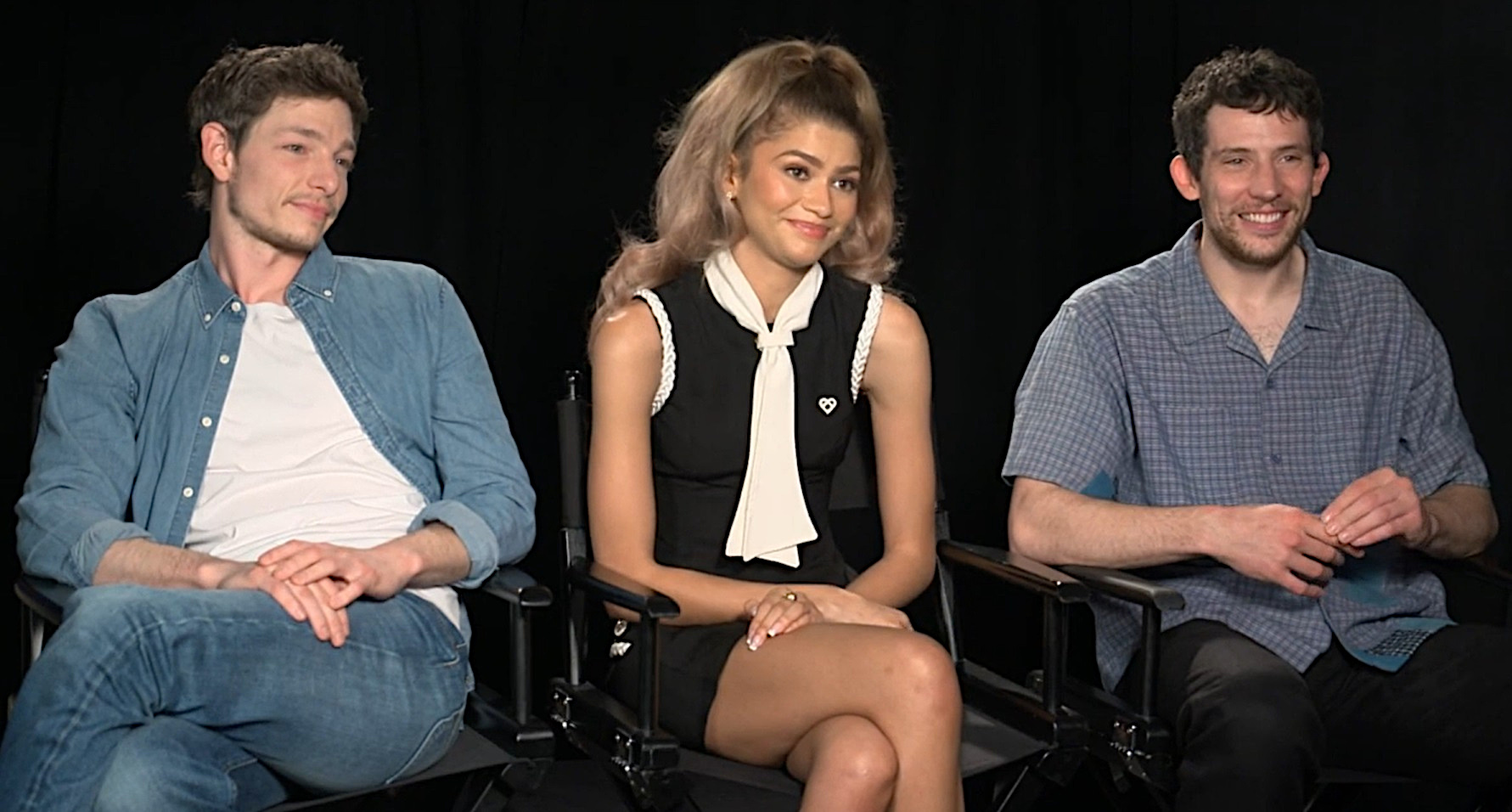
Zendaya is short. It is famous. It is everywhere. That still has not stopped people from saying it wrong.
Many Americans have heard her name for years through Disney, Spider-Man, Euphoria, fashion campaigns, interviews, award shows, and movie trailers. Yet the pronunciation still trips people up because some say it like “Zen-DIE-uh” instead of the smoother “Zen-DAY-uh.”
The funny part is that the name is not long or complicated. It does not come with ten syllables, silent letters, or a spelling that looks like a Scrabble accident. The mistake happens because people assume they know it before they actually listen. That is the bigger lesson.
Mispronouncing Zendaya’s name shows that the issue is not always a matter of difficulty. Sometimes it is laziness dressed as confidence. A person hears a name, mispronounces it, repeats it forever, and then acts surprised when corrected.
Her pronunciation has been clarified as Zen-DAY-uh, not Zen-DIE-uh, which should make this one easy by now. Yet it remains a perfect example of how even one of the world’s most recognizable stars can still have to teach people the basics.
Rihanna’s name sparked a national pronunciation debate.
Rihanna is another case where Americans thought they had it handled. They did not. For years, many fans said “Ree-AH-nuh.” Then clips circulated in which she introduced herself as “Ree-AN-nuh,” and suddenly people online acted like they had been lied to by pop culture itself.
The reaction was funny, but it also exposed something real. Once the public gets used to saying a famous person’s name a certain way, the wrong version can become stronger than the correct one. The audience starts treating habit as truth.
That is especially strange because this is Rihanna, not a hidden indie artist with three listeners and a mysterious stage name. She is one of the most famous entertainers and businesswomen in the world. If America can learn brand names, sports stats, fantasy football rosters, and every Kardashian baby name, it can learn Rihanna.
The confusion became so widespread that coverage noted that many people had been saying it differently after she pronounced it Ree-AN-nuh in a public video.
The lesson is simple: fame does not protect a name from being reshaped by public habit.
Timothée Chalamet’s name sounds elegant until Americans panic.

Timothée Chalamet looks like a name designed to make red-carpet hosts sweat. The accent mark alone makes some Americans lose confidence. Then comes the French rhythm, the soft ending, and the fear of sounding pretentious if they try too hard. So many people default to “Timothy Shal-a-may” and hope nobody notices.
But Chalamet has spoken about the correct pronunciation of his first name, and the answer is less mysterious than people make it out to be. It sounds closer to “Timo-tay,” which makes the whole thing smoother than the Americanized version that has followed him through fame.
The interesting part is that even he has been relaxed about people saying it differently. Still, the public reaction shows how quickly Americans flatten foreign or unfamiliar sounds into something more comfortable.
His explanation that the real pronunciation is Timo-tay became part of the ongoing joke around his name, especially as his fame grew.
Chalamet’s name is not just a pronunciation challenge. It is a reminder that American media often turns global names into simpler versions, then treats those versions as the default.
Saoirse Ronan has been teaching America the same lesson for years.
Saoirse Ronan may deserve an award just for patience. Her name has been a recurring topic on talk shows for years. Hosts ask. She explains. Audiences laugh. Then another interview happens, and the cycle repeats like a celebrity’s Groundhog Day.
The name is Irish, and many Americans who first read it do not know what to make of the spelling. Some guess “Say-or-see.” Others freeze. The commonly heard version from Ronan is “Sur-sha,” often helped by the famous memory trick “Sur-sha like inertia.”
This is where the issue becomes bigger than one actress. Irish names, like many names from non-English or older language traditions, do not always follow the patterns Americans expect. But that does not make them ridiculous. It means English-speaking Americans are meeting another sound system.
The pronunciation has been explained using the phrase “Ser-sha, “like inertia, which has helped many fans remember it. At some point, the joke should end. If someone has explained their name on national television for years, the problem is no longer the name.
Jake Gyllenhaal’s last name is a Hollywood trap.
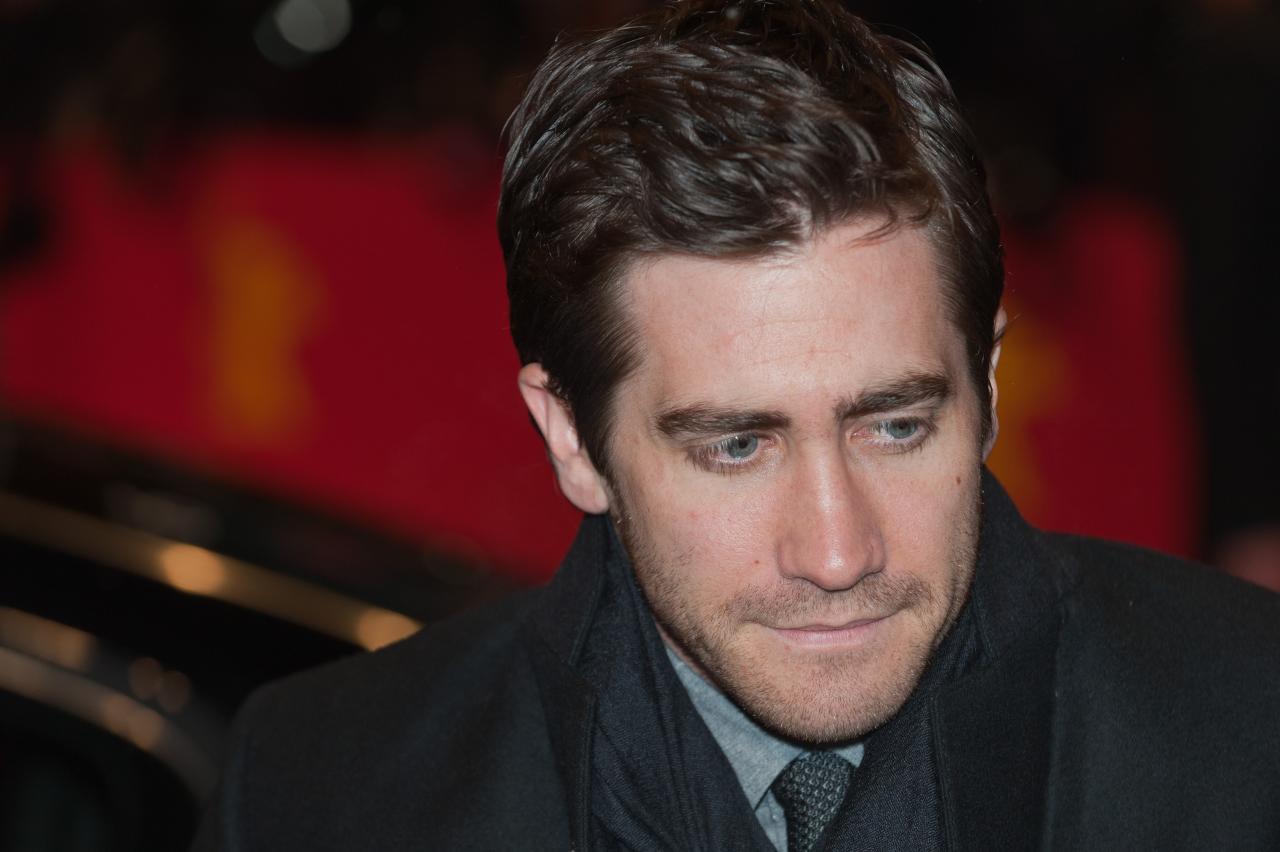
Jake Gyllenhaal is famous enough that most Americans can confidently say his name. That does not mean they are saying it in the original way.
His last name has Swedish roots, and he has joked that people rarely pronounce it authentically. Most Americans use the familiar Hollywood version, “Jill-en-hall,” because it became the norm through movies, interviews, and entertainment coverage.
The funny part is that the accepted public version and the heritage version are not the same experience. That happens often in America. Names get softened, simplified, reshaped, or Americanized until the public version becomes easier to manage than the original.
Gyllenhaal has leaned into the humor, with interviews discussing how the authentic pronunciation sounds far different from what fans use. His pronunciation has been summarized as “Yeel-en-hyaal” in coverage of his own explanation.
This one is less about insult and more about cultural drift. Some names become famous in a changed form because the public version is easier to repeat. Still, it shows how quickly America can domesticate a name until the original sounds like the surprising version.
Kamala Harris showed how names can become political weapons.
Some mispronounced names are mistakes. Others sound like messages. Kamala Harris’s first name has been explained again and again, yet it has also been mispronounced in political spaces where the mistake did not always feel innocent. That is why her name became part of a larger conversation about race, gender, identity, and respect in American public life.
The pronunciation is often explained as “comma-la.” Simple enough. Yet public figures, commentators, and critics have sometimes said it differently even after corrections, turning pronunciation into something that felt political rather than accidental.
That matters because names in politics are not neutral. They can be used to make someone sound foreign, elite, strange, unserious, or outside the imagined mainstream. When a name connected to Indian and Black American identity is repeatedly mishandled, people notice the pattern.
Her name has been widely explained through guides on how to pronounce Kamala during her time on the national stage. The deeper issue is not that everyone must get it perfect on the first try. The issue is whether people correct themselves once they know better. In politics, refusing to do that can become a performance.
Pete Buttigieg turned his name into campaign merch.
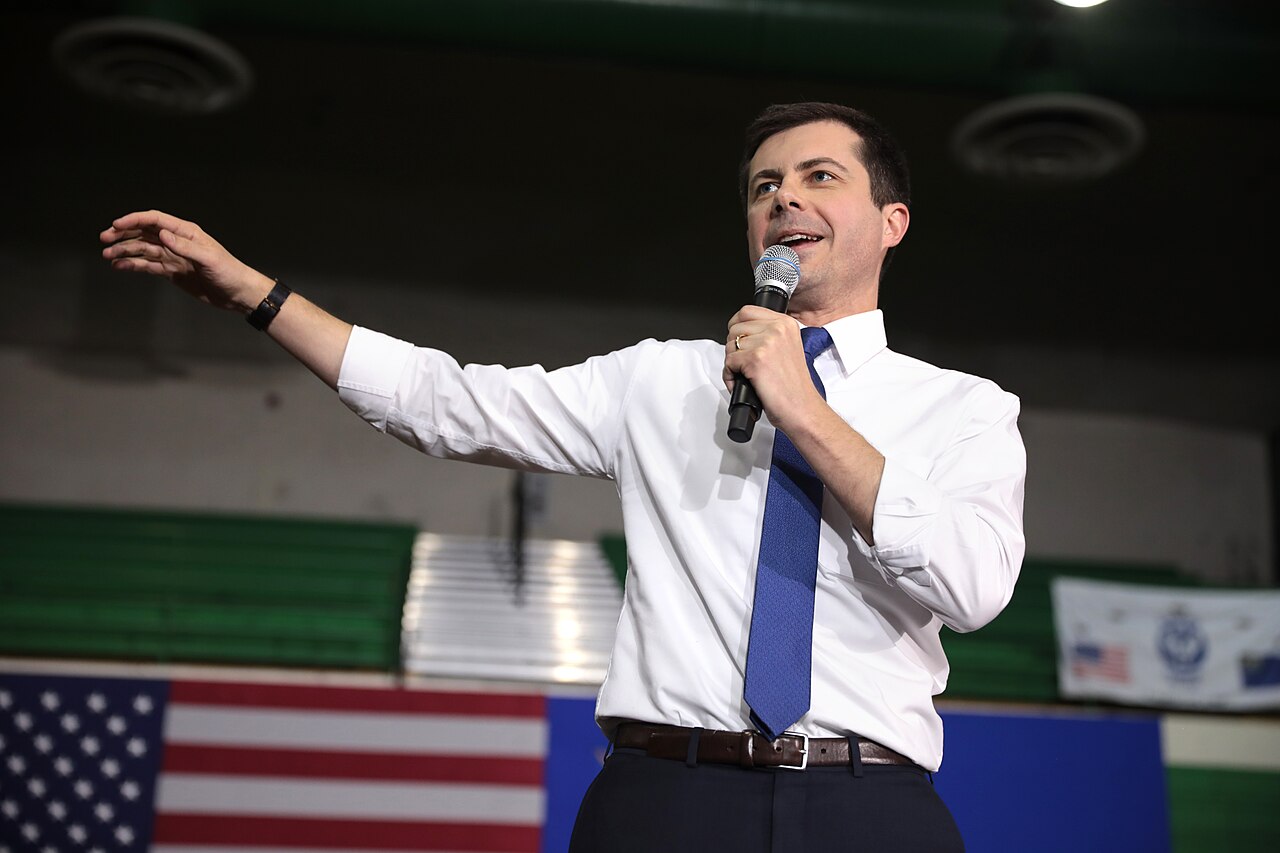
Pete Buttigieg’s last name was a national pronunciation workout during his presidential run. Reporters tried. Voters tried. Debate moderators tried. Some got close. Some sounded like lawnmowers starting up. Eventually, the pronunciation became part of his public brand, complete with jokes and campaign merchandise designed to help people say it.
The usual guide was “Boot-edge-edge,” although different explanations circulated depending on who was trying to make it stick. This one is interesting because Buttigieg’s team understood the problem and leaned into it. Instead of pretending Americans would instantly master a Maltese surname, they turned the challenge into a memorable identity marker. That was smart politics.
Coverage noted that his campaign even used BOOT-EDGE-EDGE as a pronunciation-friendly joke. Still, the story says something about American public life. A politician with an unfamiliar last name often has to make the name approachable before voters can even move on to the policies. That is a strange extra burden. Some candidates sell ideas. Others first have to sell themselves.
Quvenzhané Wallis had to carry Hollywood’s awkwardness as a child.
Quvenzhané Wallis was a child when many Americans first learned her name during the awards season around Beasts of the Southern Wild. That made the pronunciation issue more uncomfortable.
Adults in entertainment media struggled with her name, joked about it, avoided saying it, or treated it like a red-carpet obstacle course. But she was not a puzzle. She was a young actor whose name had meaning, family connection, and personal identity.
Her name is commonly pronounced “Kwe-VEN-juh-nay” and combines parts of her parents’ names with “zhane,” often described as related to the Swahili word for “fairy.” That makes the name more than a sound. It carries family intention.
Coverage at the time explained it as Kwe-VEN-juh-NAY, noting its meaning. This example matters because children should not have to watch adults treat their names like inconveniences. If Hollywood can memorize movie titles, designer labels, and award categories, it can practice a child’s name before a microphone turns on.
The real problem is not complexity. It is preparation.
Conclusion

Celebrity and political names Americans mispronounce may seem like a light topic, but they point to something bigger.
Zendaya, Rihanna, Timothée Chalamet, Saoirse Ronan, Jake Gyllenhaal, Kamala Harris, Pete Buttigieg, and Quvenzhané Wallis all show how names can become jokes, habits, political signals, cultural shortcuts, or small battles for respect.
Nobody gets every name right the first time. That is not the problem. The problem starts when people are corrected and still do not care. A name is not just a sound to get through before the real conversation begins. It is part of the person standing in front of you.
Getting it right does not require perfection. It requires effort. And in a country as diverse as America, effort should not be treated as too much to ask.