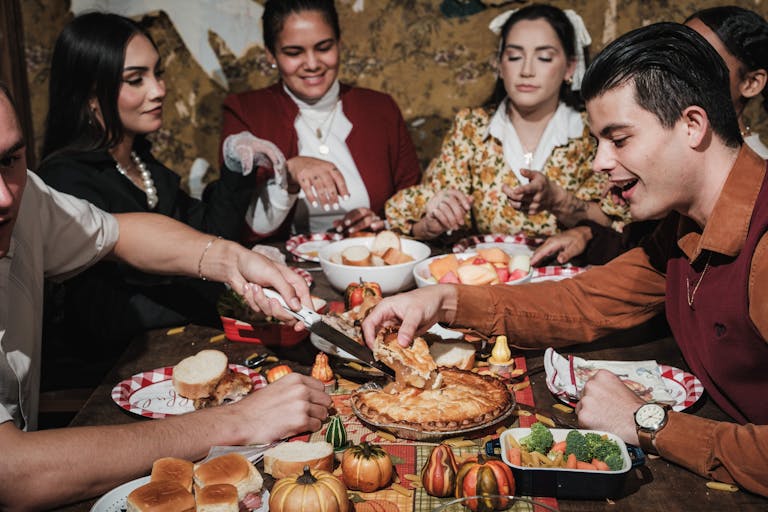
Religion in America used to feel like Sunday shoes by the front door, church fans in wooden pews, potluck casseroles in aluminum pans, and grandparents reminding everyone to bow their heads before the roast came out.
Now, it also feels like campaign rallies, Supreme Court arguments, school board fights, abortion debates, immigration battles, and Thanksgiving conversations that turn silent the second someone says, “Well, my pastor said…”
Faith has not vanished from American life. It has moved into louder rooms. It shows up on cable news, on yard signs, in state legislatures, in pulpit debates, and in family group chats, where one political meme can spark a three-day argument.
In 2026, 61% of adults said religion was losing influence in American life, while 37% said it was gaining influence. That strange split explains the moment perfectly: religion feels weaker in some places, louder in others, and more political almost everywhere.
Church Attendance Now Says More Than It Used To
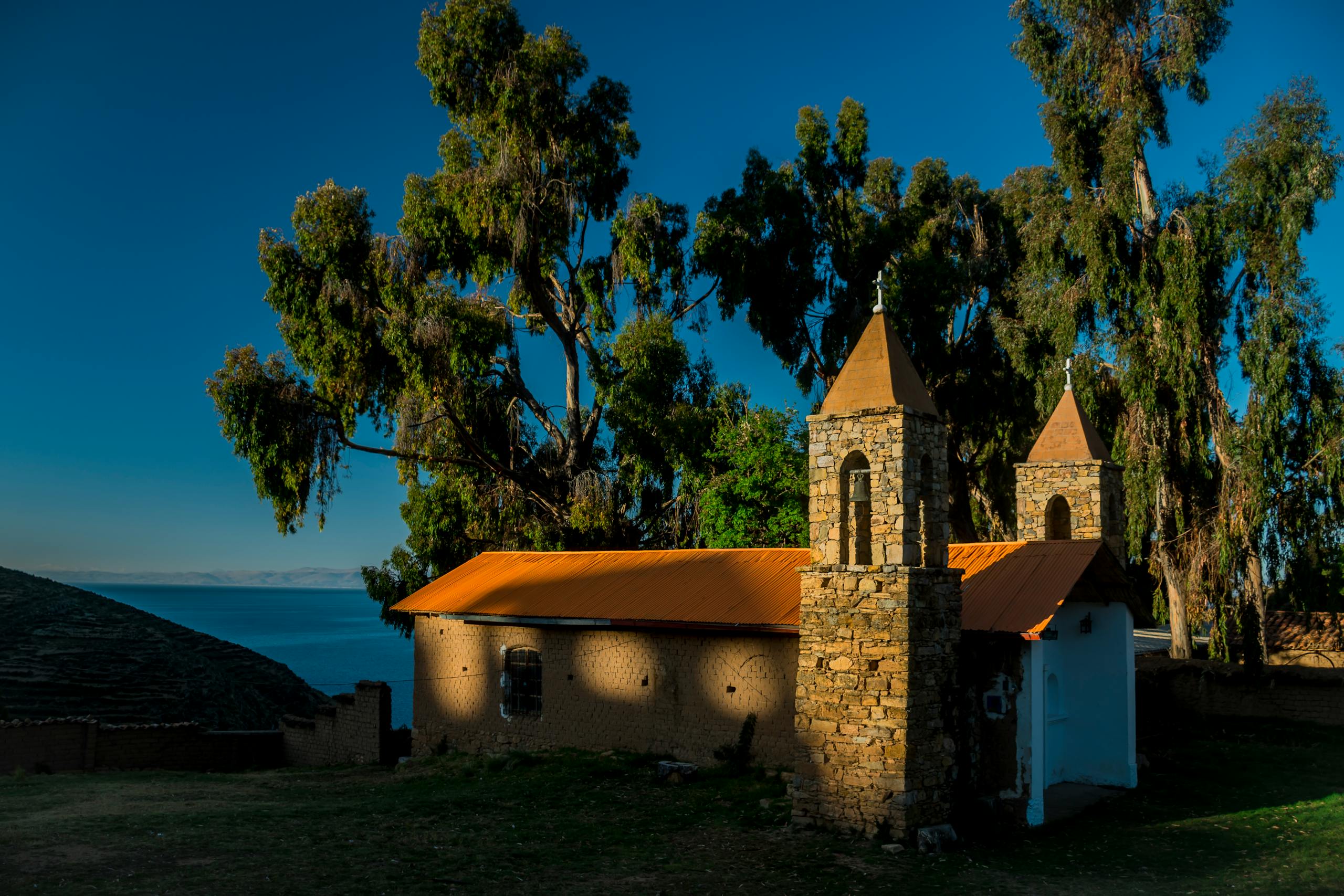
For decades, going to church could mean habit, family tradition, neighborhood belonging, or personal faith. In many parts of America, it was simply what people did on Sunday before lunch, football, or a long nap on the couch.
Today, church attendance can also feel like a political signal. The church someone attends, the sermon style they prefer, and even the issues they expect their pastor to address can hint at a larger worldview.
That shift has changed the emotional meaning of worship. People are not only asking, “Do you believe in God?” They are asking, “What kind of believer are you?” That is a heavier question, and it can make church feel less like a sanctuary and more like another cultural sorting room. For Americans already tired of choosing sides at work, online, and around the dinner table, that can be exhausting.
Many Americans Still Believe, But They No Longer Belong
One of the biggest changes in American religion is the gap between private faith and public religion. Plenty of people still pray before surgery, whisper “thank God” when the test results come back clean, talk about blessings after a hard month, or look for meaning when life gets cruel.
But they may no longer want membership rolls, church politics, institutional rules, or sermons that sound too much like campaign speeches.
This is where politics has done real damage to some Americans. They did not always lose belief. They lost trust in religious institutions. In recent religious identity data, 62% of adults identified as Christian in 2023 to 2024, down from 78% in 2007, while religiously unaffiliated adults made up 29% of the country.
That does not mean America has become faithless. It means millions of people are choosing belief without belonging.
Sunday Morning Has Lost Its Automatic Place
There was a time when many American families built the whole weekend around church. Saturday was for errands, Little League, laundry, grocery runs, and maybe a cookout. Sunday morning belonged to worship. After that came lunch, football, phone calls to relatives, and the kind of slow afternoon that made the weekend feel complete.
That rhythm has weakened. Work schedules, youth sports, burnout, online services, political tension, and plain old habit change have made church less automatic for many households. In 2025, 57% of Americans said they seldom or never attended religious services, while 31% attended weekly or nearly weekly.
A congregation can still matter deeply to its members, but fewer Americans are letting weekly worship organize their calendars.
Christian Nationalism Has Become a Mainstream Fight
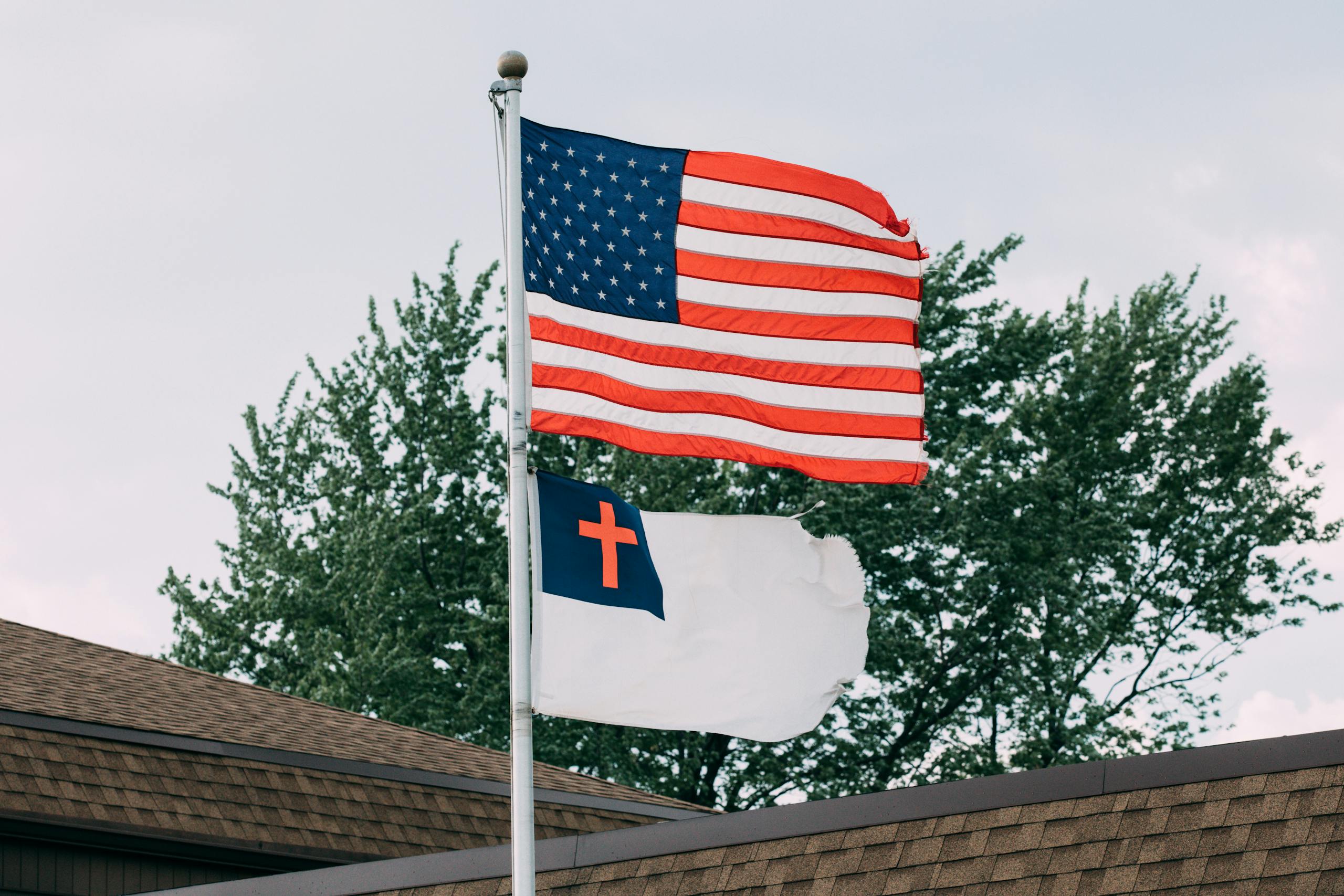
Christian nationalism used to sound like a phrase found in academic panels, long opinion essays, or political corners that most Americans ignored. Now, it is part of the national conversation. Some Americans believe the United States has a special Christian identity that should shape laws, schools, elections, and public life.
Others see that as a direct threat to religious freedom, pluralism, and the separation of church and state.
That debate is no longer just theological. It is electoral. It affects what candidates say, what voters fear, what laws get proposed, and how Americans define patriotism. A 2026 state-by-state analysis found that support was strongest in the South and Midwest, with clear links to partisan identity and political power. That makes the issue bigger than church language. It is now part of America’s political architecture.
Abortion Has Turned Faith Into a Voting Shortcut
Few issues reveal the religion-politics divide like abortion. For many religious conservatives, abortion is a moral emergency. For many secular Americans, religiously unaffiliated voters, and some people of faith, abortion access is tied to healthcare, privacy, women’s rights, and personal freedom. The disagreement is so deep that it can divide churches, marriages, friendships, and entire families.
The numbers show how sharply religious identity shapes the debate. In 2026, 74% of evangelicals said abortion should be illegal in all or most cases, while 82% of religiously unaffiliated Americans said it should be legal in all or most cases. That gap turns abortion into more than a policy issue. It becomes a moral ID badge, a voting shortcut, and a line many Americans refuse to cross.
LGBTQ Debates Are Splitting Pews and Dinner Tables
Politics has also changed how Americans talk about sexuality, gender, and religious belonging. In some churches, LGBTQ inclusion has become a sign of compassion, welcome, and modern faith. In others, it is treated as a test of biblical obedience.
That disagreement has split denominations, pushed some families into painful silence, and made younger Americans question whether traditional religious spaces have room for them.
The emotional cost is real. A parent may see the issue as a matter of doctrine. A child may experience it as rejection. A pastor may see it as a moral line. A younger congregant may see it as a matter of basic dignity.
Then politics steps into the room, hardening everyone’s position. What might have been a painful family conversation becomes a culture-war argument with slogans, party labels, and wounds that do not heal easily.
Young Americans Are Building Faith Outside the Old Walls
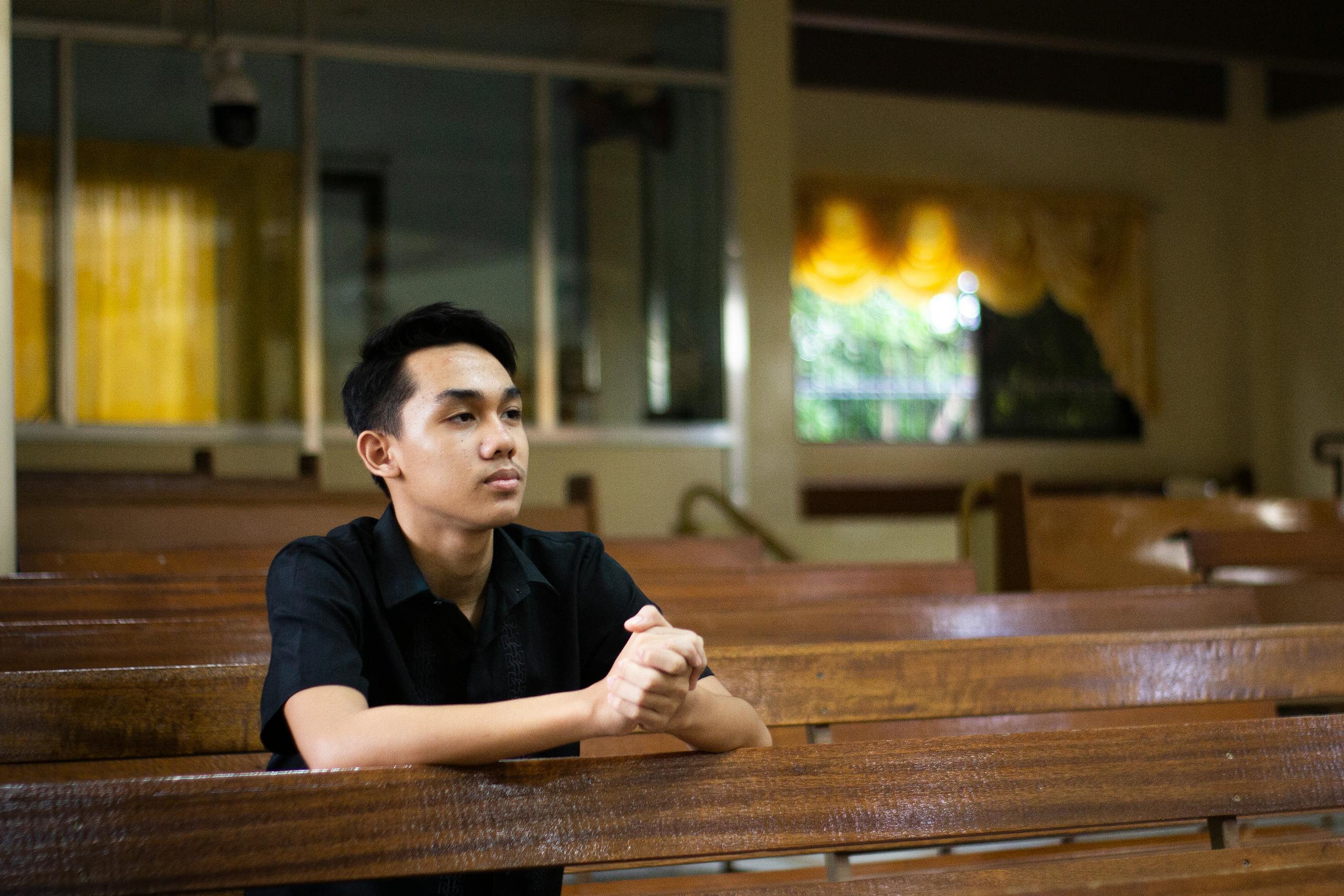
Many young Americans are not walking away from meaning. They are walking away from the old containers. They may pray privately, meditate, listen to spiritual podcasts, read scripture selectively, follow faith influencers, talk about healing, or avoid labels altogether.
They may still believe in something bigger but feel allergic to institutions that seem too judgmental, too political, or too slow to understand their lives.
Politics has pushed that shift along. If a young adult sees church mainly through culture-war headlines, they may decide faith is safer outside the building. That does not mean they are shallow or spiritually empty. It may mean they are trying to separate God from the noise around God. Older generations may call that drifting. Younger people may call it survival.
Pastors Are Being Pulled Into America’s Political Storm
Pastors now face a nearly impossible balancing act. If they avoid politics, some members think they are cowardly or out of touch. If they address political issues directly, others accuse them of turning the church into a campaign stop. A sermon about poverty, immigration, race, abortion, guns, or sexuality can sound like moral teaching to one listener and partisan messaging to another.
That pressure changes the pulpit. It changes which families stay, which families leave, and which topics become too dangerous to touch. The pastor is no longer only managing theology, grief, weddings, funerals, hospital visits, and community needs. They are also navigating a country where even compassion can be interpreted through party lines.
Religion Has Been Pulled Into America’s Trust Crisis
America has a trust problem. People distrust politicians, media, schools, corporations, courts, police, public health leaders, and sometimes even neighbors. Religion used to stand apart from other aspects of life for many Americans. Now, religious institutions are increasingly judged like every other powerful institution.
Scandals, money questions, abuse coverups, celebrity pastors, partisan preaching, and public hypocrisy have made some Americans more cautious. They may still respect faith, charity, prayer, and religious service, but they are less willing to hand unquestioned authority to churches or religious leaders. Politics did not destroy trust on its own, but it has made rebuilding trust harder.
Conclusion
Politics is changing religion in America by making faith more public, more divided, and more tied to identity. Church attendance is lower, religious “nones” are more visible, Christian nationalism is now a national debate, and issues like abortion and LGBTQ rights have turned religious belief into a political sorting tool.
The danger is that religion can lose its spiritual depth when it becomes only a badge, a voting signal, or a weapon in a culture war. Faith has always shaped American public life, but now public life is reshaping faith in return. Churches are being asked to comfort people, form character, build community, survive political storms, and keep families from splitting apart over the headlines.
Religion is not disappearing from America. The real question is what kind of religion will remain. Will it be humble, service-driven, compassionate, and brave enough to heal? Or will it become one more loud battlefield in a country already tired of fighting?