A North Carolina mother says a simple family dinner at Chili’s turned uncomfortable after her 12-year-old son asked for what should have been an easy chicken sandwich change: chicken, cheese, and nothing else.
What began as a small ordering moment inside a local Chili’s has now become a wider conversation about restaurant service, customer patience, parenting, food customization, and how quickly everyday dining experiences can turn into public debate online.
The mother, who shared her account on TikTok, said she had taken her husband and son out for dinner on a Sunday evening. For the family, the night mattered. Her husband was often away from home, and Sunday was one of the few chances they had to sit down together, eat without rushing, and enjoy something normal.
Instead, she said the evening became tense almost immediately after her son tried to order from Chili’s popular 3 For Me meal deal.
A Simple Chili’s Chicken Sandwich Request Became the Center of the Dispute
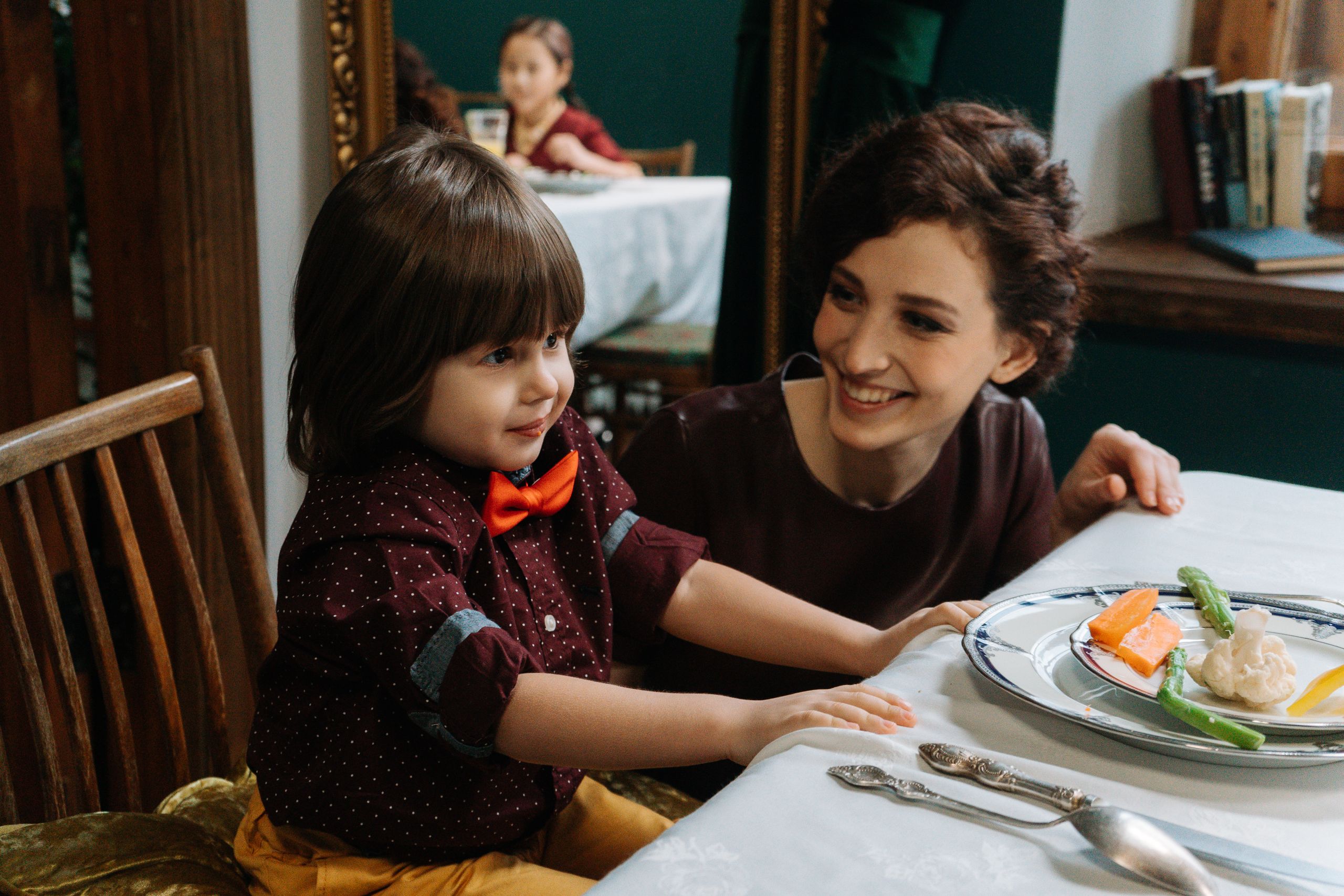
According to the mother’s account, her son wanted a chicken sandwich with cheese and without the extra toppings. The request was not for a complicated custom build, a long list of substitutions, or a special off-menu dish. It was, in her telling, a child asking for a plain chicken sandwich with one familiar add-on.
The mother said she encouraged her son to order for himself because he is 12 and learning how to speak up in restaurants. That detail is important because this was not just about lunch, dinner, or a sandwich. For many parents, letting a child order their own food is a small but meaningful life lesson. It teaches confidence, manners, independence, and how to communicate with adults in public.
The son reportedly tried to order the sandwich through Chili’s 3 For Me deal, a value meal that typically includes an entrée, a side, and a drink. His mother said she stepped in only to clarify that he wanted the order included in that promotion rather than purchased separately.
That is where the exchange allegedly shifted.
According to the mother, the server said the sandwiches could not be customized. The mother said she was confused because the child was not asking to build an elaborate new menu item. He simply wanted certain toppings removed and cheese included.
The “3 For Me” Confusion That Sparked the Viral Moment
The mother said the conversation grew tense when she asked whether toppings could be removed from the sandwich. In her version of events, the server appeared to interpret the request as an attempt to add something outside the deal’s rules.
Her son then reportedly asked whether he could just get the chicken sandwich with cheese on the side. The mother said she began explaining to him that they might not be able to order it through the 3 For Me promotion after all.
That is when she claimed the server responded sharply, saying, “I’m sorry I upset you. I don’t make the rules.”
The mother said that line caught her off guard because she did not believe she had been rude, angry, or difficult. In her TikTok response, she pushed back on the idea that she had created the problem, saying she had not been upset until she felt the server was “biting” her head off.
From the customer’s perspective, the issue was not merely the answer. It was the tone.
That distinction matters in restaurant disputes. A worker can politely say no, explain a policy, offer an alternative, or ask a manager. A customer can also misunderstand a menu, ask repeated questions, or become frustrated without intending to be hostile. Most public conflicts begin in that gray space where tone, stress, and assumptions collide.
The Mother Says the Server Stopped Serving the Table
After the sandwich exchange, the mother claimed the server stopped engaging with the family and passed the table to another employee. She also said she noticed the original server speaking with another staff member and felt the family was being watched during the meal.
Whether that was intentional, misread, or simply the result of a busy shift remains unconfirmed. But the mother’s reaction shows how quickly a customer can feel unwelcome once a basic interaction turns cold.
Dining out is built on small signals. A smile, a pause, a rushed answer, an eye roll, a clipped tone, a server walking away too quickly — each one can change how a table experiences the night. In this case, the mother said the family had come in for one of their rare shared meals, and the mood of the dinner changed before the food even arrived.
She also said she had worked in food service before, including at Olive Garden, and believed that background made her more patient with restaurant workers. She emphasized that she tries to treat employees with kindness because she knows the job can be demanding.
That part of the story added another layer to the debate. This was not framed as a customer who had never served tables, criticizing someone from the outside. It was framed as a former restaurant worker saying she understood the pressure but still felt the interaction crossed a line.
Online Viewers Questioned Whether the Sandwich Could Be Customized
After the mother shared her side of the story, commenters began debating the central practical question: whether the Chili’s sandwich could have been customized.
Several people claiming to work for Chili’s or manage Chili’s locations reportedly said the 3 For Me menu could be modified. Some said that even if the register system made a change difficult, employees could tell a manager or communicate directly with the kitchen.
Those comments intensified the backlash because they suggested the issue may not have been a hard company rule at all. If true, the family’s request could have been handled with a simple workaround: ring in the item normally, remove certain toppings, add cheese if permitted, place cheese on the side, or ask a manager for help.
That does not mean every Chili’s location handles every request the same way. Franchise operations, kitchen procedures, staffing levels, and point-of-sale systems can vary. But to many viewers, the mother’s request sounded ordinary enough that the situation should not have escalated.
The strongest comments came from people who said they had experience inside Chili’s restaurants. Their message was simple: a child asking for a plain sandwich should not become a table handoff, a viral complaint, or a public argument about service standards.
Why the Chili’s 3 For Me Deal Matters in This Story
The 3 For Me deal is central because it is designed to feel simple, affordable, and family-friendly. Customers choose a meal combination, get predictable value, and avoid the sticker shock that often comes with casual dining.
That promise matters especially to families. When parents take children out to eat, they often look for deals that include a drink and a side because the total cost is easier to manage. A $10.99-style promotion feels more controlled than building a meal piece by piece.
So when a child’s basic sandwich request appears to collide with the rules of the promotion, the customer experience becomes more than a menu question. It becomes a value question. Can families actually use the deal in practice? Can a picky child remove toppings? Can a parent ask for cheese without being treated like they are causing trouble?
For many diners, customization is not a luxury. It is normal. People remove pickles, ask for sauce on the side, avoid onions, add cheese, skip mayo, or request plain versions of meals every day. Restaurants may have limits, but customers expect those limits to be explained clearly and respectfully.
In this case, the mother’s story resonated because it sounded like a familiar family dining problem: one child, one small preference, one server under pressure, and one conversation that went wrong fast.
Restaurant Workers Face Pressure, But Customers Still Expect Basic Respect
Food service is hard work. Servers manage multiple tables, impatient guests, kitchen delays, complicated orders, special requests, low tips, long shifts, and emotional labor that rarely appears on a receipt. One difficult table can throw off an entire section.
That reality should not be ignored.
But customer service also depends on staying calm in ordinary moments. A family asking whether a sandwich can be made plain is not, by itself, an attack. A parent clarifying a meal deal is not automatically “biting” at a server. A child learning how to order should not feel like a problem before the meal begins.
The best restaurant workers know how to turn a possible conflict into a soft landing. They say, “Let me check.” They say, “I’m not sure if the system allows it, but I’ll ask.” They say, “We may not be able to add that under the deal, but I can bring cheese on the side.” Those small sentences can save the entire mood of a table.
The mother’s account struck a nerve because many people have been on both sides of this tension. Workers know what it feels like to be overwhelmed. Customers know what it feels like to be dismissed. Parents know what it feels like to watch a child become embarrassed over something small.
A Small Restaurant Dispute Became a Viral Service Debate
This incident also shows how modern customer service disputes no longer end at the table. A decade ago, a family might have complained to a manager, left a poor tip, written a review, or told friends. Today, the story can move from a booth to TikTok, from TikTok to article headlines, and from there into a national conversation about restaurant culture.
That public pressure can be powerful, but it can also be messy. Viewers usually hear one side first. Employees may feel exposed. Brands may be pulled into situations before managers have reviewed what happened. Comment sections can turn a small disagreement into a moral trial.
Still, these viral stories continue to spread because they tap into something familiar. Almost everyone has had a restaurant interaction that felt unfair. Almost everyone has watched a worker handle stress badly or seen a customer make a simple issue worse. The internet then chooses sides because the scene is easy to imagine.