A great barbecue doesn’t always need expensive meat, fancy equipment, or a secret sauce. Sometimes, the difference between an ordinary cookout and an unforgettable meal comes down to how you manage the fire, season the food, or serve it.
Barbecue traditions around the world offer plenty of clever ideas worth borrowing. From Argentina’s patient approach to grilling beef to Jamaica’s bold spices, each country brings something different to the table. The best part? You can try many of these techniques in your backyard without buying a new grill.
Argentina: Let the Coals Do the Cooking
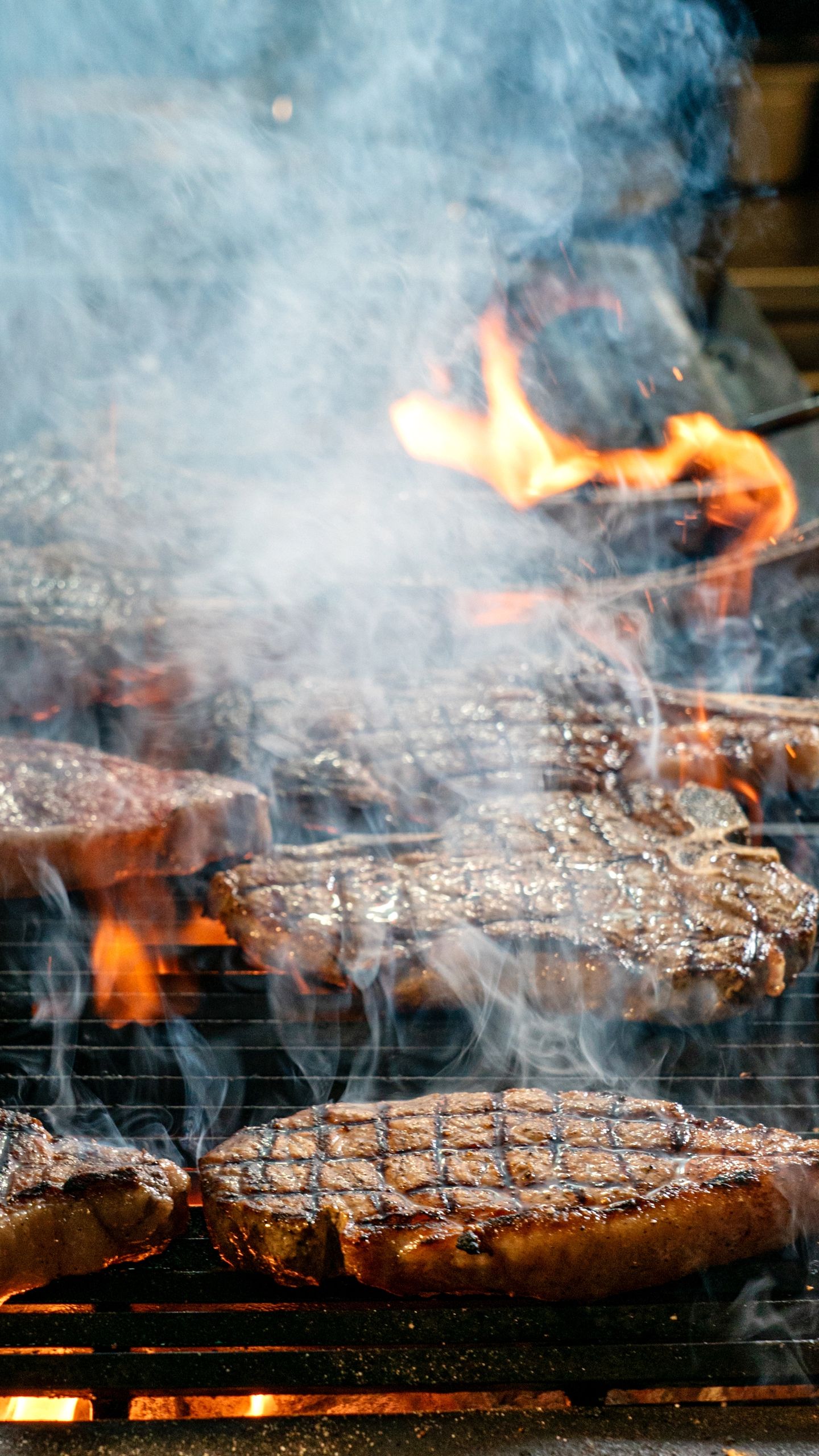
In Argentina, asado is about patience, good meat, and carefully controlled heat. Instead of cooking directly over roaring flames, traditional Argentine grilling relies on glowing wood or charcoal embers. The meat cooks steadily, allowing the outside to brown without burning before the inside is ready.
Try building a two-zone fire, with most of your coals on one side and fewer on the other. Start thicker cuts over gentler heat and move them closer to the hotter side when they need extra browning. A little coarse salt is often enough to let the meat’s natural flavor shine.
South Korea: Make Every Bite a Little Different
Korean barbecue turns grilling into a shared dining experience. Thin pieces of meat cook quickly, while diners assemble their own bites using lettuce, sauces, and small side dishes.
Borrow the idea by serving grilled beef or pork with fresh lettuce leaves, sliced garlic, and ssamjang, a Korean dipping sauce made with fermented soybean and chili pastes. Wrap a little meat and your favorite toppings in a lettuce leaf for a bite that combines smoky, savory, and fresh flavors.
It also makes entertaining easier because everyone can build their own combinations.
Jamaica: Season the Meat Before It Meets the Fire
Jamaican jerk cooking shows that barbecue flavor starts long before the grill heats up. Traditional jerk seasoning combines allspice, Scotch bonnet peppers, thyme, scallions, and garlic. Cook the seasoned meat over smoke, traditionally using pimento wood.
For a backyard version, coat chicken or pork in jerk seasoning and refrigerate it before cooking. Use indirect heat so the outside doesn’t burn while the center cooks through. If Scotch bonnet peppers are too hot for your taste, use less rather than overwhelming the other seasonings.
The goal is a balance of heat, spice, and smokiness.
South Africa: Cook Over Wood Coals, Not Rushing Flames
In South Africa, a braai is both a way of cooking and a social gathering built around the fire. Wood and glowing coals are central to many traditional braais, where foods such as sausages, chops, and steaks are grilled.
You can borrow this approach by letting your fire settle before adding food. Use untreated cooking wood, let it burn down to embers, and keep a cooler area for pieces that need more time.
And don’t rush everyone away once the meat is cooked. Part of the braai tradition is spending time together around the fire.
Japan: Think Small With Chicken Skewers
Japanese yakitori shows that excellent barbecue doesn’t require enormous steaks or racks of ribs. Thread small pieces of chicken onto skewers and grill them, often with scallions tucked between them. They are typically seasoned with salt (shio) or a sweet-savory glaze called tare.
Cut chicken thighs into similarly sized pieces so they cook evenly. Thread them onto skewers, grill over medium heat, and brush on a soy-based glaze toward the end to avoid burning the sugars.
Serve several small skewers instead of one large portion. It’s a fun way to bring variety to the grill.
Brazil: Don’t Throw Away All That Fat
Brazilian churrasco celebrates flavorful cuts of meat cooked over charcoal or wood embers. One of its best-known cuts is picanha, also called the top sirloin cap, with a distinctive fat layer.
Rather than trimming away the entire fat cap, Brazilian-style grilling leaves it attached to help create a rich, browned exterior. The meat is commonly seasoned with coarse salt, grilled, rested, and sliced across the grain.
You don’t need an expensive rotisserie to try the idea. A regular charcoal grill and a good cut of beef can work beautifully.
Turkey: Give Your Kebabs Time to Marinate
Turkish-style shish kebabs bring together seasoned meat, skewers, and charcoal grilling. Traditional recipes may use onion, olive oil, milk, tomato paste, and spices to marinate lamb or chicken before cooking.
At home, cut your meat into evenly sized pieces and refrigerate it in a flavorful marinade. Skewer peppers, onions, or tomatoes alongside the meat, or cook them separately if they take longer.
Keep the skewers moving as needed so every side browns without scorching. If you’re using wooden skewers, soak them beforehand and protect the exposed ends from direct flames.
Mexico: Finish Grilled Meat With Something Fresh
Mexican-style carne asada offers a valuable lesson: what happens after grilling can be as important as what happens before.
A grilled steak becomes a completely different meal when you slice it thinly and tuck it into warm tortillas with chopped onions, cilantro, salsa, and a squeeze of lime.
Try this at your next cookout instead of serving whole steaks. Let the cooked meat rest, slice it against the grain, and arrange the toppings so guests can help themselves.
The smoky meat and fresh garnishes create a nice contrast in each bite.
India: Let the Marinade Bring the Flavor
Indian tandoori cooking uses bold seasonings and traditionally cooks food in a hot clay oven called a tandoor. While a backyard barbecue won’t replicate the oven exactly, you can borrow its seasoning approach.
A yogurt-based marinade with ginger, garlic, cumin, coriander, and other spices can make ordinary chicken wonderfully flavorful. Coat the pieces evenly, then refrigerate before grilling.
Cook over controlled heat rather than placing heavily marinated pieces directly above aggressive flames. Turn occasionally and use a food thermometer to check that the chicken reaches 165°F internally.
Serve with lemon wedges and a mint-based sauce for a finishing touch.
The Best BBQ Trick Is Knowing When to Slow Down
Barbecue traditions around the world may use different cuts, seasonings, and equipment, but they share an appreciation for good fire management and thoughtful preparation.
You don’t have to master every style at once. Try Argentine-style embers this weekend, Japanese chicken skewers next time, or a Jamaican-inspired jerk marinade when you want something bold.
Sometimes, the simplest way to make your next cookout more exciting is to borrow one good idea from somewhere else.