Opening your lunchbox at school and seeing what was packed inside felt special. A peanut butter sandwich could make an ordinary Tuesday feel familiar, while a Lunchable or a sweet snack tucked beside it could make lunchtime the highlight of the day.
For many Americans who grew up in the 1970s, 1980s, 1990s, and early 2000s, packed lunches featured simple sandwiches, salty snacks, fruit cups, and treats that seemed much more exciting at school than at home. Some meals were homemade, others came straight from the grocery store, and a few became childhood icons. Many of these classics remain popular today, reminding adults of a time when lunch was about trading snacks, comparing treats, and getting back outside before the bell rang. The enduring popularity of the classic peanut butter and jelly sandwich shows just how powerful those food memories can be.
Peanut Butter and Jelly Sandwiches
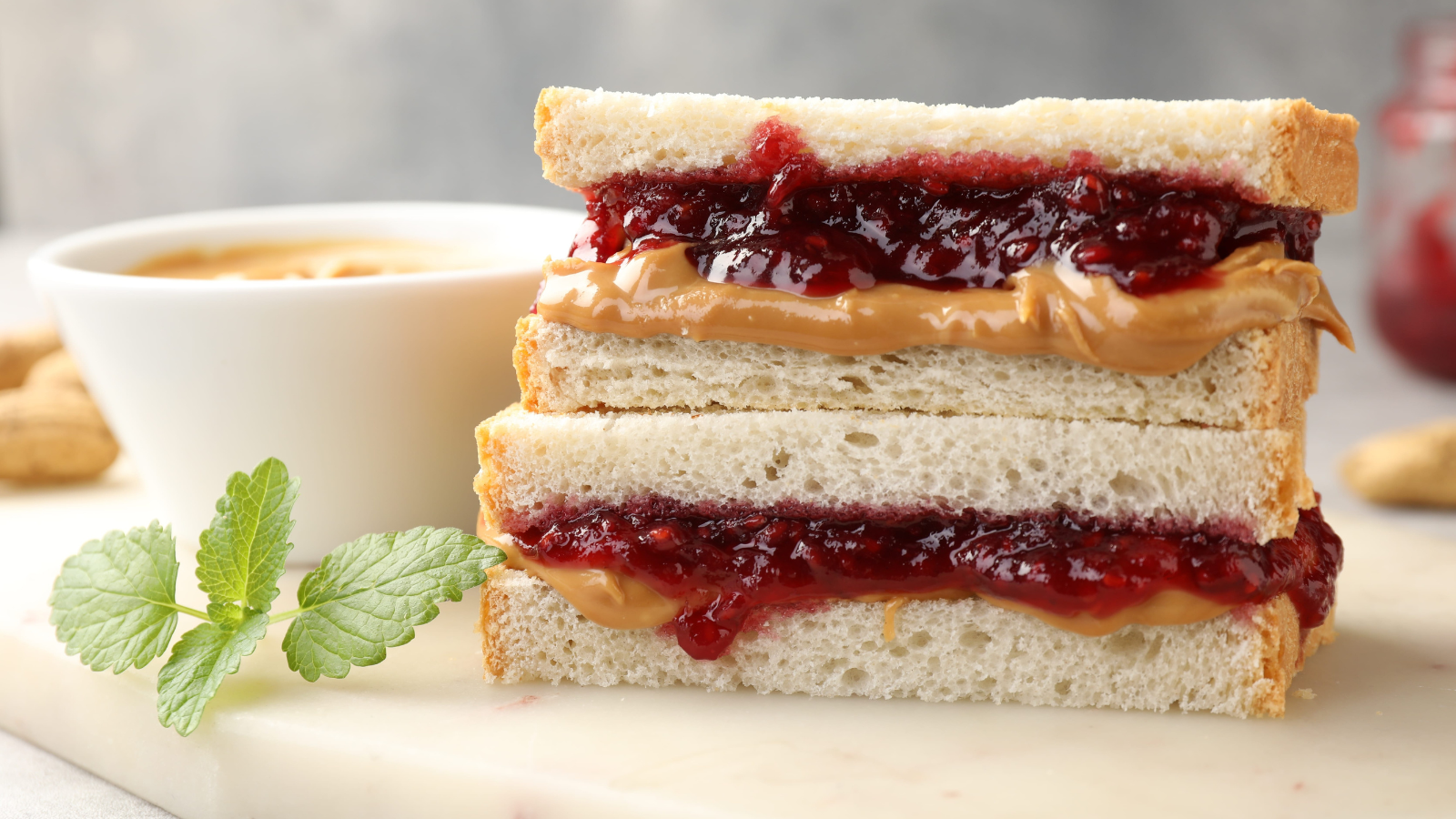
Few school lunches are as instantly recognizable as two slices of soft bread filled with peanut butter and sweet jelly.
The peanut butter and jelly sandwich, usually called PB&J, became an American lunchbox staple because it was affordable, simple to prepare, and easy to carry. Grape jelly was a familiar favorite, although strawberry and other fruit spreads had their fans too. Some children preferred thick peanut butter and barely any jelly, while others wanted the sweet filling to ooze out at the first bite.
The sandwich also offered room for personal preferences. Crusts could stay on or be cut off, and a diagonal cut somehow made an ordinary sandwich feel more special. Decades later, many adults still associate PB&J with school lunches and childhood comfort.
Bologna and Cheese Sandwiches
If PB&J was the sweet lunchbox classic, bologna and cheese was the dependable savory option.
A slice or two of bologna, American cheese, and mayonnaise or mustard between white bread made a filling lunch with little prep. Some children ate the sandwich exactly as packed, while others pulled it apart to eat the cheese first or save the meat for last.
The sandwich was especially familiar in many American households during the 1970s, 1980s, and 1990s. Even when the bread got slightly squashed in a lunch bag, it still delivered the same recognizable combination of salty meat, mild cheese, and soft bread.
Lunchables
Opening a Lunchables tray felt less like eating lunch and more like being handed permission to play with your food.
Introduced in 1988, Lunchables gave children separate portions of crackers, cheese, and processed meat to assemble themselves. Later varieties expanded the idea to include pizza-style kits and sweet treats. Instead of receiving a sandwich that someone else had prepared, children could build their own little stacks and decide how much filling each cracker deserved.
The appeal was about more than convenience. Lunchables gave children a sense of independence and made lunch feel different from an ordinary homemade meal. For many adults who grew up in the 1990s, seeing the familiar compartmented tray still brings back memories of school cafeterias and lunchbox envy.
Ham Sandwiches on White Bread
Sometimes the simplest lunch was the one you ate without a second thought, until years later when you suddenly missed it.
Ham sandwiches were a familiar packed-lunch choice, often paired with cheese, mayonnaise, or mustard. The ingredients were easy to find, preparation took only a few minutes, and you could wrap the sandwich in plastic or tuck it into a reusable container.
The magic was in the familiarity. No elaborate recipe, no complicated sauce, and no expectation that lunch should look impressive. It was simply a reliable meal that tasted like home, even when eaten at a crowded school desk.
Cheese and Crackers
A little compartment of cheese and a handful of crackers could feel like a miniature party in the middle of the school day.
Before modern lunch kits became common, children often carried cheese cubes or slices alongside plain crackers. Later, packaged snack kits made the combination even more convenient by putting everything into one small container.
Part of the fun was assembling each bite. Some children spread the cheese evenly, while others stacked everything into a tower that inevitably collapsed. The combination was simple, salty, and satisfying, and it remains a familiar snack for adults and children alike.
Chicken Nuggets
When chicken nuggets appeared in a lunchbox, the meal suddenly felt a little more exciting than another sandwich.
Chicken nuggets became a popular convenience food in American households, making their way into packed lunches alongside dipping sauces, fruit, and crackers. They were especially appealing to children who preferred familiar flavors and easy-to-eat finger foods.
Parents sometimes packed them in insulated containers to help keep them warm, while others relied on cafeteria meals or ate them at home after school. Whether dipped in barbecue sauce, honey mustard, or ketchup, nuggets became one of those foods many children were happy to see on the menu.
Macaroni and Cheese in a Thermos
Few lunchbox surprises were more comforting than opening a thermos and finding warm macaroni covered in creamy cheese sauce.
A thermos allowed families to send hot food to school long before insulated food containers became fashionable. Macaroni and cheese was especially practical because it was filling, familiar, and easy to prepare ahead of time.
The texture might not have been the same by lunchtime, but that rarely mattered. The warm pasta offered a welcome change from cold sandwiches, especially on chilly days. For children who preferred familiar foods, it could be the best part of lunch.
Handi-Snacks Crackers and Cheese
That little red plastic spreader was almost as memorable as the orange cheese spread itself.
Handi-Snacks became a recognizable packaged snack after launching in 1982. The familiar version came with crackers, a compartment of cheese spread, and a tiny utensil for spreading it. It was convenient and portable, designed to let children assemble their own snack.
The cheese was not quite like a slice of cheddar from the refrigerator, but that was part of its appeal. The snack had its own distinctive taste and texture, and spreading the cheese onto each cracker made it feel like a special lunchbox treat.
Related: 15 ’90s Lunch Box Foods That Instantly Bring Back Childhood Memories
Fruit Cups and Applesauce
Sometimes the little container tucked beside the sandwich was the part of lunch you looked forward to most.
Fruit cups offered pieces of fruit in juice or syrup, while applesauce provided a smooth, sweet option that was easy to eat with a spoon. Both were practical choices for packed lunches, especially when families wanted something sweet without sending an entire piece of fruit.
The familiar peel-back lid and plastic spoon became part of the school-lunch experience. For many children, finishing the fruit cup signaled that lunch was nearly over and playground time was approaching.
Snack Cakes and Chocolate Treats
Finding a wrapped chocolate cupcake or snack cake in your lunchbox could make an ordinary school day feel like a celebration.
Packaged treats such as chocolate cupcakes, cream-filled cakes, and other individually wrapped snacks were popular additions to many American lunchboxes. Their convenience made them easy for parents to pack, while the sweet filling and soft cake made them exciting for children.
Some children ate dessert first, others saved it for the final minutes of lunch, and a few used it as valuable trading currency. Kids could swap a snack cake for chips or another treat, creating a tiny schoolyard economy built around whatever everyone brought from home.
Why These Lunches Still Bring Back Memories
The most memorable childhood lunches were rarely the fanciest ones. They were the familiar foods tied to ordinary school days, friendships, and family routines.
A sandwich wrapped in plastic, crackers stacked with cheese, or a sweet treat saved for the end of lunch could become part of a person’s childhood memories. These foods also reflect how packed lunches changed over time, from simple homemade meals to convenient packaged snacks that children could assemble themselves.
Many classics remain, though modern families may adapt them to accommodate allergies, dietary preferences, and school rules. The appeal of familiar food, however, remains much the same. For more ideas to make everyday meals enjoyable, explore these surprising superfoods that can brighten them.
Which lunchbox meal takes you straight back to your school days: PB&J, Lunchables, bologna and cheese, or that little pack of crackers and cheese?