Early death does not always arrive like a dramatic movie scene. Sometimes it starts with skipped checkups, fast food eaten in the car, stress that never shuts off, pills taken to numb pain, roads built for speed instead of safety, or air so polluted that breathing becomes a long-term risk.
This century has better medicine, smarter technology, and more health information than any generation before it. Yet people are still dying too soon from causes that are often preventable, treatable, or made worse by the way modern life is built.
That is the uncomfortable truth. People are not only dying early because their bodies fail. Many are dying early because of the food system, stress culture, loneliness, pollution, addiction, poverty, violence, weak healthcare access, and delayed prevention.
The danger is not always one big disaster. Sometimes it is ten small pressures stacked on top of each other until the body can no longer carry them.
Heart Disease Is Still Taking People Too Soon
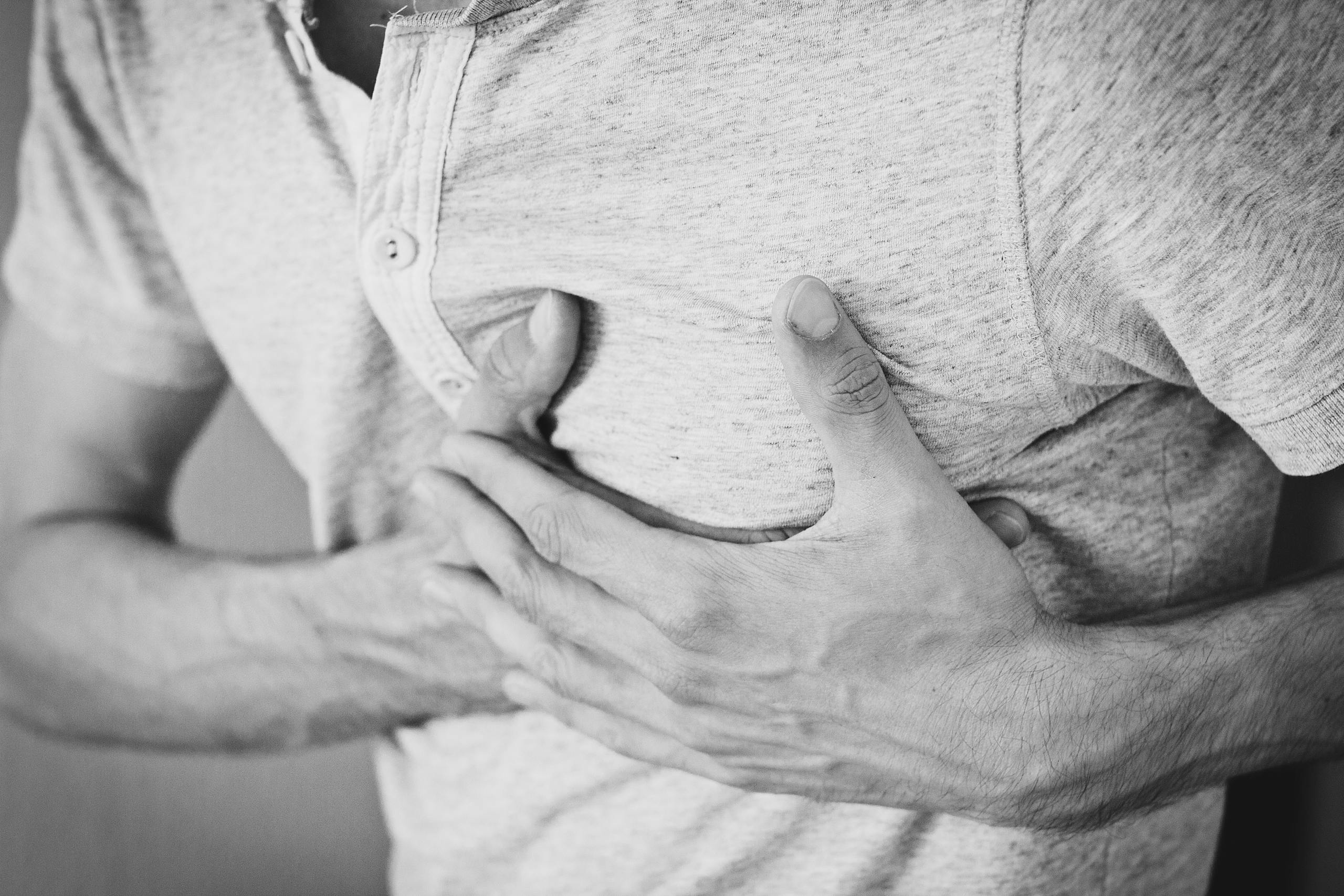
Heart disease remains one of the biggest early killers because it often grows quietly. High blood pressure, poor diet, smoking, stress, diabetes, inactivity, and untreated cholesterol can damage the body for years before a major warning sign appears.
Modern life makes this worse. Many people sit for long hours, sleep poorly, eat heavily processed meals, and live under constant pressure. Current global chronic disease data show cardiovascular disease remains the largest noncommunicable disease killer worldwide, which makes heart health much more than a gym slogan.
By the time chest pain or shortness of breath shows up, the problem may already be serious. The body may have been asking for help for years through fatigue, weight gain, high blood pressure readings, and warning numbers people kept promising to deal with “later.”
Cancer Is Still Being Found Too Late
Cancer kills early when it is aggressive, missed, untreated, or discovered after it has already spread. Some cancers grow silently, and people may ignore symptoms because they are busy, uninsured, scared, or convinced the problem will pass.
This century has better screening and treatment, but access is not equal. A person with money, insurance, flexible work hours, and nearby specialists is more likely to catch a disease early. A person juggling rent, childcare, and medical bills may wait until symptoms become impossible to ignore.
That delay can be deadly. Recent U.S. mortality patterns show heart disease and cancer remain the top two leading causes of death, which is why early screening and affordable care still matter so much.
Processed Food and Obesity Are Quietly Shortening Lives
A lot of modern food is designed to be cheap, fast, salty, sweet, and hard to stop eating. It fills the stomach but often leaves the body overloaded with sugar, unhealthy fats, sodium, and calories. Over time, that can lead to obesity, high blood pressure, type 2 diabetes, fatty liver disease, heart disease, and some cancers.
The problem is not simply a matter of personal discipline. Many people live in neighborhoods where fresh food is expensive, fast food is everywhere, work hours are long, and healthy routines feel like a luxury. When the easiest food is also the least nourishing, the body pays the price.
This is one reason early death in this century feels so tied to daily life. People are not always making one terrible choice. They are often living inside systems that make the unhealthy choice cheaper, faster, and more available than the healthy one.
Drug Overdoses Are Killing People Before Their Lives Fully Begin

Drug overdoses have become one of the most heartbreaking early death stories of modern America. The crisis is not just about addiction in the old stereotype. It includes fentanyl, counterfeit pills, mental pain, untreated trauma, unstable housing, and drugs so powerful that one mistake can become fatal.
Even when overdose deaths decline, the scale remains devastating. Final overdose death data recorded 79,384 U.S. drug overdose deaths in 2024, which shows how deadly the crisis remains even after improvement from the prior year.
That number represents more than statistics. It is sons, daughters, parents, friends, classmates, coworkers, and people who might have survived with treatment, naloxone access, safer drug policies, stronger mental healthcare, and less stigma. Addiction is often treated like a moral failure when it is also a medical, social, and economic crisis.
Suicide Is Cutting Lives Short
Suicide is one of the most painful reasons people die early because it often grows in silence. Someone may still go to work, answer texts, smile at family, post online, and look “fine” while privately feeling trapped, exhausted, ashamed, or hopeless.
The modern world can make that pain worse. People are more connected than ever, but often lonelier than they admit. Financial pressure, social comparison, isolation, trauma, bullying, grief, and untreated mental illness can make life feel unbearable.
More than 720,000 people die by suicide every year worldwide, and suicide prevention data shows it remains one of the leading causes of death among young people. If someone is thinking about suicide or may harm themselves, they need immediate support from emergency services, a crisis line, or a trusted person who can stay with them while help arrives.
Road Crashes Are Still Killing the Young
Road crashes are one of the most common ways people die too soon. A text message, a drunk driver, a speeding car, a bad road, a tired truck driver, or a missing helmet can turn a normal day into a family tragedy.
This is especially brutal because so many road deaths are preventable. Seat belts, helmets, safer roads, speed control, sober driving, better lighting, pedestrian protection, and stricter enforcement can save lives. But when roads are designed as racetracks and people drive like consequences are optional, bodies lose.
The scale is staggering. Current road injury statistics show about 1.19 million people die each year from road traffic crashes, and road injuries are the leading cause of death for children and young adults ages 5 to 29.
Air Pollution Is Making Breathing Dangerous

Air pollution does not always look dramatic. It may not arrive as a thick cloud outside the window. Sometimes it is invisible enough to ignore but dangerous enough to damage the lungs, heart, brain, and blood vessels over time.
People living near highways, factories, wildfire smoke, coal plants, heavy traffic, or poorly regulated industrial areas often carry a heavier burden. Children, older adults, pregnant people, outdoor workers, and people with asthma or heart disease are especially vulnerable.
The danger is not theoretical. Global air pollution health risks include millions of premature deaths linked to dirty air, especially through heart disease, stroke, chronic lung disease, respiratory infections, and lung cancer.
Climate Change Is Turning Heat Into a Killer
Extreme heat is no longer just an uncomfortable summer story. It is a health threat. Heat can worsen heart disease, kidney disease, breathing problems, dehydration, pregnancy risks, and workplace dangers. It can also turn homes, prisons, nursing facilities, schools, and outdoor job sites into unsafe places.
This century is forcing people to live through hotter nights, stronger heat waves, wildfire smoke, floods, food insecurity, and disease risks that shift with climate patterns. The poorest communities often suffer first because they have less air conditioning, weaker housing, less green space, and fewer ways to escape danger.
The warning is already here. Current climate health risks include heat, extreme weather, food disruption, water insecurity, disease spread, and mental health strain, all of which are becoming more serious as the planet warms.
Infections Still Kill When Systems Fail
This century has already shown that infections can still change history. COVID-19 reminded the world that modern medicine does not make societies invincible. Flu, pneumonia, tuberculosis, HIV, malaria, sepsis, antibiotic-resistant bacteria, and emerging diseases still kill people early, especially where healthcare systems are weak.
The danger grows when people cannot access vaccines, antibiotics, clean water, safe housing, testing, or early treatment. It also grows when misinformation spreads faster than medical guidance. A treatable infection can become deadly when a person waits too long or cannot afford care.
Sepsis is one of the clearest examples. It can begin with an infection that spirals into a body-wide emergency, and sepsis emergency guidance warns that without fast treatment, it can lead to tissue damage, organ failure, and death.
Poverty and Poor Healthcare Access Turn Small Problems Deadly
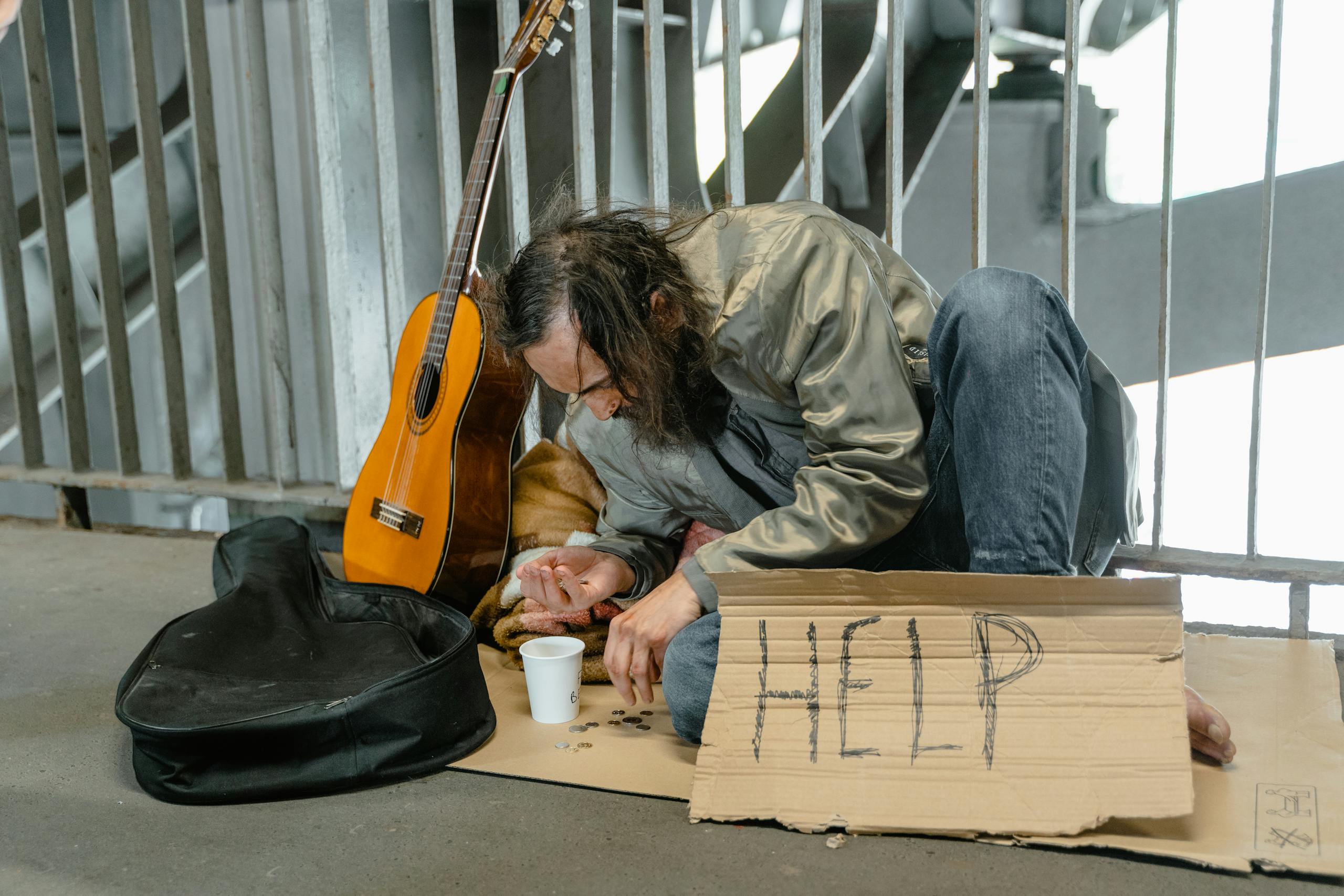
One of the cruelest reasons people die early is simple: they could not get help in time. A person may delay care because they cannot afford the bill, cannot miss work, cannot find a doctor, lack transportation, fear medical debt, or live in a community where clinics are stretched thin.
That delay can turn manageable problems into emergencies. High blood pressure can lead to stroke. Diabetes can lead to kidney failure. Depression becomes a crisis. A lump becomes advanced cancer. An infection becomes sepsis. Poverty does not just make life harder. It can make illness more dangerous.
This is why early death is never only a personal story. It is also a policy story, a wage story, a housing story, a food story, and a healthcare access story. People live longer when prevention is affordable, neighborhoods are safe, food is healthy, jobs are humane, and medical care arrives before disaster.
Conclusion
People are dying early this century for many reasons, but the pattern is clear. Modern life gives people more medical knowledge than ever, yet it also surrounds them with stress, cheap, unhealthy food, pollution, loneliness, addiction, dangerous roads, extreme heat, and unequal access to care.
The good news is that many early deaths are not inevitable. Better prevention, safer roads, cleaner air, stronger mental healthcare, addiction treatment, affordable checkups, healthier food systems, and serious climate action can save lives.
The hard truth is that early death is rarely just about one bad choice. It is often what happens when personal habits, public policy, corporate profit, social pressure, and broken systems all meet inside one human body. That is why living longer is not only a private goal. It is a public responsibility.