A Thanksgiving table can look peaceful from across the room. The turkey is carved, the kids are restless, and someone is pretending not to hear a comment that just landed like a match on dry grass.
Then comes the ride home. One person says they are done. Another says family is family. Someone blocks a number before dessert is fully digested.
Across America, cutting off family has become more than a private choice. It has turned into a cultural argument about boundaries, respect, loyalty, trauma, and whether some relationships are too broken to repair.
The ugly part is that many families are not exploding overnight. They are slowly running out of patience, language, money, trust, and emotional room to keep trying.
When Every Argument Starts Feeling Like a Final Warning

Family fights used to end with someone cooling off, calling back, or showing up again at the next cookout. Now, many people treat every argument like proof that the whole relationship is unsafe.
That shift does not always come from cruelty. It often comes from exhaustion. When people feel unheard for years, even a small disagreement can feel like the final insult.
When Therapy Language Turns Into a Weapon
Words like boundary, toxic, narcissist, and trauma can help people name real pain. They can also become labels people throw around before they truly understand each other.
This is where cutting off family gets messy. Some people use healthier language to protect themselves, while others use it to avoid accountability, hard apologies, and uncomfortable repair.
When Money Stress Makes Everyone More Resentful
Money has a way of turning old family wounds into fresh battles. A parent who needs help, an adult child who cannot move out, or siblings arguing over care costs can make love feel like a bill.
The pressure is not imaginary. Recent reports on household finances show that many adults are still struggling with shaky financial well-being, especially young adults and lower-income families. When wallets are tight, patience often disappears first.
When Politics Moves From the TV to the Dinner Table
Political arguments are no longer limited to election season. They now show up in group chats, Sunday dinners, weddings, school debates, and comment sections that follow people into real life.
The damage can be personal. A growing share of Americans say they have stopped talking to someone because of political news conversations, which shows how public issues can become private family fractures.
When Parents Still See Adults as Children

Many family breakdowns begin when parents refuse to update the relationship. They still criticize, control, compare, or dismiss their adult children as if nothing has changed.
Adult children can handle disagreement better than disrespect. What often breaks them is the feeling that they are still being treated like a teenager with no voice, no boundaries, and no right to walk away.
When Adult Children Stop Explaining Their Pain
At some point, people get tired of giving the same speech. They stop saying that the joke hurt, the comment was cruel, the favoritism was obvious, or the apology never came.
Silence can look sudden from the outside. Inside the relationship, it is usually the last page of a very long book that one person has been reading alone.
When Caregiving Turns Love Into Burnout
Caregiving can bring families closer, but it can also expose every hidden crack. One sibling does the appointments, another sends opinions, and someone else disappears until decisions need to be judged.
That burden is heavy because unpaid care often comes with real costs. National caregiving research shows that many families face serious financial strain, which can turn love, duty, guilt, and resentment into an exhausting knot.
When Apologies Sound Like Excuses
A weak apology can do more harm to a family than silence. Phrases like that was not my intention, you are too sensitive, or I am sorry you feel that way often make the hurt person feel blamed for reacting.
Real repair needs humility. Many Americans are cutting off family because they no longer trust apologies that prioritize pride over the relationship.
When Loneliness Makes People Both Needier and Colder
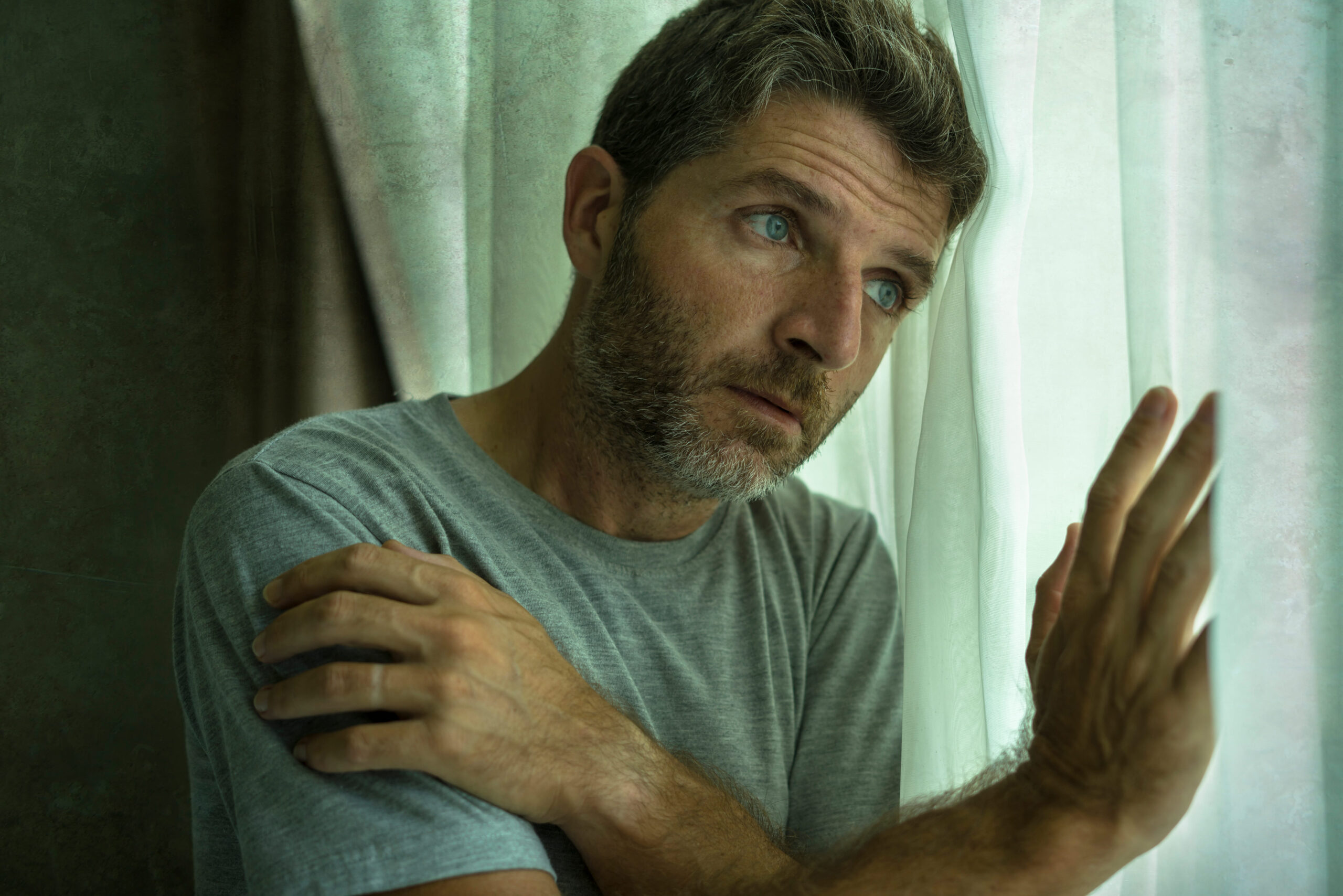
It sounds strange, but loneliness can make people more desperate for connection and less patient with imperfect relationships. People crave closeness, yet they may also pull away faster when closeness becomes painful.
The wider culture reflects that tension. A recent survey found that many Americans have gone no-contact with someone close, even as many also report feeling lonely and hungry for deeper community.
When Families Lose the Skill of Repair
Repair is not the same as pretending nothing happened. It means listening without performing, apologizing without dodging, and changing behavior after the conversation ends.
That skill is becoming rare. People are busier, angrier, and more stressed, and often less practiced at sitting through emotional discomfort without escaping into distance, sarcasm, or silence.
When Social Media Rewards Cut People Off
Online culture often turns private pain into public performance. A painful family decision becomes a post, a caption, a trend, or a comment war where strangers cheer for the cleanest exit.
Sometimes distance is necessary. Still, social media can make repair look weak, and removal look brave, even when the real situation deserves more care than a slogan can hold.
When Respect Becomes the Real Breaking Point
Many family cutoffs are not really about one argument. They are about respect. People can survive disagreement, but they struggle to stay close to relatives who mock their choices, dismiss their pain, or treat boundaries like betrayal.
That is why cutting off family feels so personal. It is rarely just about politics, money, parenting, or one ugly holiday. It is about whether people feel safe being fully human around the people who are supposed to know them best.
Key Takeaway
Cutting off family is not always selfish, and staying connected is not always noble. Some relationships are dangerous, cruel, or emotionally draining enough that distance becomes a matter of survival.
Still, America is losing something important when silence becomes easier than repair. The healthier path is not blind loyalty or instant cutoff. It is honest conversation, changed behavior, clear boundaries, and enough courage to know when to stay at the table and when to finally leave it.