Reports suggest Donald Trump is quietly preparing for a midterm loss, while panic spreads through Republican ranks. What was once a confident campaign strategy now looks fractured and uncertain. Advisors scramble, candidates worry, and the party base is restless. This isn’t just political tension; it’s a wake-up call about a party suddenly confronting reality. Here’s why the GOP is facing an unprecedented moment of anxiety and what it means for the 2026 landscape.
Trump’s Private Resignation
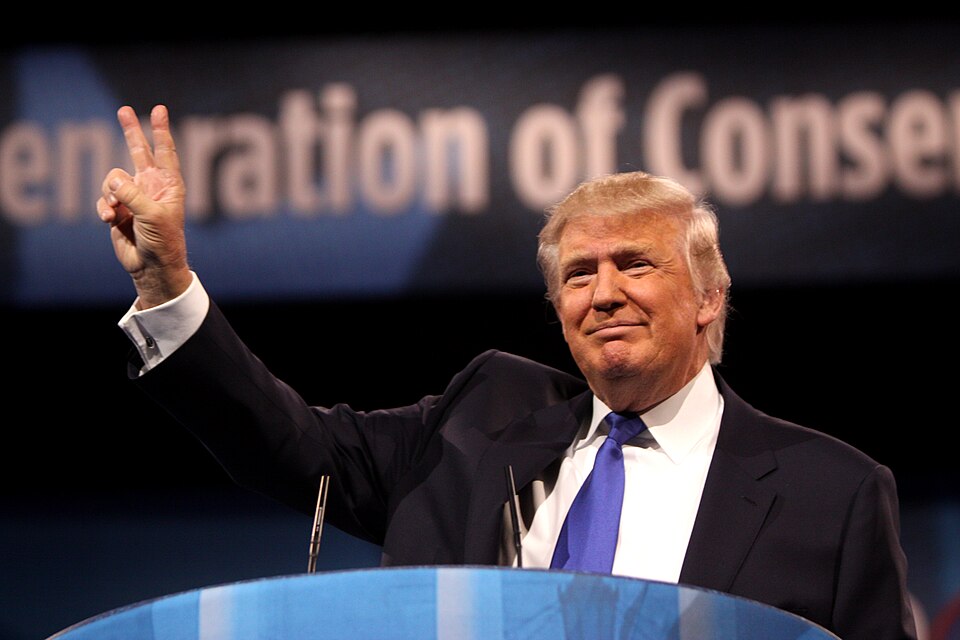
Behind closed doors, Trump appears to have mentally accepted a midterm defeat. This contrasts sharply with his public bravado, sending mixed signals to supporters. Political insiders note that private resignation can erode confidence among candidates and voters alike, creating internal uncertainty that trickles down through campaign operations and weakens morale across the party.
Panic Sweeps Republican Operatives
With key races in jeopardy, Republican strategists are scrambling. Sudden shifts in messaging, reallocating campaign funds, and last-minute event planning reveal the anxiety within party leadership. Panic-driven decisions risk undermining already fragile campaigns, leaving candidates exposed in competitive districts where strategic calm and coherence are essential.
Fundraising Is Under Pressure
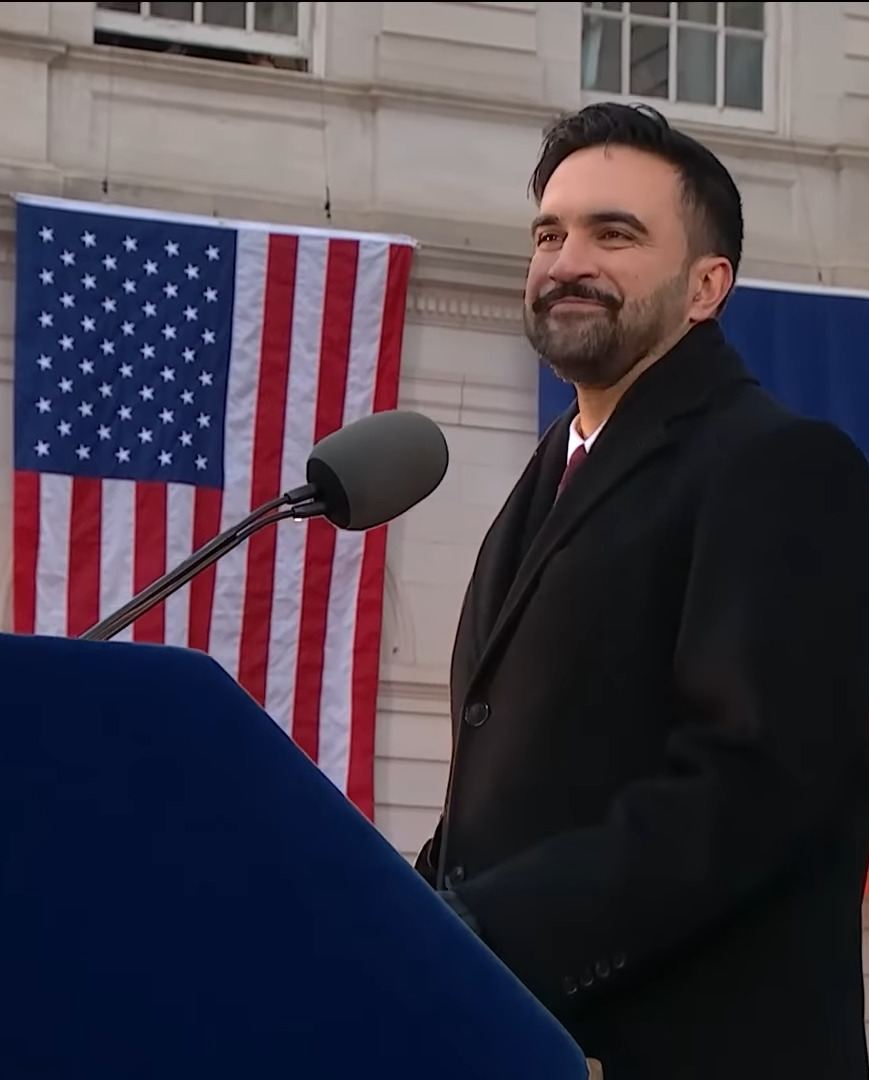
Anticipated losses threaten donations. Conservative donors are reportedly hesitating, redirecting funds to safer races or holding back until clearer outcomes emerge. This financial uncertainty limits advertising budgets, outreach programs, and grassroots mobilization, further compounding stress for candidates and creating a feedback loop of doubt within party operations.
NYC Mayor’s Office via Wikimedia Commons licensed under CC BY 4.0
Candidate Confidence Erodes
In swing districts, Republican candidates are increasingly anxious. Knowing that Trump’s endorsement may carry less weight than before, some fear it could depress enthusiasm among volunteers and local supporters. The sense of vulnerability can reduce fundraising and event attendance, subtly eroding the electoral edge needed to win competitive races.
Messaging Inconsistencies
The disconnect between Trump’s private acceptance and public rhetoric has caused inconsistent messaging across campaigns. Advisors struggle to balance optimism with reality, leaving candidates with conflicting guidance. In high-stakes districts, such mixed signals risk confusing voters, diluting engagement, and undermining the party’s overall narrative.

Media Spotlight Intensifies
National coverage of Trump’s resignation and Republican panic amplifies the perception of instability. Headlines, opinion pieces, and broadcast segments frame the party as fractured. This narrative can influence undecided voters, shift public perception, and pressure campaigns to respond defensively rather than proactively, creating a self-reinforcing cycle of scrutiny.
Grassroots Base Shows Unease
Even committed Republican voters appear unsettled. Reports suggest some supporters are questioning strategies or shifting focus to alternative political initiatives. Low-energy volunteer turnout and declining enthusiasm at rallies indicate that the party base is feeling tension, potentially impacting voter turnout in the most contested districts.
Strategic Adjustments Become Reactive
In response to potential losses, the GOP is making sudden tactical adjustments, reallocating resources, and shifting messaging. While proactive in appearance, the rushed nature of these moves reflects reactionary planning. Analysts warn that last-minute strategic shifts rarely achieve intended effects and could instead signal weakness to the electorate.
Internal Tensions Escalate
Rising disagreements between traditional conservatives and Trump loyalists intensify stress within party leadership. Conflicting priorities, debates over endorsements, and disputes over resource allocation threaten cohesion. These internal tensions, if exposed publicly, can damage voter confidence and create openings for opponents in key races.
Implications for 2026
If the midterm losses materialize, the GOP could face a long-term shift in power dynamics. Control over congressional committees, legislative agendas, and policy priorities may shift. Trump’s quiet resignation signals broader challenges for the party, highlighting the need for recalibrated strategy, internal unity, and renewed voter engagement heading into 2026.

Final Thought
The midterms have exposed cracks within the Republican Party. Trump’s quiet acceptance of a potential defeat and the ensuing panic among leaders, candidates, and supporters reveal vulnerabilities that could reshape politics for years. For the GOP, the coming weeks are not just about winning seats; they are about survival, recalibrating strategies, and navigating a high-stakes moment under unprecedented scrutiny.