Guam has opened a new front in the fight over neglected buildings, tourist corridors, and the price of keeping a destination marketable.
A newly signed law gives the island’s Department of Public Works the power to adopt and enforce property maintenance standards for certain hotel-zoned properties. That means owners of covered buildings, parking lots, structures, and green spaces could face civil penalties if they fail to meet the standards once enforcement begins.
The headline figure is hard to ignore. Violations can carry fines ranging from $25 to $5,000. But the bigger story is not just the fine. It is the pressure now landing on property owners in Guam’s tourism districts, where one vacant lot, one crumbling building, or one trash-strewn parking area can become part of the island’s public image.
Guam Targets Neglected Hotel-Zone Properties
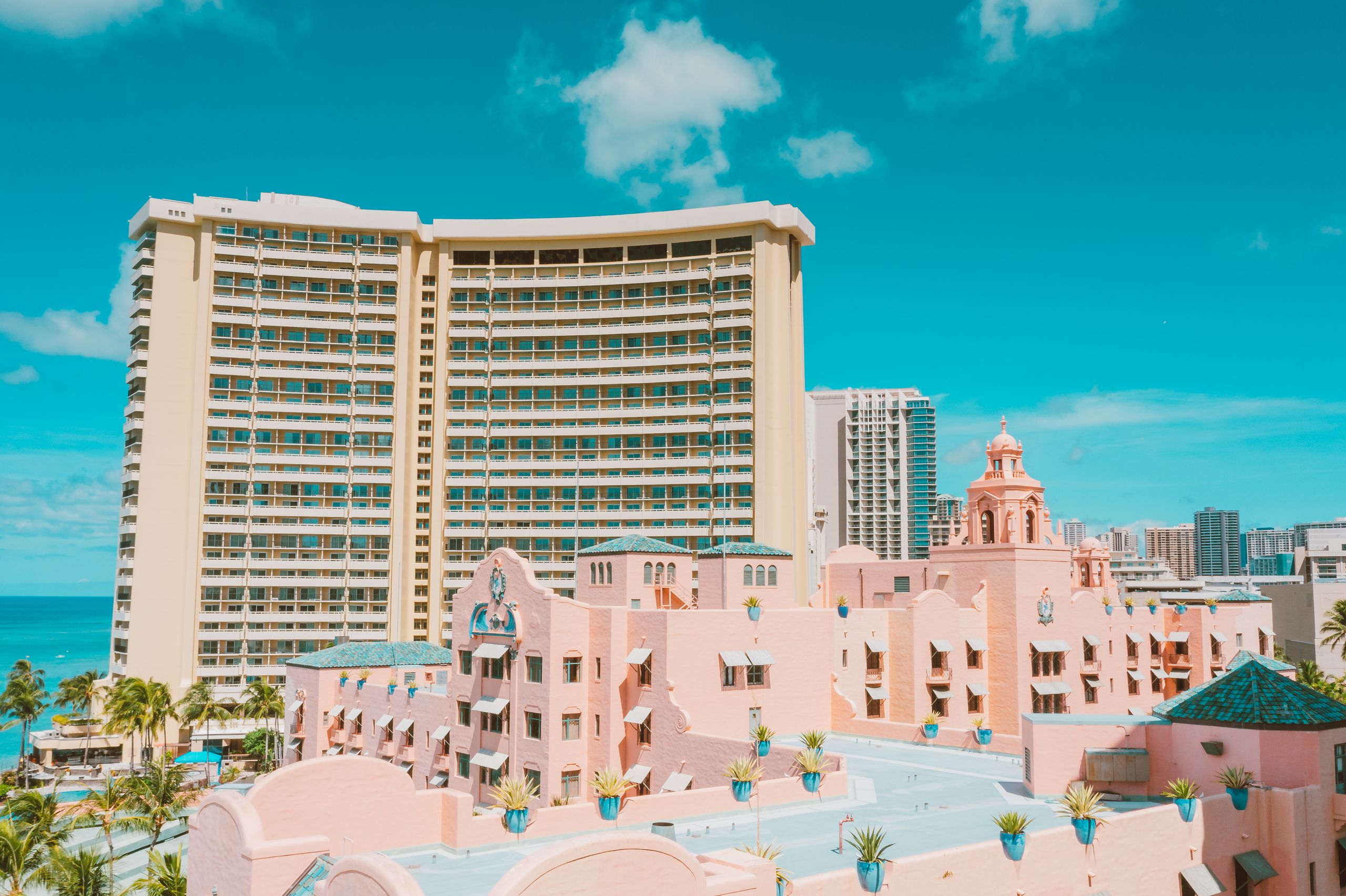
The new law, Public Law 38-127, focuses on properties located on Hotel Zoned lots. That detail matters because the measure is not written as a blanket rule for every home, business, or neighborhood on the island.
Instead, the law targets areas closely tied to Guam’s visitor economy. These are the corridors where tourists arrive, walk, shop, eat, book rooms, take photos, and form quick impressions about whether the island feels clean, safe, and well cared for.
Under the law, Guam’s Department of Public Works must implement and adopt the International Property Maintenance Code in whole or in part for covered hotel-zoned properties. The code may apply to buildings, other structures, parking lots, and green areas within those zones.
That makes this more than a simple cleanup campaign. It creates a formal enforcement path that connects the tourism image, code standards, inspections, potential fees, and civil penalties.
The $5,000 Fine Is Only Part of the Story.
The penalty range is what will grab the most attention. A property owner who violates the adopted maintenance standards could face a civil penalty of at least $25 and up to $5,000 for each violation.
That upper number gives the law teeth. It signals that Guam leaders are not treating rundown properties in tourist areas as a minor cosmetic issue.
Still, the law does not mean every covered owner automatically gets hit with the maximum fine. The Guam Visitors Bureau board must request implementation or amendment of the property maintenance code by board resolution. That resolution must include key details, including the scope of covered properties, compliance standards, exemption processes, timelines, penalties, and procedures for future amendments.
That structure matters for owners. It means the enforcement system still depends on how officials define covered properties, how long owners get to comply, what exemptions are allowed, and how violations are handled.
Why Hotel Areas Are Under the Microscope
Tourism is one of Guam’s most important economic engines. The Guam Economic Development Authority describes tourism as a major source of income for the island’s economy, and Guam’s visitor industry has long shaped local jobs, tax revenue, retail activity, restaurants, hotels, transportation, and small business survival.
That is why property conditions in visitor zones carry more weight than they might in ordinary commercial districts. A neglected building near a hotel affects more than just the owner. It can affect nearby businesses, pedestrian confidence, visitor photos, online reviews, and the overall feel of a tourism corridor.
Guam’s visitor market has also been rebuilding. Guam Visitors Bureau data showed 781,532 visitor arrivals in calendar year 2025, a 5.8 percent increase over 2024. December 2025 was especially strong, with 95,141 civilian air arrivals, up 41.6 percent compared with December 2024.
That rebound creates urgency. If Guam is trying to compete for visitors from Korea, Japan, the Philippines, Taiwan, and other markets, its tourism districts become part of the sales pitch.
Property Owners Now Face a Compliance Clock
The law does not take effect immediately. Public Law 38-127 states that it becomes effective one year from the date of enactment.
That gives covered property owners time, but it also starts a clock. Owners in hotel-zoned areas now have a window to review structures, parking lots, green areas, lighting, sanitation concerns, fire safety issues, graffiti, visible damage, and general upkeep before enforcement begins.
The practical questions will be direct. Is the building secure? Is the parking area maintained? Are weeds, trash, defacement, or visible decay creating a compliance risk? Are sidewalks, access points, and surrounding areas in condition to meet the coming standards?
For owners who have delayed repairs, the law changes the calculation. A neglected property may no longer be just an eyesore or a future renovation project. It could become a recurring financial liability.
The Law Raises a Fairness Question
The policy goal is easy to understand. Cleaning tourist areas helps businesses. Safer buildings help residents. Better-maintained streets and commercial corridors can make Guam more attractive to visitors and investors.
But the law also raises a fairness issue that many property owners will recognize. Maintenance can be expensive. Insurance, labor, materials, storm damage, vandalism, vacancy, and slow post-pandemic recovery can leave owners struggling to keep up.
A fine may push some owners to act. It may also punish owners who lack the funds to quickly repair a property, especially if they are already facing high costs or limited rental income.
That is why the compliance timeline and exemption process will matter. If the rules are clear, phased, and practical, the law may become a tool for fixing long-neglected tourism areas. If enforcement feels sudden or uneven, it could become another flashpoint between government officials and property owners.
Enforcement Depends on Inspectors and Funding
The governor’s signing letter included a key warning. The law depends on resources.
Public Law 38-127 gives the Department of Public Works a central role, but enforcement is not magic. Inspectors must identify violations, process permits, issue citations, handle reinspections, and track compliance. The department will also need a fee schedule that can include permitting, inspection, and reinspection fees.
That means the law’s success will depend heavily on funding and staffing. A strong code with weak enforcement could become a symbolic law that rarely changes property conditions. Aggressive enforcement without enough guidance could frustrate owners and create public backlash.
The strongest version of this policy will be consistent, transparent, and predictable. Property owners should know what standards apply, when they must comply, what repairs count, how to appeal, and how penalties are calculated.
Guam Is Treating Appearance as Economic Infrastructure
The most interesting angle is not the fine itself. It is the idea that appearance has become part of the economic infrastructure.
In a tourism economy, a cracked parking lot, a boarded-up window, an overgrown lot, or a defaced structure is not just a private maintenance problem. It can become part of the visitor experience. In a place where photos, reviews, and first impressions travel fast, the condition of hotel corridors can influence public perception long after a trip ends.
That is the deeper reason Guam’s leaders are moving toward a formal property maintenance code in tourism zones. They are treating visible decline as a competitive disadvantage.
The law also reflects a broader reality facing many visitor-heavy communities across the United States and its territories. Local governments are trying to protect tourism revenue while balancing property rights, enforcement costs, and the financial strain on owners.
What Covered Owners Should Watch Next
The next major step is not the signing of the law. It is how the Guam Visitors Bureau board and the Department of Public Works shape the rules.
Owners should review the board resolution that defines the scope of covered properties, compliance standards, the exemption process, and timelines. Those details will determine whether the law feels like a targeted cleanup measure or a heavy regulatory burden.
They should also watch how penalties are assigned. A $25 violation sends one message. A $5,000 violation sends another. The difference will likely depend on the severity, frequency, and nature of the violation once officials finalize the enforcement structure.
The law gives Guam a year to prepare. For some owners, that year may be enough time to repair, clean, repaint, secure, and document improvements. For others, it may become a race against costs that have been building for years.