New York City has seen stranger headlines than most places on Earth, but even longtime residents were caught off guard when surveillance videos began showing groups of people climbing in and out of sewer manholes in the middle of the night.
The footage, captured in several neighborhoods across Brooklyn and Queens, shows organized groups equipped with headlamps, tools, protective gear, and vehicles waiting nearby. Authorities have confirmed that the sewer infrastructure does not appear damaged, and investigators have not identified any immediate threat to public safety. Yet the images have fueled intense speculation about what these nighttime explorers were actually doing beneath one of the world’s largest underground networks.
With more than 7,500 miles of sewer lines beneath New York City, the underground system forms a hidden world that few people ever see. That reality has led to several theories ranging from urban exploration to treasure hunting and criminal activity.
Why New York’s Sewer System Fascinates Adventurers
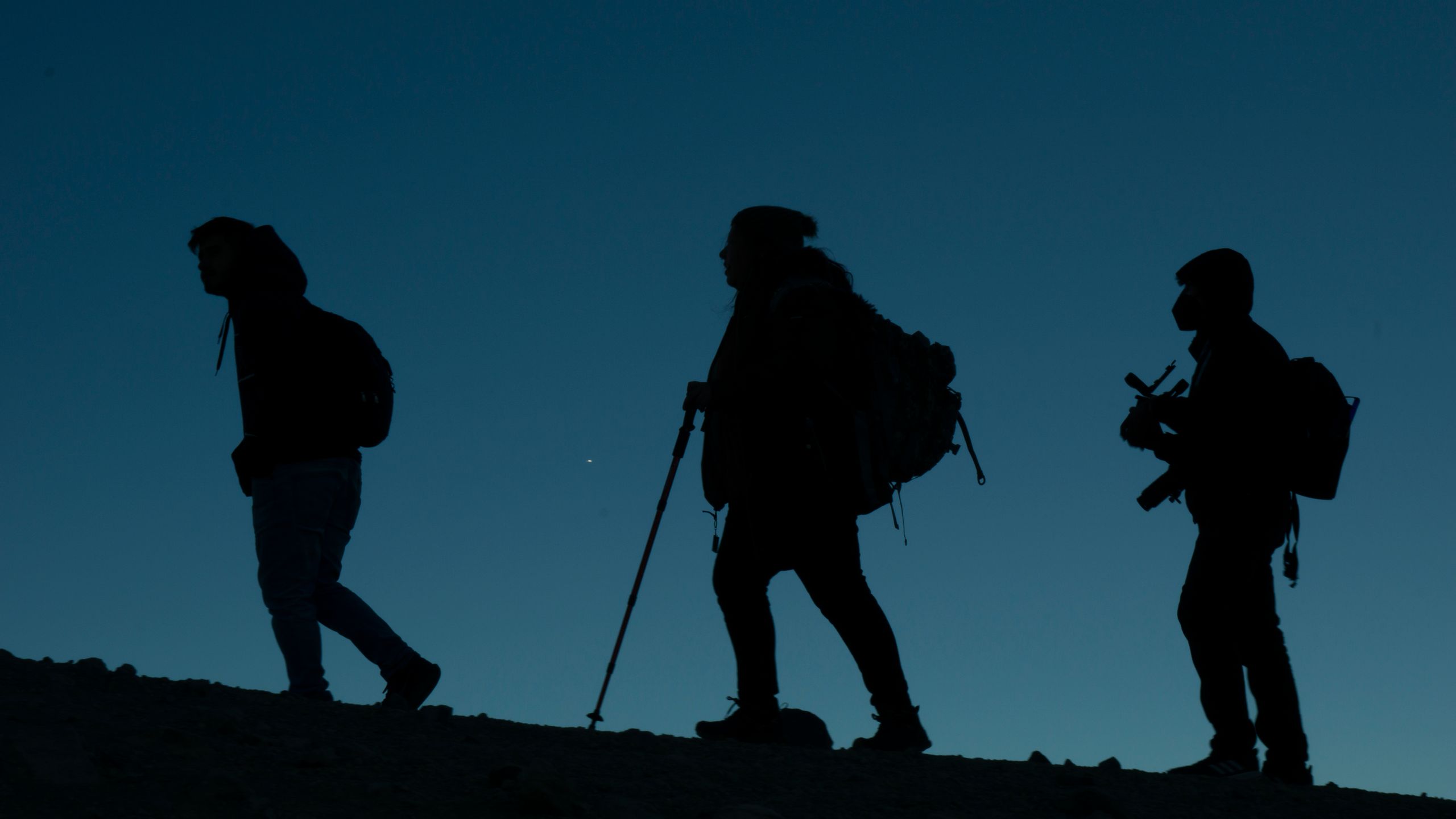
Urban exploration has become increasingly popular over the past two decades. Known as “urbex,” the activity attracts individuals who seek access to abandoned tunnels, hidden infrastructure, and forgotten sections of cities.
New York possesses one of the most extensive underground environments in North America. Beyond the subway system lies a labyrinth of storm drains, sewer tunnels, utility corridors, and historical infrastructure dating back more than a century. For some explorers, gaining access to these spaces represents the ultimate challenge.
The fact that some individuals in the videos appeared equipped with headlamps and protective clothing has led observers to believe the groups may have been organized urban explorers documenting areas rarely seen by the public.
Organized Urban Exploration Groups
The most straightforward explanation involves experienced urban exploration teams.
Many urban explorers operate in groups for safety reasons. Underground environments present significant dangers, including flooding, toxic gases, unstable surfaces, and disorientation. Moving as a team reduces risk and increases the chances of successfully navigating complex tunnel systems.
Several details from the videos support this possibility. Participants appeared prepared, coordinated, and familiar with entering and exiting confined spaces. Some reportedly spent hours underground before emerging at different locations, behavior consistent with exploration rather than random trespassing.
Hidden Historical Discoveries
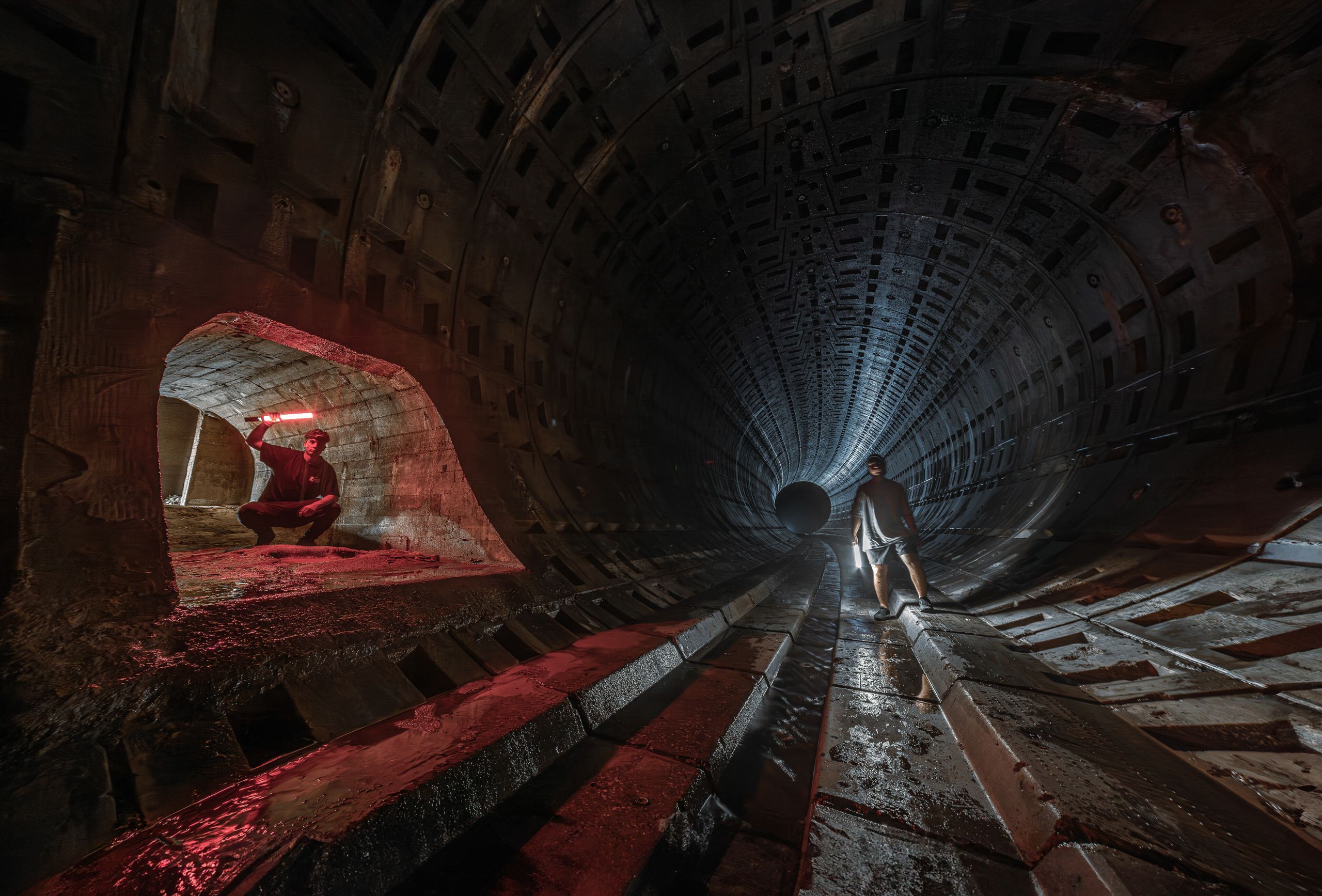
New York’s underground infrastructure contains remnants of previous eras. Forgotten rail tunnels, abandoned utility chambers, old waterways, and sealed passageways continue to captivate historians and explorers alike.
Some observers speculate that the groups may have been searching for historical artifacts, documenting forgotten infrastructure, or investigating sections of the city that have remained inaccessible for decades.
The city’s underground history includes abandoned stations, former industrial tunnels, and infrastructure projects dating back to the nineteenth century. Discovering a previously undocumented feature could attract significant interest among underground exploration communities.
Treasure Hunters Searching for Valuable Items
Whenever mysterious activity occurs underground, treasure-hunting theories inevitably emerge.
Throughout New York’s history, stories have circulated about hidden valuables, lost artifacts, Prohibition-era caches, and forgotten storage areas beneath the city streets. While most such legends remain unverified, they continue to inspire speculation.
Residents interviewed near some of the incidents suggested the explorers may have been searching for something valuable. The use of tools and the willingness to spend hours underground naturally fuels theories involving hidden objects or potential discoveries
Infrastructure Mapping and Documentation
Another possibility is that the groups were creating unofficial maps or conducting underground surveys.
Urban explorers often document routes, tunnel conditions, and structural features. Some communities share photographs, diagrams, and route information among members interested in underground infrastructure.
Given the complexity of New York’s sewer network, mapping sections of the system could require multiple participants, extensive planning, and several hours underground. The coordinated nature of the groups shown in surveillance footage aligns with this possibility.
Social Media Content Creation

The rise of social media has encouraged increasingly extreme forms of content creation.
From skyscraper climbing to abandoned-building exploration, some creators seek out dangerous locations to create unique videos that attract views and followers. Underground sewer systems offer dramatic visuals, secrecy, and an element of risk that can appeal to audiences.
Groups entering sewers at night may have been documenting their experiences for future online content. The timing, equipment, and apparent organization fit a pattern often seen among creators specializing in adventure and exploration videos.
Underground Research Enthusiasts
Not everyone entering underground spaces is motivated by thrills.
Certain hobbyists focus on engineering, environmental systems, hydrology, and infrastructure studies. Sewer systems offer opportunities to observe how cities manage wastewater, stormwater, and drainage.
The presence of protective equipment in some footage has led observers to consider whether participants may have been conducting informal research or educational documentation. While such activities remain unauthorized, they differ significantly from criminal motives.
Something More Suspicious
The theory drawing the most public attention is that the groups were engaged in illegal activity.
Residents interviewed near the incidents expressed skepticism that people would willingly spend hours underground purely for recreation. The secrecy, nighttime timing, and coordinated movements have naturally raised questions about hidden motives.
Law enforcement officials have not announced evidence linking the explorers to criminal activity. No arrests have been reported, and investigators have stated they found no immediate public safety threat. Nevertheless, until authorities identify those involved, speculation will likely continue.
The Real Danger Lurking Beneath New York
Regardless of the explorers’ intentions, one fact remains clear: New York’s sewer system is extraordinarily dangerous.
Underground tunnels can contain toxic gases capable of causing unconsciousness within seconds. Sudden flooding can occur with little warning, even during moderate rainfall. Limited visibility, unstable surfaces, and confined spaces create additional risks.
These dangers explain why city officials strongly discourage anyone from entering sewer infrastructure. Professional workers undergo extensive training and use specialized safety equipment before accessing these environments.
Why The Mystery Captivates New Yorkers
Part of the fascination comes from the contrast between everyday city life and the hidden world beneath it.
Millions of people walk New York’s streets daily without considering the vast network running below their feet. When surveillance footage suddenly reveals groups emerging from that hidden environment, curiosity naturally follows.
Until investigators determine who these explorers are and what they were doing underground, the videos will continue to fuel debate. In a city famous for producing unforgettable stories, the mystery of New York’s nighttime sewer explorers has quickly become one of the most unusual urban puzzles in recent memory.
The underground network remains largely unseen, but for a few nights in Brooklyn and Queens, it briefly emerged into public view, leaving residents with more questions than answers.